
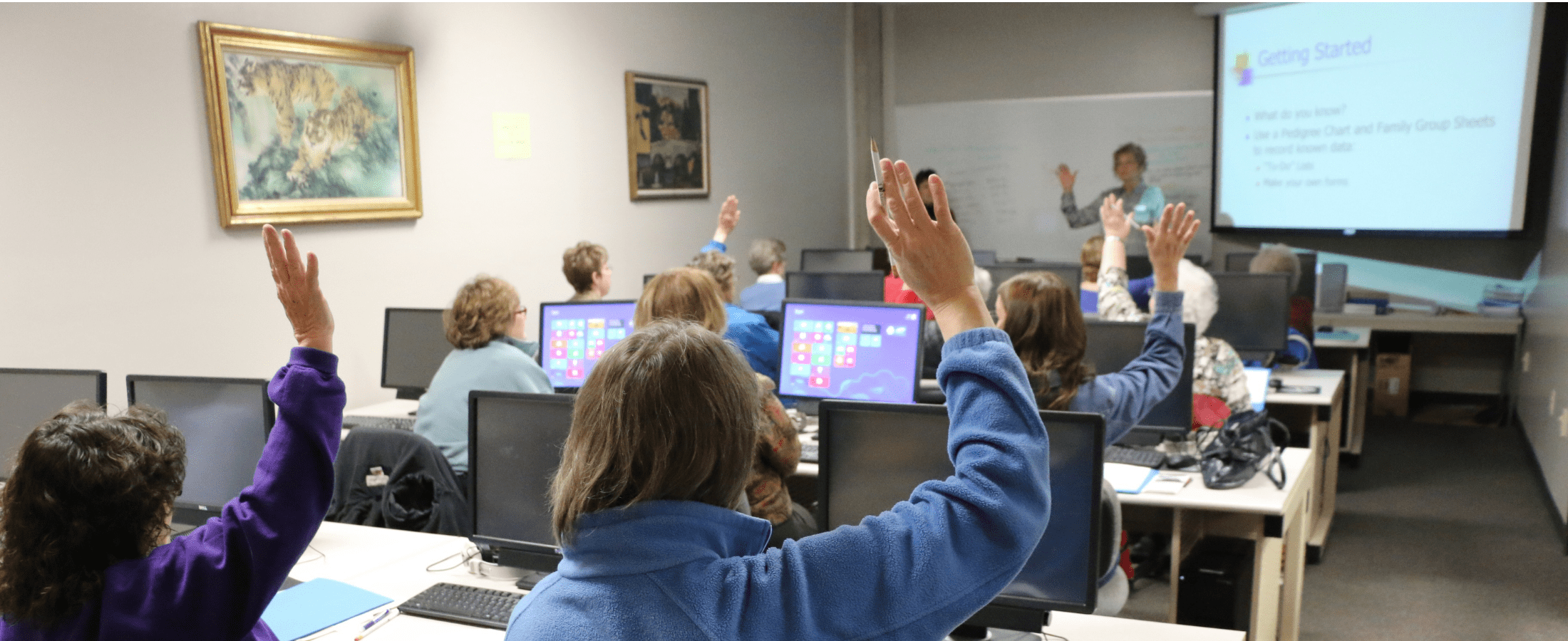
Technology is transforming the way we learn, and at Bethany High School, we embrace innovation to enhance education. The ICSE curriculum, known for its depth and emphasis on understanding, is well-suited for integrating digital learning tools. In this article, I will explore the role of technology in modern education and share best practices for incorporating it effectively in ICSE schools.
The Importance of Technology in Education
Technology has revolutionized education, making learning more engaging and accessible. In today’s digital age, students must develop 21st-century skills such as critical thinking, collaboration, and digital literacy. By incorporating technology in education, we ensure that our students are better prepared for the future.
Some key benefits include:
- Enhanced Learning Experiences: Interactive tools like smart boards and educational apps make lessons more engaging.
- Access to Information: Online resources provide students with a wealth of knowledge beyond textbooks.
- Skill Development: Exposure to technology prepares students for future careers in an increasingly digital world.
Digital Learning Tools for ICSE Schools
ICSE schools can leverage various digital learning tools to improve classroom experiences. Some of the most effective ones include:
- E-learning platforms like BYJU’S and Toppr offer personalized learning experiences.
- Educational apps such as Duolingo for language learning and GeoGebra for mathematics provide interactive engagement.
- Interactive software including AR/VR applications bring abstract concepts to life.
By integrating these tools, teachers can make lessons more dynamic and students can grasp concepts with greater ease.
Implementing Online and Blended Learning
Online and blended learning models are gaining popularity in ICSE education.
- Blended Learning: A combination of traditional teaching and online resources helps cater to different learning styles.
- Virtual Classrooms: Platforms like Google Classroom and Microsoft Teams facilitate remote learning and collaboration.
- Flexible Learning: Students can learn at their own pace, revisiting difficult topics as needed.
To successfully implement these models, schools must invest in reliable digital infrastructure and provide adequate support for both teachers and students.
Enhancing Classroom Engagement with Technology
Technology plays a crucial role in improving student engagement. Some strategies include:
- Smartboards and Digital Classrooms: These make lessons more interactive and visually appealing.
- Gamification: Incorporating game-like elements in lessons increases motivation.
- Augmented Reality (AR) & Virtual Reality (VR): These technologies provide immersive learning experiences, making complex subjects easier to understand.
At Bethany High School, we encourage the use of such interactive tools to make learning more effective and enjoyable.
Training Teachers for Technology Integration
For technology to be effectively incorporated, teachers must be equipped with the necessary skills. Continuous professional development ensures educators stay updated with the latest EdTech trends.
Some key initiatives include:
- Workshops and Training Sessions to help teachers integrate digital tools into their lessons.
- Collaborative Learning Communities where educators share best practices.
- Online Courses that help teachers upgrade their digital literacy skills.
Ensuring Digital Equity and Accessibility
Technology should be accessible to all students, regardless of their background. Digital equity is essential to bridge the learning gap.
Some strategies to ensure accessibility include:
- Providing Devices and Internet Access: Schools can offer tablets or laptops to students in need.
- Developing Inclusive Learning Materials: Ensuring content is accessible for students with disabilities.
- Encouraging Public-Private Partnerships: Collaborating with tech companies to provide affordable digital solutions.
Measuring the Impact of Technology in Education
It is crucial to assess whether technology is making a positive impact on student learning. Schools can use:
- Learning Analytics: Data-driven insights help track student progress.
- Student Performance Metrics: Examining improvements in grades and comprehension levels.
- Feedback Mechanisms: Gathering input from students and teachers to refine digital strategies.
Conclusion
Incorporating technology in ICSE education is no longer an option—it is a necessity. From digital learning tools to blended learning models, technology enhances student engagement, personalises education, and prepares learners for the future. At Bethany High School, we are committed to leveraging technology for a more effective and inclusive learning environment.
If you are looking for an ICSE school that embraces technology for better learning, visit our website or schedule a visit today.