Pedagogy at Bethany Institutions
Raising Levels in the area of Teaching and Learning
“The illiterate of the 21st century will not be those who cannot read or write, but those who cannot learn, unlearn and relearn.” – Alvin Toffler, American writer and futurist
Pre-Primary Department
- Builds strong foundations through play-based and experiential learning
- Develops language, numeracy, motor, and social skills through hands-on
activities - Encourages peer interaction and collaborative learning
- Follows theme-based learning to make concepts engaging and relatable
- Integrates value education to nurture curiosity, creativity, and kindness
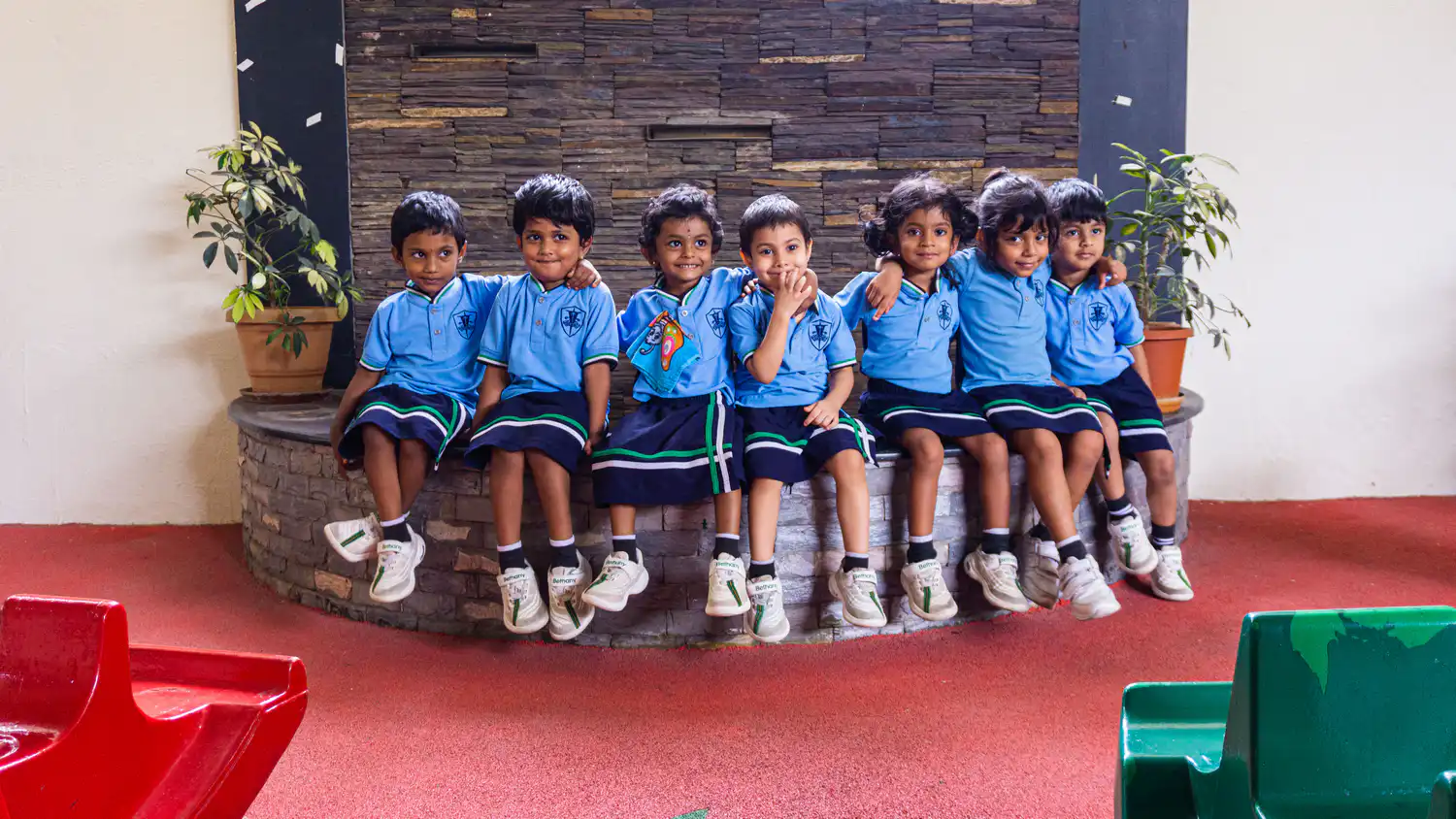
In the Preprimary, foundational stage, we focus on six learning areas:
- Environmental Sciences or Nature Study
- Language and Literacy
- Numeracy and Logic
- Motor skills and physical development
- Aesthetics and creative expression
- Social and emotional development
All the above foundational skills are developed with a theme–based integrated learning approach.
Primary Department
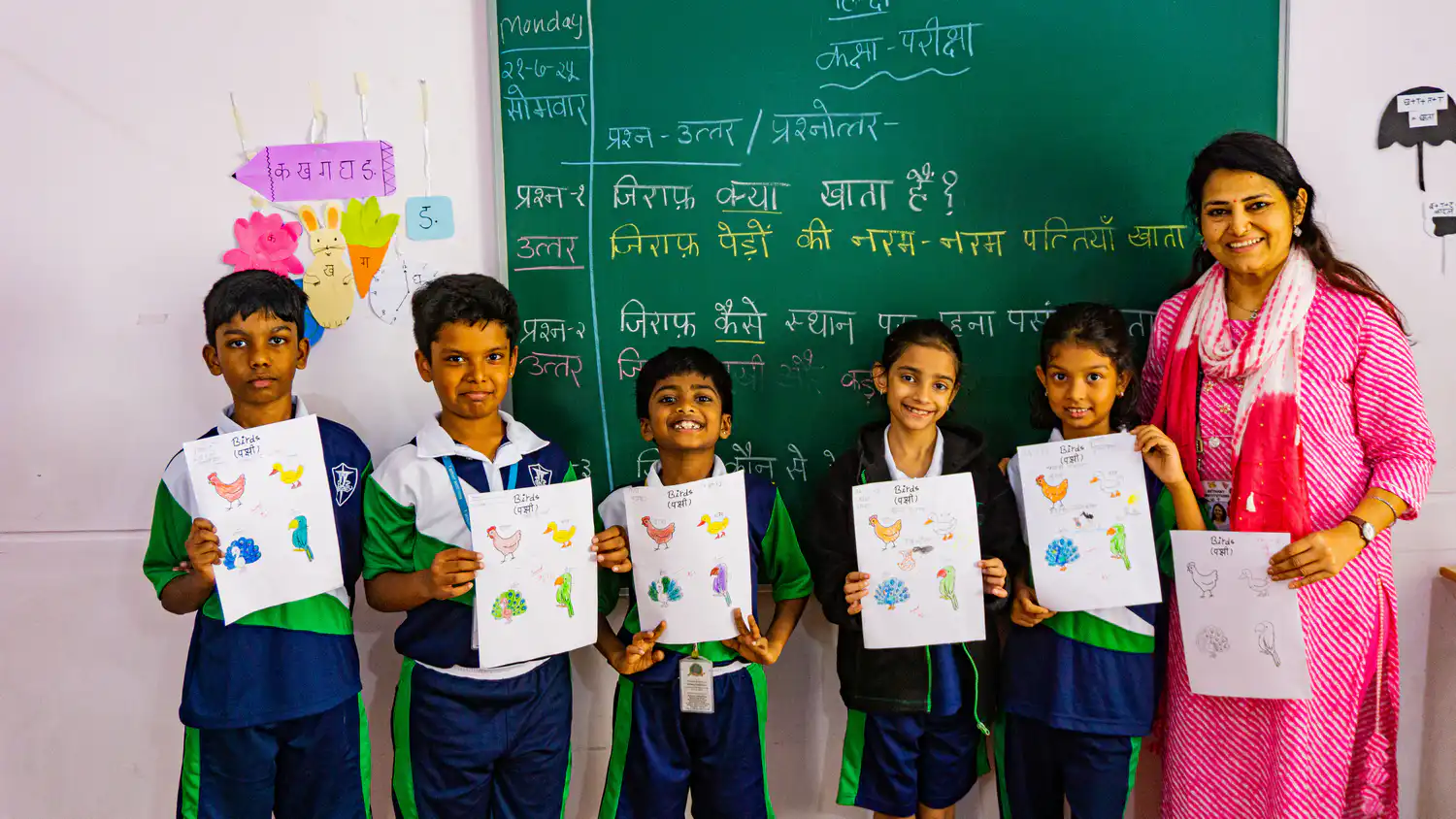
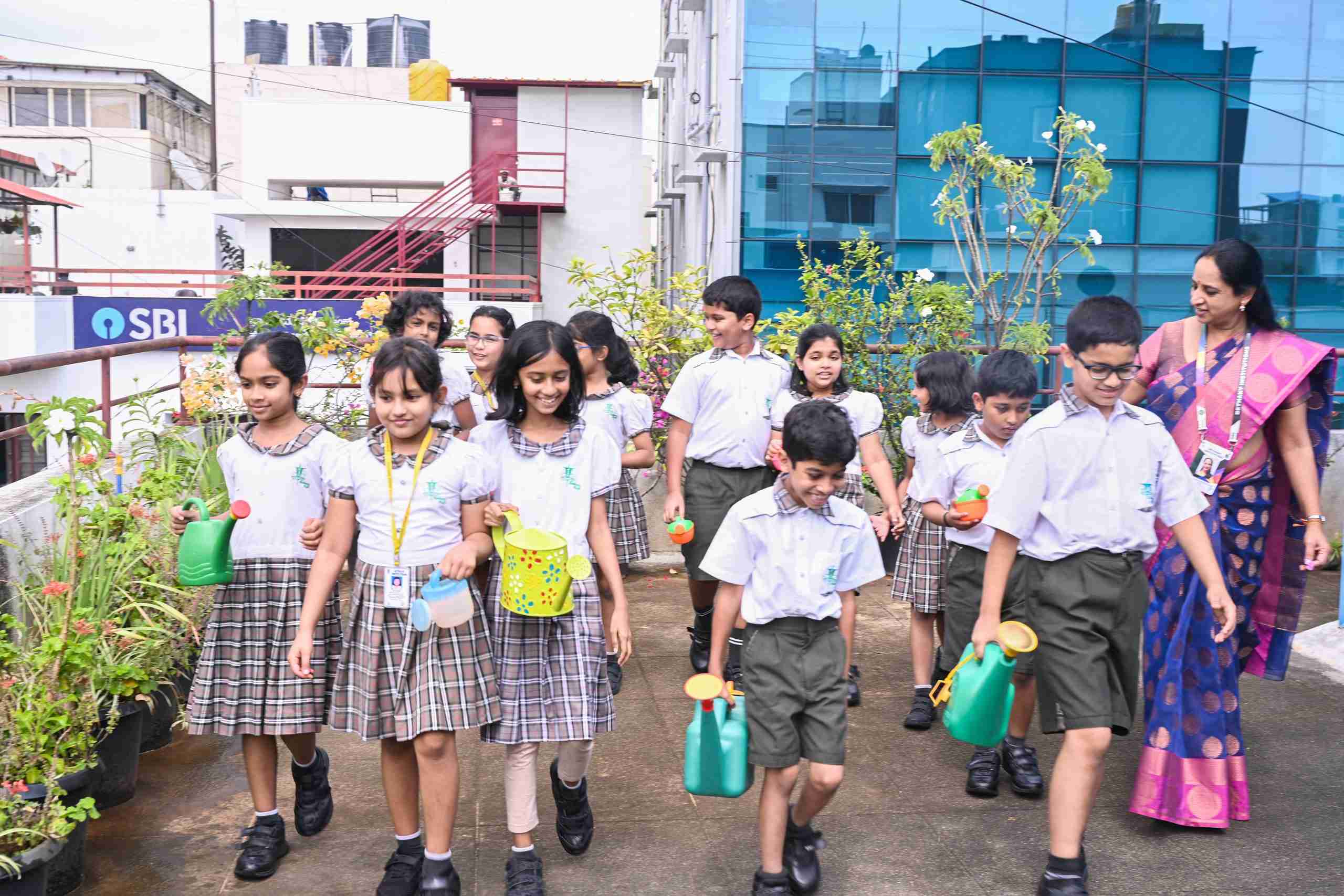
- Blends academics with engaging, activity-based learning
- Builds on early foundations to nurture each child’s unique potential
- Offers experiential learning opportunities and varied classroom activities
- Celebrates learning through programmes like:
o Lit Fest
o Mental Math
o Field trips
o Community initiatives - Conducts regular assessments to track progress
- Encourages strong parent-teacher collaboration through Open House
meetings
Experiential Learning: This supports a variety of pedagogical approaches and strategies which is central to learning and teaching. The community helper’s day is to help children to appreciate and respect our support staff. Field trips organized to the HAL Museum, the Special school bakery. Picnics are fun times of sharing and caring for each other, the Safe touch and growing up sessions, salad and fruit salad making, Abacus, Robotics, organizing the Tuck shop is a huge learning experience, an exclusive Equestrian show in our Bethany grounds sparked a lot of interest and excitement in our students. This vast exposure to the various learning experiences will remain etched in our young learners mind.
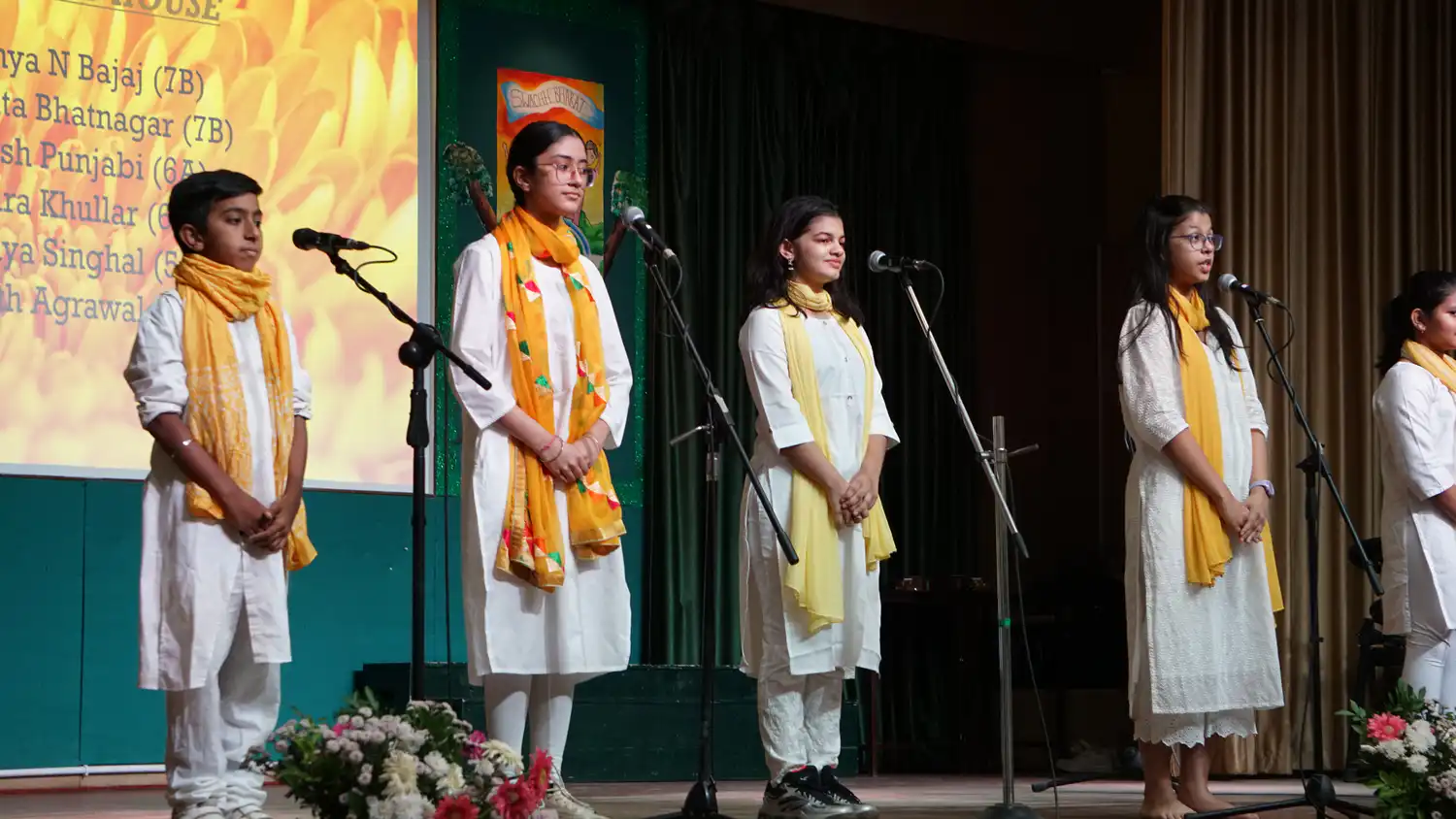
Instilling Core Values – the morning assemblies have so much to offer, values that will remain long. Building relationships, Celebration of Love, our planet our Future, Incredible India, values on acceptance, building confidence, respect and recognition and many more assembly lessons based on moral values.
Middle School
The NEP 2020 and the Council (CICSE) have stressed the following
“Questions should stress understanding of concepts, not just recall of facts. Schools need to move away from a rote memorization–centered approach towards a more comprehensive method that prioritizes understanding and application of concepts.”
In keeping with the Council’s requirement Bethany has taken a firm stance on raising standards in teaching and learning in the classroom. The Middle and High school years play a vital role in building life – long learning competencies.
First, it is important to acknowledge that successful teaching relies on the teacher and learner working together for success. In order for this relationship to flourish it is necessary for the teacher and learner to have contact with each other.
- Supports the transition from dependent to independent learning
- Connects classroom knowledge with real-world applications
- Uses interactive teaching methods, including:
o Field visits
o Creative activities
o Collaborative learning - Caters to diverse learning styles
- Reinforces core values and life skills through:
o Assemblies
o Teamwork
o Student-led initiatives - Provides regular assessments and constructive feedback
High School and Junior College
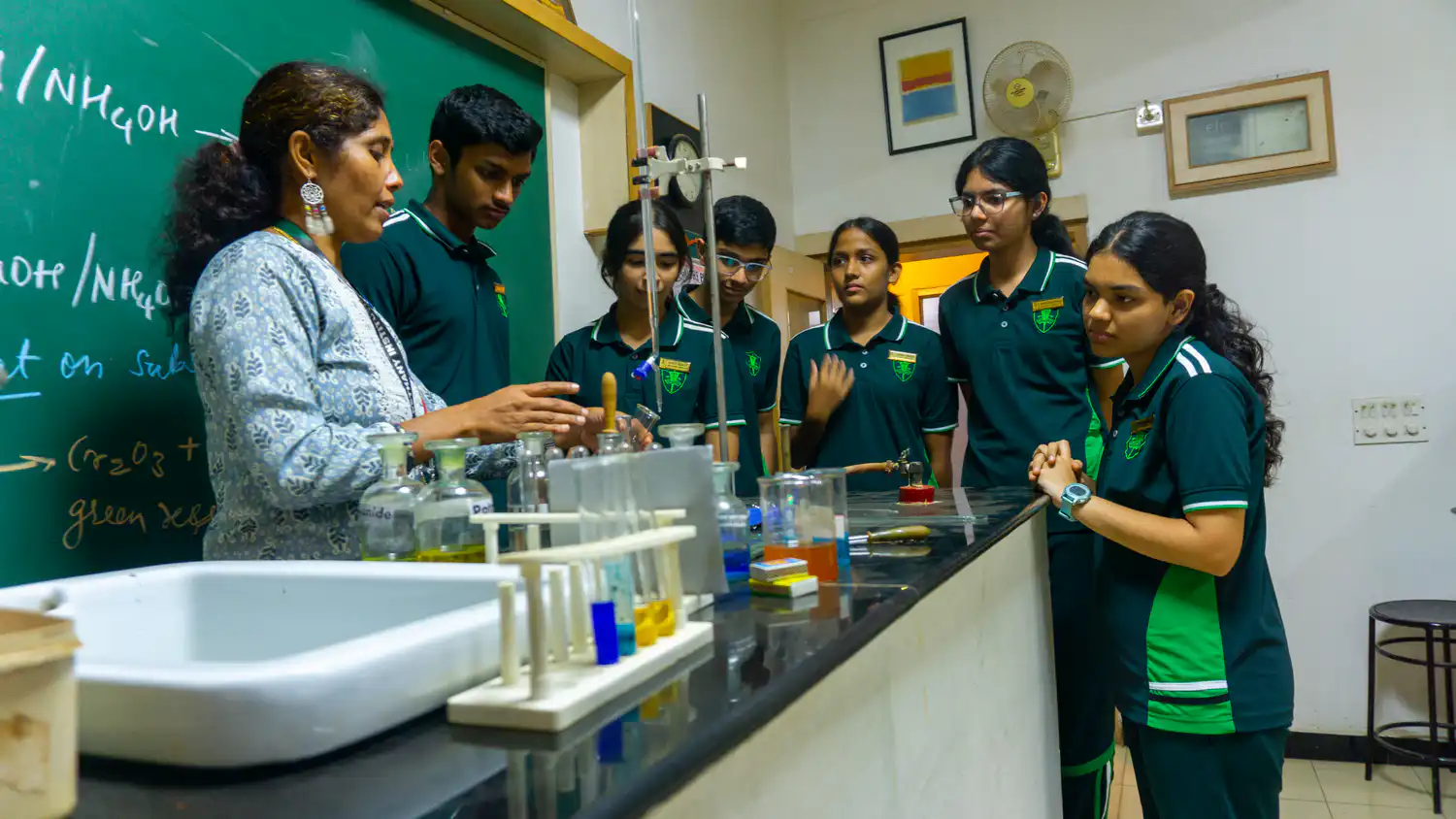
- Promotes academic excellence and holistic development
- Follows the ICSE curriculum with modern teaching tools like interactive smart
boards - Focuses on analytical thinking and Higher Order Thinking Skills (HOTS)
- Prepares students for a competitive and evolving world
- Encourages participation in co-curricular activities such as:
o Model United Nations (MUN)
o Debates
o Cultural festivals
o Social initiatives
o Educational trips - Develops leadership, creativity, and essential life skills
- Ensures continuous growth through regular assessments and parent
collaboration
Pattern of Tests and Exams:
Class 8, 9 and 11 – 2 Unit Tests – 1st Term and Final Exams
Class 10 and 12 – 2 Unit Tests – 1st Term Exam, Model Exam in January and Board Exams