

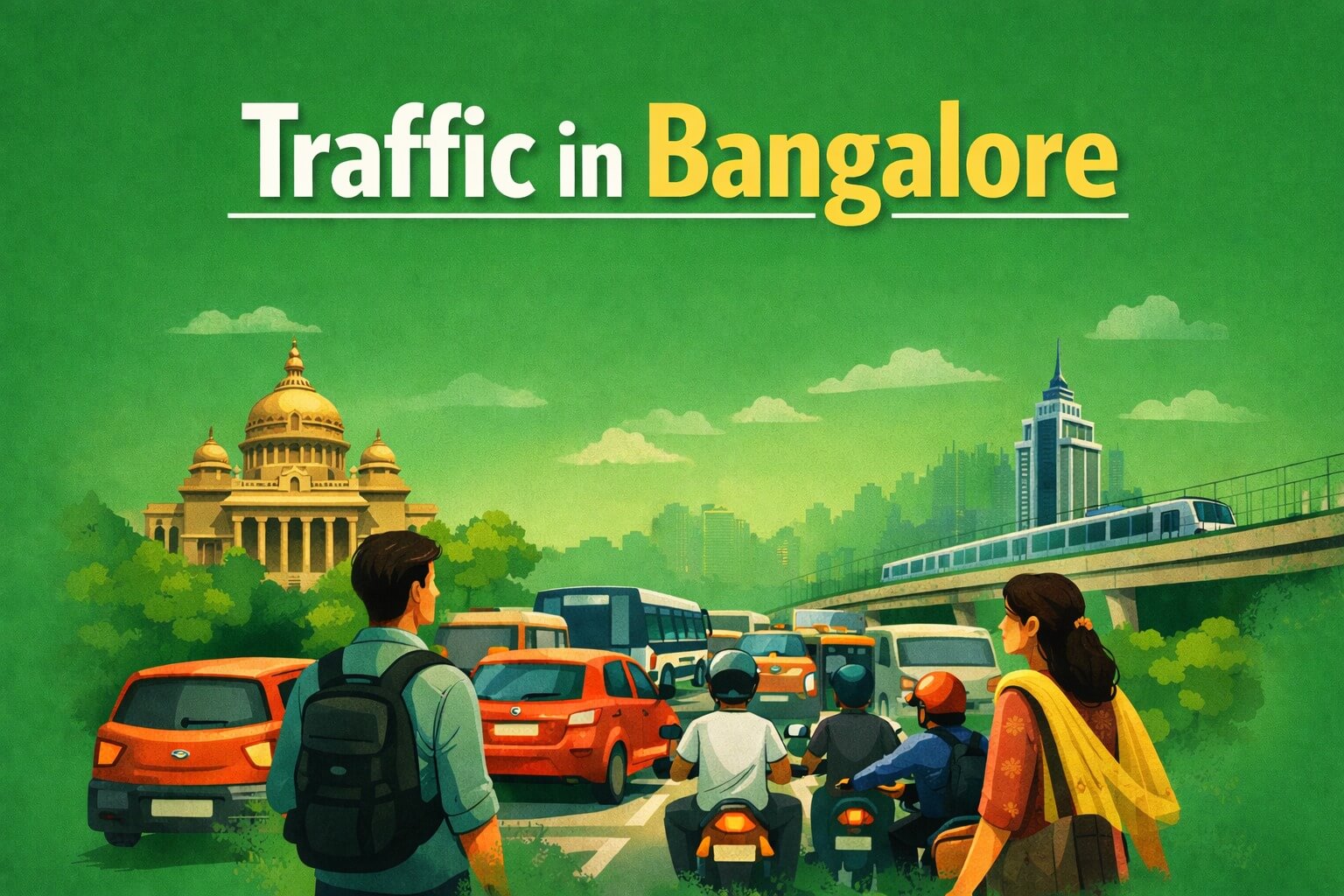
Bangalore traffic is an integral part of everyday life that affects everyone, from students hurrying to school to professionals heading to their offices. Roads are busy almost all day, and daily commutes often take longer than expected. Children arrive at school tired, workers face delays, and evenings are spent in slow-moving traffic. The situation has become so common that many start to accept it as normal. Yet the important question remains: should we silently accept it, or find ways to adapt wisely? Learning to adjust our routines can reduce stress and make daily travel more manageable.
Why Traffic Has Become a Daily Reality in Bangalore
Several reasons explain why Bengaluru traffic congestion keeps increasing.
- Rapid population growth: The city attracts people from across the country for education and jobs. More people mean more homes, more travel, and greater pressure on roads.
- Increase in private vehicles: As incomes grow, families buy more cars and two-wheelers, adding to Bangalore’s traffic problems without a matching increase in road space.
- Infrastructure struggling to keep pace: Roads, flyovers, and metro lines grow slowly compared to the speed of urban expansion.
How Traffic Affects Daily Life
Traffic changes how people feel, think, and perform.
- Longer travel time and fatigue: A long Bangalore commute time causes tiredness even before the day begins.
- Impact on productivity and study time: Time spent in vehicles reduces time for homework, hobbies, and rest.
- Stress and reduced quality of life/: Noise, heat, and delays affect mood and health, especially during Bangalore rush hour traffic.
Should We Simply Accept Traffic as Normal
Normalising traffic can be risky because it makes people feel that congestion is unavoidable and beyond control. When commuters quietly accept delays, it can lead to complacency, reducing the motivation to plan smarter routes or advocate for better road systems. Thinking “this is how it is” comes with hidden costs, including wasted time, increased stress, and slower city development.
This raises an important point for everyone navigating the city daily: should we accept traffic in Bangalore as a permanent problem, or should we find ways to adapt and make travel more efficient for ourselves and others?
What Adapting to Traffic Really Means
Adapting is not about giving up; it is about responding wisely.
- Adapting is not surrendering: It means remaining flexible while thinking about long-term improvements, rather than feeling helpless in congestion.
- Making smarter daily choices: Small decisions, such as planning travel routes or leaving earlier, can reduce pressure on roads and make commutes smoother.
- Reducing personal stress without ignoring the issue: Staying calm, managing fatigue, and protecting mental health helps handle traffic without losing awareness of the bigger problem. True adaptation balances practicality with mindfulness.
Practical Ways Individuals Can Adapt
Even small habits can make a big difference in managing daily traffic stress.
- Planning travel during off-peak hours: Choosing the best time to travel in Bangalore helps avoid the heaviest congestion and shortens commute time.
- Using public transport where possible: Sharing rides or using buses and trains reduces the total number of vehicles on the road, easing Bangalore traffic conditions.
- Choosing walking or cycling for short distances: For nearby trips, avoiding motor vehicles not only saves time but also supports a healthier, more sustainable commute. Simple daily choices like these can make life less stressful and more productive.
Role of Students and Young Citizens
Children and teenagers play an important role in shaping the future of city life and how traffic flows.
- Understanding civic responsibility early: Learning traffic rules and respecting public spaces helps develop good habits that support safer roads and effective Bangalore traffic management.
- Developing patience and time discipline: Leaving home earlier, staying calm, and planning commutes carefully reduces stress during busy travel hours.
- Using commute time wisely for reading or learning: Long journeys can be turned into productive time by listening to audiobooks, revising lessons, or reading, making daily travel more meaningful and less tiring.
What the City Needs Alongside Adaptation
Improving traffic is not just about individual effort; the city must act alongside citizens to make commuting easier.
- Better public transport systems: Reliable buses, metro lines, and shared mobility options reduce the number of private vehicles on the road and make travel smoother.
- Smarter traffic management: Advanced signals, route planning, and real-time monitoring help control congestion and improve overall Bangalore traffic condition.
- Shared responsibility between citizens and authorities: Citizens following rules and planning trips responsibly, combined with city authorities working on long-term solutions, ensures safer and more efficient roads for everyone.
Can Small Changes Actually Make a Difference
Even small changes in daily travel can make a big difference in how traffic moves around the city. Choosing to leave one less car at home not only reduces congestion but also improves air quality and makes commuting easier for everyone.
When many people make small, responsible choices—like using public transport, walking, or cycling for short trips—the collective impact becomes significant, easing the strain on roads. Over time, these conscious commuting habits bring long-term benefits, including cleaner air, reduced noise, lower stress levels, and a healthier, more efficient city for all residents.
Conclusion
Traffic may be a reality, but it should not be accepted blindly. Adaptation requires responsibility and awareness, not indifference. When people make thoughtful choices and stay patient, daily travel becomes safer and less stressful. Small, consistent actions can improve city life and make commuting easier for everyone, creating a healthier and more efficient environment for future generations.
FAQs
Why is traffic so heavy in Bangalore?
Because of fast population growth, rising vehicle numbers, and limited road expansion.
Can individuals really reduce traffic?
Yes. Using shared transport and thoughtful travel times lowers pressure on roads.
Is public transport a practical solution?
It reduces congestion and energy use when systems are reliable and comfortable.
How can students cope with long commutes?
By planning ahead, staying patient, and using travel time productively.