

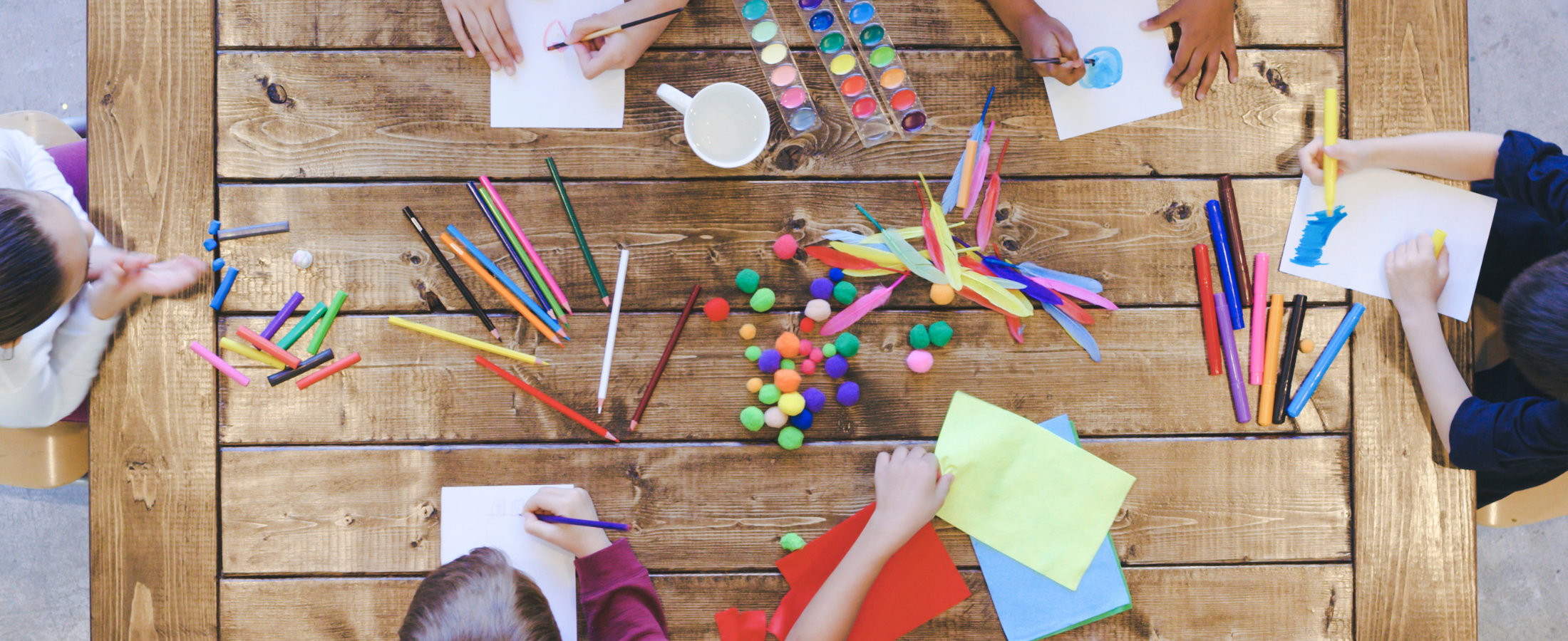
Art is more than just a creative outlet for children. It plays a crucial role in overall child development. At Bethany High, we firmly believe that art can nurture young minds and develop them into well-rounded individuals. When we talk about art in child development, we are referring to a holistic approach where art becomes a medium through which children explore, learn, and grow. Art education is not merely about drawing or painting but, it’s about enabling children to develop cognitively, emotionally, socially, and physically.
The Importance of Art in Early Childhood Development
Art is one of the fundamental building blocks of a child’s growth. From doodling on paper to crafting intricate models, children express themselves in ways that words sometimes cannot capture. The importance of art in child development lies in its ability to support cognitive and emotional development. Through artistic expressions, children learn how to process their thoughts and feelings, and this is particularly crucial during early childhood when the brain is rapidly developing.
Cognitive Development- How Art Stimulates the Mind
Engaging in art activities helps children to enhance their cognitive development. When children draw, paint, or sculpt, they are not only creating something new but also improving their hand-eye coordination, problem-solving skills, and memory. Art requires children to make decisions about colours, shapes, and sizes, which in turn enhances their critical thinking and decision-making abilities. Art education also helps children develop visual-spatial skills, enabling them to interpret and use visual information effectively.
Emotional and Psychological Benefits- Art as a Creative Outlet
Art serves as a creative outlet for children, allowing them to express their emotions and thoughts in a safe and supportive environment. Through art, children learn to understand and regulate their feelings. They can convey happiness, sadness, fear, or excitement through colours and shapes, which can be therapeutic and calming. This form of creative expression helps build self-awareness and emotional intelligence, enabling children to navigate their emotions more effectively.
Social Development- Building Connections Through Art
Art often involves collaboration, whether in group projects or discussions about each other’s work. Such activities encourage children to share ideas, listen to others, and develop empathy. Through creative arts education, children learn the value of teamwork and cooperation, which are essential social skills. Children often critique each other’s work in art classes. This promotes an environment where feedback is given and received constructively which in turn helps in building communication and interpersonal skills.
Physical Development- Fine Motor Skills and Hand-Eye Coordination
Creating art involves a lot of movement, whether it’s gripping a paintbrush, cutting shapes, or sculpting clay. These actions enhance fine motor skills and hand-eye coordination in young children. By practising these movements repeatedly, children develop better control over their motor skills, which is essential for everyday activities such as writing and using tools.
Encourages Imagination and Creativity
One of the advantages of art education is its ability to promote imagination and creativity. Art encourages children to think outside the box, explore new ideas, and come up with innovative solutions. It allows them to see the world in diverse ways, making connections between unrelated concepts and broadening their understanding. This imaginative play is crucial as it lays the foundation for future learning and problem-solving.
Language Development- Expressing Through Art
Art can also play a role in developing language skills. When children talk about their artwork or the artwork of others, they learn new vocabulary, improve their descriptive skills, and engage in storytelling. Discussions around art help children articulate their thoughts, enhancing their language development and communication skills.
Art Education in Schools- Integrating Art into the Curriculum
At Bethany High, we believe that art education in schools is not an add-on but an essential part of the curriculum. Integrating art into various subjects helps children to see connections between different areas of study. For example, history lessons can be enriched with art from the period being studied, and science can be made more engaging through creative projects like model-making or drawing diagrams. This interdisciplinary approach not only makes learning more engaging but also allows students to express what they have learned in unique and personal ways.
Boosts Self-Esteem and Confidence
Art gives children a space for freedom of expression without the fear of making mistakes. This promotes a sense of achievement and pride in their work, which in turn boosts their self-esteem and confidence. When children see their artwork displayed or receive positive feedback from peers and teachers, it reinforces a sense of competence and accomplishment. Art provides an inclusive environment where all students, regardless of their academic abilities, can excel and gain confidence.
Decision Making
Art requires children to make various choices, such as picking colours or deciding how to portray an idea. This process helps them build important decision-making skills. Unlike subjects with clear right or wrong answers, art offers many interpretations and solutions. This encourages children to think for themselves, consider different options, and make confident choices. Through art, they learn that different choices lead to different outcomes, helping them reflect on their decisions and understand their effects.
Visual Learning
Art improves visual learning by teaching children how to interpret, analyse, and understand visual information. Through activities like drawing, painting, and sculpture, children learn to pay attention to details and see how different elements relate to each other. These skills are useful not only in art but also in subjects like maths and science, where understanding diagrams, charts, and models is essential.
The Long-Term Impact of Art on Child Development
The long-term impact of art on child development is profound. Studies have shown that children who engage in art from a young age are more likely to perform well academically and socially. They tend to have higher self-esteem, better problem-solving skills, and are more adaptable to change. Art education helps children develop a sense of cultural awareness and empathy, as they learn to appreciate different perspectives and traditions.
Conclusion
Art is not just a subject but a fundamental part of a child’s development. Incorporating art into education is more than just teaching children how to draw or paint. It is about providing them with the tools to express themselves, think critically, and connect with the world around them. At Bethany High, we are committed to creating an environment where art is not just a subject but a way of life. We believe that through creative arts education, we can help shape children who are not only academically proficient but also emotionally intelligent, socially aware, and creatively inspired.
FAQs
What is the role of art in education?
Art plays a vital role in education by fostering creativity, improving cognitive skills, and helping children develop emotionally and socially.
What is the role of art in child development?
Art helps in developing fine motor skills, emotional intelligence, problem-solving abilities, and social skills among children.
Why is art important for child development?
Art is important because it encourages creativity, enhances cognitive development, boosts confidence, and supports social-emotional learning.
How can learning art impact child development?
Learning art can improve hand-eye coordination, critical thinking, emotional regulation, and social interaction, all crucial aspects of child development.
Why is art important in education for children?
Art is important because it promotes holistic development, fosters a creative mindset, and provides children with a medium to express themselves.