

Introduction
As parents and educators, we play a central role in helping children develop essential social skills for life. Social skills in early childhood lay the foundation for meaningful relationships, confidence, and effective communication. By encouraging these skills with gentle guidance, we can support empathy, cooperation, and respect. At Bethany, early social development is as important as academic growth, creating well-rounded individuals prepared for a collaborative world.
Why Social Skills are Crucial in Early Childhood
Social skills are vital for developing a child’s ability to communicate, share, and connect with their peers. They also enable children to work in teams, resolve conflicts, and manage their emotions effectively. These early abilities contribute significantly to a child’s overall well-being, both academically and personally.
At Bethany, we emphasise these skills from a child’s formative years, ensuring they learn to interact positively with peers and adults. Through structured activities as a part of our curriculum, we support empathy, cooperation, and resilience, setting the stage for a successful social and emotional journey.
Key Social Skills to Develop in Early Childhood
In early childhood, there are several social skills that form the groundwork for a child’s confidence and adaptability:
- Empathy: Understanding and valuing others’ feelings.
- Communication: Expressing thoughts clearly and listening actively.
- Cooperation: Working with others, sharing, and turn-taking.
- Problem-Solving: Tackling challenges constructively.
How Play Supports Social Development
Play is one of the most effective ways for children to develop social skills. Through play, children experiment with roles, express their emotions, and practice working together in groups. This environment allows them to navigate emotions, build empathy, and negotiate safely. At Bethany, we understand that play is not a form of entertainment but a powerful learning tool, and we have integrated play-based learning deeply into our curriculum.
Activities that Promote Social Skills through Play:
- Role-playing games: Enable children to view situations from others’ perspectives, supporting empathy and understanding.
- Group games: Reinforce cooperation, teamwork, and the importance of sharing.
- Storytelling sessions: Enhance listening skills and encourage empathy with characters’ experiences and emotions.
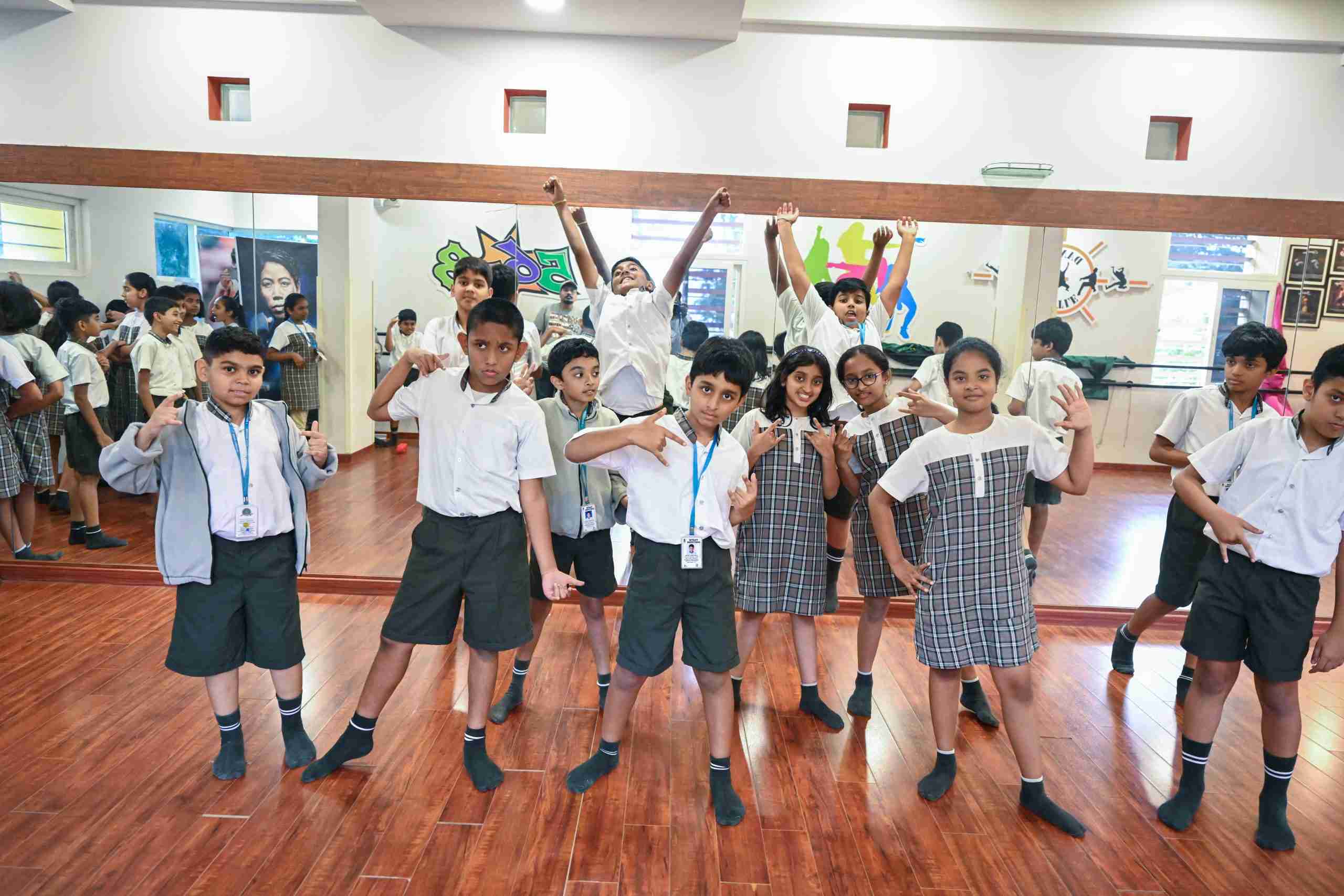
At Bethany, the arts play a vital role in supporting this development. Our focus on music, drama, and performance encourages children to express themselves confidently, collaborate with peers, and embrace creativity. Through events like musicals, choir performances, and drama productions, we provide children with a platform to learn essential social skills. The ICSE curriculum’s holistic growth emphasis aligns with our approach, enabling children to develop emotionally and academically.
Encouraging Positive Social Interactions at Home
Creating a supportive home environment is key to reinforcing social skills. Parents can encourage their children’s social growth by setting up playdates, involving them in family discussions, and practicing good manners at home. By modelling empathy and effective communication, parents provide children with a strong example.
Tips for Parents:
- Practice sharing and turn-taking during play.
- Encourage polite communication, like saying “Please” and “Thank you.”
- Support social interaction through regular playdates or family activities.
- Read or share real life stories about friendship and the need to be a good friend too.
At Bethany, we believe in a partnership between school and home, encouraging parents to reinforce these social lessons and maintain a consistent approach to social skills development.
The Role of Preschool in Social Skills Development
Preschool is a crucial stage where children learn the basics of social interaction in a structured, nurturing environment. Our curriculum is carefully curated to promote social development through group activities, role-play, and interactive learning, supporting children in becoming confident and compassionate individuals.Our field trips are designed to provide opportunities for students to interact with each other and develop social skills in settings other than the school and home.
With over 60 years of commitment to holistic education, Bethany Pre-Primary offers a welcoming environment that allows each child to explore, express, and discover their unique potential. Located conveniently near our main campus, our preschool serves as a safe, joyful space where young learners embark on a journey of growth and self-reliance.
Overcoming Common Social Challenges in Early Childhood
Some children naturally face social challenges, such as shyness or difficulty sharing or expressing emotions. Addressing these challenges with patience and consistent guidance helps children build confidence in interacting positively.
Strategies to Address Social Challenges:
- Shy Children: Gently encourage interaction in smaller, familiar settings.
- Sharing Difficulties: Use positive reinforcement to encourage sharing.
- Emotional Expression: Help children label and talk about their feelings.
At Bethany, our experienced staff work closely with children facing these challenges, supporting them in building resilience and social comfort at their own pace.
Social Skills Activities for Toddlers and Preschoolers
Engaging in targeted activities can enhance a child’s social skills in fun and meaningful ways. These activities encourage sharing, listening, and cooperation, all while making social learning enjoyable.
Suggested Activities:
- Puppet Shows: Encourage emotional expression, creativity and empathy.
- Building Towers with Blocks: Promote teamwork and patience.
- Story Circles: Practice listening and turn-taking.
- Art and Craft: Encourage sharing and communication.
Bethany’s daily routine includes many activities designed to allow children to engage, share, and learn within a supportive and collaborative environment.
Supporting Emotional Well-being
A child’s emotional well-being is just as crucial as academic success. Recognising signs of stress or anxiety early and maintaining open communication helps create a safe space for children to share their thoughts and concerns. Parents can support this by discussing feelings at home, validating their emotions, and introducing coping mechanisms like deep breathing or positive thinking.
At Bethany, we take a balanced approach that values emotional and academic growth. By building emotional resilience and empathy, we ensure that children feel safe and supported as they grow socially and academically.
Encouraging a Growth Mindset
Helping children develop a growth mindset encourages them to see challenges as learning opportunities. Teaching children to view setbacks positively builds resilience and adaptability. As parents and educators, modelling this mindset through positive reinforcement and sharing our own experiences with overcoming difficulties can be transformative.
Conclusion
Developing social skills in early childhood is essential for creating confident, empathetic, and well-adjusted individuals. By actively supporting social interactions, encouraging positive behaviour and addressing social challenges, parents and educators can equip children with tools for lifelong success.
At Bethany, we are committed to building these skills through our inclusive, nurturing environment. We work closely with parents to support each child’s unique journey. We invite parents to actively participate in their child’s social development, building a strong foundation for a brighter future.