
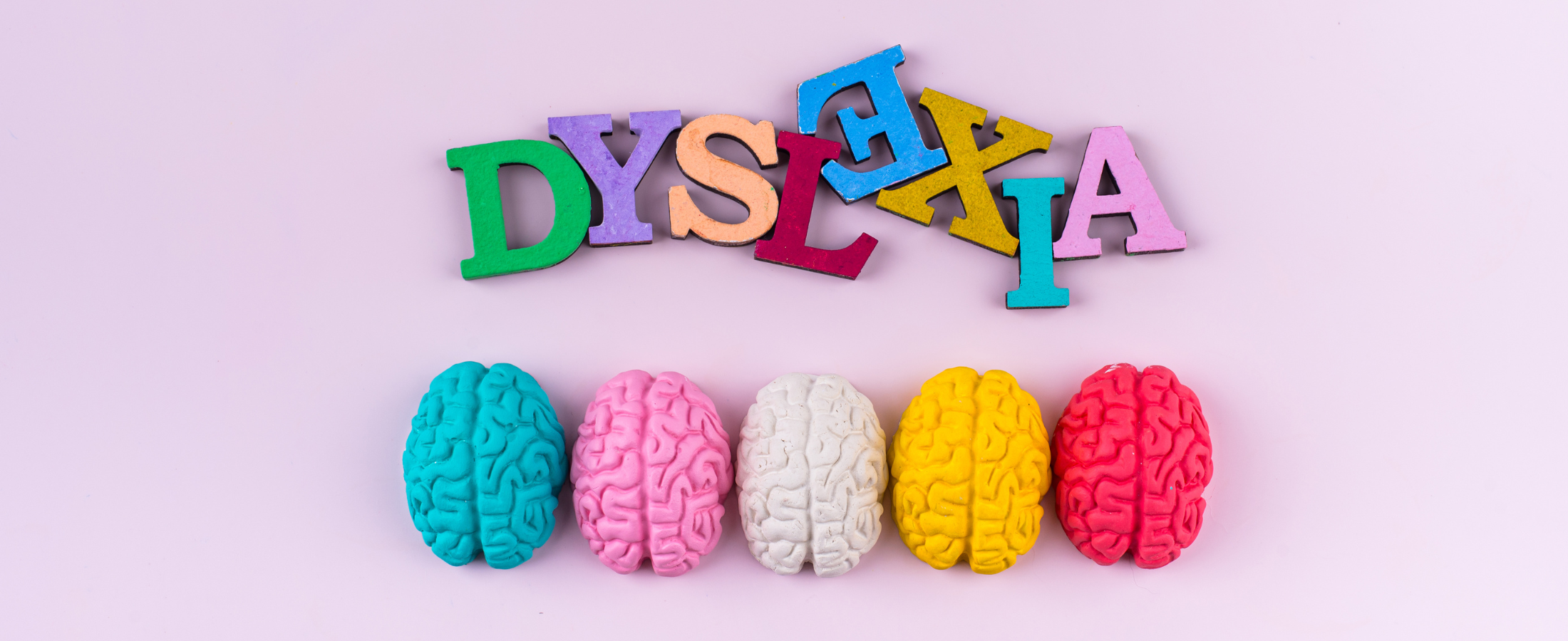
Dyslexia is one of the most common learning disabilities in children, affecting their ability to read, write, and spell. While it does not reflect a child’s intelligence, early identification and intervention can significantly improve outcomes. As an educational institution that values inclusivity, we at Bethany High believe in raising awareness about dyslexia and supporting children to reach their full potential. In this article, we’ll explore the early signs of dyslexia, how it affects learning, and practical steps parents can take to provide the best support for their children.
What is Dyslexia?
Dyslexia is a specific learning disability that primarily affects reading, writing, and spelling skills. It is a neurobiological condition that results in difficulties with decoding words, recognizing words by sight, and spelling words accurately, despite having average or above-average intelligence. It is not linked to intelligence or vision problems but rather to the way the brain processes written and spoken language. The challenges faced by individuals with dyslexia are often persistent, but they can improve with appropriate interventions and support.
Cognitive Aspects of Dyslexia
While dyslexia is often referred to as a “reading disorder,” it is not simply an issue with reading. It is related to broader cognitive processes involved in language. This can affect various aspects of language learning and use:
- Word Recognition: A person with dyslexia may struggle to recognize words by sight, especially common words that do not follow regular spelling rules.
- Spelling and Writing: Spelling can be particularly challenging, as individuals with dyslexia may find it hard to remember how words are structured, leading to frequent misspellings. They may also struggle to write as they might have trouble organizing their thoughts or using appropriate grammar.
- Fluency: Reading fluency is also affected, meaning that individuals with dyslexia may read slowly and with effort. This can impact comprehension, as the process of decoding words can take up so much of their attention that they may struggle to understand the overall meaning of a text.
How Dyslexia Affects Reading and Writing
Dyslexia significantly affects a child’s ability to read by disrupting the processes involved in phonological awareness, decoding, fluency, and comprehension. Phonological awareness, or the ability to identify and manipulate sounds within words, is often impaired in children with dyslexia. They struggle to connect sounds (phonemes) with their corresponding letters (graphemes), making it challenging to blend sounds to form words or break words into their components. This fundamental difficulty hampers their ability to decode, which involves translating written symbols into spoken language. As a result, children with dyslexia may read slowly, pause frequently, or guess words based on context rather than decoding them systematically.
Children with dyslexia often struggle with fluency which makes reading slow and tiring for them, lacking the natural rhythm and intonation that fluent readers use. This difficulty makes reading exhausting and affects their understanding of the text. Since they focus so much on decoding individual words, they find it harder to understand the overall meaning. They may also find it challenging to remember details, draw conclusions, or identify main ideas. These struggles can impact their academic performance and lower their confidence.
Example: A child with dyslexia might read the word “stop” as “pots” or “spot” because they struggle to process the order of letters and connect them to their sounds. They might also skip over small words like “the” or guess words based on context, reading “The cat ran fast” as “The car ran fast.”
Writing is also affected by dyslexia, as it often mirrors the difficulties seen in reading. Children may struggle with spelling, frequently writing words as they sound rather than following conventional spelling rules. Common errors include reversing letters (e.g., writing “b” instead of “d”), mixing up word sequences, and inconsistent spelling of the same word. Their handwriting may be untidy due to difficulties with motor coordination or poor letter formation. Furthermore, organizing ideas into coherent sentences or paragraphs can be a significant challenge, as they may find it hard to structure their thoughts logically or express them clearly.
Example: When asked to write a sentence like “I went to the park today,” a child with dyslexia might write “I wnet to the prak todey.” They may reverse letters, mix up spelling patterns, or struggle with proper spacing and letter formation.
The cumulative effect of these reading and writing challenges can impact a child’s overall academic progress and self-esteem. However, with early intervention, tailored teaching strategies, and consistent support, children with dyslexia can develop effective coping mechanisms and succeed in their educational journey.
Causes of Dyslexia
Dyslexia has a genetic component and tends to run in families. It is believed to be caused by a combination of genetic and environmental factors that affect how the brain processes written and spoken language. Research has shown that dyslexia is linked to differences in the structure and function of specific areas of the brain, particularly those involved in language processing. These differences are not due to vision or hearing impairments, and they are not related to a lack of intelligence.
Misconceptions About Dyslexia
There are several common misconceptions about dyslexia. One of the most common is that individuals with dyslexia are not as intelligent as others. In reality, many people with dyslexia have average or above-average intelligence. Another misconception is that dyslexia only affects reading. While reading difficulties are the most obvious sign, dyslexia can also affect other aspects of learning, including writing, spelling, and even mathematics, especially when these require language processing.
Dyslexia does not go away with age, but with early identification and targeted support, individuals can develop strategies to manage their challenges. It is important for parents, teachers, and others to understand that dyslexia is not a reflection of a child’s abilities or potential. With the right accommodations, tools, and support, individuals with dyslexia can succeed academically and in life.
Common Early Signs of Dyslexia
Recognizing dyslexia in its early stages can significantly aid in intervention and support for children. While the specific signs can vary, especially with age and individual development, there are common indicators parents and educators should be aware of:
- Delayed Speech Development: Difficulty in acquiring speech sounds, late onset of spoken language.
- Difficulty with Rhyming Words: Challenges in recognizing or generating rhyming words.
- Problems with Pronunciation: Persistent difficulty in pronouncing words correctly or consistently.
- Difficulty Learning Letters and Their Sounds: Struggles in associating letters with their respective sounds.
- Poor Memory for Sequences: Difficulty in remembering sequences such as days of the week or the alphabet.
- Avoidance of Reading or Writing Activities: Reluctance or avoidance when it comes to reading books or attempting to write.
Signs of Dyslexia in Preschoolers
In preschool-aged children, signs of dyslexia can sometimes be subtle but are nonetheless crucial to recognize:
- Delayed Speech Development: Late or limited speech compared to peers.
- Difficulty with Word Retrieval: Struggles in finding the right word or naming objects.
- Poor Rhyming Skills: Challenges in recognizing or producing rhyming words.
- Difficulty Following Directions: Trouble in understanding and following multi-step instructions.
- Struggles with Fine Motor Skills: Difficulty in activities requiring fine motor control, such as gripping a pencil or using scissors.
In School-Age Children
- Reading Challenges: Reading slower than peers and making frequent mistakes.
- Writing Difficulties: Reversing letters, such as confusing ‘b’ and ‘d,’ or poor spelling.
- Trouble with Numbers: Difficulty with number sequences and basic arithmetic.
- Low Confidence in Academic Tasks: Avoiding tasks that involve reading or writing due to frustration or fear of failure.
When to Seek Professional Help
If you observe persistent signs of dyslexia in your child, it’s essential to consult a professional for an evaluation. Early intervention can make a significant difference in a child’s academic journey. Specialists like educational psychologists or speech therapists use a variety of assessments to diagnose dyslexia and recommend tailored strategies for support.
Effective Strategies for Parents to Support Their Child
1. Promote a Positive Mindset
Encourage your child to embrace their strengths and view dyslexia as a unique challenge rather than a limitation. Positive reinforcement can build confidence and resilience.
2. Focus on Phonics-Based Learning
Phonics-based instruction helps children understand the relationship between letters and sounds, which is essential for reading fluency.
3. Encourage Reading Together
Read with your child regularly to help improve their reading skills. Choose books with larger fonts and illustrations to make the experience enjoyable.
4. Break Tasks into Smaller Steps
Divide complex tasks into manageable steps to avoid overwhelming your child. For example, focus on learning one letter or word family at a time.
5. Utilise Educational Tools
Technology can be a great ally. Apps and tools designed for dyslexia, such as text-to-speech programs or dyslexia-friendly fonts, can make learning more accessible.
How to Create a Dyslexia-Friendly Learning Environment
- Provide Visual Aids: Use charts, flashcards, and colour-coded materials to enhance learning.
- Minimise Distractions: Create a quiet and organised study area for your child.
- Celebrate Progress: Recognise and celebrate even small achievements to motivate your child.
- Engage Teachers: Maintain open communication with your child’s teachers to ensure consistent support at school.
Educational Tools and Resources for Dyslexic Children
- Assistive Technology: Tools like speech-to-text software and audiobooks can help bridge the gap in reading and writing tasks.
- Specialised Programmes: Enrol your child in structured literacy programmes, such as Orton-Gillingham or Wilson Reading System.
- Support Groups: Join parent communities or support groups to exchange experiences and advice.
Conclusion: Early Intervention for Better Outcomes
Early intervention is key in supporting children with dyslexia. If parents or educators observe persistent difficulties in these areas, it is advisable to consult with professionals trained in assessing and supporting children with learning disorders. Understanding and addressing dyslexia early can significantly improve a child’s academic and social outcomes.
At Bethany High,Koramangala , the LEAP Department is equipped with trained special educators who assist students with dyslexia and encourage them to reach their full potential and navigate the challenges they face with confidence.
We are committed to providing a supportive space where every child can grow and achieve their potential. By working together as parents, educators, and a community, we can empower dyslexic children to succeed in all aspects of life.
FAQs
- What are the first signs of dyslexia in children?
Early signs include delayed speech development, difficulty recognising letters, and challenges with rhyming. - How can parents help their child with dyslexia?
Parents can support their child by promoting a positive mindset, using phonics-based learning, and leveraging assistive technology. - What are the best interventions for young children with dyslexia?
Structured literacy programmes, phonics-based instruction, and regular reading practice are highly effective. - When should I consult a professional about dyslexia?
If your child shows persistent difficulties with reading, writing, or speech development, consult a specialist for evaluation. - Can dyslexia be diagnosed early in preschoolers?
Yes, dyslexia can often be identified in preschoolers through signs like difficulty with rhymes and letter recognition.
By staying informed and proactive, parents can make a world of difference in their child’s learning journey. To explore more about early childhood learning and support, visit our website and discover why Bethany High is one of the best schools in Bangalore.