

Introduction: Why Etiquette Matters
Education is more than academics; it’s about shaping well-rounded individuals ready for life’s challenges. Etiquette plays a crucial role in personal and professional success, helping students build confidence, respect, and effective communication skills. From classroom behaviour to professional settings, these life lessons create a lasting impact.
Importance of Etiquette in Student Life
Etiquette is a way of fostering respect, kindness, and inclusion. For students, learning etiquette prepares them for future interactions, whether in school, at home, or in society. Proper etiquette enhances relationships, builds confidence, and ensures students can navigate diverse social and professional situations gracefully.
Social Etiquette Basics
- Greetings Matter
Teaching students the importance of a smile, a firm handshake, or a polite “hello” sets the tone for positive interactions. At Bethany, students learn to greet peers, teachers, and guests confidently. - Politeness and Gratitude
Daily routines emphasize simple phrases like “please,” “thank you,” and “excuse me.” These words not only reflect good manners but also foster mutual respect. - Listening Skills
Active listening is essential. Students are taught to maintain eye contact, avoid interruptions, and show genuine interest in conversations—skills that are invaluable in every aspect of life.
Classroom and Dining Etiquette
- Respect in the Classroom
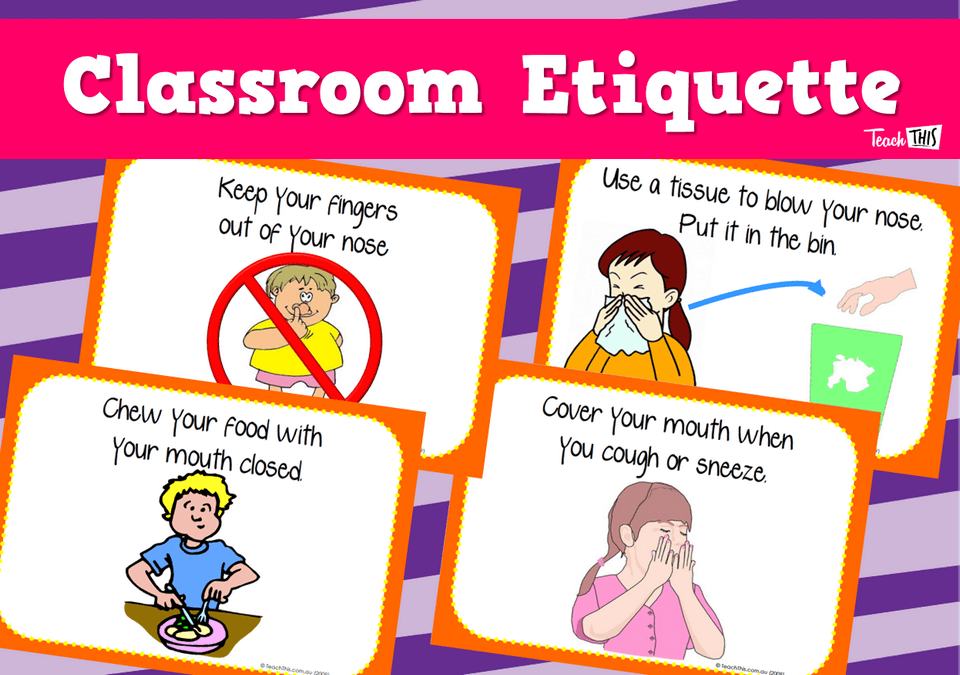
Good etiquette starts in the classroom. Students are encouraged to raise their hands before speaking, respect differing opinions, and maintain focus during lessons. - Dining Table Manners
Our dining etiquette lessons include proper use of cutlery, chewing with mouths closed, and waiting for everyone to be served before eating. These skills prepare students for formal and informal dining situations. - Digital Etiquette
In today’s tech-driven world, it is just as important to understand when to put away gadgets and engage respectfully. Students learn the significance of minimising distractions and using technology appropriately.
Practical Etiquette Exercises
- Role-Playing Scenarios
At Bethany High, we incorporate role-playing activities to help students practise real-world etiquette. From mock interviews to social events, students rehearse interactions to build confidence. - Thank-You Notes and Invitations
Writing thank-you letters and crafting polite invitations are skills we instill early. These exercises teach students the importance of expressing gratitude and planning thoughtful communication. - Group Projects
Group work helps students develop teamwork, respect for diverse opinions, and the ability to lead or collaborate effectively—essential components of professional etiquette.
Professional Etiquette for Kids
- First Impressions
A firm handshake, good posture, and appropriate attire create lasting impressions. Students learn to present themselves confidently and professionally. - Email and Written Communication
Teaching students to write polite, structured emails and letters prepares them for academic and professional settings. - Networking Skills
Networking isn’t just for adults. Students are encouraged to engage with peers and mentors, developing connections that foster growth and learning.
Student Experiences and Impact
At Bethany, our etiquette programs have helped countless students shine in social and academic settings. From excelling in inter-school competitions to leaving lasting impressions during internships, our alumni attribute their poise and professionalism to these lessons.
Conclusion: Preparing for the Future
Good etiquette is the foundation of respect, kindness, and professionalism. At Bethany High, we’re committed to equipping students with the skills they need to succeed in all walks of life. By prioritising these lessons, we ensure our students are not just academically prepared but also socially adept and confident.
FAQs
- What etiquette lessons are taught at Bethany?
Students learn social manners, classroom etiquette, dining table skills, and professional communication. - Why is social etiquette important?
Social etiquette fosters respect, builds relationships, and prepares students for real-world interactions. - How do etiquette lessons benefit students?
They build confidence, improve communication skills, and ensure students excel in both personal and professional settings. - Are there specific programs for etiquette training?
Yes, Bethany High integrates etiquette lessons into everyday activities, classroom exercises, and special programs.