
At Bethany High, we believe that education isn’t just about academics — it’s about preparing our students for life. And one of the most essential life skills we can teach them is how to stay safe during an emergency or disaster. Whether it’s a fire drill, an unexpected power cut, or a natural disaster like an earthquake or cyclone, knowing what to do in those critical moments can make all the difference.
In today’s world, where unpredictability seems to be the only constant, Emergency and Disaster Preparedness has become an integral part of our school curriculum. It’s not just about drills or routines — it’s about building confidence, awareness, and resilience in our students so they’re ready to face challenges both inside and outside school walls.
Understanding Emergency and Disaster Scenarios
So, what exactly do we mean when we say “emergency” or “disaster”? At Bethany, we categorise emergencies into two broad types:
- Natural Disasters – These include events like earthquakes, floods, cyclones, and lightning strikes.
- Man-made Emergencies – This can be anything from fires, gas leaks, or chemical spills to situations like security threats or accidents on school premises.
Each of these scenarios requires a different approach, but the core principle remains the same: Stay calm, act quickly, and follow the plan.
Key Emergency Response Skills Every Student Should Learn
We strongly feel that safety is everyone’s responsibility, and that includes our students. That’s why we equip them with practical Emergency Response Skills, such as:
- Recognising warning signs – Whether it’s a fire alarm or weather alert, students are taught to identify these signals and respond promptly.
- Evacuation procedures – Every student knows the safest exit routes and the importance of not panicking during a drill or actual emergency.
- Basic first aid – Simple skills like stopping a nosebleed or treating a small burn can go a long way.
- Communication protocols – Students learn how and when to communicate during emergencies, whom to inform, and how to avoid spreading panic.
Bethany’s Approach to Disaster Preparedness Training
At Bethany, our approach to Disaster Preparedness Training for Students is hands-on, inclusive, and engaging. Here’s how we go about it:
- Regular Drills and Simulations
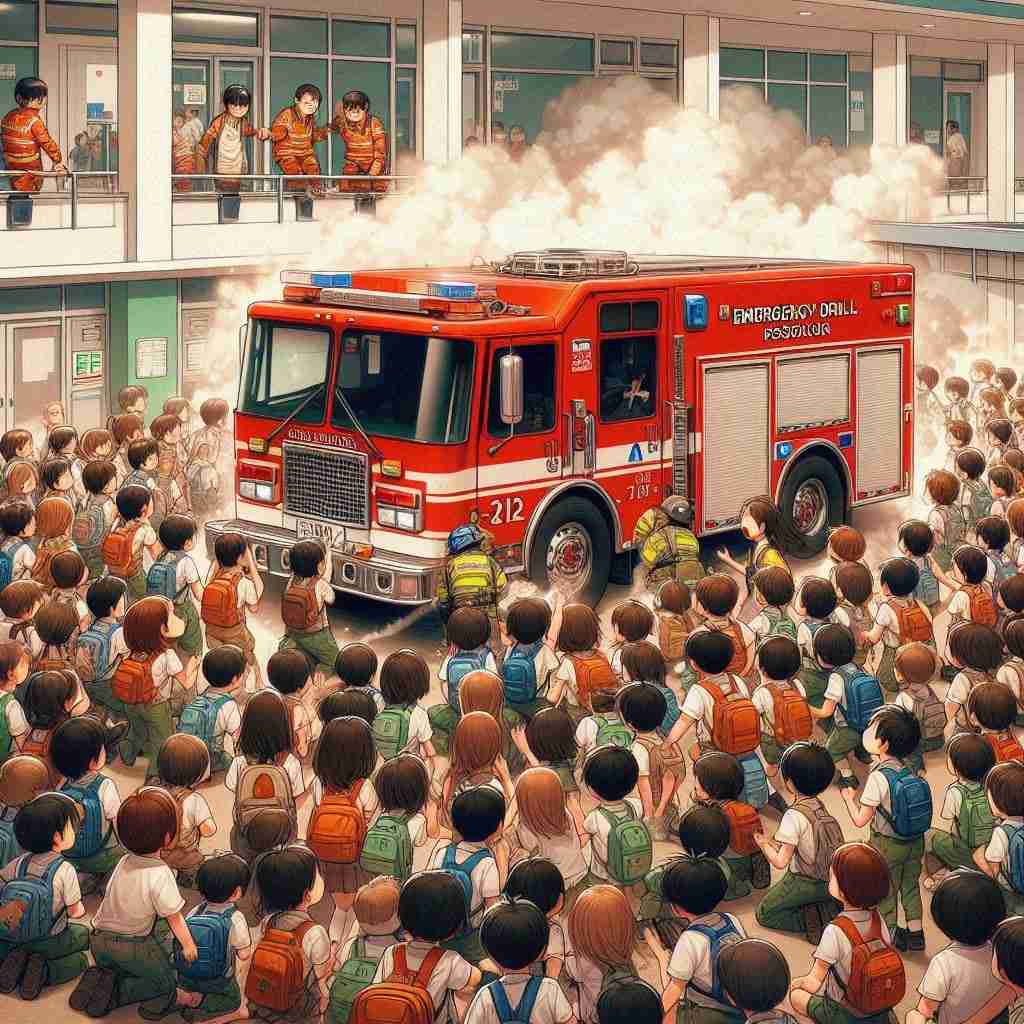
We conduct regular School Disaster Drills for various emergency scenarios. These drills are designed to simulate real-life situations in a safe and controlled environment, helping students respond instinctively and appropriately.
- Workshops with Experts
From firefighters to health professionals, we invite experts to host Safety Education Programs. These sessions not only give students direct access to credible information but also allow them to ask questions and learn through interactive demonstrations.
- Integrating Preparedness into Curriculum
We don’t treat disaster management as a one-off activity. Instead, it’s woven into subjects like science, geography, and even value education. This way, students understand the “why” behind every safety measure, not just the “how.”
- Age-Appropriate Learning
We tailor our Emergency Management for Schools programmes according to different age groups. While younger students focus more on evacuation games and story-based learning, older students participate in scenario-based discussions and first-aid training.
Creating a Culture of Safety and Awareness in Schools
For us, safety is not just a checklist; it’s a culture. And building that culture takes time, consistency, and community involvement. Here’s how we do it:
- Visual Aids Everywhere: From illustrated exit maps to posters on “Do’s and Don’ts during a fire”, our walls speak the language of preparedness.
- Student Safety Ambassadors: We’ve introduced a unique programme where senior students take on leadership roles during drills and act as peer guides.
- Parent Involvement: Parents are our partners in safety. We conduct orientation sessions to ensure they’re aligned with our emergency plans and can reinforce these practices at home.
By embedding Student Awareness and Resilience into daily school life, we aim to build not just safe individuals, but a safe community.
Real-Life Applications: Stories of Prepared Students
Let us share a few stories that truly warmed our hearts and reaffirmed our efforts.
The Earthquake Drill That Made a Difference
Last year, after conducting a mock earthquake drill, a few of our students happened to be at home when a mild tremor occurred. Thanks to what they had learnt, they knew exactly where to take cover and how to keep calm — and they even guided their family members on what to do. That’s the power of practical learning.
Fire Safety Awareness at Its Best
During a minor kitchen fire at one of our inter-school events, it was one of our student volunteers who quickly unplugged an appliance and alerted the teachers, preventing a bigger incident. She’d learnt it all during a fire safety workshop just weeks before.
Stories like these make us realise that Resilience Education truly works. It’s not just about preparedness; it’s about empowerment.
Conclusion: Building a Safer and More Resilient Student Community
As educators, we’re not just shaping the minds of tomorrow — we’re also shaping future leaders, first responders, and changemakers. Through consistent efforts in Crisis Management in Schools, we at Bethany are building a community where safety, awareness, and resilience come naturally to our students.
Emergencies may be inevitable, but being unprepared doesn’t have to be. With the right knowledge, the right mindset, and the right training, we can all rise above any challenge. At Bethany High, we’re proud to be leading the way.
FAQs
What does disaster preparedness involve for students?
It involves teaching students how to identify, respond to, and recover from emergencies through drills, awareness sessions, and hands-on training.
How does Bethany train students to handle emergencies?
Through regular drills, expert-led workshops, curriculum integration, and peer-led safety initiatives.
Why is resilience education important in schools?
It helps students manage fear, recover from stressful situations, and develop lifelong skills that go beyond the classroom.
What are the key elements of an emergency preparedness plan?
Clear roles, evacuation routes, communication channels, first-aid knowledge, and regular practice.
Does Bethany conduct drills for disaster training?
Yes, we regularly conduct both drills as part of our comprehensive safety education programme.
Whether you’re a parent looking for the best ICSE schools in Bangalore, or simply someone interested in how schools can prioritise safety and preparedness — we invite you to visit us and see our approach in action. Because at Bethany, we don’t just teach. We prepare.