

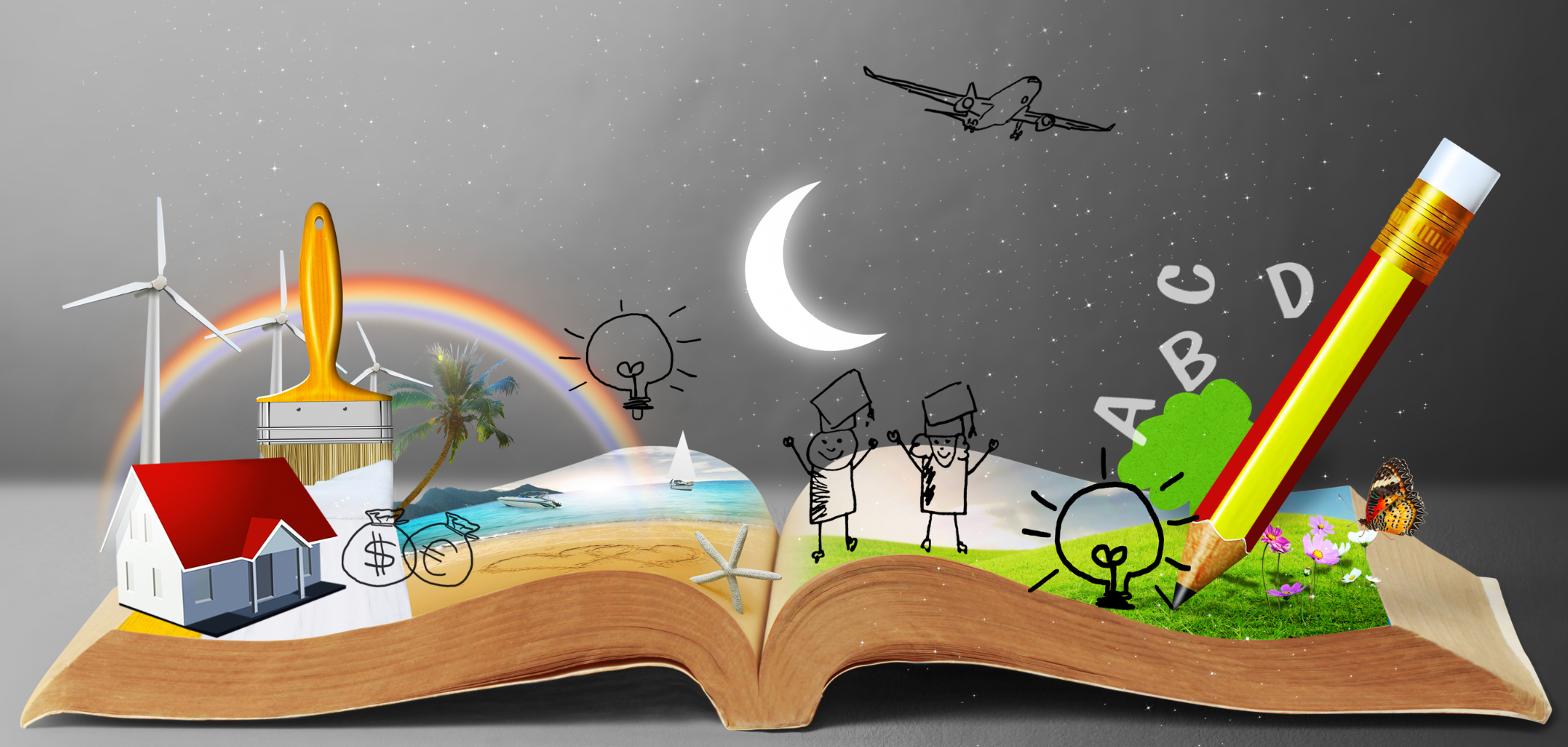
In an age dominated by screens and instant gratification, reading books holds a unique and indispensable place in education and personal development. Books are more than just repositories of knowledge; they are gateways to imagination, empathy, and critical thinking. Whether it’s a child reading their first storybook or an adult diving into a classic novel, the act of reading goes beyond mere entertainment—it shapes minds and broadens horizons.
Books play a crucial role in nurturing focus and patience, qualities that are often overshadowed by the rapid pace of modern digital consumption. They provide readers with the opportunity to slow down, reflect, and engage deeply with ideas. For children especially, reading lays the foundation for strong cognitive skills, better communication, and emotional intelligence.
The Power of Books in a Digital Age
With technology dominating our lives, the art of reading books has taken a backseat. However, books remain one of the most effective ways to inspire creativity, develop empathy, and encourage deep thinking. Unlike digital content, which often demands instant gratification, reading allows for introspection and a deeper connection to ideas, characters, and cultures.
By encouraging children to pick up a book, we give them the tools to imagine, explore, and question. In a world filled with fleeting digital interactions, books provide the stability and focus that young minds need to grow and learn.
The Benefits of Reading Books
Books offer an array of benefits that contribute to personal and intellectual growth. Some of the most impactful advantages are as follows.
1. Enhancing Vocabulary and Communication Skills
Reading exposes readers to new words, phrases, and expressions. A well-read individual is more articulate and confident in expressing their thoughts, both in writing and speech.
2. Improving Concentration and Focus
Unlike scrolling through social media, reading a book demands sustained attention. This practice improves the ability to concentrate, a skill crucial for academic and professional success.
3. Boosting Emotional Intelligence
Through relatable characters and emotional narratives, books help readers understand and empathise with diverse experiences. This heightened emotional awareness fosters better relationships and decision-making.
4. Encouraging Analytical Thinking
Books, particularly those with complex plots or intricate arguments, challenge readers to think critically, draw inferences, and solve problems. These skills are crucial in real-world scenarios.
5. Providing Stress Relief
Reading has been proven to reduce stress and promote relaxation. By immersing oneself in a good book one can enjoy a mental escape from daily pressures and worries.
6. Creativity and Imagination
Whether it’s a fantastical tale or a historical account, books ignite creativity and encourage readers to imagine scenarios, characters, and outcomes beyond their reality. This helps readers develop problem-solving skills, empathy, and emotional intelligence while offering stress relief and a deeper understanding of diverse perspectives.
How Books Broaden Our Perspectives
One of the most profound impacts of reading is its ability to expand a reader’s worldview. Here’s how books open up new perspectives:
1. Exploring Diverse Cultures and Traditions
Reading books written by authors from various backgrounds introduces readers to diverse cultures, traditions, and lifestyles. This helps readers to broaden their perspectives while breaking down stereotypes and building bridges of understanding.
2. Challenging Preconceived Notions
Non-fiction books, especially those on history, politics, or science, can debunk myths and challenge entrenched beliefs. They encourage readers to question and reevaluate their perspectives.
3. Developing Empathy Through Fiction
By stepping into the shoes of a character, readers experience emotions, conflicts, and triumphs that they might never encounter in their lives. This ability to “live another life” promotes empathy and compassion.
4. Inspiring Change and Growth
Biographies and self-help books often recount stories of perseverance, innovation, and success. These stories can motivate readers to overcome challenges and pursue their goals with renewed vigour.
5. Encouraging Critical Thinking About the World
Books often present multiple perspectives on a single issue, prompting readers to weigh arguments and form independent opinions. This practice is essential in navigating today’s complex and polarised world.
The Role of Fiction and Non-Fiction in Shaping Worldviews
Both fiction and non-fiction books play significant roles in shaping a child’s perspective:
- Fiction: Stories filled with characters, adventures, and emotions create an emotional connection with readers. They allow children to dream, imagine, and empathise. For instance, fantasy books might teach problem-solving through magical quests, while contemporary stories address relatable challenges like friendship and identity.
- Non-Fiction: These books provide factual insights into the world, sparking curiosity and a thirst for knowledge. Biographies of scientists, explorers, or historical figures teach children the value of perseverance, innovation, and integrity.
Reading as an Escape from Digital Overload
Books offer a haven from the constant barrage of digital media. Unlike scrolling through short, attention-grabbing content on social media, reading requires focus and immersion. This focus helps children:
- Build concentration and patience.
- Disconnect from overstimulation caused by digital devices.
- Experience calmness and relaxation, reducing stress levels.
When children develop the habit of reading, they learn to enjoy quiet moments, which are essential for mental well-being and personal growth.
Why Books Are Vital for Personal Growth
Books contribute to personal development in several meaningful ways:
- Enhancing Emotional Intelligence: By reading about diverse characters and their struggles, children learn to navigate their own emotions and understand others better.
- Encouraging Self-Reflection: Books often inspire readers to think about their own values, dreams, and goals.
- Boosting Confidence: Achieving milestones like finishing a book or learning something new from its pages can significantly enhance a child’s self-esteem.
Encouraging a Reading Culture at Home and School
Creating a reading culture is a shared responsibility between parents, educators, and the community. Here are some practical ways to foster a love for books among children:
- Lead by Example: Children are more likely to develop reading habits if they see adults around them enjoying books.
- Create a Reading Space: A cosy nook at home or a dedicated library corner at school can make reading feel special.
- Encourage Book Discussions: Discussing books helps children articulate their thoughts and appreciate different interpretations.
- Make Reading Interactive: Activities like dramatising stories, writing or narrating alternate endings, or drawing scenes from a book make reading fun and engaging.
Inspiring Students Through Diverse Genres
Introducing children to various genres of literature opens doors to a world of discovery, enabling them to explore their interests, develop new skills, and find passions they might not have realized. Each genre brings unique lessons, perspectives, and entertainment that enrich young minds.
- Mystery Novels:
Mystery novels not only entertain but also challenge readers to think critically and solve problems. They encourage logical reasoning, pattern recognition, and attention to detail. For instance, children reading detective stories might learn to evaluate evidence, identify clues, and draw conclusions—skills that are transferable to academics and real-life problem-solving. - Science Fiction:
Science fiction inspires curiosity and a sense of wonder about the world and beyond. It encourages young readers to explore possibilities in technology, space exploration, and futuristic societies. By imagining advanced technologies or alien worlds, students can expand their creative thinking and gain a better appreciation of scientific concepts, making this genre a great tool for sparking interest in STEM fields. - Historical Fiction:
Historical novels breathe life into history by weaving personal stories into larger historical contexts. They allow readers to step into the shoes of people from different times, experiencing events, cultures, and challenges in a relatable way. This genre fosters empathy, enhances cultural awareness, and makes learning history more engaging and memorable than traditional textbooks. - Memoirs and Biographies:
Reading about real-life experiences and achievements can motivate and inspire children. Memoirs and biographies offer valuable life lessons, teach resilience, and highlight the importance of perseverance. By learning about the challenges and triumphs of notable figures, students can discover role models who inspire them to dream big and work toward their goals. - Fantasy:
Fantasy books transport readers to magical worlds, unlocking their imagination and creative thinking. This genre fosters a sense of wonder, encourages innovative thinking, and teaches moral lessons through allegory. Characters in fantasy novels often face challenges that require bravery, teamwork, and problem-solving, helping readers build these traits in themselves. - Poetry:
Poetry introduces readers to the beauty and power of language. It encourages self-expression, emotional understanding, and a deeper connection to feelings and ideas. Through rhythm, metaphor, and imagery, students learn to appreciate nuance and develop a richer vocabulary.
By exposing students to a variety of genres, educators and parents can nurture well-rounded, curious individuals with diverse interests and skills. Each genre not only entertains but also contributes to the development of essential life skills, creativity, and a lifelong love of reading.
Conclusion: Embracing Books for a Better Future
In a rapidly digitising world, books remain a cornerstone of education and personal growth. They offer young minds the tools to think critically, empathise with others, and explore limitless possibilities. By nurturing a love for reading, we equip children with the skills to navigate the complexities of life with an open mind and a compassionate heart. Books are not just tools for education—they are companions that guide us through the complexities of life. They encourage us to think deeply, feel intensely, and act thoughtfully. In a digital age where fleeting content often takes precedence, the timeless value of books becomes even more critical.
At Bethany High, we believe in the transformative power of books and encourage our students to make reading a lifelong habit. Our libraries are equipped with books to stimulate their imagination and develop literary skills. The Primary Department also has a reading class incorporated into the timetable to encourage the love for reading. By embracing books, we can help children develop the skills, empathy, and imagination they need to navigate the world with confidence and understanding. Let’s turn the page to a brighter, more informed future—one book at a time.
FAQs
- How do books help broaden our perspectives?
Books expose us to diverse ideas, cultures, and experiences, encouraging empathy and understanding of different viewpoints. - What are the benefits of reading fiction versus non-fiction?
Fiction enhances imagination and emotional intelligence, while non-fiction provides factual insights and practical knowledge. - How does reading affect personal growth?
Reading builds confidence, fosters empathy, and encourages self-reflection, helping individuals grow emotionally and intellectually. - Why does cultivating reading matter in the early stages?
Early reading habits lay the foundation for lifelong learning, critical thinking, and creativity.