

Introduction
Sports have always played a significant role in shaping young minds, providing more than just an outlet for physical activity. The impact of sports on students extends beyond fitness; it helps in building team spirit, developing discipline, and fostering essential life skills. In a school environment, sports not only enhance physical health but also help students grow socially and emotionally. Here, we’ll explore the benefits of sports for students and why it is so important for their holistic development.
Building Team Spirit Through Sports
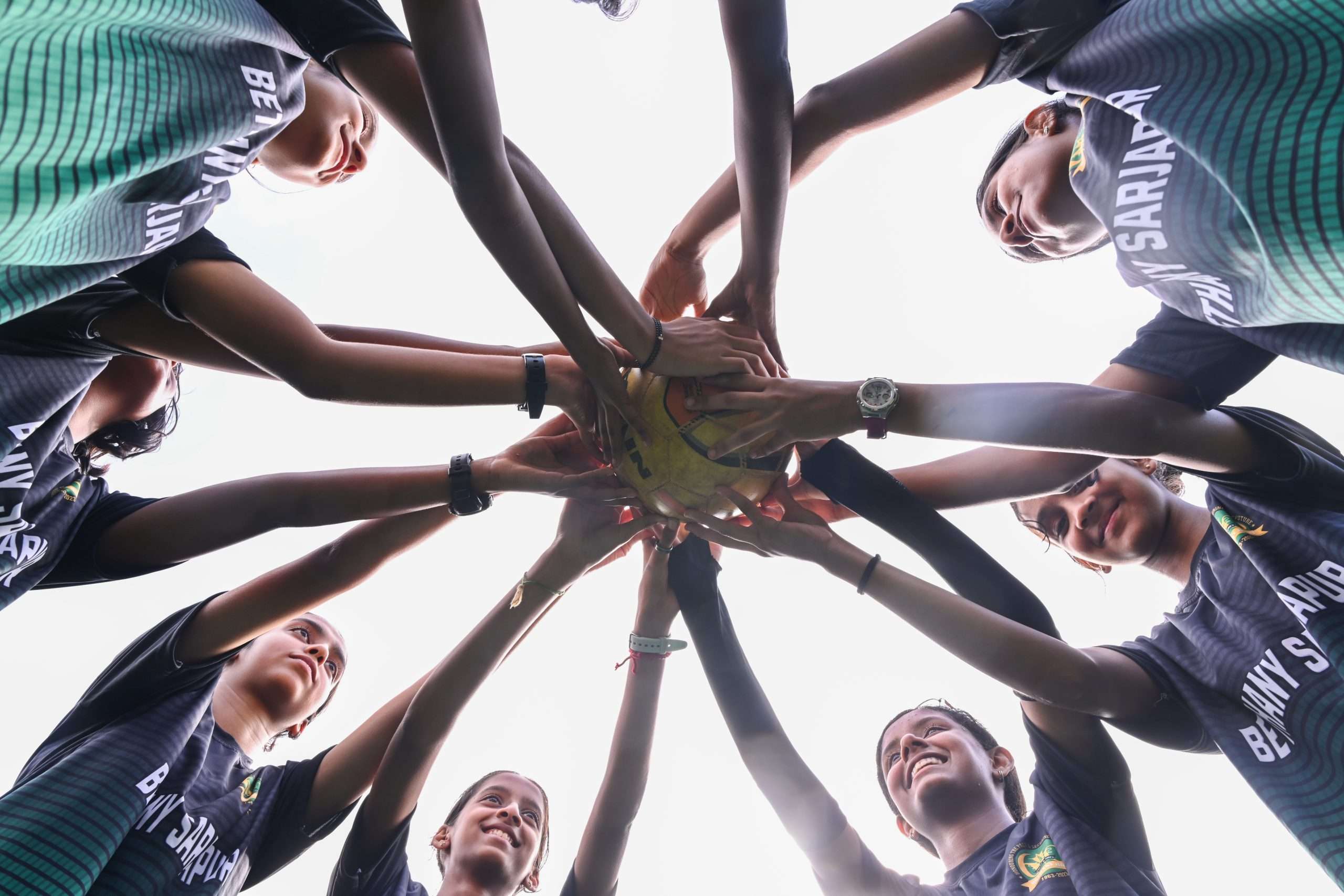
Team spirit is one of the key qualities fostered through sports participation. When students play in teams, they learn to collaborate, support each other, and work toward a common goal. Whether it’s cricket, football, basketball, or even relay races, team sports instil a sense of unity, cooperation, and camaraderie. Students realise that success depends on collective effort rather than individual performance, and this understanding helps them value and respect each team member’s role.
Working as part of a team not only enhances communication skills but also encourages empathy and understanding. Students learn to celebrate victories together and cope with losses gracefully, all of which contribute to fostering sportsmanship in school.
Connection Between Sports and Discipline
Discipline is a crucial aspect of every sport. The importance of sports in education lies in the structure, routine, and rules it brings to a child’s life. From following the coach’s instructions to adhering to the rules of the game, students learn the value of discipline and self-regulation.
Participation in sports encourages time management, as students need to balance their practice sessions, school work, and personal time effectively. Waking up early for practice, maintaining consistency in training, and making time for studies help students build a disciplined lifestyle.
Moreover, sports teach students to be resilient and committed, as they must overcome challenges, injuries, and sometimes even failure. This resilience learned on the field is reflected in other areas of their lives, making them more determined and focused individuals.
Key Benefits of Sports Participation for Students
There are numerous benefits of sports for students, which include:
- Physical Health and Fitness: Regular sports activities promote physical well-being. Students improve their endurance, strength, and flexibility, leading to a healthier lifestyle and better overall health.
- Improved Academic Performance: Research suggests that active participation in sports can have a positive impact on academic performance. Engaging in sports helps improve concentration, mental sharpness, and memory, which contributes to better results in school.
- Emotional and Social Growth: Playing sports helps students develop emotional resilience. They learn how to deal with pressure, accept feedback constructively, and handle both wins and losses gracefully. Socially, sports help students make new friends, develop a sense of belonging, and enhance their interpersonal skills.
- Leadership and Responsibility: Sports often provide opportunities for leadership. Being a team captain or taking up responsibilities within the team encourages leadership qualities, accountability, and decision-making skills.
- Building Confidence and Self-esteem: Success in sports boosts students’ confidence and self-esteem. Achieving goals, improving skills, and being part of a team help students believe in themselves and their abilities.
Role of Coaches and Teachers in Nurturing Team Spirit and Discipline
Coaches and teachers play a pivotal role in promoting the importance of sports and discipline among students. They serve as mentors, guiding students not just in perfecting their athletic skills but also in building character, discipline, and teamwork. A good coach can encourage students to challenge themselves, inspire confidence, and teach valuable life lessons on and off the field.
Teachers, too, contribute by encouraging student participation in extracurricular activities like sports, recognizing their achievements, and supporting their growth as well-rounded individuals.
Role of Parents in Supporting Sports Participation
Parents are essential partners in nurturing a child’s love for sports. Encouraging children to participate in physical activities, attending their matches, and celebrating their efforts—regardless of the outcome—reinforce the importance of sports in students’ lives. When parents support their children’s interests in sports, it motivates the children to stay committed and gives them the confidence to pursue their passion.
Parents can also help foster discipline by maintaining a healthy routine at home and ensuring that there is a balance between sports, academics, and leisure.
Conclusion
The benefits of sports and games go far beyond physical fitness—they play an integral role in shaping well-rounded individuals. Sports help build team spirit, teach discipline, improve focus, and promote both social and emotional development. Schools have a crucial role in integrating sports into the curriculum, and with the support of teachers, coaches, and parents, students can reap the many rewards of participating in sports.
Incorporating sports into daily life encourages young learners to develop life skills that will serve them well beyond their school years, laying the foundation for a healthy, disciplined, and active lifestyle.
FAQs
What role do sports play in child development?
Sports contribute significantly to child development by improving physical fitness, boosting confidence, developing teamwork, and teaching discipline and leadership skills.
Why is team spirit important in school sports?
Team spirit is crucial as it teaches students to work together towards a common goal, build trust among teammates, and develop social and communication skills.
How can regular sports participation help inculcate discipline?
Regular sports participation promotes discipline by encouraging adherence to routines, rules, and the importance of practice, consistency, and respect for others.
What are the benefits of sports for students?
The benefits include enhanced physical fitness, improved academic performance, emotional resilience, social skills development, leadership qualities, and increased self-esteem.
Can individual sports also help in building discipline?
Yes, individual sports such as swimming, tennis, and gymnastics also teach discipline, focus, and self-motivation as students must push themselves to achieve personal goals.
Visit Bethany High’s website for more insightful articles and tips on supporting your child’s development.