

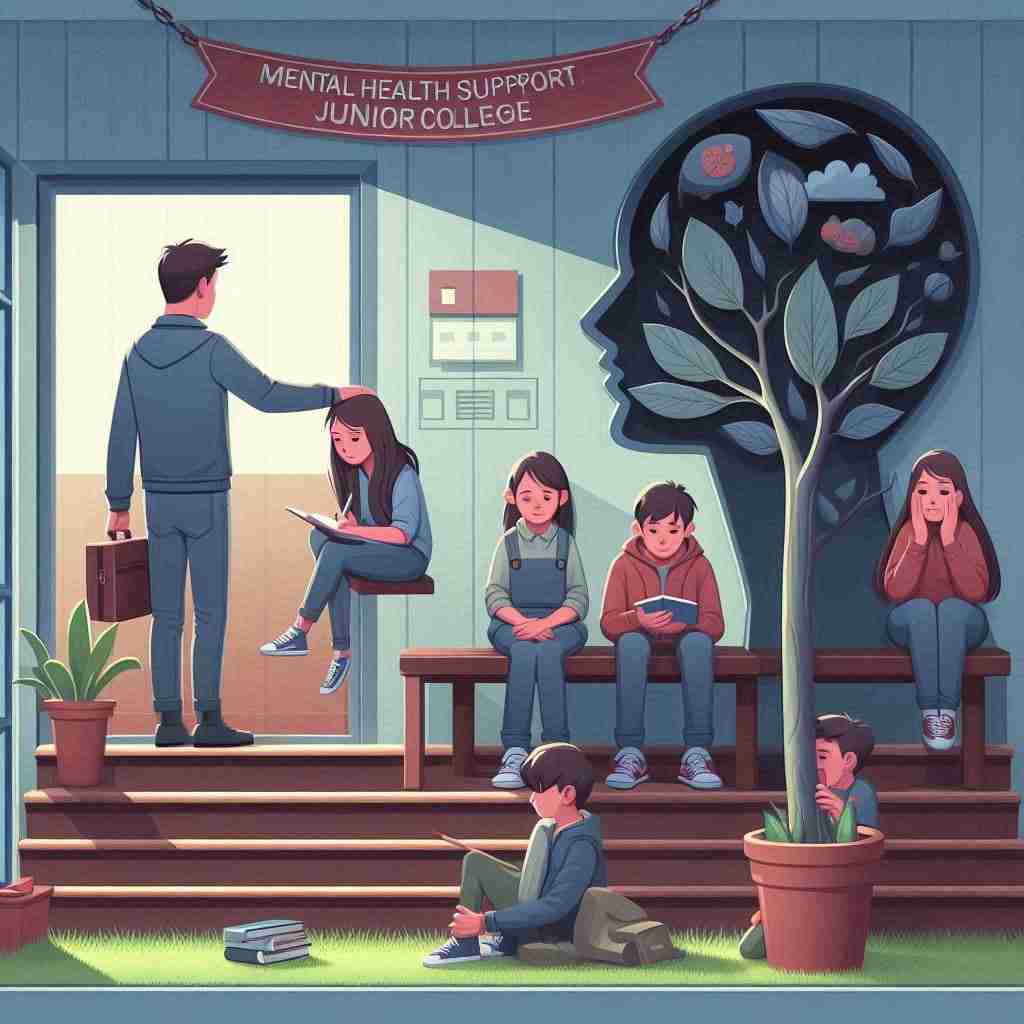
Mental health is an essential aspect of a student’s well-being, yet it often does not receive the attention it deserves in educational institutions. As junior college students navigate academic expectations, career decisions, and social pressures, they are highly susceptible to stress and anxiety. Without adequate support, these challenges can affect their academic performance, relationships, and overall emotional well-being.
Why Mental Health Awareness Matters
- Early Detection of Issues – Recognising symptoms early allows for timely intervention.
- Reducing Stigma – Open conversations help eliminate the fear of judgement.
- Encouraging Help-Seeking Behaviour – Students feel empowered to seek support.
- Building Emotional Resilience – Awareness equips students to handle stress effectively.
- Promoting Healthy Coping Strategies – Encourages mindfulness, exercise, and positive communication.
- Creating a Supportive Environment – It fosters empathy among students and teachers.
- Enhancing Academic Performance – Emotional well-being improves focus and learning.
At Bethany High we believe that prioritising mental health in junior colleges is just as important as academic success. In this article, we will explore why mental health support is crucial in junior colleges, the impact of academic pressure on students, and how schools can nurture an environment where students feel safe, supported, and empowered.
The Growing Mental Health Crisis in Education
In recent years, mental health concerns among students have been on the rise. Research indicates that issues such as anxiety, depression, and burnout are becoming increasingly common among teenagers and young adults. Several factors contribute to this:
- Academic pressure: The intense competition for college admissions and career prospects can lead to stress and self-doubt.
- Social expectations: The desire to fit in, maintain friendships, and manage peer relationships can cause emotional strain.
- Digital overload: Excessive screen time and social media exposure can impact self-esteem and mental focus.
- Lack of coping strategies: Many students struggle to manage stress effectively, leading to emotional exhaustion.
If these issues are not addressed early, they can have long-term consequences on a student’s mental and emotional health.
The Impact of Academic Pressure on Mental Health
Junior college is often seen as a stepping stone to higher education and career opportunities, making academic performance a top priority. However, the pressure to excel can sometimes lead to:
- Increased stress levels: Students may feel overwhelmed by the volume of coursework, exams, and assignments.
- Lack of sleep: Late-night study sessions and tight deadlines can contribute to sleep deprivation, affecting concentration and productivity.
- Reduced self-confidence: Fear of failure or not meeting expectations can lead to self-doubt and anxiety.
- Social withdrawal: Some students isolate themselves to cope with stress, which can negatively impact their emotional well-being.
It is essential for schools and colleges to recognise these signs and offer appropriate mental health support to help students maintain a balance between academics and emotional well-being.
Why Junior College Students Need Emotional Support
The transition from high school to junior college can be overwhelming. Students experience increased independence but also greater responsibility. At this stage, they need emotional support to:
- Manage stress and anxiety: Encouraging mindfulness and stress management techniques can help students cope with daily pressures.
- Develop resilience: Facing challenges and setbacks is a part of life, and emotional support helps students build the confidence to overcome obstacles.
- Encourage open communication: Creating a safe space where students feel comfortable discussing their struggles can prevent issues from escalating.
- Promote a positive mindset: Mental health support enables students to stay motivated and focused on their goals.
By prioritising emotional well-being, junior colleges can ensure that students thrive academically while maintaining a healthy state of mind.
The Role of Mental Health Support in Academic Success
Mental health and academic performance are closely linked. When students are mentally and emotionally stable, they are more likely to:
- Stay engaged in learning and participate actively in class discussions.
- Retain information better, improving their ability to grasp complex concepts.
- Perform well in assessments due to reduced stress and anxiety.
- Develop problem-solving skills by thinking critically rather than reacting emotionally.
Providing access to mental health resources in junior colleges can significantly improve students’ overall academic success and future career prospects.
Developing Mental Health Programmes in Junior Colleges
To effectively support students, junior colleges must implement structured mental health programmes. Some key strategies include:
- On-campus Counselling Services – Having trained counsellors available for one-on-one sessions can provide students with a confidential space to discuss their concerns.
- Mental Health Awareness Campaigns – Organising workshops and seminars to educate students about stress management, emotional resilience, and coping strategies.
- Student Support Groups – Encouraging peer-led support groups where students can share their experiences and seek guidance from their peers.
- Mindfulness and Relaxation Techniques – Introducing activities such as yoga, meditation, and deep-breathing exercises to help students manage anxiety.
- Work-Life Balance Strategies – Teaching students how to manage their time effectively and maintain a balance between academics and personal life.
By integrating these initiatives, schools can create a supportive environment that prioritises mental well-being alongside academic growth.
Breaking the Stigma Around Mental Health in Schools
One of the biggest challenges in providing mental health support is the stigma associated with seeking help. Many students hesitate to talk about their struggles due to fear of judgement. Schools must take proactive steps to break this stigma by:
- Encouraging open conversations about mental health in classrooms.
- Normalising seeking help by highlighting success stories of students who have benefited from counselling.
- Training teachers and staff to identify early signs of mental health concerns and provide necessary guidance.
- Promoting inclusivity and acceptance, ensuring that every student feels valued and supported.
Creating a culture of empathy and understanding can make a significant difference in how students perceive and approach mental health challenges.
The Long-Term Benefits of Prioritising Mental Health
Prioritising mental health support in junior colleges not only helps students in the present but also prepares them for the future. The skills they develop in managing stress, seeking help, and maintaining emotional resilience will serve them throughout their lives.
The long-term benefits include:
- Improved overall well-being – Students with strong mental health foundations are more likely to lead balanced and fulfilling lives.
- Better career readiness – Emotional intelligence and stress management are valuable skills in professional environments.
- Healthier relationships – Understanding emotions and communication enhances personal and professional relationships.
- Increased productivity – A mentally healthy individual can focus better and perform efficiently in all aspects of life.
By investing in mental health programmes today, junior colleges can shape confident, well-adjusted individuals ready to take on the challenges of the future.
Conclusion
Mental health should never be treated as an afterthought in education. As junior college students face increasing academic and social pressures, providing adequate mental health support is essential for their well-being and success. Schools must adopt proactive strategies, offer professional guidance, and promote an environment where students feel safe to express themselves.
At Bethany High, we believe that mental well-being is just as important as academic achievement. By prioritising mental health support in junior colleges, we can empower students to lead happier, healthier, and more successful lives.
FAQs
- Why is mental health support important in junior colleges?
Mental health support helps students cope with stress, improves academic performance, and enhances overall well-being. - What kind of mental health services should junior colleges provide?
Services should include counselling, peer support groups, mindfulness activities, and mental health awareness programmes. - How does mental health affect academic performance?
Good mental health enhances concentration, problem-solving skills, and emotional resilience, leading to better academic outcomes. - How can schools reduce the stigma around mental health?
Schools can promote open discussions, train teachers, and normalise seeking professional help to create a stigma-free environment.
Explore how Bethany High, one of the leading Junior Colleges in Bangalore, supports student well-being and academic success through its holistic approach to education.
The Bethany High Counselling Department
At Bethany High, we prioritise the emotional, social, and academic well-being of our students. Our Counselling Department, with six dedicated counsellors, provides personalised support to help students navigate academic stress, personal challenges, and social interactions.
Our Key Services
- Emotional and Personal Support: Safe spaces for students to discuss stress, anxiety, or emotional concerns with trained professionals.
- Social and Behavioural Skills: Guidance on communication, conflict resolution, and relationship-building through workshops and sessions.
- Academic Support: Assistance with time management, study strategies, and overcoming learning difficulties.
- Community Resources: Connecting students to external mental health and educational support services when needed.
- Confidentiality and Trust: Ensuring students feel safe and supported without fear of judgment.
- Parent & Teacher Collaboration: Orientation and training sessions to enhance awareness and create a supportive learning environment.
We encourage students, parents, and teachers to utilise these resources and ensure a fulfilling educational journey. Our team of counselors is always here to help!
For more information visit https://old.bethanyinstitutions.edu.in/counselling-department-bethany/