

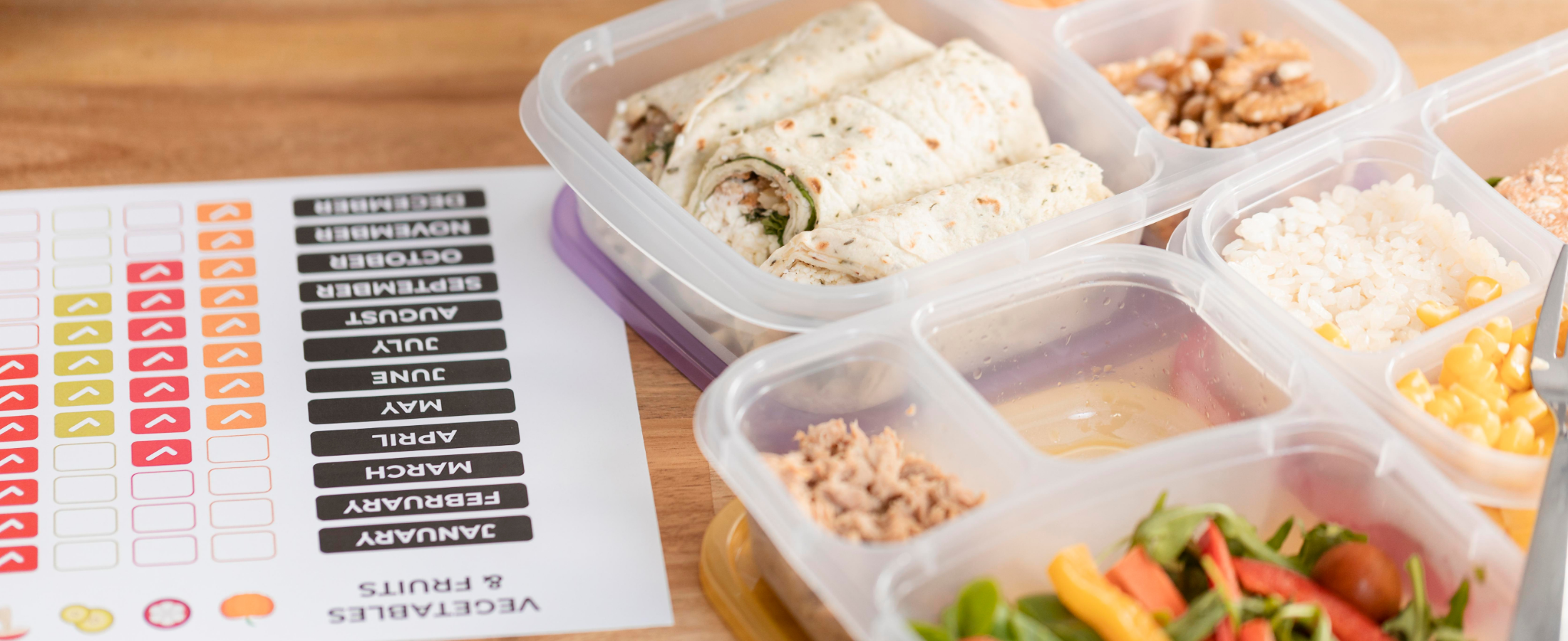
When it comes to packing a school lunch, ensuring it is both nutritious and appealing can be a challenge. At Bethany High, we believe in providing our students with meals that not only fuel their bodies but also support their growth, learning, and overall well-being. In this article, we will share practical tips for planning a healthy school lunch. These tips will help in balancing all the essential nutrients, keeping children energised throughout the day, and encouraging healthy eating habits. We’ll also suggest some healthy Indian foods, including those commonly enjoyed in the southern regions, that are great additions to a child’s lunchbox.
Why Does a Healthy School Lunch Matter?
A healthy school lunch is an essential part of a child’s day that supports their academic performance, energy levels, and mood. Children who eat balanced and nutritious meals are more likely to stay focused, participate actively in class, and perform better in their studies. Providing children with the right nutrients helps improve concentration, cognitive function, and overall behaviour, setting the stage for success both inside and outside the classroom.
The Nutritional Essentials for a Balanced School Lunch
Creating a balanced school lunch involves including all the necessary food groups such as fruits, vegetables, whole grains, proteins, and dairy. This ensures that children receive a variety of nutrients that help their bodies grow and function properly. Here are some Indian and locally inspired options to make lunch boxes more diverse and healthy:
Fruits and Vegetables
Aim to fill half of the lunchbox with colourful fruits and vegetables. Fresh, whole fruits like apples, bananas, pomegranates, and guavas are excellent options. For vegetables, consider choices like cucumber, carrot sticks, steamed broccoli, or sautéed green beans. Indian dishes like vegetable pulao, bhindi sabzi (okra curry), or aloo gobi (potato and cauliflower curry) are great ways to include veggies in a child’s lunch. You can also add regional favourites like kosambari (a salad made with lentils, coconut, and raw veggies) or palya (stir-fried vegetables) for a burst of flavour and nutrition. Including a variety of colours ensures a mix of vitamins, minerals, and antioxidants.
Whole Grains for Lasting Energy
Whole grains provide sustained energy, which is crucial for a long school day. Incorporate whole wheat chapatis, multigrain parathas, brown rice, akki rotti (rice flour flatbread), or ragi mudde (finger millet balls) or into the lunchbox. Unlike refined grains, which can cause blood sugar spikes, whole grains have a gentler effect on blood sugar and insulin levels, helping children stay full and focused for longer periods. Dishes like masala dosa (stuffed rice and lentil crepe) or puliogare (tamarind rice) are also popular options in southern regions that make for a nutritious lunch.
Healthy Proteins
Include a portion of healthy proteins such as lentils, kadle kaalu (Bengal gram), hurali kaalu (horse gram), chana (chickpeas), rajma (kidney beans), eggs, lean poultry, fish, or plant-based proteins like tofu, paneer, and nuts. Proteins are vital for muscle development and repair, and they help keep children satisfied throughout the school day. Regional favourites like soppina saaru (a lentil and greens curry) or bisi bele bath (a mix of rice, lentils, and vegetables) are both tasty and balanced. Dishes like dal (lentil curry), egg curry, or paneer bhurji (scrambled paneer) are also great options.
Dairy for Strong Bones
Adding a source of dairy like unflavoured milk, plain yogurt, or paneer provides essential calcium and vitamin D for strong bones and teeth. Options such as lassi (yogurt drink), buttermilk, or a small piece of cheese are good additions to a lunchbox. A traditional favourite like curd rice is not only delicious but also cooling, making it a great option for warmer days. For children who do not consume dairy, consider consulting a doctor about calcium and vitamin D supplements.
Healthy Fats
Include healthy fats from sources like nuts, seeds, avocados, and oils such as olive oil, mustard oil, or ghee (clarified butter) in moderation. Healthy fats are essential for brain development and function, as well as for overall health. Dishes like vegetable upma cooked in a bit of ghee or avocado roti rolls can add healthy fats to the diet. Avoid trans fats and limit saturated fats from red meats and butter.
Engage Your Kids in Making Healthy Food Choices
Involving children in the process of planning and preparing their lunches can encourage them to make healthier food choices. Ask them to pick their favourite fruits, choose new vegetables to try, or help in assembling their lunchbox. This not only makes them more likely to eat what is packed but also educates them about the importance of healthy eating.
Creative and Nutritious Lunch Ideas for Kids
Packing a healthy lunch doesn’t have to be boring or repetitive. Here are some healthy lunch ideas for kids that are both nutritious and fun, including Indian options:
- Whole Wheat Wraps and Parathas- Use whole wheat wraps or stuffed parathas filled with lean proteins, fresh veggies, and healthy spreads like hummus or avocado. Try fillings like paneer, spinach, or chickpeas.
- Rice and Lentil Combinations- Dishes like bisi bele bath, a one-pot wholesome dish made from rice, lentils, and a variety of vegetables, offering a delightful combination of taste and nutrition, khichdi (a mix of rice and lentils), or lemon rice with peas and carrots are wholesome and filling.
- Mini Veggie Uttapams or Idlis- These South Indian dishes made from fermented batter are nutritious and easy to eat. Add finely chopped vegetables to enhance the nutritional value.
- Fruit and Nut Boxes- Create a snack box with a mix of fresh fruits, nuts, seeds, and whole-grain crackers.
- Home-made Energy Bars or Laddus- Prepare energy bars or dry fruit laddus at home with oats, nuts, seeds, honey, and dried fruits.
What Not to Put in Healthier School Lunches
While planning a healthy lunch, it’s equally important to know what to avoid:
- Sugary Drinks: Replace sugary sodas and juices with water or unsweetened lassi. Too much sugar can lead to energy crashes and affect concentration.
- Processed Snacks: Avoid chips, packaged cookies, and processed foods that are high in salt, sugar, and unhealthy fats.
- Refined Grains: Skip white bread, white rice, and other refined grains that cause rapid spikes and drops in blood sugar levels.
Smart Snack Choices for a Healthier School Day
Alongside a healthy lunch, smart snacks can keep kids energised throughout the day. Opt for snacks like whole fruits, veggie sticks with dip, roasted makhana (fox nuts), masala chana (spiced chickpeas), yogurt, and whole grain crackers with cheese or peanut butter. These options provide essential nutrients without the added sugars and unhealthy fats found in many packaged snacks.
Conclusion
Planning a healthy school lunch doesn’t have to be a daunting task. By including a variety of fresh fruits, vegetables, whole grains, proteins, and dairy, and by avoiding sugary and processed foods, we can ensure that our children receive the nutrients they need to thrive. At Bethany High, we are committed to helping our students develop healthy eating habits that support their growth, learning, and overall well-being.
Encouraging children to make healthy choices, involving them in meal planning, and getting creative with lunch ideas can make school lunches both nutritious and exciting. Pack their lunchboxes with love and care, ensuring they start the day full of energy and enthusiasm!
FAQs
What to eat for lunch?
A balanced lunch should include fruits, vegetables, whole grains, lean proteins, and healthy fats to provide all essential nutrients.
Which tiffin box is good for health?
Choose tiffin boxes made from stainless steel or BPA-free plastic to ensure food safety and maintain the freshness of the food.
How to make a healthy lunch for school?
Include a mix of fruits, vegetables, whole grains, proteins, and a small portion of dairy. Avoid processed snacks and sugary drinks.
What is a healthy and balanced diet for a school lunch?
A balanced diet includes a variety of fruits, vegetables, whole grains, lean proteins, and healthy fats to support a child’s growth and development.
How to pack a nutritious lunch?
Plan ahead, include all the food groups, use fresh ingredients, and get creative with the presentation to make it appealing and nutritious.
Discover more helpful tips and resources to support your child’s growth and learning journey. Visit our website and explore how we at Bethany High are committed to supporting the development of confident, healthy, and thriving students!