

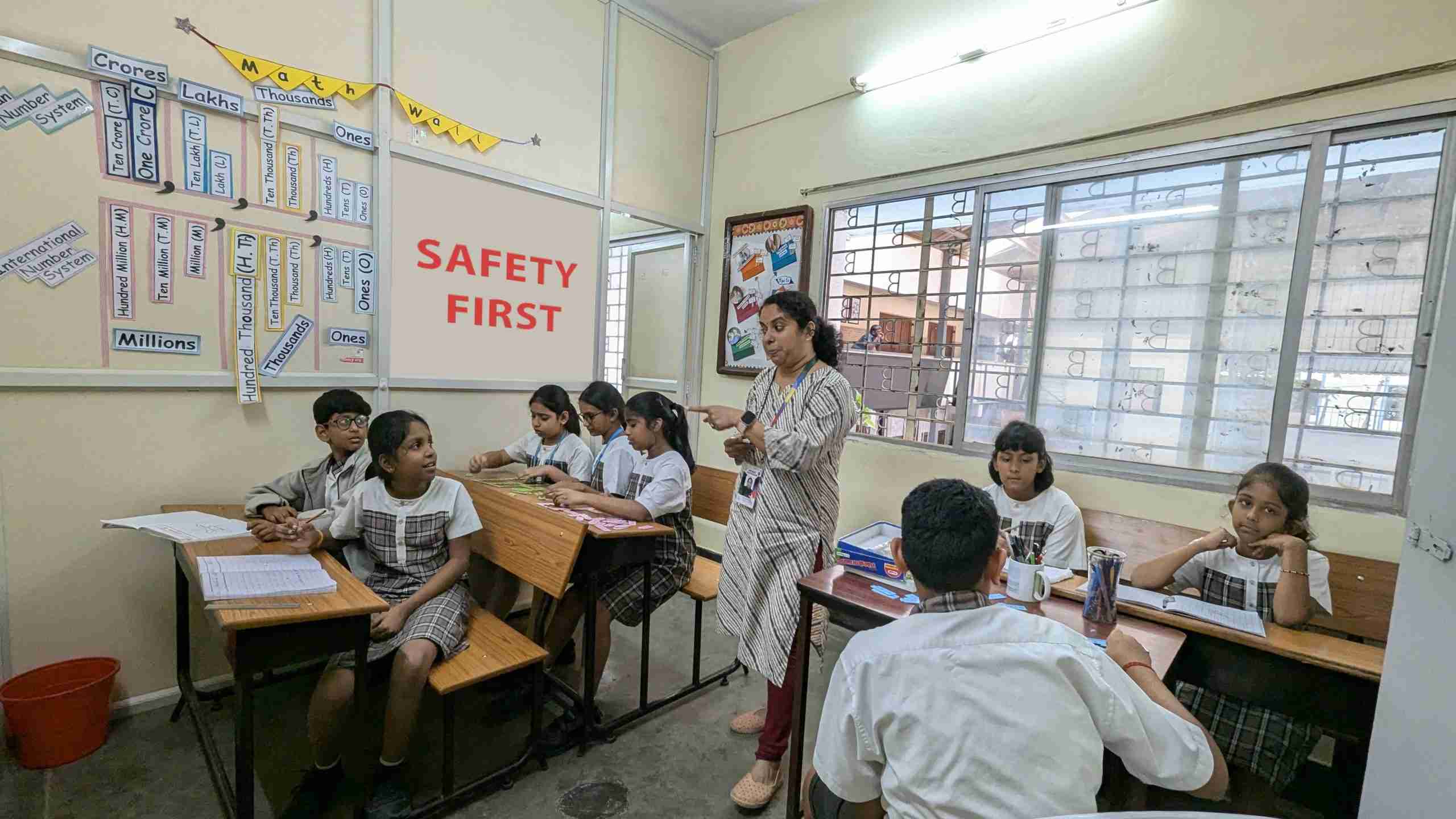
Teaching personal safety and awareness is crucial for every child’s growth and development. It ensures that children can navigate their environment securely, build confidence, and be more aware of their surroundings. This kind of education is all about empowering kids with the knowledge and skills they need to stay safe and handle difficult situations confidently.
What is Personal Safety?
Personal safety refers to the practice of ensuring that children know how to protect themselves from harm, understand safe behaviors, and know how to respond in different situations. Personal safety education empowers children to make better decisions, stay away from danger, and seek help when needed. It goes beyond just safety tips; it’s about building a mindset of self-awareness, confidence, and independence.
Basic Safety Rules Every Child Should Know
Here are some fundamental safety rules to teach children from an early age:
- Know Your Name, Number, and Address– One of the first and most important rules is for children to know their full name, a parent’s contact number, and their home address. In case of an emergency, this information can help them seek help quickly. It’s also a good idea to teach them an alternative contact, like that of a grandparent or close family friend.
- Do Not Eat Anything Given By A Stranger– Explain to your child that it’s not safe to accept food or treats from strangers without your permission. Teach them to politely refuse and walk away if someone they don’t know offers them anything to eat.
- Do Not Climb Fences or Walk Out Alone– For their safety, children should be aware not to climb over fences to retrieve objects or wander off from familiar areas, such as their home or schoolyard. If they need something, they should seek help from a trusted adult.
- No Playing or Experimenting with Fire- Teach children the dangers of fire and ensure they understand that they should never play with matches, lighters, or other fire sources. Supervision and clear boundaries around fire safety are essential.
- Never Go Anywhere with a Stranger– Discuss scenarios where a stranger might ask a child to accompany them and reinforce that they should never go anywhere with someone they don’t know, even if they claim to know you. Always make it clear that you would send a known family member in case of any emergency.
- Understanding Safe and Unsafe Touches– It’s essential to teach children about their body boundaries. Talk about what safe touches are, such as a hug from family, and unsafe touches that make them feel uncomfortable. Let them know that they should shout for help if anyone touches them inappropriately.
- If You Get Lost, Stay Where You Are- If a child gets lost, they should know to stay in one place. Encourage them to approach another mother with children or go to the nearest counter in a public place to ask for help.
- Do Not Share Personal Information with Strangers– Explain to children the risks of sharing their phone number, home address, email ID, or photographs with people they do not know. It’s important that children share such information only with your permission.
- Trust Your Instincts – If Uncomfortable, Don’t Do It- Children need to be empowered to say no to anything that makes them uncomfortable, regardless of peer pressure. Whether it’s swimming without proper attire or engaging in activities they don’t like, they should know it’s okay to refuse.
Home Safety Guidelines
Children should learn how to stay safe at home as well. Teach them not to answer the door to strangers, avoid using the stove or sharp objects without adult supervision, and never share that they are home alone over the phone or online.
Kinds of Touches That Children Need to Be Aware Of
Helping children understand safe and unsafe touches is critical for their safety. Talk openly about the concept of ‘good touch’ and ‘bad touch.’ Let them know that it’s always okay to say “no” to an uncomfortable touch and that they should report any such incidents immediately.
Road Safety Tips for Kids
Road safety rules for children are essential for their everyday lives, especially if they walk or cycle to school. Teach them to:
- Look both ways before crossing the road.
- Use pedestrian crossings or footpaths.
- Wear a helmet when riding a bicycle.
- Never run across the road without checking for vehicles.
Preparing Kids for Emergency Situations
Equip children with the knowledge of what to do during emergencies. Teach them how to dial emergency numbers like police, ambulance, or fire department. Make sure they know the important details to share, such as their name, location, and type of emergency.
Conclusion
Personal safety education for kids is about empowering them to be confident, secure, and aware of their surroundings. It’s vital to introduce these concepts early on so they become a natural part of a child’s life. Keep the lines of communication open, encourage your child to share their experiences, and use age-appropriate language to discuss safety rules. Remember, these lessons on safety are not just rules but are the foundations for making them responsible and aware individuals as they grow up.
FAQs
What age should I start teaching my child about personal safety?
You can start teaching basic safety concepts to children as early as three years old, adapting the content as they grow.
What should I tell my child about interacting with strangers?
Teach them not to accept food, gifts, or invitations from strangers and to always inform a trusted adult if approached.
Should I teach my child basic first aid, and if so, how?
Yes, teaching basic first aid like cleaning a cut or dialing an emergency number is helpful. Use simple instructions and practice regularly.
How can I teach my child to cross the road safely?
Practice crossing roads together, emphasizing looking both ways, using pedestrian crossings, and staying alert.
How can I teach my child to dial emergency numbers correctly?
Make sure they know how to use a phone, the emergency numbers, and the important details to provide, such as their location and the nature of the emergency.
Keeping our children safe is a shared responsibility, and together we can ensure a secure environment for their growth and development. For more tips on personal safety for children, explore our resources at Bethany High.