
“The greatest enemy of knowledge is not ignorance; it is the illusion of knowledge.”
– Stephen Hawking
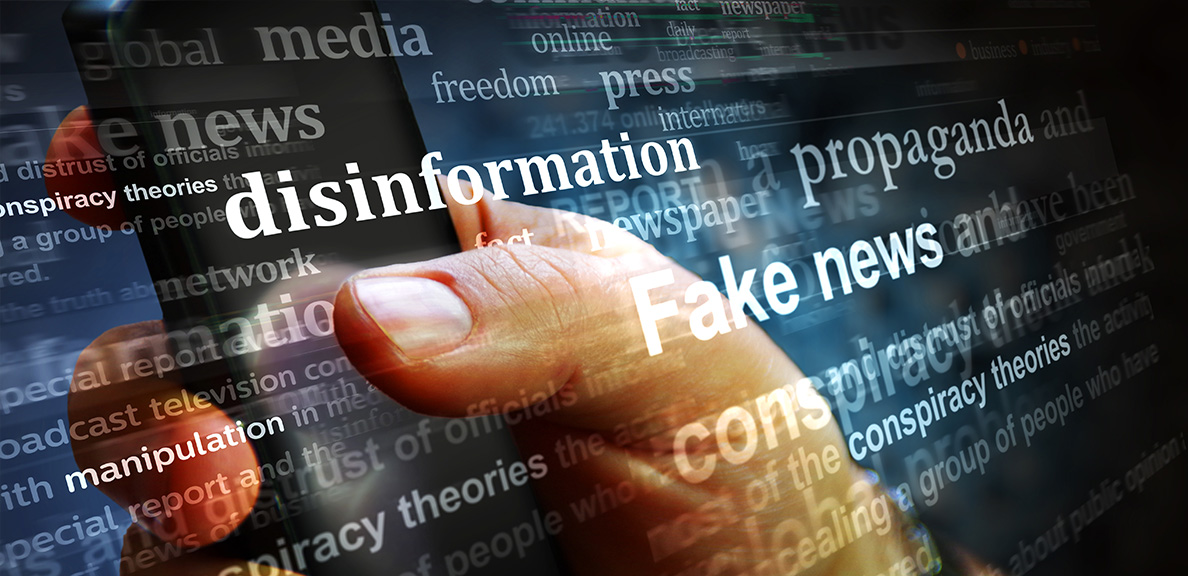
Today, young people aren’t starving for information. They are drowning in it.
Think about it. Every day, a student scrolling through Instagram, WhatsApp, or YouTube takes in more information than someone living 100 years ago encountered in their entire lifetime! One quick swipe and they’re flooded with opinions, breaking news, viral trends, and endless forwarded messages.
While it’s amazing to have so much information at our fingertips to empower our younger generations, there is a big problem: not all of it is true or is exaggerated.
In fact, according to a Microsoft survey, more than half (64%) of Indian internet users have encountered fake news online. Even scarier, a UNICEF report points out that children and teens are especially vulnerable to believing misinformation online.
Here at Bethany Institutions, we believe it’s time to act. Schools must act as the first line of defence against misinformation.
Because honestly, if education isn’t helping our kids think critically, verify information, and question what they read and hear, then we aren’t truly educating them.
The Misinformation Crisis and Its Impact
Misinformation in India has surged to alarming levels, especially through social media, which now generates 77% of all misinformation. Plus, nearly 80% of India’s first-time voters say they have been bombarded with fake news on social media, with over one-third acknowledging that misinformation has directly influenced them.
In other words, misinformation isn’t just annoying; it’s potentially dangerous. It can create unnecessary fear, lead to poor decisions, and even cause harm in communities.
For instance, in Kannur, Kerala, misinformation about the measles-rubella vaccine caused vaccination rates to drop drastically to about 20%. It took a concerted and extensive awareness drive in schools and communities to dispel the myths and raise the rate to around 70%. Misinformation, quite literally, can become a matter of life and death.
But that’s not all.
In the digital playground where our children spend hours every day, truth and misinformation often wear the same clothes. Every piece of information looks polished, credible, and convincing, making it harder for young minds to differentiate between what is fact and what is fiction.
That’s why it’s essential to address this issue of misinformation proactively. In such an environment, we believe schools must step beyond traditional education and actively teach students to critically evaluate and question the information they consume.
Now that artificial intelligence has become so pervasive in our lives, the problem of misinformation has reached new heights. AI tools can now generate fake news articles, realistic images, deepfake videos, and even synthetic voices that are nearly impossible to distinguish from real ones.
A UNESCO report raises serious concerns that AI could even be used to sow doubts about historical facts such as the Holocaust, either by accident or with malicious intent. Moreover, a BBC study found that popular AI chatbots like ChatGPT, Gemini, Copilot, and Perplexity frequently produce inaccurate or distorted news summaries.
While these technologies hold incredible potential, they also make it easier than ever to spread false or misleading information on a wide scale. For young people growing up in an AI-driven world, learning how to spot digitally manipulated content and question even the most convincing media is not just a useful skill. It’s essential for responsible citizenship and digital literacy in today’s world.
Why Schools Are Uniquely Positioned to Lead the Fight Against Misinformation
Trust is a rare currency today. But inside classrooms, it still thrives.
Students inherently believe what they are taught at school. They trust their teachers, mentors, and school systems. This positions schools uniquely to intervene early and:
- Teach students how to critically evaluate information.
- Equip them to verify facts before believing or sharing.
- Instil a lifelong habit of questioning sources and intentions.
By intentionally incorporating media literacy and digital awareness into school life, we can build resilient and informed young minds ready to face the complex world of misinformation with confidence.
Because the battle against misinformation won’t be won through more firewalls or fact-checking websites alone.
It will be won when every child learns to ask simple, powerful questions like:
“Is this really true?”
“Who created this information, and why?”
“Is this source reliable and reputable?”
“Can I verify this information independently?”
How Our School Helps Students Stand Strong Against Misinformation
At Bethany Institutions, beyond the day-to-day curriculum, we actively organise programmes and teach lessons to build our students’ digital discernment. Even our youngest learners are joining this mission.
On 12th February 2025, our Grade 3 students at Bethany High (Sarjapur) hosted a special assembly titled “Disconnect to Connect,” using songs and skits to urge everyone to put down their devices and spend quality time with family. It was heartwarming to see eight-year-olds reminding the adults in the room to unplug and be present with each other in an increasingly digital world.
Likewise, in December 2024, our middle and high schoolers led an “E Warriors” assembly on online safety and responsible digital behaviour. These young “digital warriors” put on skits about cyberbullying, privacy, and the allure of clickbait to show how easily misinformation spreads and how we can fight it. By the end of the session, the students pledged to be more vigilant and kind online.
Students as Agents of Change Beyond the Classroom
Media literacy isn’t just something students leave behind when they step out of school. It travels home with them and spreads into their communities.
At Bethany, we’ve seen our students teaching their grandparents how to spot fake news or respectfully challenging family members who share questionable WhatsApp forwards.
In many families, our students are the unofficial tech experts, naturally positioned to guide older family members who spend more time watching TV or scrolling through WhatsApp from misinformation.
And we are not alone in recognising this dynamic. In Kerala, a district-wide initiative called Satyameva Jayate trained high schoolers across 150 schools to spot fake news online. These students became trusted community ambassadors, successfully encouraging scepticism toward rumours.
This example highlights a principle we hold dear: when students become agents of change, they can bridge the generational gap and help inoculate entire families against misinformation.
Building a Future Where Truth Prevails
In an age where misinformation can spread faster than facts, the responsibility on educational institutions has never been greater.
We cannot leave the battle for truth to journalists, policymakers, or technology companies alone. It must begin much earlier—in our schools and classrooms.
By teaching students how to think critically, ask tough questions, and courageously stand for truth, we empower them to navigate the digital world with wisdom and confidence. Those skills, instilled at a young age, will serve them and society for a lifetime.
Imagine a world where misinformation struggles to find a foothold because our young people are too informed, too curious, and too critical to fall for it. That’s a future worth building, and schools are the perfect place to start.
As Nelson Mandela so powerfully reminded us:
“Education is the most powerful weapon which you can use to change the world.”