

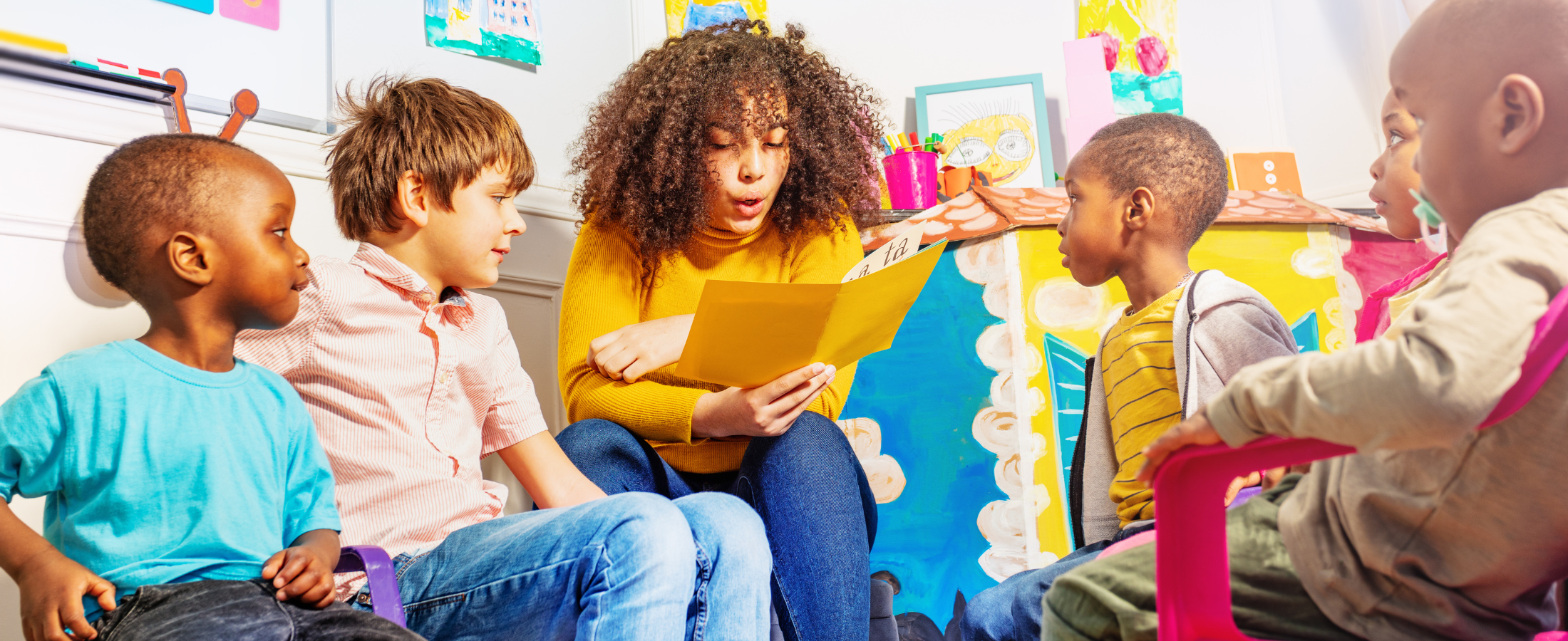
Storytelling is a timeless art that has captivated audiences of all ages. At its core, storytelling is not just about entertainment; it is a powerful tool for child development. It has the ability to ignite imagination, promote empathy, and enhance critical thinking. In this article, we will explore how storytelling shapes young minds and why it matters in early childhood education.
Why Storytelling Matters in Early Childhood?
From the moment children are born, they begin to make sense of the world around them. Storytelling provides a framework for understanding experiences, emotions, and relationships. When we share stories with children, we offer them a chance to connect with others, reflect on their feelings, and explore various scenarios in a safe environment. This connection is vital for emotional and social development, which in turn help children learn to navigate their own experiences.
The Role of Storytelling in Emotional and Social Development
Stories allow children to explore complex emotions and situations. Through characters’ journeys, children learn to empathise with others, recognising feelings like joy, sadness, and fear. This emotional connection helps them develop important social skills, such as cooperation and conflict resolution. When children see characters face challenges and overcome them, they gain insights into their own lives, learning valuable lessons about resilience and compassion.
Boosting Creativity and Imagination
One of the most significant benefits of storytelling is its ability to boost creativity and imagination. When children listen to stories, they create vivid mental images, which enhances their creative thinking. This imaginative play is crucial for cognitive development, allowing children to think outside the box and explore new ideas. Encouraging kids to create their own stories further nurtures this creativity, giving them the freedom to express themselves in unique ways.
Benefits of Storytelling for Young Minds
The benefits of storytelling for children are numerous:
Enhanced Language Skills: Listening to stories helps children expand their vocabulary and understand sentence structure. It also improves their listening skills, which are essential for effective communication.
Cognitive Skills Development: Stories engage children’s brains, promoting memory retention and comprehension. They learn to follow narratives, make predictions, and draw conclusions, all of which contribute to critical thinking.
Cultural Heritage: Storytelling often passes down cultural values and traditions, helping children understand their roots and the world around them. This knowledge cultivates respect and appreciation for diverse backgrounds.
Choosing the Right Stories for Your Child
When selecting stories for your child, consider their interests, age, and developmental stage. Here are some of the factors to look at while choosing stories for your child-
- Age-Appropriate Content: Choose stories that match your child’s age and maturity level. Younger children may enjoy simple tales with repetitive phrases, while older kids can handle more complex narratives.
- Diverse Themes: Look for stories that introduce various themes, such as friendship, bravery, and kindness. This diversity helps children understand different aspects of life and encourages moral education.
- Interactive Elements: Stories that encourage participation, such as asking questions or allowing children to predict outcomes can enhance engagement and make the experience more enjoyable.
The Impact of Storytelling on Language Development
Storytelling plays a crucial role in language acquisition. Children learn new words and phrases as they listen to stories, helping them articulate their thoughts more effectively. When they narrate their own stories, they practice structuring sentences and expressing their ideas, further developing their language skills.
Practical Tips for Busy Parents
As busy parents, incorporating storytelling into your daily routine can be simple. Here are a few ideas:
- Read Aloud Daily: Set aside time each day to read to your child.You can share with them small events of your day to help them understand what you did in a particular situation. This could be during bedtime or any quiet time during the day. Children love to listen to their parents’ stories especially if a story is narrated with varied facial expressions and sound effects.
- Encourage Story Creation: Invite your child to create their own stories. You can prompt them with a character or a setting to spark their imagination. Give them a theme and let their imagination take flight.
- Use Everyday Moments: Turn everyday experiences into stories. Whether it’s a trip to the grocery store or a visit to the park, narrate these experiences as stories to help your child relate and reflect.
- Engage with Multimedia: Use audiobooks or storytelling apps to introduce new stories and formats, making storytelling accessible in various forms.
Conclusion
Storytelling goes beyond mere entertainment; it plays a crucial role in shaping a child’s development. By sharing stories, we can help children develop social skills, creativity, and nurture emotional intelligence. When we weave storytelling into everyday life, we equip children with the tools they need to understand themselves and others, helping them face the world with confidence and kindness. Practising this age-old practice not only enriches their experiences but also builds a solid foundation for their future growth and success.
Explore the transformative power of storytelling and its impact on child development. Visit our website to learn more about the tips and insights we share in our blog!
FAQs
What are the advantages of incorporating storytelling in early childhood education?
Storytelling enhances language skills, promotes social and emotional development, and promotes creativity, making it a vital tool in early education. As they move into higher grades, the stories form a platform for them to write better compositions and enhance their storytelling skills.
Can storytelling improve my child’s behaviour and moral values?
Yes, storytelling can teach valuable life lessons and ethical behaviour through the experiences of characters, helping children understand right from wrong.
How do I choose age-appropriate stories for my child?
Select stories that match your child’s interests and developmental level, ensuring the content is engaging and suitable for their age.
What types of stories are best for teaching life lessons to children?
Look for stories with strong moral themes, such as kindness, honesty, and friendship, as these lessons resonate with children and reinforce positive behaviour.
By harnessing the power of storytelling, we can nurture a generation of thoughtful, imaginative, and empathetic individuals. Explore more about how we support this development at our school!