

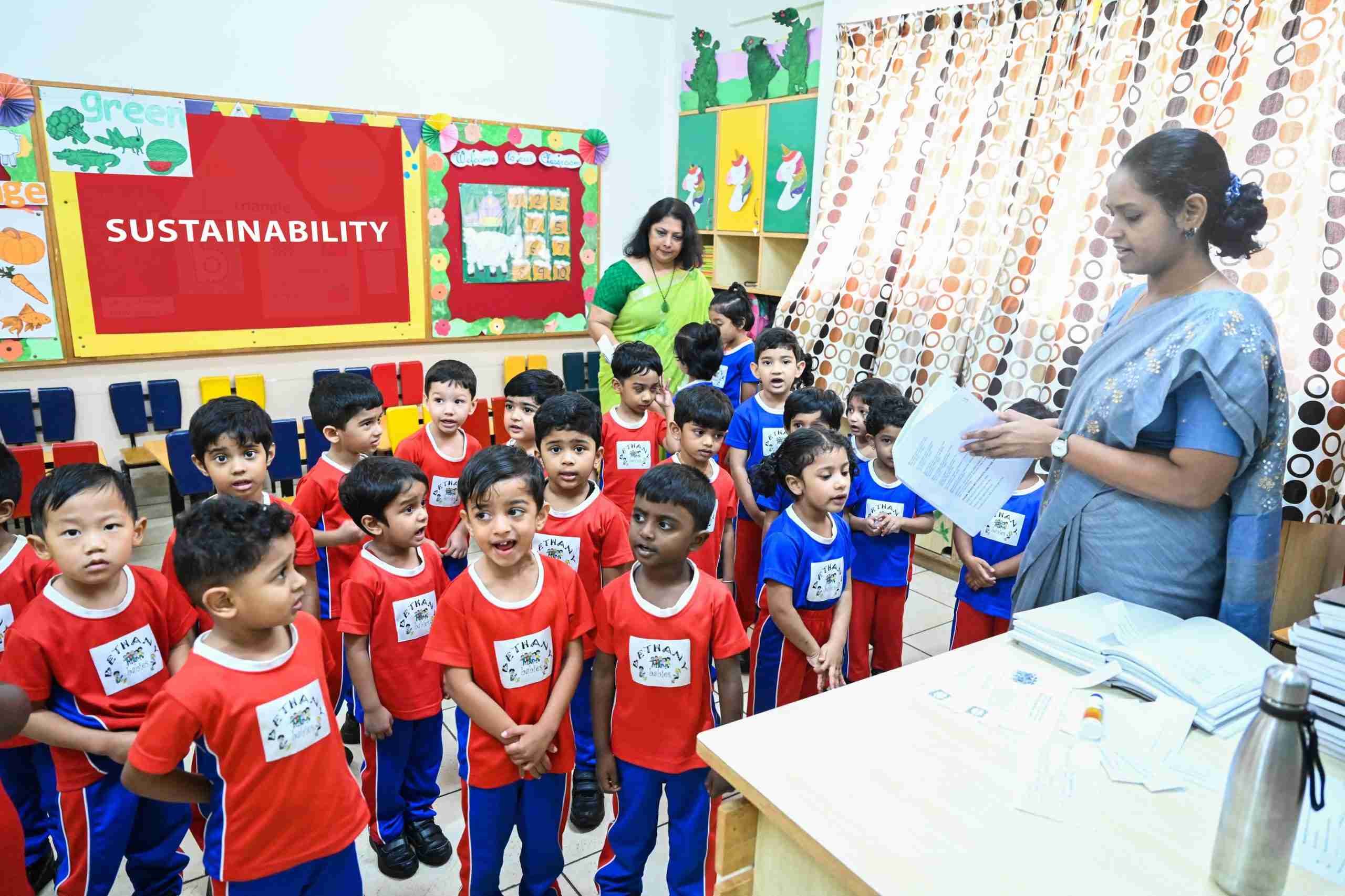
Sustainability is more than just a big word; it’s a way of life that helps ensure a better future for our planet and children. By instilling sustainable habits in kids from an early age, we are setting them on the path to becoming responsible citizens who care about the environment. But how do we make such an important concept easy and engaging for children? Through simple, everyday actions and practices, we can teach kids the importance of sustainability in ways they can understand and enjoy.
Understanding Sustainability: Simple Concepts for Kids
For children, sustainability can be described as the practice of using our natural resources wisely to make sure we don’t waste what the earth has to offer. It’s about making choices today that will not harm our environment for tomorrow. Teaching kids about sustainability involves helping them see how their actions impact the world around them, from the water they use to the waste they create.
Practical Ways to Involve Children in Sustainable Practices
The best way to teach children about sustainability is by involving them in everyday activities that promote environmental awareness. Here are a few simple steps you can take:
Set an Example
Children often mirror the actions of adults around them. By being a role model, practicing eco-friendly habits yourself, and explaining why they are important, you can encourage your child to develop these habits.
Engage in Daily Conversations
Talk to your kids about sustainability whenever the opportunity arises—be it while sorting waste, conserving water, or saving energy. You can discuss why we should turn off lights when not in use or why using a refillable water bottle is better for the environment.
Introduce the 3Rs: Reduce, Reuse, Recycle
One of the easiest ways to teach sustainability is by explaining the 3Rs: Reduce, Reuse, and Recycle. You can make a game by sorting recyclables, finding creative ways to reuse old items, or reducing waste by packing lunch in reusable containers.
Reduce, Reuse, Recycle: The 3Rs in Everyday Life
The 3Rs are foundational to understanding and practicing sustainability. They are also simple concepts that children can relate to:
- Reduce: Teach kids to reduce waste by using only what they need. Encourage them to turn off taps when brushing their teeth, use paper sparingly, and take smaller portions of food to avoid waste.
- Reuse: Inspire your child to find creative ways to reuse items instead of discarding them. Empty containers can become craft supplies, and old clothes can be repurposed for play.
- Recycle: Make recycling a fun activity by sorting waste into different bins for paper, plastic, and metal. Show kids how recycled items can be turned into new products, helping them see the bigger picture of conservation.
Eco-friendly Habits: Building a Sustainable Routine
Developing sustainable habits early on can have a lasting impact on a child’s lifestyle. Here are a few simple yet effective eco-friendly habits to include in their daily routine:
- Use a Reusable Water Bottle: Teach your child to carry a reusable water bottle, reducing the use of single-use plastic.
- Carry a Cloth Bag: Encourage the habit of using cloth bags for shopping instead of plastic bags.
- Plant-based Meals: Incorporate more plant-based meals into your family’s diet. This can be an exciting way to explore new recipes while discussing the environmental benefits of a plant-based diet.
Outdoor Activities to Promote Environmental Awareness
The outdoors provides a wonderful opportunity to help children connect with nature and learn about the environment firsthand such as
Gardening Together: Growing a Green Thumb
Gardening is an enjoyable activity that teaches children about the importance of plants and where our food comes from. You can start with something simple, like growing herbs in pots or planting flowers in your garden. Gardening also helps kids understand concepts like the water cycle, plant life cycles, and the role of bees and insects in pollination.
Nature Walks and Clean-up Drives
Going on nature walks or participating in clean-up drives can build a sense of responsibility and connection to the environment. During walks, talk about the plants, birds, and animals you see. Explain the importance of keeping our surroundings clean and encourage kids to pick up litter during community clean-up drives.
Teaching Sustainability Through Stories and Media
Books and media are powerful tools to engage children and help them understand complex concepts like sustainability:
Books and Stories with a Green Message
There are many children’s books that revolve around themes of nature, the environment, and sustainability. These stories can help children understand the concept of sustainability in a fun and engaging way.
Educational Videos and Apps
Children today are naturally inclined towards technology, so why not use it as a learning tool? There are numerous educational videos, documentaries, and apps dedicated to teaching sustainability, such as interactive games about recycling, water conservation, or learning about animals and their habitats.
Conclusion
Teaching children about sustainability doesn’t have to be complicated. By involving them in simple, everyday actions and making them fun, we can instill a sense of responsibility and care for the planet. Whether it’s gardening, practicing the 3Rs, or watching educational videos, every step counts in promoting a sustainable lifestyle. At Bethany High, we believe that sustainability is a key aspect of holistic education, and we aim to inspire our students to make positive choices for themselves and the environment.
For more tips on nurturing sustainable habits and other helpful guides, visit our blog at Bethany High. Together, let’s build a sustainable future for our children and our planet!
FAQs
What is sustainability, and why is it important for children?
Sustainability means using resources wisely so that we don’t harm our planet for future generations. Teaching children about sustainability is crucial as it encourages them to develop habits that are beneficial for the environment.
How early should I start teaching my child about sustainability?
You can start as early as two or three years old with simple concepts like turning off lights, using less water, or sorting waste.
What are some creative ways to reuse household items with kids?
You can turn cardboard boxes into craft projects, make planters from used cans, or use old clothes as cleaning rags.
How can I make energy-saving fun for my child?
Create a game to see who can save the most energy by turning off unused lights or electronics. Celebrate achievements with small rewards.
How does gardening help children learn about sustainability?
Gardening teaches children about growing food, conserving resources like water, and the importance of taking care of the earth.