

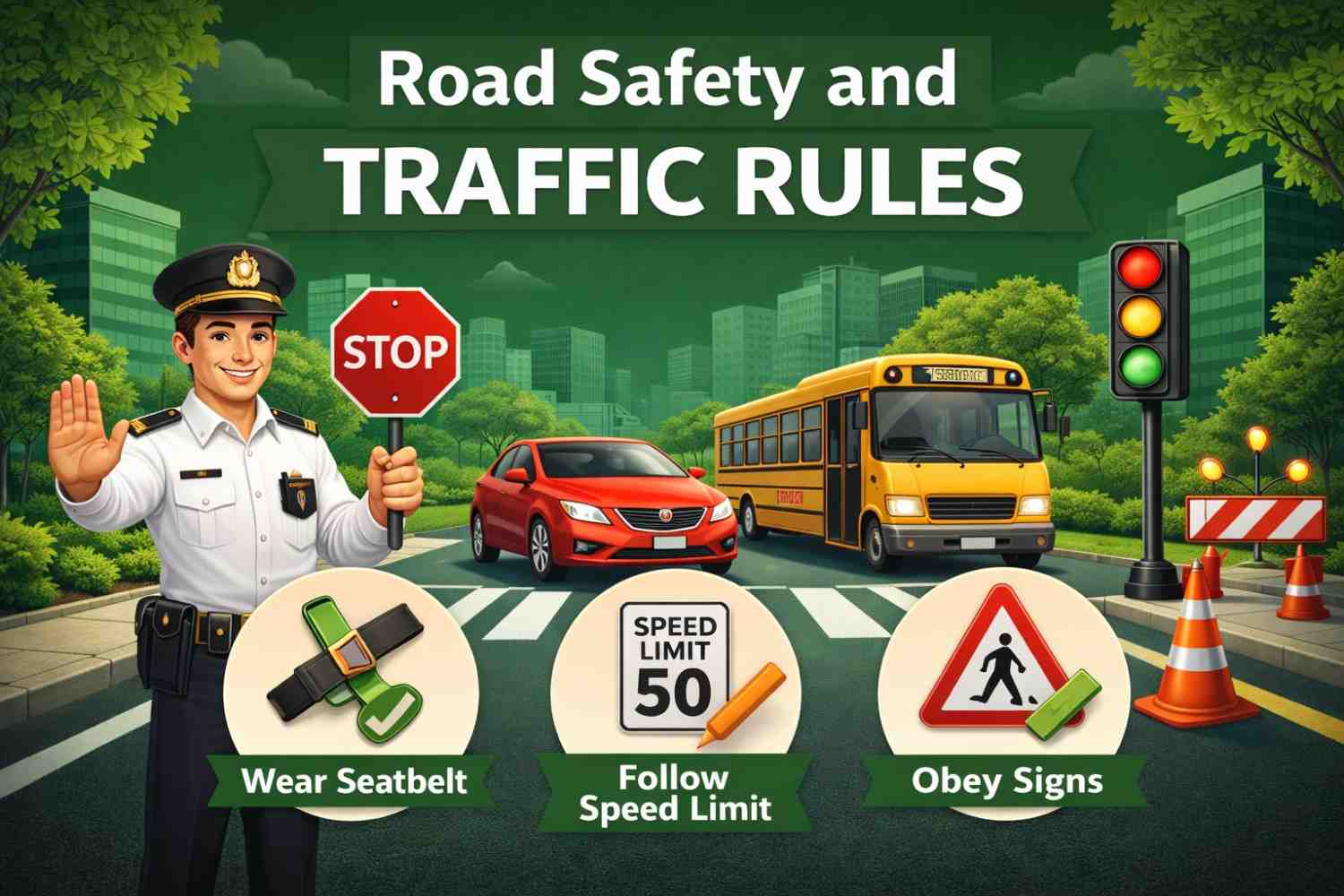
The Importance of Road Safety for Kids
Road safety is an essential life skill that every child must learn. Whether they’re walking to school, riding a bike, or playing outside, understanding the importance of road safety rules for students can make all the difference. At Bethany High, we believe in teaching children these important lessons early on so they grow into confident, independent, and responsible individuals.
In this blog, we’ll explore 15 vital road safety rules every child should know to stay safe and secure while navigating the streets.
Rule 1: Look Left, Right, and Left Again Before Crossing
One of the most basic and essential road safety rules for students is to always stop at the edge of the road look left, right and left again to check for oncoming traffic before crossing. This ensures that children are alert and aware of any vehicles, bikes, or cyclists approaching.
Rule 2: Use Pedestrian Crossings and Follow Traffic Lights
Children should always use designated pedestrian crossings, such as zebra crossings or traffic lights when crossing the road. Teaching them techniques like road safety when crossing the road such as when to follow the green man signal or wait for the red light will help them understand the importance of road safety signals from a young age.
Rule 3: Always Walk on the Sidewalk
Walking on the sidewalk or footpath, instead of the road, keeps children away from traffic. It is especially important in busy areas. Where sidewalks are unavailable, children should walk facing the traffic so they can see oncoming vehicles.
Rule 4: Hold Hands with an Adult When Crossing
For younger children, it’s essential that they always hold an adult’s hand when crossing busy roads or even quieter streets. This provides them with an extra layer of safety and reinforces the importance of being cautious.
Rule 5: Wear a Helmet When Riding a Bicycle or Scooter
Head injuries are common results of accidents involving bicycles or scooters. Therefore, children should always wear a properly fitted helmet when cycling or riding a scooter to protect themselves from potential head injuries.
Rule 6: Avoid Distractions While Crossing the Road
Children must learn to focus while crossing the road. This means no texting, listening to music with headphones, or playing games on mobile devices. Their attention should solely be on the road, ensuring they are fully aware of their surroundings.
Rule 7: Never Run Across the Road
Running across the road is dangerous as it increases the chance of tripping or misjudging oncoming traffic. Children should always walk briskly but carefully when crossing the road.
Rule 8: Be Extra Careful Near School Zones
School zones can be chaotic, with buses, cars, and children all in one place. Kids should be especially careful and watchful near school zones, waiting for vehicles to stop fully before crossing, and listening to school guards or adults on duty. Schools often conduct a road safety awareness programme at school to teach children how to behave responsibly in traffic-heavy areas.
Rule 9: Don’t Play Near Roads
It’s tempting for children to play near roads, but it can be extremely dangerous. Balls can roll into the street, or children may run into traffic without thinking. Safe play should always be in parks or playgrounds, away from the road. Teaching children road safety education will help them take precautions and prevent serious injuries.
Rule 10: Be Aware of Stranger Danger While on the Road
When on the road, children should be taught to be cautious of strangers. If approached, they should keep their distance and seek help from a trusted adult, such as a teacher or police officer, if they feel unsafe. Teachers can assign road safety education assignment to help students research and understand safety concepts better
Rule 11: Do Not Multitask While Crossing The Road
Crossing the road requires full attention. Whether it’s eating, using a phone, or even talking too much, children should avoid multitasking and remain focused on the task of safely crossing the road.
Rule 12: Stay Away from Moving Vehicles
Children should always stay clear of moving vehicles, particularly when near driveways, car parks, or at bus stops. Teaching them about mandatory traffic signs in India can also help them understand when vehicles must stop or slow down. They must wait until vehicles have completely stopped before they approach or move past them.
Rule 13: Be Aware of Weather Conditions
Weather conditions can affect visibility and road conditions. Whether it’s raining, foggy, or dark, children should be extra cautious, wear bright or reflective clothing, and walk carefully to avoid slipping or being unseen by drivers.
Rule 14: Don’t Distract the Driver
When travelling in a vehicle, children should be reminded not to distract the driver by shouting, throwing things, or making sudden loud noises. They must remain calm and follow safety rules inside the vehicle.
Rule 15: Never Cross The Road at Curves
Curves and bends in the road limit a driver’s visibility. Children must be taught to avoid crossing at such dangerous spots and instead find a straight section of the road where they can clearly see oncoming traffic and vice versa.
Conclusion: Building Lifelong Safe Habits
At Bethany High, we are dedicated to nurturing well-rounded individuals who excel not only in academics but also in essential life skills. By teaching them what is road safety and instilling the basic road safety rules, we aim to empower children to become responsible and mindful citizens who value their own safety as well as the safety of others. Together, we can cultivate lifelong habits of caution, confidence, and road safety awareness, ensuring that our students are prepared to navigate the world safely and responsibly. Let’s join hands in building a future where safety is second nature.
FAQs
What are road safety rules?
Road safety rules are guidelines and practices that help keep pedestrians, cyclists, and drivers safe on the road. They include awareness of traffic rules, traffic signals, pedestrian crossings, and basic road etiquettes, ensuring everyone shares the road safely.
Why should we follow traffic rules?
Following traffic regulations in India helps prevent accidents, protects lives, and ensures smooth movement of vehicles and pedestrians. It’s a shared responsibility for everyone on the road.
Why is it important to wear a helmet while cycling?
Wearing a helmet protects the head from serious injuries in the event of a fall or accident. It’s a simple but crucial safety measure, especially for children.
Why is road safety important for kids?
Road safety is essential for protecting children from accidents and teaching them how to navigate roads safely. It instills responsible behaviour early on, reducing risks and creating lifelong safe habits.
What should children do if there are no pedestrian crossings available?
Children should find a safe spot where they can clearly see the traffic in both directions, ensure no vehicles are coming, and then cross the road while walking briskly.
How can parents reinforce road safety rules at home?
Parents can reinforce road safety by practising what they preach—showing their kids how to cross the road safely, using seat belts, following traffic signals, and explaining safety concepts during daily commutes and RTO rules for commercial vehicles, among others.
When should children start learning road safety rules?
Children should start learning basic road safety rules as soon as they begin walking. As they grow older, they can gradually be introduced to traffic rules in India, along with more advanced concepts like cycling safety and pedestrian etiquette.
What should kids do if they get lost while walking?
If children get lost, they should stay calm, avoid crossing busy streets, and seek help from a trusted adult or authority figure, such as a police officer or a nearby shopkeeper. For safety reasons, they should always carry an Identification card with them that has their parents’ contact number.
Are there specific road safety rules for kids riding school buses?
Yes, children should wait for the bus at a safe distance from the road, never run toward or away from the bus, and always wait until the bus has stopped fully before boarding or getting off.
What kind of clothing is best for kids to wear when walking or biking in low light?
Kids should wear bright, reflective clothing or accessories to ensure they are easily visible to drivers.
Why is it important to not use mobile phones or headphones while crossing the road?
Using mobile phones or headphones can distract children, making them less aware of their surroundings. It’s important to stay focused and attentive to avoid accidents.