

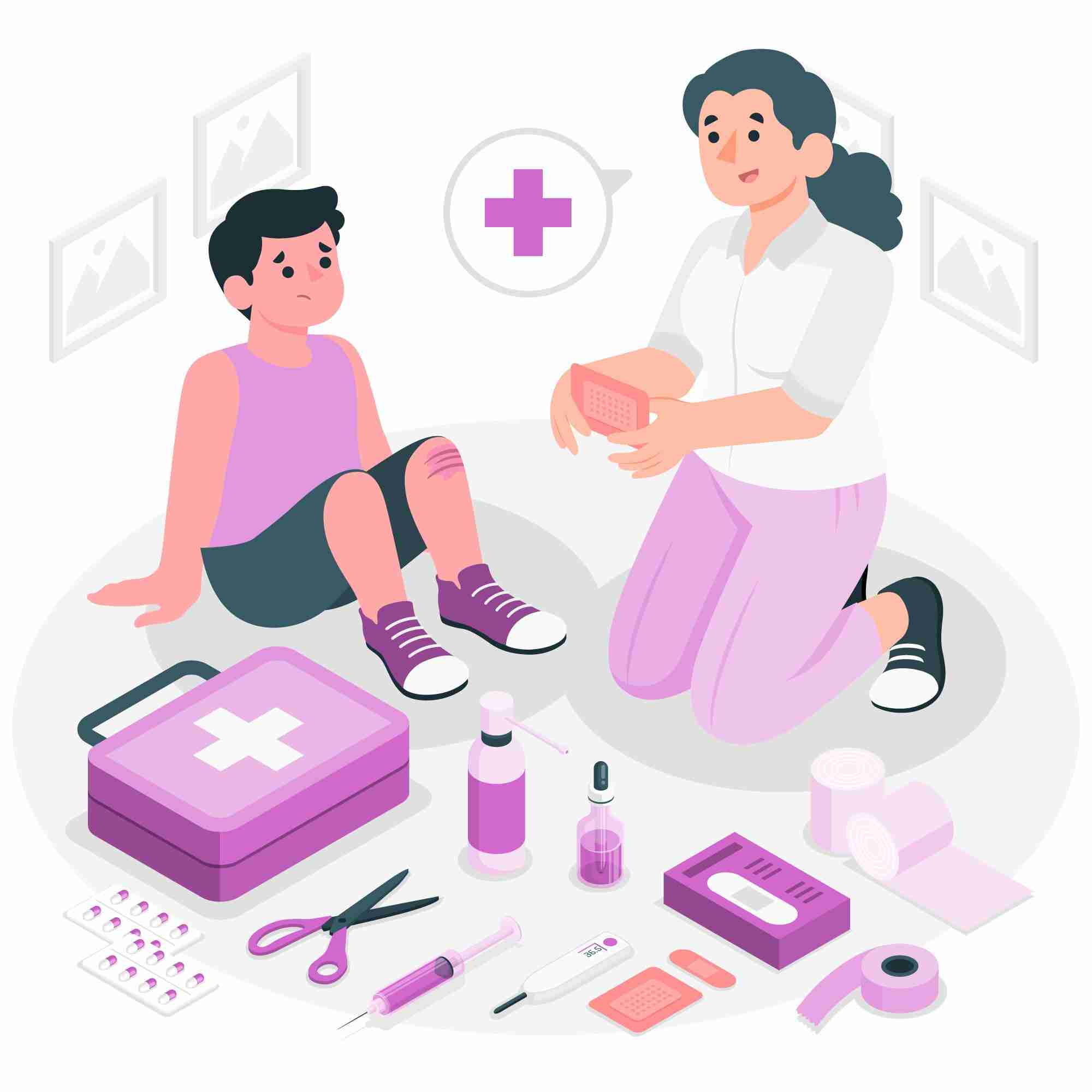
Emergencies come without warning. One minute, it’s a regular school day filled with classes and laughter, and the next, someone might need urgent medical attention. At Bethany High, we believe that every student should be equipped with the knowledge and confidence to handle such situations. That’s why teaching Emergency Care Basics for Students is not just an add-on for us – it’s an essential part of preparing our children for life.
Introduction: Why Teaching Emergency Care is Essential
We live in a world where anything can happen, anytime. From minor injuries on the playground to more serious situations like choking or fainting, emergencies aren’t limited to adults. Our children are often the first to witness such incidents, especially in schools. So why not give them the tools they need to help?
At Bethany, we feel it’s our responsibility to create an environment that nurtures not just academic excellence, but also life-saving skills for kids. Teaching emergency care empowers students with confidence, presence of mind, and compassion – qualities that go a long way in life.
Understanding the Basics of Emergency Care
So, what exactly is emergency care? Simply put, it’s the immediate assistance given to someone suffering from a sudden illness or injury until full medical help is available. This includes:
- CPR (Cardiopulmonary Resuscitation)
- Treating cuts, burns, or fractures
- Helping someone who is choking or having a seizure
- Recognising signs of serious conditions like a stroke or heart attack
Understanding these basics allows students to step in and provide meaningful help during the crucial moments before professional care arrives.
Top Emergency Care Skills Every Student Should Know
Through our workshops and health classes, we make sure our students learn the most essential emergency care skills:
- Calling for help effectively: Knowing how to call emergency services and give clear information
- Performing CPR Basics for Beginners: Teaching hands-only CPR to make it easier for children to learn
- Handling wounds: Cleaning and dressing minor cuts and bruises
- Assisting someone who has fainted or is choking
- Using basic first aid kits
- Staying calm and collected in a crisis
These practical lessons are part of our larger focus on Emergency Preparedness in Schools.
Benefits of Learning Emergency Care for Students
The benefits of learning emergency care at a young age are immense:
- Student empowerment through training: It boosts self-confidence and builds leadership skills.
- Better decision-making: Students become more aware of their surroundings and know how to act in real-life emergency scenarios.
- Health and safety education: Awareness of how our bodies respond to injuries helps in better health choices overall.
- Helping others: Children feel proud to help their peers in need.
And honestly, it just makes the world a kinder, safer place.
Student Stories: Rising to the Occasion in Emergencies
Nothing makes us prouder than hearing how our students put their learning into action. Like the time one of our 9th graders calmly handled a situation when her classmate fainted during PT, ensuring the child was lying down safely, breathing properly, and alerting teachers immediately.
Or the class project where students made their own first aid kits and conducted a safety drill for their classmates, guiding them through the steps with clarity and care.
These stories remind us that when we teach kids how to respond, they often surprise us with their courage and composure.
Conclusion: Empowering the Next Generation with Life-Saving Skills
Teaching Emergency Care Basics for Students isn’t just a programme at Bethany – it’s a philosophy. We want every child who walks through our gates to be prepared, informed, and ready to help.
In a world that can change in a heartbeat, these skills aren’t just helpful – they’re necessary.
If you’re a parent looking for a school that takes your child’s all-round development seriously, explore why Bethany is one of the best ICSE schools in Bangalore. Let’s work together to raise a generation of smart, kind, and capable individuals who are ready for anything.
FAQs
What emergency care skills should students learn? Students should learn how to assess situations, perform hands-only CPR, treat wounds, help someone who is choking, and call emergency services correctly.
Why is emergency preparedness important for students? Because emergencies can happen anytime, and being prepared can make all the difference in saving lives and reducing panic.
How can schools teach emergency care effectively? By integrating practical sessions, inviting professionals to train students, and including emergency care in the curriculum in a fun and age-appropriate manner.
Are emergency care workshops included in the curriculum? Yes, we regularly conduct workshops that cover first aid, CPR, and other vital life-saving skills as part of our co-curricular programme.
If you’d like to know more about how we prepare students for life, not just exams, come visit us or explore our other blog posts. We’re always excited to show you what makes Bethany High a community that truly cares.