

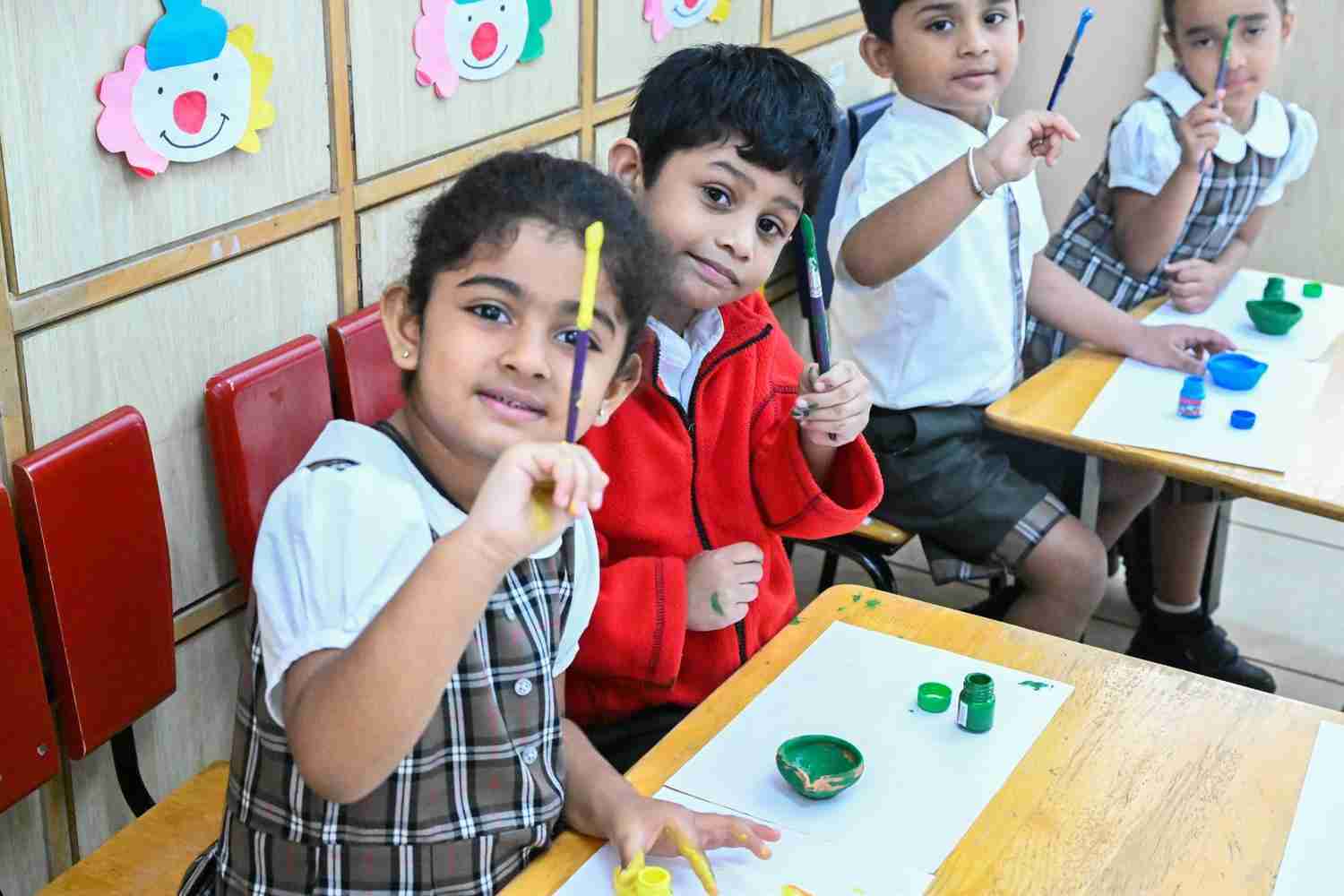
When we think back to our own childhood, some of our fondest memories are of playing—building castles in the sandpit, making up stories with dolls and cars, or inventing games with friends. At Bethany High, we truly believe that learning begins with play. In fact, it’s through play that children develop the foundation they need for lifelong learning.
In today’s fast-paced world, we sometimes forget that structured academics alone cannot help our youngest learners thrive. That’s where play-based learning in pre-primary education makes all the difference.
In this article, we’ll take you through why play is such a powerful tool in early childhood education, the different types of play, and how a play-based curriculum can lay the groundwork for a child’s holistic development in preschool.
What is Play-Based Learning?
At its core, play-based learning is an educational approach where play is the vehicle for learning. It’s not about letting children do whatever they want—it’s about structured yet flexible activities that are both fun and meaningful.
Children explore, imagine, question, and create. And while they think they’re just playing, they’re actually building crucial skills like problem-solving, communication, and critical thinking.
At Bethany High, our classrooms for pre-primary education are vibrant, interactive spaces designed to encourage curiosity and discovery through play. Whether it’s a role-play corner, a sensory table, or a construction zone, every part of our learning environment has a purpose.
The Role of Play in Early Childhood Development
You might be surprised to know just how powerful play can be for a young child’s development. It’s more than just a break between lessons—it’s the lesson itself.
Play fosters:
- Cognitive development – through puzzles, games, and open-ended questions.
- Social skills – when children engage in group play, learning cooperation, empathy, and conflict resolution.
- Emotional wellbeing – as they express feelings and build self-confidence.
- Physical development – especially in active play which improves motor skills.
In fact, many studies have shown that children who engage in quality preschool learning through play show better adjustment in primary school, both academically and socially.
Types of Play in Pre-Primary Education
There are many forms of play, each contributing uniquely to a child’s growth. Here are a few we use in our play-centred teaching methods:
1. Free Play
Unstructured and led by the child, free play allows little ones to follow their interests. It boosts imagination and independence.
2. Guided Play
Here, the teacher sets up the environment or suggests a theme, but the child leads the play. For instance, setting up a “pretend market” where kids play shopkeeper and buyer.
3. Structured Play
These are goal-oriented games or activities like board games, memory cards, or pattern-building exercises. They help with cognitive skills like sequencing, sorting, and strategy.
4. Physical Play
Running, jumping, climbing—activities that support coordination, balance, and overall health.
5. Creative Play
This includes art, music, drama, and storytelling—wonderful ways for children to express emotions and ideas.
All these play types are seamlessly woven into the play-based curriculum in pre-primary schools like ours.
How Play-Based Learning Prepares Children for Primary Education
One common concern we hear from parents is: “Will my child be ready for primary school if all they do is play?”
The answer is a resounding yes!
Through play, children learn how to learn. They develop the ability to listen, concentrate, follow instructions, and work with others. These are the very skills that form the foundation for formal learning in higher classes.
By the time our students move on from their pre-primary years, they are not just academically ready—they’re emotionally and socially equipped to thrive in any learning environment.
The Teacher’s Role in Facilitating Play-Based Learning
You might imagine that in a play-based classroom, the teacher simply steps back and lets the children do their own thing. In reality, teachers play a crucial and active role.
At Bethany High, our teachers are trained to be facilitators of learning. They:
- Observe and understand each child’s interests and developmental stage.
- Introduce materials and ideas to extend play into learning.
- Ask thoughtful questions to encourage critical thinking.
- Ensure a safe and inclusive environment for all learners.
It’s this balance of freedom and guidance that makes early childhood play-based curriculum so effective.
Play-Based Learning and Emotional Wellbeing
Children often express their feelings through play. When a child builds a house and knocks it down, it might be more than just fun—it could be a way of processing emotions like frustration or curiosity.
Play helps children manage anxiety, build resilience, and develop a sense of control over their world. In our classrooms, we often see shy children bloom through group play or children with tantrums learn self-regulation through repeated, routine play activities.
In short, play-based learning techniques support emotional health in ways that lectures or worksheets never could.
Examples of Effective Play-Based Learning Activities
Let us share a few of our favourites from Bethany High’s pre-primary classrooms:
- The Nature Table: We collect leaves, stones, shells, and feathers and explore their texture, shape, and colour. Great for sensory development and language skills.
- Story Cubes: Children roll dice with pictures and build their own stories—a fantastic way to encourage creativity and literacy.
- Pretend Play Zones: From kitchens to doctor’s clinics, children role-play real-life scenarios, developing social understanding and empathy.
- Musical Chairs with a Twist: We incorporate counting or phonics in classic games to make learning seamless and fun.
- Building Stations: Using blocks, magnetic tiles, and recycled materials to build towers, bridges, or even imaginary cities—perfect for spatial awareness and problem-solving.
These aren’t just games; they are educational games for preschoolers that promote deep learning through joyful experiences.
How Parents Can Support Play-Based Learning at Home
Play-based learning doesn’t stop when school ends. In fact, parents are the child’s first and most important play partners!
Here are a few simple ways you can bring pre-primary education through play into your home:
- Allow time for unstructured play every day.
- Provide open-ended toys like building blocks, pretend kitchen sets, or art supplies.
- Let your child take the lead during play. Follow their interests.
- Playing together—board games, storytelling, or even cooking can be learning opportunities.
- Ask questions during play: “What happens if we do this?” or “Why did you choose that colour?”
FAQs
What are the main benefits of play-based learning in pre-primary education?
It encourages holistic development—intellectual, emotional, social, and physical growth—all while keeping learning enjoyable and meaningful.
How does play-based learning contribute to a child’s cognitive development?
Children learn problem-solving, memory, language, and logical thinking skills through interactive and exploratory activities.
What types of play are most effective in pre primary education?
A blend of free play, guided play, creative play, and physical play works best to address all aspects of a child’s development.
How can parents support play-based learning at home?
Encourage open-ended play, join in as a playmate and provide simple toys and opportunities for storytelling, building, and imaginative games.
Why We Believe in Play at Bethany High
At Bethany High, we are proud to be among the Best Pre-Primary Schools in Bangalore, and a big part of that comes from our deep belief in the power of play.
We’ve seen firsthand how children flourish when given the space, tools, and trust to learn through play. Our classrooms are buzzing with energy, laughter, and exploration—and that’s exactly how early education should be.
If you’re looking for a nurturing, inspiring, and play-rich environment for your little one, we’d love to welcome you to our world of joyful learning.