by Bethany Institutions | Feb 17, 2025 | Blog Recent Post
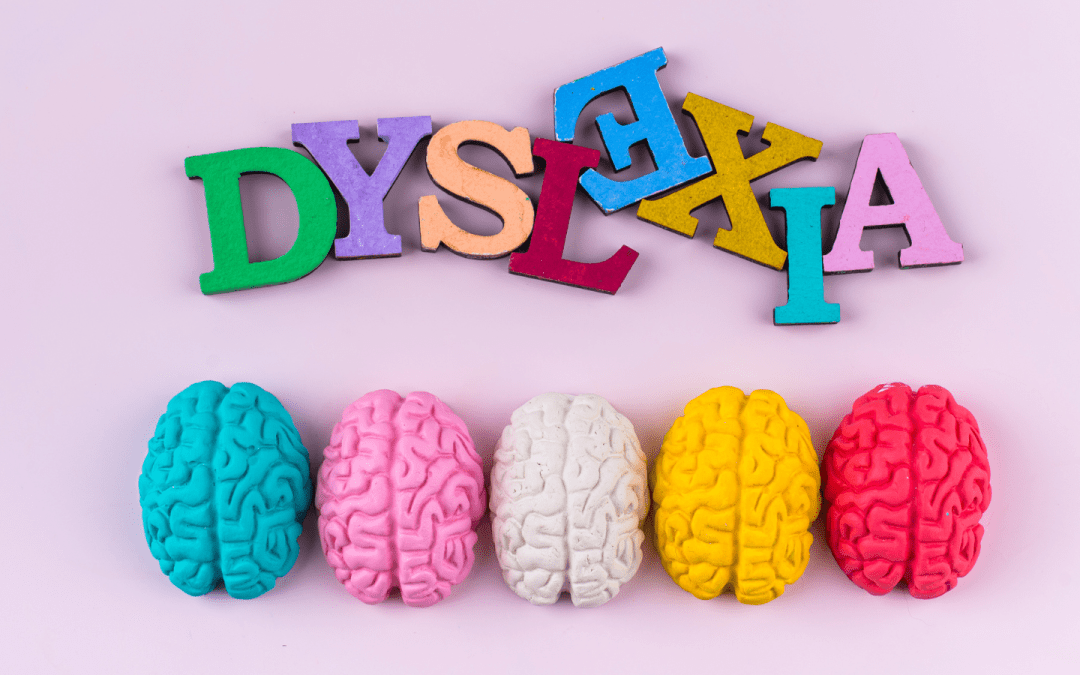
Dyslexia is one of the most common learning disabilities in children, affecting their ability to read, write, and spell. While it does not reflect a child’s intelligence, early identification and intervention can significantly improve outcomes. As an educational institution that values inclusivity, we at Bethany High believe in raising awareness about dyslexia and supporting children to reach their full potential. In this article, we’ll explore the early signs of dyslexia, how it affects learning, and practical steps parents can take to provide the best support for their children.
What is Dyslexia?
Dyslexia is a specific learning disability that primarily affects reading, writing, and spelling skills. It is a neurobiological condition that results in difficulties with decoding words, recognizing words by sight, and spelling words accurately, despite having average or above-average intelligence. It is not linked to intelligence or vision problems but rather to the way the brain processes written and spoken language. The challenges faced by individuals with dyslexia are often persistent, but they can improve with appropriate interventions and support.
Cognitive Aspects of Dyslexia
While dyslexia is often referred to as a “reading disorder,” it is not simply an issue with reading. It is related to broader cognitive processes involved in language. This can affect various aspects of language learning and use:
- Word Recognition: A person with dyslexia may struggle to recognize words by sight, especially common words that do not follow regular spelling rules.
- Spelling and Writing: Spelling can be particularly challenging, as individuals with dyslexia may find it hard to remember how words are structured, leading to frequent misspellings. They may also struggle to write as they might have trouble organizing their thoughts or using appropriate grammar.
- Fluency: Reading fluency is also affected, meaning that individuals with dyslexia may read slowly and with effort. This can impact comprehension, as the process of decoding words can take up so much of their attention that they may struggle to understand the overall meaning of a text.
How Dyslexia Affects Reading and Writing
Dyslexia significantly affects a child’s ability to read by disrupting the processes involved in phonological awareness, decoding, fluency, and comprehension. Phonological awareness, or the ability to identify and manipulate sounds within words, is often impaired in children with dyslexia. They struggle to connect sounds (phonemes) with their corresponding letters (graphemes), making it challenging to blend sounds to form words or break words into their components. This fundamental difficulty hampers their ability to decode, which involves translating written symbols into spoken language. As a result, children with dyslexia may read slowly, pause frequently, or guess words based on context rather than decoding them systematically.
Children with dyslexia often struggle with fluency which makes reading slow and tiring for them, lacking the natural rhythm and intonation that fluent readers use. This difficulty makes reading exhausting and affects their understanding of the text. Since they focus so much on decoding individual words, they find it harder to understand the overall meaning. They may also find it challenging to remember details, draw conclusions, or identify main ideas. These struggles can impact their academic performance and lower their confidence.
Example: A child with dyslexia might read the word “stop” as “pots” or “spot” because they struggle to process the order of letters and connect them to their sounds. They might also skip over small words like “the” or guess words based on context, reading “The cat ran fast” as “The car ran fast.”
Writing is also affected by dyslexia, as it often mirrors the difficulties seen in reading. Children may struggle with spelling, frequently writing words as they sound rather than following conventional spelling rules. Common errors include reversing letters (e.g., writing “b” instead of “d”), mixing up word sequences, and inconsistent spelling of the same word. Their handwriting may be untidy due to difficulties with motor coordination or poor letter formation. Furthermore, organizing ideas into coherent sentences or paragraphs can be a significant challenge, as they may find it hard to structure their thoughts logically or express them clearly.
Example: When asked to write a sentence like “I went to the park today,” a child with dyslexia might write “I wnet to the prak todey.” They may reverse letters, mix up spelling patterns, or struggle with proper spacing and letter formation.
The cumulative effect of these reading and writing challenges can impact a child’s overall academic progress and self-esteem. However, with early intervention, tailored teaching strategies, and consistent support, children with dyslexia can develop effective coping mechanisms and succeed in their educational journey.
Causes of Dyslexia
Dyslexia has a genetic component and tends to run in families. It is believed to be caused by a combination of genetic and environmental factors that affect how the brain processes written and spoken language. Research has shown that dyslexia is linked to differences in the structure and function of specific areas of the brain, particularly those involved in language processing. These differences are not due to vision or hearing impairments, and they are not related to a lack of intelligence.
Misconceptions About Dyslexia
There are several common misconceptions about dyslexia. One of the most common is that individuals with dyslexia are not as intelligent as others. In reality, many people with dyslexia have average or above-average intelligence. Another misconception is that dyslexia only affects reading. While reading difficulties are the most obvious sign, dyslexia can also affect other aspects of learning, including writing, spelling, and even mathematics, especially when these require language processing.
Dyslexia does not go away with age, but with early identification and targeted support, individuals can develop strategies to manage their challenges. It is important for parents, teachers, and others to understand that dyslexia is not a reflection of a child’s abilities or potential. With the right accommodations, tools, and support, individuals with dyslexia can succeed academically and in life.
Common Early Signs of Dyslexia
Recognizing dyslexia in its early stages can significantly aid in intervention and support for children. While the specific signs can vary, especially with age and individual development, there are common indicators parents and educators should be aware of:
- Delayed Speech Development: Difficulty in acquiring speech sounds, late onset of spoken language.
- Difficulty with Rhyming Words: Challenges in recognizing or generating rhyming words.
- Problems with Pronunciation: Persistent difficulty in pronouncing words correctly or consistently.
- Difficulty Learning Letters and Their Sounds: Struggles in associating letters with their respective sounds.
- Poor Memory for Sequences: Difficulty in remembering sequences such as days of the week or the alphabet.
- Avoidance of Reading or Writing Activities: Reluctance or avoidance when it comes to reading books or attempting to write.
Signs of Dyslexia in Preschoolers
In preschool-aged children, signs of dyslexia can sometimes be subtle but are nonetheless crucial to recognize:
- Delayed Speech Development: Late or limited speech compared to peers.
- Difficulty with Word Retrieval: Struggles in finding the right word or naming objects.
- Poor Rhyming Skills: Challenges in recognizing or producing rhyming words.
- Difficulty Following Directions: Trouble in understanding and following multi-step instructions.
- Struggles with Fine Motor Skills: Difficulty in activities requiring fine motor control, such as gripping a pencil or using scissors.
In School-Age Children
- Reading Challenges: Reading slower than peers and making frequent mistakes.
- Writing Difficulties: Reversing letters, such as confusing ‘b’ and ‘d,’ or poor spelling.
- Trouble with Numbers: Difficulty with number sequences and basic arithmetic.
- Low Confidence in Academic Tasks: Avoiding tasks that involve reading or writing due to frustration or fear of failure.
When to Seek Professional Help
If you observe persistent signs of dyslexia in your child, it’s essential to consult a professional for an evaluation. Early intervention can make a significant difference in a child’s academic journey. Specialists like educational psychologists or speech therapists use a variety of assessments to diagnose dyslexia and recommend tailored strategies for support.
Effective Strategies for Parents to Support Their Child
1. Promote a Positive Mindset
Encourage your child to embrace their strengths and view dyslexia as a unique challenge rather than a limitation. Positive reinforcement can build confidence and resilience.
2. Focus on Phonics-Based Learning
Phonics-based instruction helps children understand the relationship between letters and sounds, which is essential for reading fluency.
3. Encourage Reading Together
Read with your child regularly to help improve their reading skills. Choose books with larger fonts and illustrations to make the experience enjoyable.
4. Break Tasks into Smaller Steps
Divide complex tasks into manageable steps to avoid overwhelming your child. For example, focus on learning one letter or word family at a time.
5. Utilise Educational Tools
Technology can be a great ally. Apps and tools designed for dyslexia, such as text-to-speech programs or dyslexia-friendly fonts, can make learning more accessible.
How to Create a Dyslexia-Friendly Learning Environment
- Provide Visual Aids: Use charts, flashcards, and colour-coded materials to enhance learning.
- Minimise Distractions: Create a quiet and organised study area for your child.
- Celebrate Progress: Recognise and celebrate even small achievements to motivate your child.
- Engage Teachers: Maintain open communication with your child’s teachers to ensure consistent support at school.
Educational Tools and Resources for Dyslexic Children
- Assistive Technology: Tools like speech-to-text software and audiobooks can help bridge the gap in reading and writing tasks.
- Specialised Programmes: Enrol your child in structured literacy programmes, such as Orton-Gillingham or Wilson Reading System.
- Support Groups: Join parent communities or support groups to exchange experiences and advice.
Conclusion: Early Intervention for Better Outcomes
Early intervention is key in supporting children with dyslexia. If parents or educators observe persistent difficulties in these areas, it is advisable to consult with professionals trained in assessing and supporting children with learning disorders. Understanding and addressing dyslexia early can significantly improve a child’s academic and social outcomes.
At Bethany High,Koramangala , the LEAP Department is equipped with trained special educators who assist students with dyslexia and encourage them to reach their full potential and navigate the challenges they face with confidence.
We are committed to providing a supportive space where every child can grow and achieve their potential. By working together as parents, educators, and a community, we can empower dyslexic children to succeed in all aspects of life.
FAQs
- What are the first signs of dyslexia in children?
Early signs include delayed speech development, difficulty recognising letters, and challenges with rhyming. - How can parents help their child with dyslexia?
Parents can support their child by promoting a positive mindset, using phonics-based learning, and leveraging assistive technology. - What are the best interventions for young children with dyslexia?
Structured literacy programmes, phonics-based instruction, and regular reading practice are highly effective. - When should I consult a professional about dyslexia?
If your child shows persistent difficulties with reading, writing, or speech development, consult a specialist for evaluation. - Can dyslexia be diagnosed early in preschoolers?
Yes, dyslexia can often be identified in preschoolers through signs like difficulty with rhymes and letter recognition.
By staying informed and proactive, parents can make a world of difference in their child’s learning journey. To explore more about early childhood learning and support, visit our website and discover why Bethany High is one of the best schools in Bangalore.
by Bethany Institutions | Feb 14, 2025 | Blog Recent Post
Helping Teens Navigate Peer Pressure in Positive Ways
Peer pressure is something almost every teen faces, whether they’re aware of it or not. It can influence their decisions, behaviours, and attitudes, often leading them to act in ways they otherwise wouldn’t. As a teen, you want to fit in, make friends, and feel accepted, but navigating peer pressure requires awareness, skills, and a strong sense of self. At Bethany High, we believe in empowering our students with the tools and strategies they need to confidently handle these pressures and make positive choices.
In this blog, we’ll explore how teens can navigate peer pressure in positive ways, and provide practical strategies for both teens and parents to create a healthy social environment.
Understanding Peer Pressure
Peer pressure is when you choose to do something that you normally wouldn’t do, because you want to fit in, feel accepted, valued and gain the approval of your peer groups. It influences one’s decisions, behaviour, attitudes and values in order to fit in. This pressure can come from friends, classmates, or social circles, and it often involves a desire to conform to group norms or expectations. For teens, this influence can come in many forms—subtle suggestions, direct challenges, or even the fear of being excluded. Adolescence is a stage where teens are striving to build their identities. They are figuring out who they are, what they believe, and how they fit into the world around them. During this period, teens can easily be influenced by the people and things that surround them. Peer pressure can either be positive or negative. It might encourage risky behaviours, like substance use or unhealthy habits, but it can also push teens toward positive actions, like joining extracurricular activities or making positive choices. Peer pressure can be difficult for teens to navigate because it often feels like a matter of social survival.
Understanding peer pressure is important because it helps teens navigate social situations more effectively, ensuring they can make decisions that align with their values, despite the influence of others.
FOMO as a reason for Peer Pressure
Fear Of Missing Out (FOMO) is a psychological phenomenon that arises when individuals feel anxious or uneasy about being excluded from experiences, events, or opportunities that others are enjoying. For teenagers, FOMO can be a significant driver of peer pressure because it exploits their innate desire to belong, fit in, and avoid social exclusion.
- The desire for social acceptance- Teens naturally crave acceptance from their peer groups. When they perceive that their friends or classmates are engaging in activities or trends, they may feel pressured to participate, even if they don’t want to or know it’s not the best decision. The fear of being left out or judged by their peers often motivates them to conform.
- Social media amplifies FOMO- The prevalence of social media heightens FOMO, as teens are constantly exposed to curated images and posts showcasing their peers having fun, achieving milestones, or enjoying exclusive opportunities. This “highlight reel” creates a sense of urgency to replicate those experiences to feel included, leading to decisions influenced by peer pressure.
- Risky behaviours to avoid exclusion- FOMO can push teens toward risky behaviours, such as underage drinking, smoking, or participating in unsafe challenges, simply to avoid feeling left out. They might ignore their own values or better judgment because the fear of exclusion outweighs their concern for the consequences.
- The role of group dynamics- In group settings, FOMO can make it difficult for teens to resist peer pressure because they fear being labeled as “different” or “uncool.” They may go along with the group, even if the activity doesn’t align with their values, to maintain their social standing.
Recognizing the Signs of Negative Peer Pressure
Before teens can resist peer pressure, they need to recognize it. Negative peer pressure often takes the form of situations where they’re encouraged to do something they don’t feel comfortable with—whether it’s trying substances, skipping school, or engaging in risky behaviour. Here are a few signs that your teen might be experiencing negative peer pressure:
- Change in behaviour: They might start acting differently, such as hanging out with a new group of friends or adopting behaviours that seem out of character.
- Increased secrecy or reluctance to talk: Teens under pressure may shut down conversations or avoid sharing details about their social lives.
- Risk-taking behaviour: They might engage in risky or unsafe actions they hadn’t before, like drinking alcohol or getting involved in unhealthy relationships.
- Feeling conflicted or stressed: If your teen expresses discomfort about certain situations but feels compelled to go along with them, they might be experiencing negative peer pressure.
Recognizing these signs is the first step in helping them navigate peer pressure in a healthier way.
How to Help Teens Develop Strong Decision-Making Skills
Decision-making is one of the most valuable skills your teen can develop when it comes to navigating peer pressure. Being able to make choices that align with their values, even when facing peer influence, builds their confidence and independence. Here’s how you can help teens strengthen their decision-making abilities:
- Encourage critical thinking: Ask open-ended questions that make them think about the consequences of their actions. For example, “How do you think that decision will make you feel later on?”
- Model positive decision-making: Lead by example. When you make decisions that are aligned with your values, you show your teen that they too can make empowered choices.
- Provide opportunities for independent choices: Whether it’s choosing an extracurricular activity or managing time, allowing teens to make decisions helps them build confidence in their ability to choose wisely.
- Teach them to pause before reacting: Give your teen tools to pause and think before responding to peer influence. Encourage them to ask themselves, “Is this something I want to do, or am I just doing it to fit in?”
By giving them the space to practice decision-making, you help them build resilience in the face of peer pressure.
Encouraging Open Communication Between Parents and Teens
Parents play a vital role in guiding teens through peer pressure but must strike a balance between support and independence. Open communication is key—encourage teens to share concerns without fear of judgment or criticism. Teach decision-making skills, such as evaluating consequences and practicing assertive responses, to empower them in challenging situations. Boost their self-confidence by celebrating achievements and supporting their interests, helping them build a strong sense of identity.
While monitoring social circles and promoting positive friendships is essential, it’s equally important for parents not to become overly involved or paranoid. Excessive control can lead to mistrust and rebellion, making teens less likely to seek help when needed. Instead, parents should aim to provide guidance while respecting their teen’s autonomy, ensuring they feel trusted and supported. This balanced approach helps teens navigate peer pressure with confidence and resilience.
- Be a good listener: Create a safe space for your teen to express themselves without judgment. Listen to their concerns and acknowledge their feelings.
- Ask questions, not accusations: Instead of interrogating, ask questions that encourage discussion. For example, “How did you feel about that situation?” instead of “Why did you do that?”
- Discuss values and expectations: Have ongoing conversations about what matters to your teen and how those values can guide their choices, especially when they’re facing peer pressure.
- Be consistent: Let your teen know that you are always available to talk, and maintain an open-door policy for communication. Consistency helps build trust.
When communication is clear and open, teens are more likely to come to their parents for advice and support.
Building Self-Confidence to Resist Peer Influence
One of the strongest tools in resisting negative peer pressure is self-confidence. When teens feel good about who they are, they’re less likely to let others dictate their actions. Building self-confidence starts by helping teens recognize their strengths, talents, and worth. Here are some strategies to help teens build this essential confidence:
- Celebrate their individuality: Encourage them to embrace what makes them unique. Whether it’s a passion for music, sports, or academics, help them realize that their personal qualities are valuable and worth celebrating.
- Support their interests: Get involved in their hobbies and interests. Whether it’s playing an instrument or joining a sports team, being involved in activities they love can boost their confidence and provide an outlet for positive social connections.
- Promote positive self-talk: Encourage teens to use affirmations and positive self-talk. Help them identify negative thoughts and replace them with empowering ones.
- Encourage setting personal goals: Help teens set achievable goals and celebrate their progress. Success in small tasks helps build overall confidence.
When teens feel good about themselves, they’re less likely to be swayed by peer pressure.
How Positive Peer Influence Can Benefit Teens
While peer pressure is often thought of negatively, positive peer influence can be incredibly beneficial. Encouraging teens to surround themselves with peers who support their goals, respect their values, and encourage healthy behaviours can lead to personal growth and development. Here’s how positive peer influence can help:
- Inspiring personal growth: Positive peer pressure encourages teens to strive for academic excellence, engage in healthy activities, and participate in community service.
- Promoting healthy behaviors: Friends who encourage healthy eating, exercising, or studying can create a supportive social environment that motivates everyone to do their best.
- Boosting self-esteem: Being part of a group that encourages positive behaviours and supports each other’s achievements can boost a teen’s sense of belonging and self-worth.
Helping your teen identify positive influences and nurture these relationships is a key component of navigating peer pressure in a healthy way.
Creating a Supportive Peer Environment
A supportive peer environment is crucial for teens to feel accepted and valued without succumbing to negative peer pressure. This type of environment encourages healthy relationships, positive reinforcement, and mutual respect, allowing teens to thrive emotionally, socially, and academically. Here’s how parents, educators, and teens can work together to create a supportive peer culture-
1. Promote Inclusivity
Encourage teens to celebrate diversity in opinions, interests, and backgrounds. Teach them to value unique perspectives and foster a sense of belonging within their peer groups.
2. Encourage Open Communication
- Teach teens active listening and empathy.
- Create safe spaces for discussions about challenges and concerns.
- Guide them to resolve conflicts with respect and understanding.
3. Highlight Positive Peer Influence
- Share examples of role models who demonstrate kindness and leadership.
- Celebrate group successes to encourage teamwork and collaboration.
- Organize mentorship programs where teens can learn from supportive peers.
4. Build Trust and Collaboration
- Engage teens in group projects and activities that require teamwork.
- Provide opportunities for leadership roles to build responsibility and confidence.
5. Support Interest-Based Social Activities
Encourage participation in clubs, sports, or hobbies where teens can connect with like-minded peers. Positive, shared experiences strengthen bonds and reduce the influence of negative peer pressure.
6. Teach Empathy and Emotional Intelligence
- Help teens understand and respect others’ feelings.
- Encourage small acts of kindness to create a ripple effect of positivity.
- Promote self-awareness about how their actions impact others.
7. Involve Parents and Educators
- Monitor peer group dynamics and intervene in harmful situations.
- Keep communication open to understand teens’ social challenges.
- Encourage family discussions about healthy relationships and peer influences.
8. Build Resilience Against Peer Pressure
- Teach teens to assertively say “no” to negative behaviours.
- Boost their self-esteem by recognizing their strengths.
- Equip them with coping strategies to handle challenging social situations.
Conclusion
Navigating peer pressure is an essential skill that every teen needs to develop, and with the right support, they can do so successfully. At Bethany High, we are committed to fostering a positive environment where teens are empowered to make confident, healthy decisions. By encouraging open communication, building self-confidence, and helping teens surround themselves with positive influences, we can help them thrive in their social situations and beyond.
FAQs
What are the common signs of peer pressure in teens?
Signs include changes in behaviour, secrecy, risk-taking behaviours, and feeling conflicted or stressed about social situations.
How can parents talk to teens about peer pressure without pushing them away?
Engage in open, non-judgmental conversations, listen actively, and approach the topic with understanding and empathy.
What are some real-life examples of positive peer influence?
Examples include friends who encourage healthy habits, support academic success, or inspire each other to engage in community service.
How can a teen build confidence to say no to negative pressure?
Teens can practice assertiveness, develop self-awareness, and surround themselves with positive influences to build the confidence needed to say no.
What role does a teen’s social environment play in peer pressure?
A supportive social environment can reduce the likelihood of negative peer pressure and encourage positive decision-making.
by Bethany Institutions | Feb 12, 2025 | Blog Recent Post
What is ADHD and Why Understanding It Matters
Attention Deficit Hyperactivity Disorder (ADHD) is a neurodevelopmental disorder that typically begins in childhood and can continue into adolescence and adulthood. It is characterized by a persistent pattern of inattention, hyperactivity, and impulsivity, which can significantly interfere with an individual’s daily functioning, development, and quality of life. These symptoms often manifest in various environments, such as home, school, or work, and can lead to difficulties in academic, professional, and social settings.
ADHD presents differently in individuals. While some may exhibit pronounced hyperactivity, others may struggle primarily with inattention. Many people experience a combination of these symptoms. This variability often makes diagnosis and management challenging, particularly in adults, where the signs might be less overt and misunderstood as personality traits or lifestyle choices.
According to population surveys, ADHD is a prevalent condition, affecting approximately 5% of children and 2.5% of adults worldwide. However, despite its relatively high prevalence, ADHD remains a subject of misunderstanding and stigma. Many myths and misconceptions persist, such as the belief that ADHD is simply a lack of discipline, a phase that children will outgrow, or a condition caused solely by poor parenting. These misconceptions can prevent individuals from seeking appropriate help and support, leaving their symptoms unmanaged and their potential unrealized.
Understanding ADHD is essential for breaking these stereotypes and promoting a more inclusive and supportive society. Awareness can lead to early diagnosis and intervention, which are critical in managing symptoms effectively. Interventions often include a combination of behavioral therapy, educational support, and, in some cases, medication. For adults, workplace accommodations and strategies for managing time and focus can significantly enhance productivity and well-being.
Myths about ADHD
Despite increasing awareness, myths about ADHD persist, often perpetuating stigma and misunderstanding. Let’s explore and debunk five common myths about ADHD.
Myth 1: ADHD is Just an Excuse for Bad Behavior
Reality: ADHD is not an excuse; it is a legitimate neurodevelopmental disorder that affects brain functioning, including attention, impulse control, and hyperactivity. While individuals with ADHD may struggle with self-regulation, their actions are not deliberate acts of disobedience. Behavioral challenges are symptoms of the condition, and not reflections of the individual’s character. With appropriate support, individuals with ADHD can learn strategies to manage their symptoms effectively.
Myth 2: Children with ADHD Can’t Focus on Anything
Reality: Children (and adults) with ADHD often experience something called hyperfocus, where they can become deeply engrossed in tasks that interest them. The difficulty lies in regulating attention, meaning they may struggle to focus on tasks they find less engaging or rewarding. ADHD is more about inconsistent attention rather than a complete inability to focus.
Myth 3: ADHD is Caused by Poor Parenting
Reality: ADHD is not a result of parenting styles or choices. It is a neurodevelopmental condition with biological and genetic underpinnings. While consistent routines and supportive parenting can help manage symptoms, ADHD is not “caused” by a lack of discipline or structure at home. Blaming parents for their child’s ADHD is both inaccurate and harmful.
Myth 4: Medications Are the Only Treatment for ADHD
Reality: While medications can be an effective part of ADHD treatment, they are not the only option. Comprehensive treatment often includes behavioural therapy, counseling, educational accommodations, lifestyle adjustments, and support groups. Non-pharmaceutical strategies, such as mindfulness techniques, exercise, and dietary changes, also play a role in managing symptoms for many individuals.
Myth 5: ADHD is Outgrown in Adolescence
Reality: While some symptoms of ADHD may change with age, the condition often persists into adulthood. Many adults with ADHD continue to face challenges with attention, time management, and impulsivity. However, with the right support and coping mechanisms, adults with ADHD can thrive in various aspects of life, including their careers and relationships.
Dispelling these myths is crucial for creating understanding and empathy for those living with ADHD
Facts about ADHD
Let’s explore 5 key facts about ADHD that will help us understand it better.
- ADHD Is a Neurodevelopmental Disorder
ADHD (Attention Deficit Hyperactivity Disorder) is a neurodevelopmental disorder that affects brain development and activity. It influences attention, self-regulation, and impulse control. The exact cause is not fully understood but involves a combination of genetic, neurological, and environmental factors.
(“Neurodevelopmental” describes the way the brain develops over time, and when something goes awry in that process, it can lead to conditions that impact a person’s cognitive, social, or motor abilities.) - ADHD Affects Both Children and Adults
ADHD is not limited to childhood. While it is often diagnosed in children, approximately 60% of those diagnosed continue to experience symptoms into adulthood. Adults with ADHD may face challenges such as disorganization, poor time management, and difficulty sustaining attention. - ADHD Is More Common Than Many Realize
ADHD affects about 5% of children and 2.5% of adults worldwide. It is a relatively common condition, yet it remains widely misunderstood, leading to delayed diagnosis and treatment in many cases. - ADHD Has Three Main Types
ADHD is categorized into three types based on the dominant symptoms: - Predominantly Inattentive Presentation (difficulty sustaining attention, forgetfulness, distractibility).
- Predominantly Hyperactive-Impulsive Presentation (fidgeting, restlessness, impulsive actions).
- Combined Presentation (a mix of inattentive and hyperactive-impulsive symptoms).
- ADHD Can Be Effectively Managed
While there is no cure for ADHD, it can be managed through a combination of strategies, including behavioral therapy, medication, lifestyle adjustments, educational support, and coping techniques. Early diagnosis and personalized treatment plans are key to helping individuals with ADHD lead fulfilling and productive lives.
Conclusion
ADHD is a complex condition, not merely a phase or a result of poor discipline, but a legitimate neurodevelopmental disorder that impacts individuals in unique ways. Understanding ADHD and its broader context within neurodevelopmental disorders is essential for building awareness, empathy, and support for those affected. By debunking myths and focusing on facts, we can challenge stigma and misconceptions, enabling early diagnosis, effective management, and better outcomes for individuals with ADHD.
Whether through therapy, medication, or lifestyle adjustments, the diverse approaches to managing ADHD highlight the importance of personalized care. Additionally, recognizing the strengths often associated with ADHD such as creativity, resilience, and problem-solving skills, can help individuals reach their full potential. With increased understanding and acceptance, society can create environments where individuals with ADHD excel, contributing meaningfully to their communities.
FAQs
What are the common signs of ADHD in children?
Common signs of ADHD include:
- Inattention: Difficulty focusing, making careless mistakes, being easily distracted, and often losing things.
- Hyperactivity: Excessive fidgeting, difficulty staying seated, running or climbing inappropriately, and talking excessively.
- Impulsivity: Interrupting others, difficulty waiting for their turn, and acting without considering consequences.
Can ADHD be managed without medication?
Yes, ADHD can be managed without medication. Common strategies include:
- Behavioral therapy: Helps children develop coping skills and manage their symptoms.
- Lifestyle changes: Regular physical activity, balanced nutrition, and a structured routine can be beneficial.
- Parental training programs: Educating parents to use positive reinforcement and set clear expectations.
- Educational support: Collaborating with teachers to create a supportive learning environment.
How can parents help their child succeed with ADHD?
Parents can:
- Create structure: Establish consistent routines and clear rules.
- Use positive reinforcement: Reward good behavior to encourage repetition.
- Communicate effectively: Use simple and clear instructions.
- Provide a calm environment: Reduce distractions and create a quiet study area.
- Advocate for their child: Work closely with teachers and school staff to ensure accommodations, such as extra time for tests or breaks during learning.
Is ADHD a hereditary condition?
Yes, ADHD tends to run in families. Research indicates that genetics play a significant role in the likelihood of developing ADHD. However, environmental factors and brain development also contribute.
At what age can ADHD be diagnosed?
ADHD can typically be diagnosed before the age of 12. The symptoms must be present for at least 6 months and occur in more than one setting (e.g., home, school, or work) to meet the diagnostic criteria. It’s important to recognize that ADHD can sometimes be diagnosed in adolescence or even adulthood, although the symptoms must have been present during childhood.
by Bethany Institutions | Feb 10, 2025 | Blog Recent Post
Introduction: Unlocking the Power of Creative Expression
Every child has a unique imagination, with stories, ideas, and creations waiting to be shared with the world. Helping them transform these imaginative ideas into tangible works, such as books, blogs, or artwork, fosters creativity and builds confidence and communication skills.
At Bethany High, we believe that every child has the potential to explore their creativity and develop their voice. If your child enjoys writing or creating, we’re here to help them turn their imagination into publication.
Step 1: Encourage Writing or Artistic Expression
The first step in helping your child publish their work is nurturing their passion for storytelling or artistic creation. Whether they enjoy writing short stories, drawing illustrations, or crafting digital comics, encourage them to express themselves freely.
- Provide the Right Tools: Equip your child with notebooks, coloured pens, or digital tools like tablets or writing software. For younger children, consider story-prompt books or creative writing guides.
- Make It Fun: Ask them “What if” questions to stir their imagination. For example, “What if animals could talk?” or “What if you could invent a new planet?” These questions encourage out-of-the-box thinking.
At Bethany High, we encourage students to participate in creative workshops and activities that help them explore storytelling in a structured yet playful way.
Step 2: Help Your Child Develop Their Unique Voice
Every writer or artist has a unique voice that makes their work stand out. Helping your child discover and refine this voice is key to their creative journey.
- Explore Diverse Genres: Introduce your child to various books, art styles, or creative formats. From adventure stories to poetry, exposing them to different forms helps them identify their preferences.
- Celebrate Their Interests: Whether dragons, superheroes, or everyday life, encourage your child to write or draw about what they love.
- Give Positive Feedback: Always start with encouragement. Celebrate their creativity before suggesting areas for improvement.
Bethany High’s emphasis on holistic education ensures students have opportunities to find their voice through writing competitions, drama clubs, and creative projects.
Step 3: Guide Them in the Publishing Process
Once your child has created their masterpiece, the next step is to help them navigate the publishing process.
- Explore Platforms: Platforms like Wattpad or Storybird offer safe spaces for young writers to share stories with a supportive audience. Artists can showcase their work on platforms like ArtStation or Behance.
- Submit to Competitions: Look for children’s writing or art contests. Many offer publication opportunities for winners.
- Encourage School Participation: Bethany High regularly publishes student work in newsletters, blogs, and yearbooks, giving young creators a platform to shine.
Step 4: Explore Self-Publishing vs Traditional Publishing
There are two ways to publish a book or project: self-publishing or traditional publishing. Each has its benefits.
- Self-Publishing: Platforms like Amazon Kindle Direct Publishing or Blurb make it easy for children to see their work in print. This option provides creative control and quicker results.
- Traditional Publishing: Traditional publishing may be the way for those seeking a broader audience. Help your child research publishers that specialise in children’s books or creative projects.
Bethany encourages the students to collaborate with local publishers to showcase their exceptional work.
Step 5: Support Their Creative Projects at Home
Finally, a supportive environment at home is crucial to your child’s creative success.
- Build a Routine: Set aside time for writing, drawing, or creating. Consistency helps children hone their skills.
- Celebrate Milestones: Whether it’s completing their first story or publishing their first project, celebrate their achievements to keep them motivated.
- Encourage Collaboration: Suggest group projects with siblings or friends. Collaborative efforts teach children the importance of teamwork in creative processes.
Conclusion: Nurturing the Next Generation of Creators
Helping your child turn their imagination into a publication is an incredible way to boost their confidence and creativity. Whether they’re crafting a picture book or writing their first blog, your support can make all the difference.
At Bethany High, we believe in fostering creativity at every stage. Through interactive learning, workshops, and opportunities to showcase their work, we aim to inspire the next generation of storytellers, artists, and innovators.
So, let’s work together to nurture your child’s imagination and help them share their creations with the world. After all, every story deserves to be told!
FAQs
- How can I help my child get their writing published?
Start by encouraging them to write regularly. Explore online platforms or local competitions and look into self-publishing tools for beginners. - What are the steps to publishing a children’s book?
Encourage your child to draft their story, edit it together, and research appropriate platforms. Depending on the approach, you can explore traditional publishing or self-publishing routes. - How can my child turn their artwork into a published piece?
Artworks can be shared on platforms like Behance or turned into books using self-publishing tools. Competitions and art exhibits are also great opportunities. - How can I inspire my child to cultivate writing skills?
Make reading and writing a regular part of their routine. Ask them imaginative questions and praise their efforts to keep them motivated.
Looking for a school that values creativity and innovation? Discover how Bethany High fosters young minds to think beyond the ordinary.
by Bethany Institutions | Feb 7, 2025 | Blog Recent Post
Introduction: Why Robotics is Important for Your Child’s Future
Today’s world is rapidly changing, and robotics plays a huge role in that transformation. From medical advancements to space exploration, robots are everywhere. For kids, diving into robotics isn’t just thrilling; it’s also a fantastic way to develop critical thinking, unleash creativity, and engage in hands-on learning. At Bethany High, we’re all about helping young minds build skills that will help them succeed in a tech-focused world.
If you’re looking for ways to inspire your child to explore robotics, here are five approachable and enjoyable activities to ignite their interest and help them grow.
Way 1: Sign Up for Robotics Classes or Camps
Robotics classes or camps are a structured and interactive way to introduce your child to the fundamentals of robotics. These programs teach coding, engineering, and problem-solving in a collaborative environment.
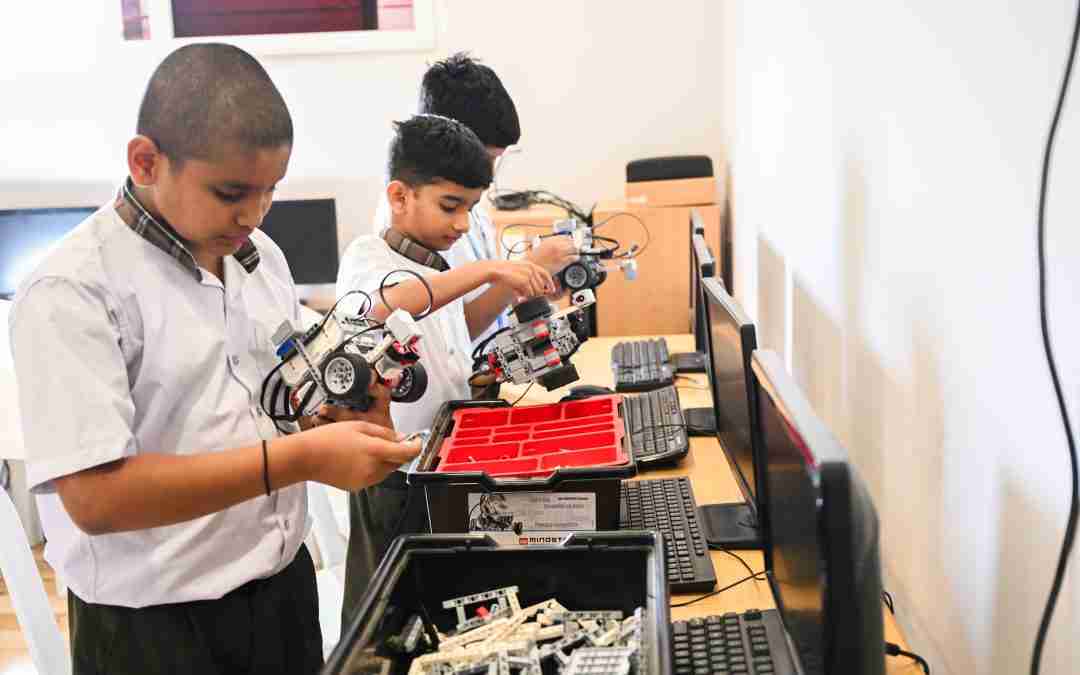
At Bethany High, we offer exciting STEM activities, such as building and programming robots. Through hands-on projects, students gain practical skills and learn the importance of teamwork and communication.
Way 2: Try Hands-On Robotics Kits at Home
Robotics kits are an excellent way to bring the excitement of learning right into your living room. Kits such as LEGO Mindstorms or Arduino Starter Kits are perfect for kids to build and control their robots.
Encouraging your child to play around with these kits helps boost their creativity and fine motor skills. In addition to this, watching a robot they built come to life is incredibly rewarding and can really spark their interest in STEM.
Way 3: Get Involved in Robotics Competitions and Challenges
Participating in robotics competitions introduces children to the exciting world of innovation and teamwork. Events like the FIRST LEGO League or RoboCup Junior challenge kids to solve real-world problems using robots.
These competitions encourage children to think creatively and build resilience while navigating challenges. At Bethany High, we motivate our students to engage in such events to ignite their tech passion further.
Way 4: Enhance Coding Skills Alongside Robotics
Coding is essential in the world of robotics, and introducing it to children early can give them a head start. Platforms like Scratch or Code.org make coding fun and accessible.
Bethany High incorporates coding into our STEM curriculum, providing kids an engaging way to explore programming concepts. Learning to code trains them to think logically and tackle complex problems head-on.
Way 5: Encourage Collaborative Robotics Projects
Working on collaborative robotics projects is an excellent way for children to learn the value of teamwork. Whether they’re building a robot to tackle a puzzle or creating a machine for a specific task, these projects help enhance their problem-solving skills while promoting shared ideas and responsibilities.
At Bethany High, we often work on group projects that teach students about leadership and communication while diving into the fascinating world of robotics.
Conclusion: Laying the Groundwork for Future Innovation
Introducing your child to robotics is an investment in their future. Beyond fostering technical skills, robotics nurtures creativity, critical thinking, and a love for lifelong learning. By supporting their curiosity and providing opportunities to explore robotics, you’re preparing them to lead in an ever-evolving world.
Bethany High offers a nurturing environment where children can explore their potential and develop skills that shape their future. Let’s inspire the next generation of innovators together!
FAQs
- What are the benefits of robotics for children?
Robotics enhances problem-solving, creativity, teamwork, and technical skills. It prepares children for future careers in technology and innovation. - How can I introduce robotics to my child at home?
Start with beginner-friendly robotics kits like LEGO Mindstorms or Arduino, and encourage your child to explore online coding platforms like Scratch or Code.org. - Are there robotics competitions for kids?
Yes! Events like the FIRST LEGO League and RoboCup Junior provide exciting opportunities for children to apply their skills in creative challenges. - Why is it important to train children about the latest technologies?
Learning about the latest technologies helps children stay ahead in a rapidly changing world, equipping them with essential skills for future success.
Looking for a school that champions STEM education? Discover how Bethany High inspires young innovators!