by Bethany Institutions | Mar 3, 2025 | Event Recent Post, News
I am writing this note to express my deepest gratitude and appreciation for the incredible experience my children, Jadon and Janice, had during their time at Bethany High School. From the moment they joined, it was evident that Bethany is not just a school but a nurturing community that prioritizes the holistic development of every child.
Jadon and Janice truly enjoyed going to school every single day. They were not only loved and cared for by their teachers and friends but also thrived in the amazing culture and value system that the school has built. The emphasis on love, care, clean habits, and gentle motivation has left a lasting impression on them. The school’s focus on developing key skills, such as Abacus, karate, and other sports, has been instrumental in shaping their confidence and abilities.
What stands out most is the healthy competitive environment that Bethany fosters. It’s not about pitting one child against another but about encouraging kids to grow and excel in their own unique ways. The teachers, helpers, management, and even the director have always been kind, supportive, and deeply invested in the well-being and growth of every child. It’s heartwarming to see how the school is willing to adapt policies and processes if it means bettering the lives of their students. This level of care and dedication is truly rare and speaks volumes about the values that Bethany upholds.
The value system at Bethany is unparalleled. It flows seamlessly from the founder to every member of the school, including the drivers and teachers. The emphasis on building good habits, kindness, and quality education is evident in everything they do. I strongly believe that Bethany is one of the best choices for any parent in Bangalore who wants their child to grow into a well-rounded individual with strong values and skills.
As a parent, I cannot thank Bethany enough for the positive impact it has had on my children. Jayden and Janice have not only gained knowledge but have also developed into confident, kind, and motivated individuals. I pray that Bethany continues to reach greater heights and produce leaders and skilled individuals who will contribute to the betterment of our country.
To any parent considering Bethany High School for their child, I wholeheartedly recommend it. This school is a blessing, and I am confident that your child will thrive in its nurturing environment. My family and I will always cherish our time with Bethany and will continue to pray for its success.
Thank you, Bethany, for everything you do. God bless you all!
Warm regards,
Andrew
Proud Parent of Jadon and Janice!
by Bethany Institutions | Feb 28, 2025 | Blog Recent Post
Understanding Homework
Homework is a fundamental part of education, designed to reinforce what students learn at school. It provides a chance for independent practice and helps develop essential skills while allowing students to dive deeper into their studies. Though it often sparks debate among parents and educators, homework is still a vital part of the learning process, aiding in developing discipline, problem-solving skills, and time management.
In this article, we explore the origins of homework, its evolving purpose, and its benefits while examining alternative approaches adopted by modern educators.
A Brief History of Homework
Homework is not a new concept; its roots can be traced back to ancient civilizations. While no single person invented it, there are many documented instances of homework throughout history.
Ancient Rome: Pliny the Younger, a notable Roman educator, urged his students to review their lessons at home to reinforce what they had learned.
Medieval Education: In the Middle Ages, students at religious and monastic schools had to complete written tasks and memorise scriptures outside of classroom hours, which instilled a habit of self-study.
19th & 20th Century Evolution: The modern idea of homework gained structure in the 19th century, with some crediting Italian educator Roberto Nevilis for formalising homework assignments to help students grasp classroom material more effectively.
Today, the concept of homework continues to evolve, incorporating technology and personalised learning strategies to better engage students.
The Purpose of Homework
Homework serves multiple purposes beyond just reinforcing content learned in class. It plays an essential role in helping students develop vital skills for overall success:
- Strengthening Learning and Retention:
- Homework offers extra practice to help solidify understanding.
- It encourages self-reflection, improving comprehension and memory.
- Encouraging Independent Study Habits:
- Students take charge of their own learning journey.
- It fosters self-discipline, time management, and organisational capabilities.
- Extending Classroom Learning:
- Homework encourages exploration beyond the syllabus.
- It supports research and creative thinking, bridging knowledge gaps.
- Preparing for Future Academic Challenges:
- Students build problem-solving skills essential for higher studies.
- It boosts logical reasoning and analyses, enhancing overall academic confidence.
- Providing Assessment and Feedback:
- Teachers gain insight into student progress outside the classroom.
- It highlights areas that may need extra attention.
- Strengthening Parental Involvement:
- Homework gives parents a window into their child’s educational journey.
- It encourages family discussions about learning and offers opportunities for additional support.
The Role of Homework in Developing Study Habits
When designed effectively, homework can instill habits that promote lifelong learning:
- Routine & Discipline:Regular assignment completion builds consistency and self-regulation.
- Time Management: Students learn to prioritise effectively, balancing various responsibilities.
- Organisation: Planning and meeting deadlines prepare students for future academic and professional tasks.
Assessment & Feedback Through Homework
Homework is a valuable tool in assessing student progress:
- It helps teachers identify areas of misunderstanding and learning gaps.
- It encourages self-assessment, prompting students to reflect on their work.
- Homework also provides opportunities for tailored guidance and support.
Benefits & Criticisms of Homework
While homework offers many benefits, it is not without its criticisms:
Benefits:
- Reinforces learning and comprehension.
- Encourages independent problem-solving and time management.
- Develops research and analytical skills.
- Apply knowledge to real-world situations.
- Strengthens parent-student engagement.
Criticisms:
- Excessive workload can lead to stress and anxiety.
- May limit time for extracurricular activities and personal interests.
- Possible widening of educational inequalities for those lacking home support.
- Poorly designed assignments can cause frustration and disengagement.
Alternative Approaches to Homework
To address the challenges of traditional homework, educators have explored innovative approaches to optimise learning outcomes.
1. Project-Based Learning:
- Encourages students to work on research projects that require critical thinking and creativity.
- Promotes hands-on learning through practical applications.
2. The Flipped Classroom Model:
- Students learn theoretical concepts at home through digital resources (videos, readings) and engage in interactive problem-solving in class.
- Shifts focus from rote memorisation to active learning.
3. No-Homework Policies:
- Some schools have implemented reduced or no-homework policies to promote work-life balance and reduce stress.
- Emphasises in-class learning and collaborative activities instead.
4. Learning Stations:
- Divide classroom activities into stations where students engage in different learning tasks.
- Encourages interactive, collaborative, and self-directed learning.
5. Gamified Learning:
- Integrates educational games to make learning more engaging.
- Encourages motivation through challenges and rewards.
6. Personalised Learning Plans:
- Tailors assignments to individual student needs and learning styles.
- Enhances engagement by catering to specific interests and skill levels.
Conclusion
When structured effectively, homework plays a crucial role in reinforcing learning, fostering independent study habits, and preparing students for future academic challenges. However, it is essential to strike a balance, ensuring that homework remains purposeful, manageable, and beneficial for students’ development.
At Bethany High, we focus on creating meaningful learning experiences inside and outside the classroom. Whether through traditional assignments or innovative educational approaches, we aim to nurture curiosity, critical thinking, and lifelong learning in our students.
FAQs
- Who is credited with inventing homework?
While homework has existed since ancient times, Italian educator Roberto Nevilis is often credited with formalising it in the 19th century. - What was the original purpose of homework?
Homework was initially introduced to reinforce classroom learning, develop discipline, and encourage independent study skills. - How has the role of homework changed over time?
Today, homework emphasises research-based learning, critical thinking, and skill development rather than rote memorisation. - What are the benefits of homework?
Homework enhances problem-solving skills, promotes independent learning, and strengthens time management abilities. - What are some modern alternatives to traditional homework?
Flipped classrooms, project-based learning, and personalised assignments are some modern approaches that enhance engagement while reducing academic stress.
by Bethany Institutions | Feb 26, 2025 | Blog Recent Post
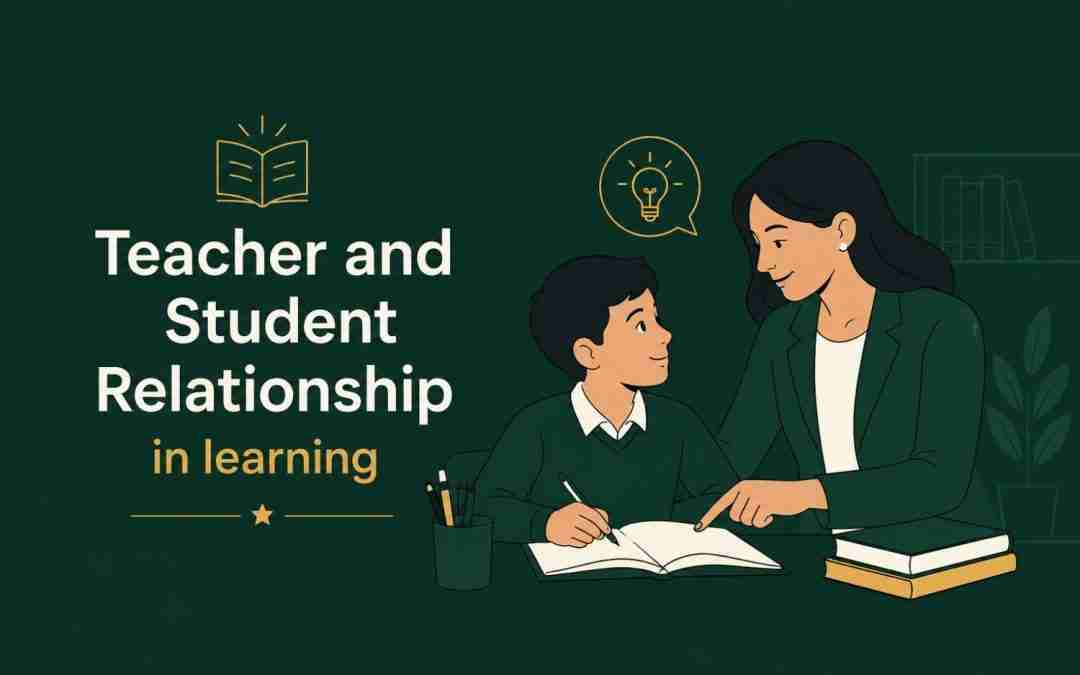
In education, relationships are widely recognized as foundational to student success. At the core of a fulfilling educational experience is a positive teacher-student relationship. But what does that really mean? A teacher’s impact goes well beyond academics; it’s about creating connections that spark confidence, motivation, and a genuine love for learning. When students feel understood, valued, and encouraged, they are more engaged in their studies and develop a strong sense of belonging within the classroom. A student-teacher relationship essay often highlights the lasting impact of these meaningful connections on a child’s academic and personal growth.
At Bethany High, our mission is to nurture curiosity, resilience, and a lifelong passion for learning, shaping our students into well-rounded individuals ready to take on the world.
Why Do Teacher-Student Relationships Matter?
A strong bond between teachers and students builds trust and respect, which are both key to personal and academic growth. Here’s why these relationships matter:
- Encouraging Active Learning: When students feel comfortable with their teachers, they are more likely to join in, ask questions, and seek help when needed. This kind of participation makes learning better for everyone.
- Boosting Confidence & Motivation: A supportive environment helps students believe in themselves. When they know their teachers support them, they are more willing to take on challenges with energy.
- Fostering Emotional Well-being: Teachers do more than teach subjects; they also support students emotionally. They help students handle stress, peer pressure, and personal problems, making the classroom a safe place.
- Building Lifelong Social Skills: By engaging in positive interactions with teachers, students learn important skills such as respectful communication, teamwork, and empathy that will help them throughout life.
At Bethany High, we work to ensure every student feels valued and supported, so they can reach their full potential through strong connections.
Creating Strong Teacher-Student Bonds at Bethany High
At Bethany High, we focus on creating a welcoming, supportive, and inspiring place to learn. Here’s how we make that happen:
- Personalised Learning: Every student and their learning styles are unique. Our teachers take the time to understand each child’s strengths, challenges, and interests, and adjust their teaching to fit each child.
- We offer one-on-one mentorship programs.
- Our small class sizes allow for individual attention.
- We encourage curiosity through inquiry-based learning.
- Open Communication: We believe communication is key to strong relationships. Our teachers create a safe space where students can openly express their thoughts, concerns, and dreams.
- Regular check-ins help maintain this dialogue.
- A feedback-driven approach fuels learning.
- We foster a culture where questions and discussions are always welcome.
- Beyond Classroom Learning: Learning happens everywhere and is not just restricted to the classroom. Whether on the sports field or in the art studio, our teachers act as mentors and guides, helping students discover their talents.
- They lead sports teams, music clubs, and drama productions.
- They provide personalised career guidance and counselling.
- We emphasise character-building alongside academic success.
- Cultivating a Growth Mindset: We encourage resilience and perseverance, helping students see failures as learning opportunities rather than setbacks.
- Students are urged to set personal goals, both academically and in extracurricular activities.
- We celebrate effort and improvement, not just the end results.
- Problem-solving and decision-making skills are fundamental parts of our teaching.
- Building Community: A strong school community is built on respect, inclusion, and working together. At Bethany High, we make sure every student feels like they belong.
- Our house systems promote teamwork and friendly competition.
- Student-led initiatives enrich the community spirit.
- We emphasise empathy, respect, and cultural awareness.
How Strong Teacher-Student Relationships Lead to Success
When students build meaningful bonds with their teachers, the benefits extend far beyond the classroom. Here’s how our Bethany students thrive from these connections:
- Academic Excellence: Students who feel supported often develop a genuine love for learning and tend to excel academically.
- Emotional Growth: A nurturing learning environment fosters resilience and emotional intelligence, helping students handle life’s ups and downs.
- Inspirational Mentorship: Many of our students credit their teachers for shaping their future paths and personal values.
- Enhanced Social Skills: Respectful communication with teachers builds students’ confidence to interact effectively in both personal and professional settings.
At Bethany High, we celebrate how education can change lives, and we believe strong teacher-student relationships are at the center of every success story.
Conclusion
Education is more than just teaching lessons. It’s about shaping people, inspiring young minds, and helping students become lifelong learners. At Bethany High, we are proud to create a place where students and teachers grow together, challenge each other, and build lasting connections.
By focusing on positive teacher-student relationships, we help our students succeed in school and grow into caring, confident, and responsible people ready for the world.
Are you searching for a school that values both academic success and character growth? Bethany High is dedicated to giving students an education that truly matters.
Join us as we build a future filled with inspired learners and caring leaders!
FAQs
How does Bethany High ensure strong teacher-student relationships?
We keep our class sizes small, promote open communication, and integrate mentorship programs to ensure each student receives the attention and support they need.
How does a strong teacher-student bond help with academic success?
Strong connections lead to greater engagement, improved academic performance, emotional well-being, and the development of vital social skills that benefit students long after they leave school.
Do teacher-student relationships impact emotional well-being?
Yes! A positive teacher-student connection provides emotional support, helping students develop resilience, empathy, and problem-solving skills.
What role do extracurricular activities play in strengthening teacher-student relationships?
Extracurricular activities such as sports, arts, and leadership programs provide informal settings where students can interact with teachers beyond academics, fostering trust and mentorship.
How does Bethany High support students beyond the classroom?
From career guidance to personal mentorship, our teachers are deeply involved in shaping students’ futures, offering support in academics, social development, and personal growth
by Bethany Institutions | Feb 24, 2025 | Blog Recent Post
At Bethany High, education extends beyond textbooks. Instilling a love for general knowledge early on helps them grow into inquisitive learners. Children develop a well-rounded understanding and sharpen their intellectual abilities and curiosity. Learning about science, history, geography, and fun trivia makes everyday learning exciting and engaging.
In this article, we explain why general knowledge is essential, discuss how to make learning fun and provide a list of engaging GK questions suitable for kids.
Let’s ignite that curiosity and passion for learning!
Engaging GK Questions for Kids
Curiosity fuels learning at Bethany High. Here are some fun GK questions tailored for different age groups!
GK Questions for Kids (Ages 6 – 8)
- What colour is a flamingo when it is born? → Grey
- What is the name of the baby of a cat? → Kitten
- Which planet is known as the Red Planet? → Mars
- What do we use to tell the time? → Clock
- Which festival is known as the Festival of Lights in India? → Diwali
- How many letters are there in the English alphabet? → 26
- What do bees make? → Honey
- What is the colour of an emerald? → Green
- What do you call a group of fish? → School
- What sound does a duck make? → Quack
GK Questions for Kids (Ages 9 – 12)
- What is the national animal of India? → Bengal Tiger
- Who discovered gravity? → Isaac Newton
- What is the capital of Australia? → Canberra
- Which gas do humans exhale when they breathe out? → Carbon Dioxide
- What is the hardest natural substance found on Earth? → Diamond
- What is the largest planet in our solar system? → Jupiter
- Which is the fastest land animal? → Cheetah
- Who painted “The Starry Night”? → Vincent van Gogh
- How many continents are there on Earth? → Seven
- What is the national sport of Canada? → Ice Hockey
GK Questions for Kids (Ages 13 – 15)
- Who is the first Indian to win an individual Olympic gold medal? → Abhinav Bindra
- What does WWW stand for in a website browser? → World Wide Web
- Who is known as the Missile Man of India? → Dr. APJ Abdul Kalam
- What is the most spoken language in the world? → English
- Which vitamin is produced when our skin is exposed to sunlight? → Vitamin D
- What is the longest river in India? → Ganga
- What does CPU stand for in computers? → Central Processing Unit
- Who wrote the famous book “Wings of Fire”? → Dr. APJ Abdul Kalam
- What is the process of converting water into vapour called? → Evaporation
- Who was the first woman Prime Minister of India? → Indira Gandhi
Interactive GK Questions for School Assemblies
- What is the smallest ocean in the world? → Arctic Ocean
- Which Indian city is known as the ‘Pink City’? → Jaipur
- Who discovered electricity? → Benjamin Franklin
- Which Indian state is famous for tea plantations? → Assam
- Which is the oldest mountain range in India? → Aravalli Hills
- Who is the author of the “Harry Potter” series? → J.K. Rowling
- Which instrument is used to measure temperature? → Thermometer
- What is the capital city of France? → Paris
- Who invented the airplane? → The Wright Brothers
- What is the chemical symbol for iron? → Fe
Let’s Have Some Fun: Trivia Questions for Kids
- What is the name of the panda in Kung Fu Panda? → Po
- Which animal is known for changing its colour? → Chameleon
- What do you call molten rock after it erupts from a volcano? → Lava
- What is the name of Elsa’s sister in the movie Frozen? → Anna
- What animal is the symbol of peace? → Dove
- What is the name of the fictional city where Batman lives? → Gotham City
- Which fairy tale character leaves a glass slipper at the ball? → Cinderella
- In which movie do toys come to life when humans aren’t around? → Toy Story
- What is the name of the snowman in Frozen? → Olaf
- Who is the fastest superhero in the DC Universe? → The Flash
How to Use GK Questions Effectively
Integrating GK questions into classroom activities at Bethany High can be a lot of fun. Here are some ideas:
1. Classroom Activities
- Begin lessons with quick GK quizzes to engage students.
- Use questions to spark lively discussions.
- Introduce a ‘Question of the Day’ to get kids thinking.
2. School Assemblies
- Host a weekly quiz competition in assemblies.
- Include a GK spotlight session to introduce students to new facts.
3. Homework and Assignments
- Assign research-based GK questions to help students learn independently.
- Ask students to prepare creative presentations on general knowledge topics.
4. Group Activities
- Organise group challenges to improve collaboration skills.
- Set up learning stations to explore different topics.
Benefits of Encouraging General Knowledge
- Sparks Curiosity: Encourages a love for learning.
- Boosts Memory: Improves cognitive skills and retention.
- Enhances Problem-Solving: Fosters critical thinking.
- Builds Confidence: Strengthens participation in discussions and competitions.
- Fosters Teamwork: Improves social interactions and collaboration.
- Connects with the World: Makes students more informed and engaged global citizens.
Conclusion
By weaving GK questions into our daily routines, we at Bethany create a vibrant learning atmosphere that encourages students to broaden their horizons, think critically beyond what’s covered in textbooks and spark curiosity.
Let’s collaborate to create a fun and inspiring environment that motivates our students to explore the world around them!
FAQs
- Why is general knowledge important for kids?
General knowledge enhances curiosity, improves cognitive skills, and helps children understand the world better. - How can parents and teachers encourage GK learning?
Incorporating GK questions into quizzes, storytelling, and daily discussions to make learning fun. - Can GK questions improve academic performance?
Yes. Regular GK practice helps with memory retention and improves problem-solving abilities, improving overall academic performance.
- What topics should GK questions cover?
GK questions should cover history, geography, science, literature, sports, and pop culture, ensuring a well-rounded education.
by Bethany Institutions | Feb 20, 2025 | Event Recent Post
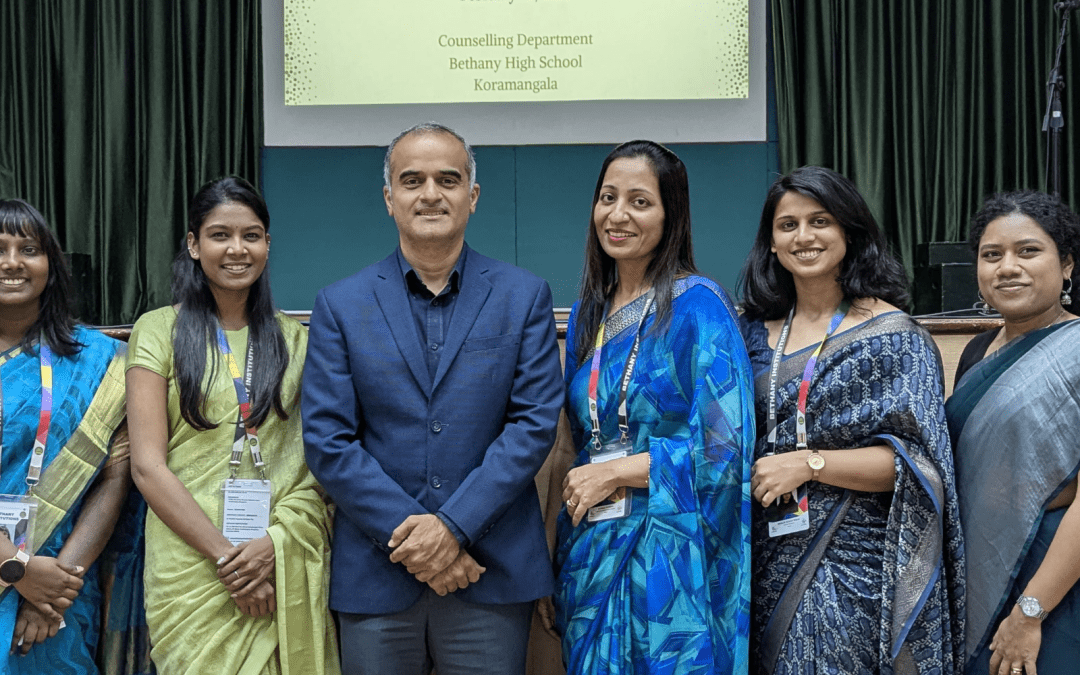
The Counselling Department at Bethany High School conducted insightful sessions on Digital Addiction for parents across Koramangala and Sarjapur campuses to address growing concerns about excessive technology use and its impact on children. The sessions aimed to provide awareness, research-backed insights, and actionable solutions to help families develop healthier digital habits.
Ms. Rohina Thomas, Senior Counsellor, led the first session, highlighting the influence of social media, toxic digital habits, and their effects on emotional and cognitive development. She emphasized the importance of setting screen time rules, leading by example, and prioritizing family time to create a healthier digital environment. A video on emerging digital trends was presented, followed by a Digital Detox Pledge, encouraging parents to implement responsible technology use at home.
The second session, led by Mr. Srihari, CEO and Co-Founder of SpryEN Solutions and SpryntZ Technologies, focused on the impact of electromagnetic radiation (EMR), its sources, and potential long-term health effects. Through live demonstrations and research-backed insights, he showcased how digital exposure influences well-being and provided practical measures to minimize risks.
Both sessions included interactive Q&A discussions, where parents actively engaged in conversations about managing digital habits, addressing behavioral concerns, and implementing structured technology use at home. These sessions reinforced Bethany High’s commitment to promoting digital wellness and intentional technology use, equipping parents with the knowledge and tools to foster a balanced digital lifestyle for their children.