by Bethany Institutions | Apr 16, 2025 | Blog Recent Post
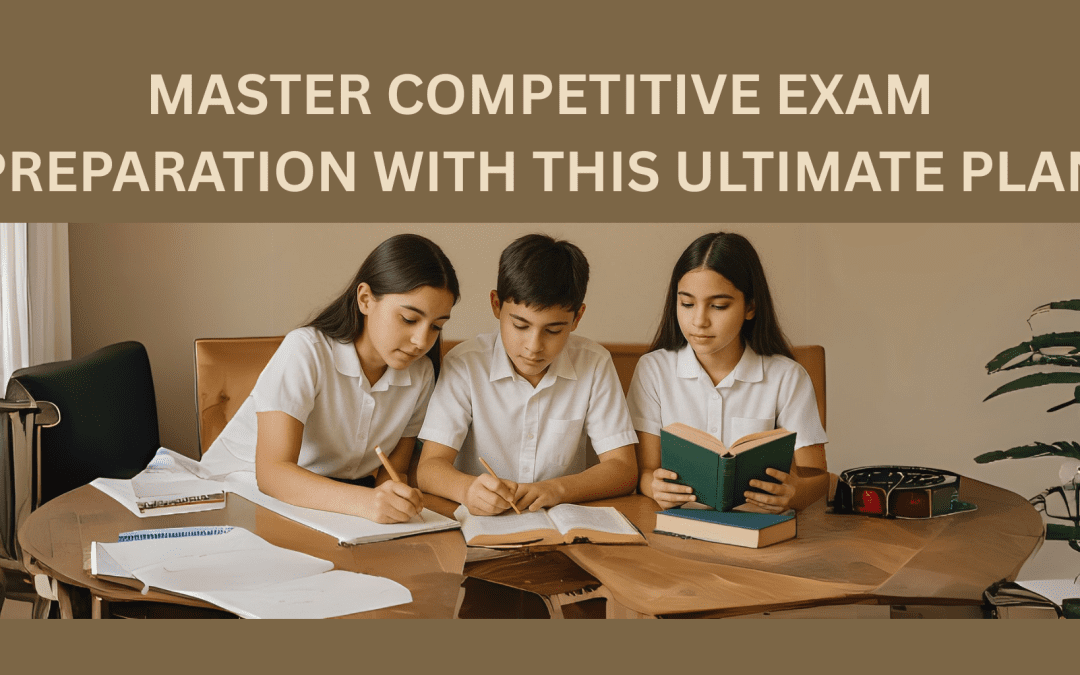
Let’s face it – competitive exams can feel like a mountain looming over us. Whether it’s for engineering, medicine, civil services, or management, these exams test more than just our knowledge. They test our patience, focus, and resilience. But here’s the good news – a smart, well-structured preparation plan can make all the difference.
At Bethany High, we’ve seen students rise to the challenge and come out shining. And today, we want to share that experience with you. This guide isn’t about shortcuts – it’s about preparing smartly and strategically, so you don’t just survive competitive exams, but truly thrive.
Step 1: Understand the Exam Format and Syllabus
Before we even crack open a book, we need to understand the battlefield. Every exam comes with its own format, sections, weightages, and scoring styles.
Start by:
- Going through the official syllabus line-by-line.
- Identifying the exam pattern: Is it objective? Are there negative markings?
- Segmenting topics into strong, moderate, and weak areas.
This clarity will help us craft an efficient exam strategy, allowing us to allocate time and energy wisely.
📌 Pro tip: Create a visual syllabus tracker so you can monitor progress across subjects.
Step 2: Create a Realistic Study Plan
Now comes the real game-changer – your study plan for competitive exams. This isn’t just a timetable; it’s a commitment to your future self.
Let’s build a plan that works:
- Block time daily for study, revision, and self-testing.
- Mix subjects – never study the same subject all day.
- Prioritise weaker areas but reinforce your strengths too.
- Add buffer days for revision and catching up.
Keep your student study schedule flexible. Life happens – and that’s okay. A realistic plan adapts to your rhythm, not the other way around.
Step 3: Time Management Tips for Efficient Studying
Managing time isn’t just about squeezing more hours in. It’s about making those hours count.
Here’s how we do it:
- Use the Pomodoro Technique – 25 minutes of focused study followed by a 5-minute break.
- Set daily goals rather than time-based ones.
- Identify your peak productivity hours – are you a morning bird or a night owl?
- Avoid multitasking. It kills efficiency.
Time management for exams isn’t a one-size-fits-all formula. Find what clicks for you and stick with it.
Step 4: Effective Study Techniques and Resources
Ever feel like you studied for hours but nothing stuck? That’s where Smart Study Techniques come in.
Let’s make learning stick:
- Active recall: Use flashcards or self-questions instead of passive reading.
- Spaced repetition: Review concepts periodically to lock them into memory.
- Mind maps & charts: Visuals help in understanding complex topics.
- Group discussions: Explaining a concept to someone else is the best test of understanding.
Also, don’t underestimate the power of the right resources – NCERTs, standard reference books, online courses, and teacher-led revision classes can make a huge impact.
Step 5: Practicing with Mock Tests and Previous Papers
This is where the magic happens.
Mocks are the closest thing to the real deal. They help us:
- Gauge our preparation level.
- Improve our speed and accuracy.
- Get familiar with time pressure.
- Identify recurring patterns in questions.
Make it a ritual to take at least one full-length mock every week. And when you’re done, review your mistakes religiously. That’s where the learning truly lies.
💡 Don’t forget to solve past years’ papers too – they often reveal valuable trends.
Step 6: Maintaining Mental and Physical Health During Exam Prep
All work and no play? Not on our watch.
To achieve success in competitive exams, you’ve got to be in top form – mentally and physically.
Here’s how to care for yourself:
- Sleep 7-8 hours a night – sleep is the best memory booster.
- Eat healthy – avoid junk that drains energy.
- Exercise regularly – even a 30-minute walk helps clear the mind.
- Take breaks – step away when you’re feeling burnt out.
And if you ever feel overwhelmed, talk to someone. Teachers, friends, family – we’re all here for you. Overcoming exam anxiety is about knowing you’re not alone.
Step 7: Last-Minute Tips for Exam Day Success
The big day is around the corner – deep breaths!
In the last week:
- Revise key formulas and concepts, not full chapters.
- Stick to what you know – now’s not the time to start new topics.
- Sleep well the night before.
- Pack your bag with everything you’ll need – admit card, pens, water bottle.
- Reach the exam centre early and stay calm.
Believe in your preparation. You’ve worked hard – now it’s time to trust the process.
Conclusion: Staying Consistent and Motivated for Long-Term Success
Competitive exam prep is a marathon, not a sprint. You’ll have ups and downs, good days and not-so-good ones. But consistency beats intensity every single time.
Remember why you started. Visualise your goal. Surround yourself with people who believe in you – like we do here at Bethany High. And when the going gets tough, just take one step forward. Then another. And another.
Together, we’ve got this.
FAQs
- What are the best study techniques for competitive exams?
Active recall, spaced repetition, and concept-based learning are some of the most effective methods. These techniques help boost long-term retention and understanding. - How can I manage time effectively during exam preparation?
Use methods like the Pomodoro Technique, make daily to-do lists, and study during your most productive hours. Avoid multitasking. - What resources can help me understand complex exam topics?
Standard textbooks, online video explanations, doubt-clearing sessions, and mind maps are excellent resources. Also, join a good coaching centre or school for guided learning. - How can I stay motivated during long study sessions?
Set small, achievable goals, take short breaks, reward yourself, and remind yourself of your end goal. Studying with friends or in a group can also help. - What should I do in the last week before the exam?
Focus on revising high-yield topics, reviewing mistakes from mock tests, and maintaining your mental health. Don’t cram new topics – stick to what you’ve already studied.
Explore how our Junior colleges in Bangalore are helping students achieve academic excellence and ace competitive exams year after year.
by Bethany Institutions | Apr 8, 2025 | Blog Recent Post
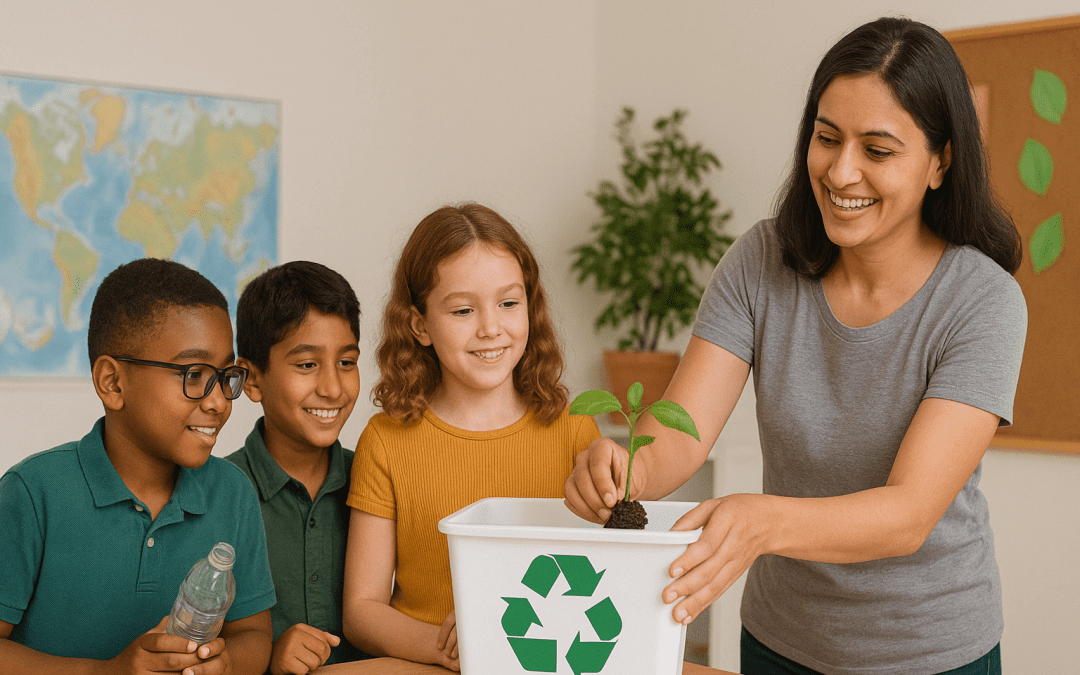
As we navigate the 21st century, sustainability has become more than just a buzzword—it’s a necessity. Schools play a crucial role in shaping future generations, and incorporating green practices into education is essential. As an educational institution, we at Bethany High firmly believe in the power of environmental education. It’s inspiring to see how ICSE schools in Bangalore are leading the way in promoting sustainability and fostering eco-friendly habits among students.
ICSE Schools’ Approach to Sustainability Education
ICSE schools in Bangalore are increasingly integrating environmental awareness into their curriculum. Sustainability is not just an afterthought—it is embedded in various subjects, from science and geography to social studies. Schools encourage discussions on climate change education, renewable energy in schools, and the impact of human activity on the planet.
What makes ICSE schools stand out is their holistic approach. Green initiatives in education are not limited to textbooks; they include practical applications, field projects, and collaborations with environmental organisations. Schools are also aligning their curriculum with Sustainable Development Goals (SDGs) in education to ensure that students understand global environmental challenges.
Green Practices Adopted by ICSE Schools in Bangalore
Schools across the city are taking significant steps toward building eco-friendly practices in schools. Here are some of the top green initiatives:
- Waste Management Programmes: Schools have introduced waste segregation, composting pits, and recycling drives to teach students responsible waste disposal.
- Energy Conservation Efforts: Many institutions have switched to renewable energy in schools by installing solar panels to reduce their carbon footprint.
- Water Conservation Measures: Rainwater harvesting and water recycling systems ensure that schools use water efficiently.
- Plastic-Free Campuses: Schools actively discourage the use of single-use plastics, replacing them with sustainable alternatives.
- Tree Plantation Drives: Regular afforestation programs help students connect with nature while improving air quality.
- Green Transport Initiatives: Schools encourage carpooling, cycling, and walking to school to reduce vehicular pollution.
Hands-on Learning: Sustainability Projects in ICSE Schools
One of the most effective ways to teach sustainability is through hands-on experiences. Schools in Bangalore engage students in student-driven green initiatives, such as:
- Eco Clubs: These student-led clubs organise awareness campaigns, plantation drives, and waste management workshops.
- Organic Farming: Schools set up kitchen gardens where students grow their own vegetables using organic methods.
- Sustainable Science Projects: Students develop innovative solutions for environmental problems, such as water purification models and solar-powered devices.
- Recycling and Upcycling Workshops: Encouraging students to repurpose waste materials creatively helps reduce landfill waste.
These initiatives not only enhance school environmental sustainability but also instil a sense of environmental responsibility in students.
The Impact of Sustainability Education on Students
A curriculum that integrates sustainable development in education has far-reaching effects. Students who engage in sustainability initiatives develop a deeper understanding of ecological issues and a sense of environmental responsibility. They become more conscious of their daily habits, making sustainable choices in their personal lives.
Additionally, participation in climate action education fosters teamwork, problem-solving skills, and leadership qualities. Many students go on to advocate for sustainability beyond the classroom, influencing their families and communities to adopt greener practices.
Challenges and Future of Green Education in ICSE Schools
While ICSE schools in Bangalore have made significant strides in promoting green education, challenges remain:
- Financial Constraints: Implementing large-scale sustainability projects often requires funding, which can be a barrier for some schools.
- Awareness and Behavioural Change: Encouraging students and staff to adopt long-term eco-friendly habits can take time.
- Infrastructure Limitations: Older school buildings may not be designed for sustainable upgrades such as solar panels or rainwater harvesting.
However, the future looks promising. With continuous efforts from educators, parents, and students, environmental responsibility in schools will only strengthen. Government initiatives and partnerships with environmental organisations can further support schools in overcoming these challenges.
Conclusion
Sustainability is not just a subject in the classroom—it is a way of life. ICSE schools in Bangalore are setting an example by embedding eco-friendly practices in schools and fostering a culture of environmental responsibility. By educating students about sustainability, we are shaping environmentally conscious citizens who will drive positive change for the planet.
At Bethany High, we are committed to being a part of this green movement, ensuring that our students grow up with the knowledge and skills to build a sustainable future.
FAQs
What is sustainability education?
Sustainability education teaches students about environmental issues, sustainable living, and the importance of conservation. It includes theoretical knowledge and practical applications to develop eco-friendly habits.
How do ICSE schools in Bangalore promote sustainability?
ICSE schools incorporate sustainability into their curriculum, implement green initiatives in education, and encourage hands-on learning through projects, eco clubs, and community initiatives.
What are some examples of green practices in ICSE schools?
Examples include waste management, renewable energy usage, water conservation, plastic-free campuses, and tree plantation drives.
Why is it important for students to learn about sustainability?
Understanding sustainability helps students become responsible citizens who care for the environment. It equips them with knowledge and skills to tackle climate change and promote sustainable living.
For more information on ICSE Schools in Bangalore, visit Bethany High.
by Bethany Institutions | Apr 4, 2025 | Blog Recent Post
At Bethany High, we believe education should be for everyone, no matter their background, abilities, or learning needs. Inclusive education is not just a philosophy—it’s a commitment to ensuring that every student has access to the same opportunities, resources, and experiences within the same classroom. Schools across Bangalore, especially ICSE institutions, are taking progressive steps to embrace diversity and create an environment that nurtures every child.
The Role of ICSE Schools in Bangalore
ICSE schools in Bangalore have always been known for their well-rounded curriculum, focusing on both academic excellence and holistic development. With inclusivity becoming a key focus in modern education, these schools are actively adopting student inclusion policies that cater to children with different learning needs, socio-economic backgrounds, and abilities. At Bethany High, we ensure that our inclusive approach aligns with the ICSE syllabus while fostering equity in education for all.
Diversity in the Classroom: Addressing Student Needs
Diversity in education is no longer just about cultural and linguistic differences. It encompasses students with special education needs, gifted learners, and those from various socio-economic backgrounds. Schools today are evolving to accommodate different learning styles, making classrooms more engaging and accessible. Our inclusive classrooms use differentiated instruction to ensure that every child learns at their own pace, fostering student engagement and confidence.
Inclusive Practices in ICSE Schools
Bangalore schools are increasingly adopting inclusive practices that enhance the learning environment for all students. Some of these initiatives include:
- Learning Support Programs: Specially designed programs that help students who need additional academic or behavioural support.
- Differentiated Instruction: Teachers modify lesson plans to suit different learning abilities, ensuring that every student grasps concepts effectively.
- Peer Learning and Buddy Systems: Encouraging students to support and learn from each other, fostering a sense of belonging.
- Teacher Training Programs: Continuous professional development ensures that educators are equipped with skills to handle diverse classrooms.
- Accessible Infrastructure: Ramps, elevators, and resource centres are being integrated to accommodate students with physical disabilities.
Creating a Supportive School Environment
A truly inclusive school goes beyond academics; it cultivates a nurturing atmosphere where every student feels safe, valued, and supported. At Bethany High, we focus on:
- Counselling and Mental Health Support: Professional guidance for students who need emotional or psychological support.
- Parental Involvement: Working closely with parents to create personalised learning strategies for children with special needs.
- Extracurricular Inclusion: Ensuring that every student has the opportunity to participate in sports, arts, and cultural activities.
- Equity in Education: Addressing systemic barriers to make learning more accessible to students from different socio-economic backgrounds.
Challenges in Implementing Inclusive Education
While ICSE schools in Bangalore have made significant progress, implementing inclusive education comes with its share of challenges:
- Teacher Training: Not all educators are trained to handle special education needs effectively.
- Resource Allocation: Schools require additional funding and infrastructure to support inclusive learning environments.
- Parental Awareness: Some parents may be hesitant about inclusive education due to a lack of understanding or concerns about academic competitiveness.
- Standardised Testing Pressure: Balancing an inclusive approach with the demands of rigorous ICSE assessments can be challenging.
Despite these hurdles, Bethany High and other progressive ICSE schools in Bangalore continue to push forward, ensuring that inclusive education remains a priority.
Conclusion
Inclusive education is not just about integrating students into a classroom—it’s about building an environment that respects and celebrates diversity. At Bethany High, we are proud to be at the forefront of this movement, ensuring that every student receives the support, encouragement, and opportunities they deserve. As Bangalore’s educational landscape evolves, we remain committed to fostering inclusive classrooms that inspire learning, collaboration, and growth for all.
FAQs
1. What is the main difference between ICSE and CBSE?
ICSE focuses on a comprehensive syllabus with an emphasis on language and practical knowledge, while CBSE is more streamlined and geared towards competitive exams.
2. Which board is better for a career in science?
Both boards offer strong foundations for science careers. ICSE provides in-depth conceptual understanding, while CBSE is preferred for entrance exam preparation.
3. How do ICSE and CBSE handle extracurricular activities?
ICSE schools encourage a balanced approach to academics and extracurriculars, while CBSE schools also offer various activities but with a stronger focus on academics.
4. What is the admission process for ICSE and CBSE schools in Bangalore?
Each school has its own admission process, but generally, it includes filling out an application, entrance tests (if required), and an interview.
5. Are ICSE schools more expensive than CBSE schools?
Yes, ICSE schools tend to be more expensive due to the extensive curriculum, additional learning resources, and a broader subject selection.
For more details about inclusive education and to explore why Bethany High is one of the Best ICSE Schools in Bangalore, visit our website.
by Bethany Institutions | Apr 3, 2025 | Blog Recent Post
When it comes to choosing the right education board for your child, I know how overwhelming it can be. As parents, we all want to give our children the best possible foundation, and one of the biggest decisions we make is selecting the board of education that will shape their academic journey. At Bethany High, we’ve often met parents who are unsure about what makes the ICSE board different from others like CBSE or State Boards. So, let us walk you through what we’ve learnt over the years about the ICSE syllabus and why many parents choose it for their children.
The Indian Education System: A Quick Overview
India is home to a variety of school education boards, each offering unique teaching styles, exam patterns, and syllabus structures. The most common boards you will come across are:
- ICSE (Indian Certificate of Secondary Education)
- CBSE (Central Board of Secondary Education)
- State Boards (specific to each state)
- IB (International Baccalaureate)
- Cambridge (IGCSE)
While all boards aim to educate, the approach each one takes can make a significant difference in your child’s learning style, skill development, and even how they handle real-world challenges later on.
Understanding the ICSE Syllabus
We’ve worked with the ICSE curriculum for years, and one thing we can tell you is that it is a thorough and well-rounded syllabus. Unlike boards that lean heavily towards exam-based learning, ICSE focuses on comprehensive learning. Students are encouraged to not just memorise but understand, analyse, and apply what they learn.
The syllabus covers:
- Languages: English is given strong emphasis, which helps develop excellent communication skills.
- Sciences: Physics, Chemistry, and Biology are treated as separate subjects, giving students deeper knowledge.
- Mathematics: More detailed, with strong problem-solving components.
- Social Sciences: History, Civics, and Geography are taught in depth.
- Art, Craft, Physical Education, and even Environmental Education are compulsory parts of the curriculum.
This approach helps students not just score marks but also develop important life skills like analytical thinking, creativity, and strong communication — the very essence of skill development in ICSE.
ICSE vs CBSE: What’s the Difference?
Let’s break it down.
| Aspect | ICSE | CBSE |
| Focus | Conceptual understanding and practical application | Exam-oriented and theoretical learning |
| Syllabus Depth | More detailed and extensive | More compact and easier to follow |
| Language | Strong emphasis on English | Bilingual (English & Hindi), less focus on English fluency |
| Subjects | More variety and compulsory subjects like Environmental Education and Arts | Offers more flexibility with subjects |
| Recognition | Highly valued in India and abroad | Preferred for Indian competitive exams |
In simple terms, the ICSE curriculum is perfect if you want your child to build a strong foundation, especially in English and analytical skills, while CBSE may suit those focusing more on competitive exams like NEET or JEE.
ICSE vs State Board: How Does the Syllabus Differ?
The ICSE vs State Board comparison is often about depth vs simplicity. State Boards vary from one state to another, with syllabi designed according to regional needs and often in the state language.
While this is beneficial for students aiming for state-level exams or colleges, the ICSE syllabus offers:
- More in-depth learning across all subjects
- A stronger focus on English proficiency
- Equal emphasis on arts, humanities, and sciences
- Practical knowledge through project work, lab sessions, and real-life applications
We’ve seen many students who transition from State Boards to ICSE find the curriculum initially challenging but ultimately rewarding as it opens up more avenues for global recognition and higher education abroad.
The Syllabus Advantage: Why ICSE Stands Out
We’ve personally noticed, year after year, that ICSE students don’t just learn to pass exams — they learn to understand. Here’s why we believe ICSE holds a unique advantage:
1. Comprehensive Learning in ICSE
Every subject is taught holistically. Students are not only expected to write answers but to understand the ‘why’ behind every concept.
2. Skill Development in ICSE
From analytical thinking to communication, the ICSE curriculum promotes critical life skills that are needed beyond the classroom.
3. Balanced Approach
Subjects like Art, Craft, Drama, Physical Education, and Environmental Studies are given equal importance, promoting a holistic education approach.
4. Project Work & Internal Assessments
ICSE places a good deal of emphasis on project work and practicals, which help in real-life application of knowledge, team work, and creativity.
5. Depth of ICSE Syllabus
The depth of the syllabus might seem like a lot at first, but it prepares students for higher education — both in India and abroad — without the shock of suddenly facing complex concepts.
Global Recognition: ICSE and International Standards
If you are considering education beyond Indian borders, ICSE is often a great advantage. The ICSE school system advantages are recognised by many international universities because:
- The syllabus is on par with international curricula.
- English language proficiency is naturally stronger.
- Students are already familiar with project-based and research-based learning.
It’s no surprise that students from ICSE schools in Bangalore, including ours, have often gone on to thrive in international universities.
Choosing the Right Board: Factors to Consider
Of course, every child is unique, and no one board fits all. Here are a few things we always suggest parents consider:
- Your child’s learning style: Does your child thrive with detailed concepts or prefer structured, exam-focused learning?
- Future academic goals: Are you aiming for competitive exams in India or exploring international opportunities?
- Location: If you are moving between states, CBSE or ICSE may offer more uniformity compared to State Boards.
- Skill development: Do you want your child to focus on creativity, analytical skills, and communication alongside academics?
Conclusion
In the end, what matters most is your child’s growth, confidence, and love for learning. At Bethany High, we strongly believe that the ICSE board offers a syllabus advantage that goes beyond just books and exams. It prepares children for life.
If you’re looking for ICSE Schools in Bangalore, do check out what we offer at Bethany Institutions. We would love to welcome you into our family!
FAQs
What is the main difference between ICSE and CBSE?
The ICSE focuses more on detailed, concept-based learning while CBSE is more exam-oriented.
Is ICSE harder than other boards?
It can feel more challenging because of its depth, but it also prepares students better for the future.
Which board is better for competitive exams, ICSE or CBSE?
CBSE has an advantage for Indian competitive exams, but ICSE students develop strong analytical skills that can be an asset in any exam.
Does ICSE have more global recognition than other boards?
Yes, ICSE is well-regarded by many international universities thanks to its comprehensive and English-rich curriculum.
by Bethany Institutions | Mar 27, 2025 | Blog Recent Post
India is a kaleidoscope of colours, a symphony of traditions, and a living storybook of heritage. From the golden glow of Diwali diyas to the riotous hues of Holi gulal, every festival in our country is a thread in the vibrant fabric of who we are. At Bethany High, we believe these celebrations are more than dates on a calendar; they’re the heartbeat of our identity.
Think about it: How many places in the world can you sway to carols in December, dance the Garba under October skies and share seviyan with friends on Eid? India’s festivals are a masterclass in unity in diversity, and for our students, they’re a passport to understanding what makes our culture extraordinary.
Celebrating Indian festivals in schools isn’t just about paper lanterns or sweet treats. For us, it’s about:
- Breathing life into history: When students re-enact Ramayana scenes or create Warli art, textbook lessons transform into lived experiences.
- Celebrating the everyday magic: The patiencerequired to rollg a perfect modak, themaths behind a symmetrical rangol— traditions turn ordinary moments into wonder.
- Building bridges: As our pupils swap stories about Pongal harvests or Lohri bonfires, they don’t just learn about cultures – they learn from them.
Why Celebrating Indian Festivals at School Matters
A classroom buzzing excitedly as students craft Diwali lamps or collaborate on a Christmas star. These moments aren’t just fun – they’re powerful learning opportunities. Festivals help pupils appreciate India’s diversity, fostering respect for different customs and beliefs. They also teach teamwork, creativity, and empathy in ways textbooks simply can’t.
Popular Indian Festivals
From the sparkle of Diwali to the rhythm of Garba nights, our school calendar is dotted with celebrations. Here’s how we bring them to life:
- Diwali: Think twinkling diyas, rangoli competitions, and pupils giggling as they share homemade mithai. We even host “Eco-Friendly Diwali” workshops to blend tradition with environmental awareness.
- Holi: Stories about Holika Dahan that turn history into gripping drama!
- Eid: Students exchange heartfelt cards and share stories during assemblies that highlight the festival’s spirit of gratitude and community.
- Christmas: Carols echo through corridors, while younger pupils beam with pride during their Nativity play debut.
- Navratri & Ganesh Chaturthi: The gym becomes a dance floor for dandiya nights, and eco-friendly clay Ganesha workshops get everyone’s hands messy (in the best way!).
Tradition Meets Creativity: How We Blend Learning & Fun
Forget boring lectures! Our teachers cleverly weave festival traditions into lessons:
- Maths meets Mehndi: Pupils explore symmetry through henna designs.
- Science in the Kitchen: Making coconut barfi becomes a lesson on states of matter.
- Drama with a Message: Skits about harvest festivals turn into discussions about sustainability.
Even our shyest students shine during these activities.
Teachers: The Secret Sauce Behind Memorable Celebrations
Our staff don’t just organise events – they create magic. Whether it’s demonstrating Bharatanatyam mudras or helping pupils craft eco-friendly Christmas ornaments, their enthusiasm is contagious. Their favourite part is seeing children from different backgrounds explain their family traditions to classmates.
Beyond the Classroom: How Festivals Build Community
At Bethany High, festivals are more than celebrations—they’re threads that weave our school into a vibrant, united community. Through shared traditions and collective joy, students, teachers, families, and neighbors come together, breaking barriers of age, background, and roles. Whether it’s collaborating on decorations, performing cultural stories, or simply sharing festive meals, these moments create bonds that extend far beyond the classroom. Festivals remind us that we’re part of something bigger: a community that learns, celebrates, and grows together.
FAQs: Your Festival Questions Answered
Q: Doesn’t focusing on festivals distract from academics?
A: Quite the opposite! Research shows cultural activities boost creativity and critical thinking. Our pupils often produce their best writing and art projects during festive terms.
Q: How do you handle festivals not celebrated by all students?
A: Through open dialogue and choice. During Onam, non-Malayali pupils often volunteer to help with flower arrangements, while others might explore its harvest themes through science projects.
Q: Any tips for schools starting their cultural celebration journey?
A: Start small! Even a single well-planned event like a storytelling week can spark excitement. Let pupils’ curiosity guide you – you’ll be amazed where it leads!
The Ripple Effect: Why These Memories Matter
As alumni often tell us, festival memories stick long after maths formulas fade. At Bethany High, festivals as more than events. They’re living classrooms where lessons about empathy, heritage, and joy come alive. And really, what could be more important than that?
Fancy experiencing our festive spirit firsthand? Explore our cultural programmes or learn how we nurture creativity through tradition.