To learn more or apply for admissions in the academic year 2026–27. Click here
To learn more or apply for admissions in the academic year 2026–27. Click here
To learn more or apply for admissions in the academic year 2026–27. Click here
To learn more or apply for admissions in the academic year 2026–27. Click here
To learn more or apply for admissions in the academic year 2026–27. Click here
To learn more or apply for admissions in the academic year 2026–27. Click here
At Bethany High, we often talk about how stories shape us. But there’s something uniquely powerful about autobiographies. These are not just tales — they’re lived experiences, the raw, unfiltered journeys of individuals who dared to dream, fall, fight, and rise again. Whether you’re a student trying to figure out life or a teacher hoping to inspire, autobiographies are some of the most inspiring life stories you can turn to.
We believe that reading about someone’s real-life struggles and triumphs can be a turning point. So, in this blog, we’re diving into five must-read autobiographies that we think will leave a mark on you — just like they did on us!
Why Autobiographies Are Worth Reading
There’s a reason why autobiographies often feature in lists of inspirational books to read. They provide more than just information; they offer perspective. When you read about someone overcoming hardship or chasing their passion, you gain more than knowledge — you gain wisdom.
Autobiographies help you:
Learn from real experiences.
Understand resilience and determination.
Develop empathy and broaden your worldview.
Find motivation during tough times.
Embrace personal growth through reading.
Top 5 Must-Read Autobiographies
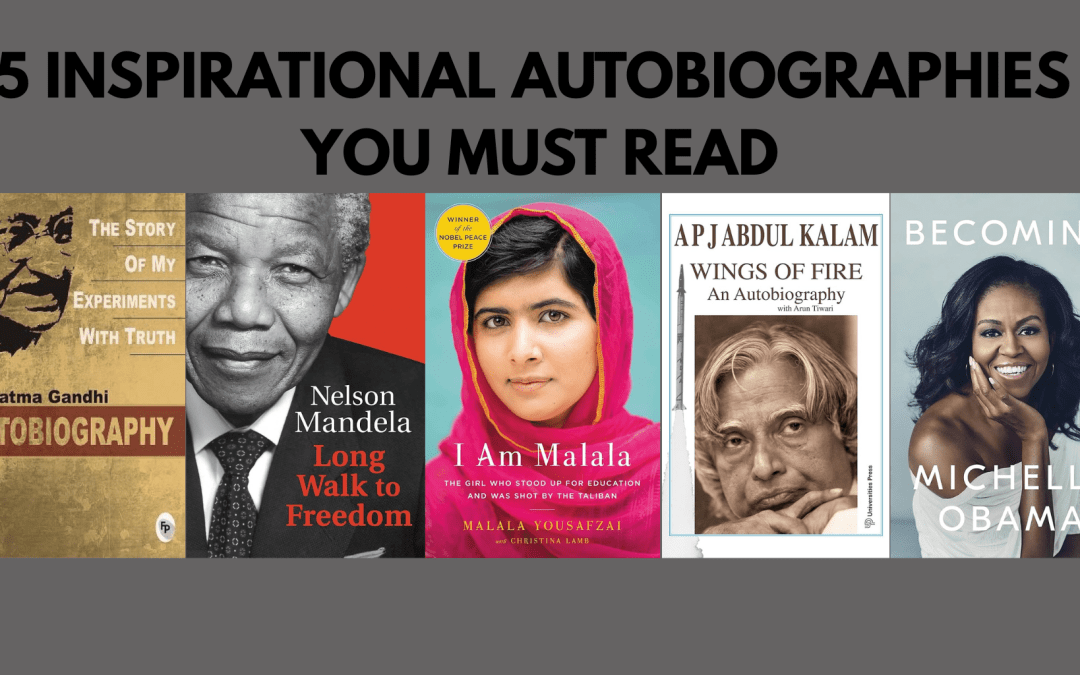
The Story of My Experiments with Truth by Mahatma Gandhi
Gandhiji’s autobiography is not just a book — it’s a spiritual journey. Through his personal experiences, he lays out his path of self-discovery, non-violence, and truth. It’s a brilliant example of self-improvement through books, as it shows how inner transformation can bring about external change.
Why we love it:
It’s deeply personal and reflective.
Offers valuable life lessons from autobiographies.
Inspires readers to stand by their principles.
Long Walk to Freedom by Nelson Mandela
Mandela’s story of going from prisoner to President is one of the most iconic in modern history. His unwavering fight for equality and justice in South Africa is documented with honesty and grace.
Why it’s a must-read:
Shows the power of perseverance.
A shining example of autobiographies that motivate.
Gives insights into leadership, sacrifice, and forgiveness.
I Am Malala by Malala Yousafzai
This is the story of the young girl who stood up to the Taliban to fight for her right to education. Malala’s voice is clear, passionate, and inspiring — especially for students and young adults.
What makes it special:
Encourages young readers to value education.
A modern tale of courage and conviction.
Perfect for those looking for motivational stories.
Wings of Fire by Dr. A.P.J. Abdul Kalam
A beloved Indian scientist and former President, Dr. Kalam’s autobiography captures his journey from a small town in Tamil Nadu to becoming one of India’s most respected leaders.
Why you should read it:
A story close to home and highly relatable.
Focuses on dreams, discipline, and dedication.
A true gem among the best autobiographies by Indian authors.
Becoming by Michelle Obama
In this deeply honest and beautifully written memoir, Michelle Obama takes us through her childhood, career, and her time as the First Lady of the United States. Her story is about identity, family, and finding your voice.
Why it belongs on this list:
Highlights the power of authenticity.
A great example of must-read biographies for personal growth.
Especially empowering for young women.
Life Lessons from Autobiographies
Each of these books carries a unique message, but if we had to summarise, here are a few things we’ve learnt:
Resilience is not a trait — it’s a choice we make every day.
Education is a tool of empowerment.
Standing by your values can change the world.
Dreams are valid, no matter where you come from.
Growth often comes through struggle.
How Autobiographies Can Change Your Perspective
Reading autobiographies allows us to walk in someone else’s shoes. It’s a form of travel — not just to different places, but into different minds. It teaches us empathy, and more importantly, it teaches us that the people we admire also have flaws and fears.
These books are like friendly mentors sitting on your bookshelf. Whenever you feel stuck, uninspired, or lost, they remind you that you’re not alone — and that change is always possible.
Conclusion: Inspiring Change Through Personal Stories
At Bethany High, we believe in the power of storytelling to spark real change. The autobiographies we’ve shared above are more than just great reads — they’re roadmaps for growth, courage, and purpose. They remind us that no dream is too big and no obstacle too great.
So the next time you’re looking for some inspiration, pick up one of these incredible reads. And who knows — maybe your own story is the next one someone else needs to read.
For more such inspiring reads and to know how we nurture young minds at Bethany High, check out ourjunior colleges in Bangalore.
FAQs
What are the best autobiographies to read for motivation? Books like Wings of Fire, I Am Malala, and Long Walk to Freedom are packed with motivation drawn from real-life experiences.
Why are autobiographies important for personal growth? They provide life lessons, teach empathy, and offer real-world examples of how to overcome challenges.
How can autobiographies inspire you to overcome challenges? By reading how others have faced adversity, you’ll learn to tackle your own with resilience and hope.
Which autobiographies have had the greatest impact on readers? Autobiographies by leaders like Gandhi, Mandela, and Malala have inspired millions across the globe.
Where can I find autobiographies that will motivate me? Your local library, online bookstores, or even Bethany High’s blog (like this one!) are great places to start.
Whether you’re a curious student, a passionate teacher, or a lifelong learner, we hope this list gives you your next favourite read. Happy reading!
With over 60 years of educational heritage, Bethany Institutions continues to nurture students into well-rounded individuals equipped to thrive in all walks of life. Since our affiliation with the Council for the Indian School Certificate Examinations (CISCE) in 1975 and the graduation of our first ICSE batch in 1976, we have steadily grown in strength and reputation, producing numerous toppers at both state and national levels.
At Bethany, we believe education extends far beyond the classroom. Our focus on holistic development includes strong encouragement for students to participate in sports, music, drama, and other co-curricular pursuits.
Results That Speak for Themselves
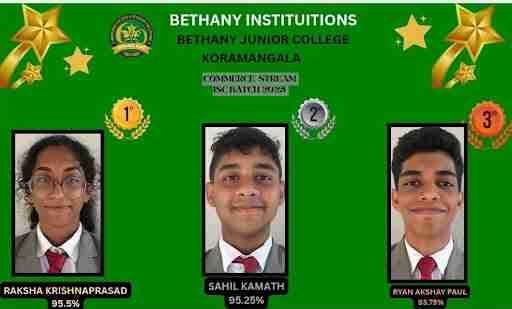
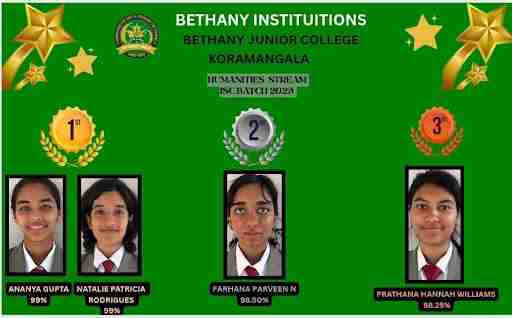
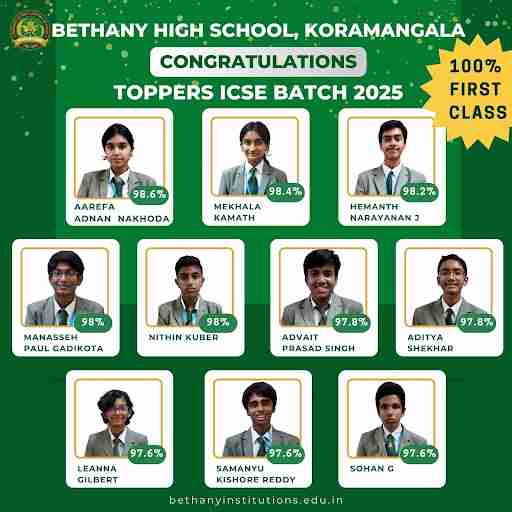
We are immensely proud to announce that for the academic year 2024–2025, our students from the:
ICSE – Koramangala & Sarjapur branches, and
ISC – Koramangala branch
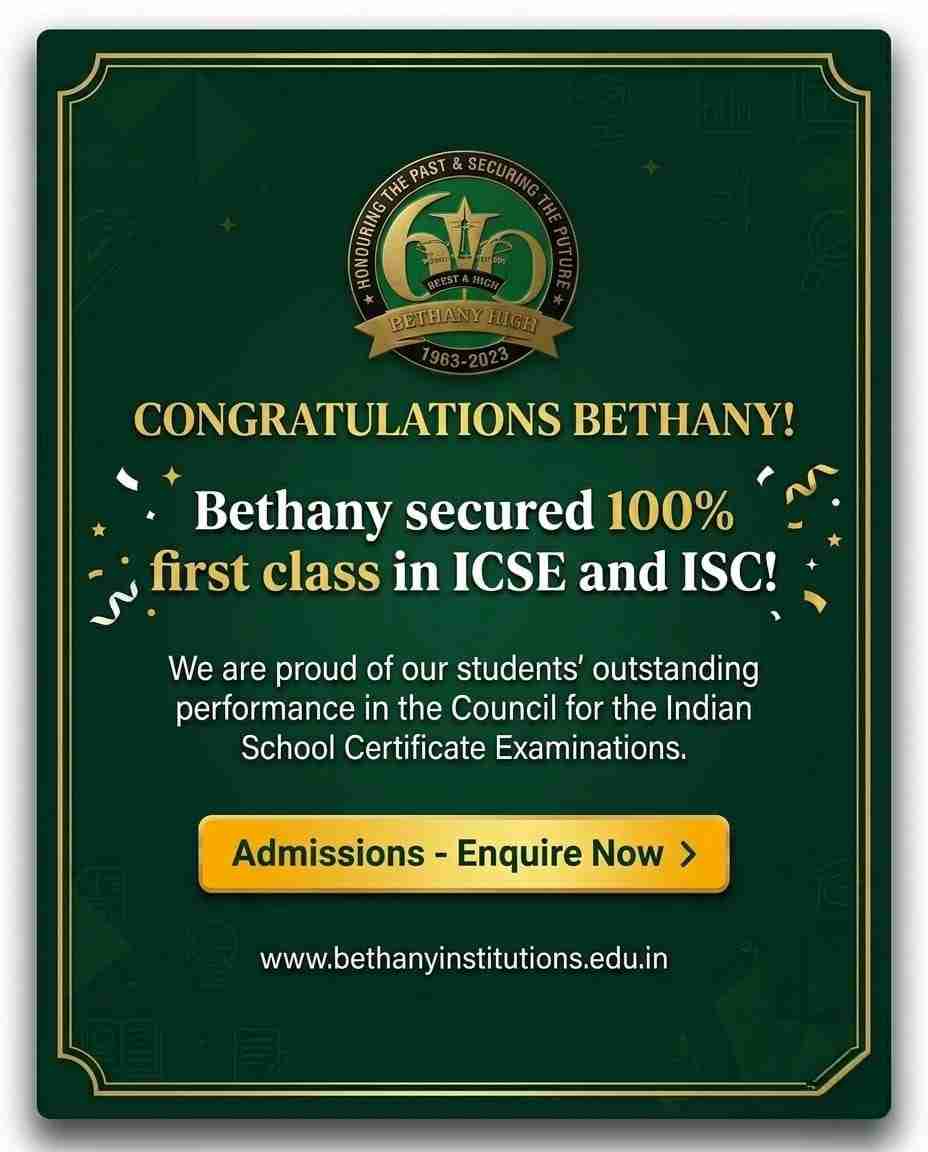
Have achieved a 100% pass rate, with every student securing First Class.
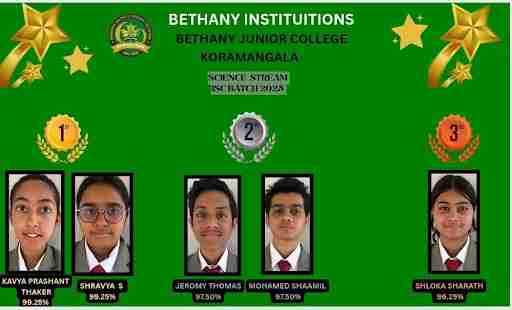
⭐ ISC Topper: 99.25% ⭐ ICSE Topper: 98.6%
These achievements truly reflect the hard work, resilience, and dedication demonstrated by our Grade 10 and 12 students, supported by a committed teaching faculty and an encouraging school environment.
Achieving More Beyond the Classroom
These results are even more remarkable because many of our toppers were active participants in diverse school activities. These students exemplify the Bethany spirit from sports fields to the stage.
Some were dedicated athletes, participating in athletics, fencing, with one student even representing at the national level, and cricket tournaments. Others played key roles in our ambitious school musical production, ‘Big Fish’, staged in December 2024, where they contributed as actors, singers, dancers, and musicians.
Preparing for such a grand performance required intensive rehearsals and extended practice hours, yet these students skillfully balanced their commitments, demonstrating exceptional time management, discipline, and perseverance. Despite demanding schedules, they not only managed their academics but also excelled with outstanding results.
Let Their Light Shine
At Bethany,we believe “Let Your Light Shine” is a guiding principle that shapes the journey of every student. Each child carries a unique spark, and we are dedicated to nurturing that spark to help them shine brightly in academics, arts, sports, and life.
To our brilliant Grade 10 and 12 students: You have made us incredibly proud. Continue to shine, inspire, and lead, wherever your path may take you.
Leadership Reflections
A Word from Our Director
“Very very proud of the achievement of the students and faculty.” — Dr Akash Ryall, Director, Bethany Institutions
From Our Principals
“The 2024–2025 batch has shown what it truly means to balance excellence with passion. Their success shows that hard work and heart go hand in hand.” — Mr Robert Khin, Principal, Bethany – Koramangala
“We at Bethany Sarjapur are extremely proud of our students for achieving such outstanding results. It’s a testament to their hard work and commitment, as well as the efforts of our teachers. Year after year, our students have achieved consistently excellent results, and we are so proud of each one of them for keeping the flag of Bethany High Sarjapur flying high.” — Mrs Sangeetha Macaden, Principal, Bethany – Sarjapur
Congratulations to all our students, staff, parents, and the Bethany family on this outstanding achievement!
We’ve all heard the saying – Knowledge is power. In 2024, staying informed isn’t just about being smart at quizzes or sounding clever at dinner conversations. It’s about understanding the world we live in, how it’s changing, and what these changes mean for us – as students, educators, and global citizens. At Bethany High, we believe in nurturing not just academic excellence, but also awareness and curiosity. So, let’s take a deep dive into the current affairs of 2024 and see what’s shaping our world today.
Introduction: Overview of Current Affairs in 2024
This year has been nothing short of transformative. From elections that might reshape political systems, to new technologies breaking ground, and global events bringing nations together or pulling them apart – 2024 is buzzing with headlines. Whether you’re a student in school or a parent keeping up with your child’s learning, knowing what’s happening around us helps connect classroom knowledge with real-world events. Let’s explore the most talked-about stories so far.
Key Global Events in 2024
The world stage has been quite active. Some of the most striking global news stories of 2024 include:
Climate Summits and Environmental Agreements: This year’s UN Climate Conference in Brazil brought major breakthroughs, with countries pledging stricter emissions targets. India played a key role, advocating sustainable development without compromising economic growth.
Paris Olympics 2024: A spectacular event not just for sports fans. India celebrated a historic medal haul, which has sparked conversations about sports infrastructure in schools and the importance of physical education.
Conflicts and Peace Talks: Ongoing tensions in regions like Ukraine and the Middle East have seen fresh attempts at peace negotiations, reminding us of the fragile state of world affairs in 2024.
Political Landscape: Major Elections and Movements
It’s been a politically charged year across continents:
India’s General Elections: As one of the biggest democratic exercises in the world, India’s 2024 general elections brought a renewed focus on education reforms, youth employment, and digital innovation.
US Presidential Race: A close contest that has global repercussions, especially regarding climate policy, trade deals, and diplomatic relations.
New Political Movements: Across Europe and South America, young voters are reshaping political narratives, with climate activism and digital rights becoming election talking points.
These 2024 political updates are a reminder of how democracy evolves – and how each generation has the power to shape it.
Economic Trends and Shifts in 2024
The global economy in 2024 is a mix of recovery, innovation, and caution:
Post-Pandemic Recovery: Many economies are stabilising, but inflation and job market shifts continue to affect families, especially in developing countries.
Rise of Digital Currencies: Nations like Singapore and the UAE are experimenting with central bank digital currencies (CBDCs). India, too, is testing its digital rupee, which could redefine banking for the next generation.
Green Economy: Renewable energy investment is at an all-time high. With more students getting interested in sustainable careers, this trend is deeply linked to what we teach in classrooms today.
Understanding these economic trends helps students see how subjects like maths, economics, and business are deeply connected to the real world.
Technological Advancements and Innovations
Tech is advancing faster than ever. Some breakthroughs in 2024 include:
AI in Education: From personalised learning platforms to AI tutors, education is being revolutionised. At Bethany High, we’re watching these tech innovations closely as we prepare our students for a future-ready world.
Space Missions: NASA and ISRO both launched missions to explore the moon’s polar regions. These achievements inspire young minds to look beyond the stars.
Health Tech and Wearables: With smartwatches now monitoring everything from glucose levels to mental health, there’s a new focus on proactive wellbeing – something we’re increasingly discussing in school wellness programmes.
Social and Cultural Changes Around the World
The cultural fabric of the world is also shifting in fascinating ways:
Mental Health Awareness: 2024 saw the UN designate a Global Youth Mental Health Day, encouraging schools worldwide – including ICSE schools in Bangalore – to prioritise student wellbeing.
Rise of K-Culture and Global Entertainment: K-pop, anime, and international streaming content are no longer just trends – they’re shaping youth identity, art, and even language learning.
Hybrid Learning and Work Models: Flexibility has become the norm. Whether it’s working parents or online learners, digital integration is influencing how we live and learn.
These social shifts highlight how important it is to adapt our education to prepare students for a rapidly changing world.
Conclusion: How These Events Impact the Future
We’ve only scratched the surface of the important events of 2024. But if there’s one takeaway, it’s that current affairs matter – to all of us. They affect how we learn, how we work, and how we dream about the future.
At Bethany High, we make it a point to connect academics with what’s happening around us. Whether it’s through class discussions, school debates, or community projects, we believe that being aware of world events builds critical thinking, empathy, and confidence.
So the next time you hear about a world event, a political movement, or a tech breakthrough, don’t just scroll past. Ask what it means for you, your family, and your school. Because when we understand the world, we’re better prepared to change it.
FAQs
What are the most important global events of 2024? The Paris Olympics, India’s general elections, climate agreements, and global peace talks have been among the top stories this year.
How do current affairs affect our daily lives? They influence everything from job markets to education systems and even what we watch and consume. Being informed helps us make better choices.
What are the key political events to follow in 2024? India and the US elections, new youth-led movements in Europe, and developments in Middle Eastern politics are shaping global political trends.
What major technological trends are shaping 2024? AI in education, space exploration, and health tech are leading innovations this year.
How can I stay updated on current affairs? Read reputable news sources, follow international and local updates, and join school activities like debates and quizzes.
Stay curious, stay aware – and keep learning with us at Bethany High.
Have you ever imagined yourself confidently standing in a room full of people, putting your point across with clarity and strength? That moment when your voice gets heard and your arguments turn heads – that’s the magic of debating and participating in Model United Nations (MUN) conferences. At Bethany High, we believe that every student can shine in these spaces, with the right preparation and guidance. Whether you’re eyeing your first ever debate or gearing up for your first MUN, we’re here to help you every step of the way.
Why Debating and MUN Matter
Debates and MUNs are more than just school events. They teach us to listen, think critically, speak clearly, and become more aware of the world around us. These experiences help build leadership skills in debates, instill public speaking confidence, and train us to work as a team.
MUNs in particular are fantastic for understanding international relations, diplomacy, and problem-solving. So, if you’re aiming for personal growth, confidence, and maybe even a few awards, let’s dive into how to make your first experience a winning one!
Essential Skills for Debating and MUN Success
To succeed in debates and MUNs, you need more than just strong opinions. Let’s talk about the key debate skills and MUN tips that will set you apart:
Critical Thinking: Analyse both sides of a topic, not just your own.
Listening Skills: Responding effectively means truly hearing what others say.
Research Abilities: Knowledge is your power tool.
Persuasive Speaking: It’s not what you say, but how you say it.
Team Collaboration: Especially important for MUNs.
Preparing for Your First Debate
Debating may seem intimidating at first, but with a bit of prep, you’ll do just fine. Here’s how to get started:
Understand the Format: Is it an Oxford-style debate? Is it structured with rebuttals and conclusions? Knowing the rules is key.
Pick Your Side Wisely: Sometimes you’ll be assigned a side you don’t agree with. Use it as a learning opportunity.
Gather Strong Evidence: Use current events, statistics, expert quotes, and logical reasoning.
Practice with a Partner: Hold mock debates with friends or classmates.
Focus on Flow: Your points should connect smoothly, leading your audience from one idea to the next.
Tips for Excelling in Your First MUN Conference
A MUN might feel like a high-pressure environment, but trust us, it’s an exciting chance to grow. Here are some of our favourite MUN success tips:
Know Your Country: Be clear about the nation you represent and its stance on various issues.
Learn MUN Lingo: Terms like “moderated caucus”, “resolution”, and “working paper” will come up a lot.
Practice Public Speaking: Even if you’re shy, practising aloud at home makes a big difference.
Draft Position Papers Early: These show your understanding and help you speak with authority.
Stay Active in Committees: Participation matters as much as content.
Building Confidence in Public Speaking
We know public speaking can be nerve-racking, especially for beginners. But here are some simple tricks to help build your confidence:
Start Small: Practise speaking in front of friends or family.
Record Yourself: Listening to your own voice helps identify areas to improve.
Use Simple Language: You don’t need big words to make a strong point.
Pause and Breathe: This helps calm nerves and gives you time to think.
Remember, every great speaker started somewhere. You’ve got this!
The Importance of Research and Strategy
Whether you’re debating or doing MUN, research is half the battle won. Here’s how to make it effective:
Stay Updated on Current Affairs: Knowing what’s happening around the world in 2024 is crucial.
Use Credible Sources: News websites, scholarly journals, and official documents are your best friends.
Prepare Counter-Arguments: Anticipate what the other side might say.
Make a Strategy Plan: Know when to speak, when to support, and when to challenge.
Handling Nerves and Staying Calm
Everyone gets nervous. But the key is learning how to channel that energy. Here are some ways we manage our pre-event jitters:
Visualise Success: Picture yourself doing well.
Practice Deep Breathing: It really helps slow your heart rate.
Talk to Fellow Delegates or Debaters: Everyone is in the same boat. A bit of banter helps lighten the mood.
Focus on the Message, Not the Fear: Remind yourself why your point matters.
Conclusion: Becoming a Stronger Speaker and Leader
Winning your first debate or MUN isn’t just about taking home a trophy. It’s about finding your voice, becoming more aware, and gaining skills that will stay with you for life. At Bethany High, we nurture these experiences because we believe in the power of expression and leadership.
So, whether you’re considering joining your school’s debate team or registering for your first Model United Nations conference, we say: go for it! Take that first step, and we’ll be right here cheering you on.
And if you’re looking for a school that actively supports platforms like these, don’t forget to explore ourjunior colleges in Bangalore.
FAQs
What are the key skills to win in a debate or MUN? Strong communication, critical thinking, teamwork, and thorough research are the key skills that lead to success.
How do I prepare for my first Model United Nations conference? Start with understanding the format, researching your country, preparing position papers, and practising public speaking.
What strategies can I use to stand out during debates? Structure your arguments well, support them with evidence, and maintain confident body language. Engaging rebuttals also make a big difference.
How can I overcome nervousness during public speaking? Practise regularly, breathe deeply, start small, and focus on your message rather than your fear.
Is it possible to win a MUN conference as a beginner? Absolutely! Many first-timers have won because of strong preparation and participation. Believe in yourself and give it your best!
Cognitive development refers to the process by which young children acquire knowledge, think critically, and develop problem-solving abilities. It encompasses skills such as memory, attention, reasoning, and language development. In preschool years, cognitive growth is rapid as children begin to make sense of the world around them, learn new concepts, and refine their ability to analyse and interpret information. Providing engaging, hands-on activities during this stage is crucial in strengthening these foundational skills.
Early childhood cognitive development is a crucial aspect of preschool brain development, shaping a child’s ability to think, learn, and problem-solve. During this formative period, children develop critical thinking skills, memory retention, and logical reasoning. As educators and parents, it is essential to provide stimulating preschool learning activities that encourage exploration, creativity, and intellectual growth. This article explores a variety of engaging activities designed to foster cognitive skills for kids through early learning techniques.
1. Storytelling and Role-Playing
Storytelling is a powerful tool for developing language, imagination, and comprehension skills. When children listen to stories, they learn about sequencing, cause and effect, and character development. Encouraging them to retell stories in their own words enhances memory and verbal expression. Role-playing, where children act out different characters, promotes problem-solving and social-emotional development.
How to Implement:
Read stories aloud and ask questions about the plot and characters.
Encourage children to create their own stories.
Use puppets or costumes to bring stories to life.
Engage in interactive storytelling where children contribute to the narrative.
2. Sorting and Categorising Activities
Sorting and categorising help children develop classification skills, logical reasoning, and an understanding of similarities and differences. These activities improve cognitive flexibility and the ability to make connections between objects and concepts.
How to Implement:
Provide different objects (coloured blocks, shapes, buttons) and ask children to group them based on colour, size, or type.
Create a scavenger hunt where children find objects that belong to a specific category.
Use picture cards to match objects with their corresponding categories.
Introduce simple classification games, such as “Which one does not belong?”
3. Memory Games
Memory games strengthen recall abilities, concentration, and pattern recognition. By engaging in activities that challenge memory, children develop skills essential for academic learning and daily problem-solving.
How to Implement:
Play classic memory card games where children match identical images.
Create a “What’s Missing?” game by placing several objects on a tray, covering them, and removing one.
Use rhyming games and songs to enhance auditory memory.
Encourage children to recall events from their day in sequence.
4. Puzzles and Problem-Solving Challenges
Puzzles encourage logical thinking, spatial awareness, and patience. They teach children to approach problems systematically and find solutions through trial and error.
How to Implement:
Provide age-appropriate jigsaw puzzles with varying difficulty levels.
Introduce pattern-building activities using blocks and beads.
Encourage children to solve mazes and connect-the-dots worksheets.
Set up real-life problem-solving scenarios, such as “How can we build the tallest tower using only these blocks?”
5. Creative Arts and Crafts
Art activities enhance fine motor skills, creativity, and self-expression. When children engage in drawing, painting, and crafting, they develop cognitive skills such as planning, decision-making, and spatial awareness.
How to Implement:
Provide various art materials and encourage free expression.
Introduce guided drawing exercises where children follow step-by-step instructions.
Engage in collage-making using different textures and materials.
Encourage storytelling through picture drawing and painting.
6. Music and Rhythmic Activities
Music stimulates brain development and enhances memory, coordination, and auditory processing. Singing songs, clapping to rhythms, and playing musical instruments contribute to language acquisition and cognitive flexibility.
How to Implement:
Sing action songs with repetitive lyrics to aid memory retention.
Provide simple instruments like tambourines, xylophones, and drums.
Play “Guess the Sound?” games using different noises.
Encourage children to create their own songs or rhythms.
7. Outdoor Exploration and Nature-Based Learning
Engaging with nature fosters curiosity, observation skills, and environmental awareness. Outdoor activities provide hands-on learning experiences that support cognitive and sensory development.
How to Implement:
Take nature walks and encourage children to observe and describe what they see.
Create sensory gardens where children can explore different textures and scents.
Collect leaves, stones, or flowers and discuss their properties.
Organise outdoor scavenger hunts with specific themes (e.g., finding things that are round or things that make a sound).
8. Building and Construction Play
Building activities help develop spatial reasoning, problem-solving, and fine motor skills. Constructing structures encourages planning, creativity, and resilience in overcoming design challenges.
How to Implement:
Provide building blocks, LEGO, or magnetic tiles for open-ended construction.
Encourage collaborative building projects to develop teamwork skills.
Challenge children to replicate real-world structures using toy bricks.
Introduce STEM-based activities, such as making bridges using paper and straws.
9. Cooking and Baking Activities
Cooking involves measuring, sequencing, and following instructions, all of which enhance cognitive development. It also introduces basic Maths and Science concepts in a practical, hands-on manner.
How to Implement:
Allow children to measure ingredients and mix them together.
Discuss the changes in texture and appearance as ingredients combine.
Encourage children to predict outcomes, such as “What will happen if we add more water?”
Use cookie cutters in different shapes and ask children to identify them.
10. Science Experiments and Sensory Play
Simple Science experiments spark curiosity and encourage critical thinking. Sensory play enhances cognitive and language skills by allowing children to explore textures, sounds, and materials.
How to Implement:
Conduct easy experiments, such as mixing baking soda and vinegar to create a reaction.
Provide materials like sand, water, and clay for hands-on sensory exploration.
Set up “Mystery bags” with objects inside for children to guess using touch.
Use magnifying glasses to observe insects, leaves, and other natural objects.
Conclusion
Early childhood cognitive development thrives in an environment that encourages curiosity, creativity, and hands-on learning. By incorporating these engaging preschool learning activities into daily routines, parents and educators can nurture a child’s problem-solving abilities, memory retention, and critical thinking skills. Ensuring that activities are interactive, enjoyable, and varied will make learning a joyful and enriching experience. Investing time in these early years sets the foundation for lifelong cognitive growth and academic success.
FAQs
How can I encourage cognitive development in my preschooler? Encourage activities that stimulate problem-solving, language skills, and creativity, such as puzzles, storytelling, and hands-on crafts. Foster a curious environment with varied learning experiences.
What types of activities are best for boosting memory and attention? Activities like memory games, reading aloud, matching games, and focusing on simple tasks with minimal distractions can help boost memory and attention.
Are educational games effective for cognitive development? Yes, educational games are effective as they engage children in interactive learning, reinforcing skills such as critical thinking, problem-solving, and memory.
What is the role of outdoor play in brain development? Outdoor play supports physical, cognitive, and emotional development by offering sensory experiences, encouraging problem-solving, and enhancing motor skills through active exploration.
How can I make learning fun for my preschooler? Make learning playful and interactive by using toys, songs, arts and crafts, games, and outdoor exploration to turn educational activities into enjoyable experiences.