by Bethany Institutions | May 16, 2025 | Blog Recent Post
When we first step into a boarding school, we have a mix of emotions—excitement, curiosity, and just a tiny bit of nervousness. If you’re reading this, chances are you or someone close to you is considering taking this big step. Let us tell you, boarding school life in Bangalore can be one of the most enriching experiences a student can have. It’s a journey that shapes not only your academic path but also the kind of person you become.
In this article, we’ll walk you through what life is really like at a Bangalore boarding school. From the daily routine and academic life to the social scene, challenges, and how we at Bethany High strive to make it a second home—you’ll find everything you need to know.
Overview of Boarding Schools in Bangalore
Bangalore, also known as the “Silicon Valley of India,” is not just a tech hub. It’s also home to some of the best boarding schools in Bangalore. These schools are known for their holistic approach to education, blending academics with personal development, sports, and values-based learning.
At Bethany High, for instance, we believe that education is not just about books—it’s about building a life. And that’s what makes the Bangalore boarding school experience so unique. The city’s diverse culture and pleasant climate also play a huge role in making life here comfortable and inspiring for students.
Daily Routine at a Boarding School
Let us give you a glimpse of a typical day in the life of a boarder. We begin the day early, usually with a wake-up bell around 6:00 am. After freshening up, students head for a healthy breakfast followed by a short assembly.
Classes run from morning till early afternoon, and post-lunch is when the magic really begins—clubs, sports, hobby groups, or simply catching up on studies. Evenings are often reserved for supervised study hours, and later, dinner is served followed by a little downtime before lights out.
This structured yet flexible schedule not only instils discipline but also allows students to find their rhythm. Adjusting to boarding school life might seem challenging at first, but the routine soon becomes second nature.
Academic Life at a Boarding School in Bangalore
The boarding school academic programs in Bangalore are carefully curated to ensure each student receives individual attention. At Bethany High, we follow a curriculum that’s both rigorous and engaging, balancing theory with practical learning.
Class sizes are small, which means teachers really get to know the students. Academic support is always around—be it through mentoring sessions, peer study groups, or after-school help. We believe that every student learns differently, and that’s something we genuinely respect.
Extracurricular Activities and Sports
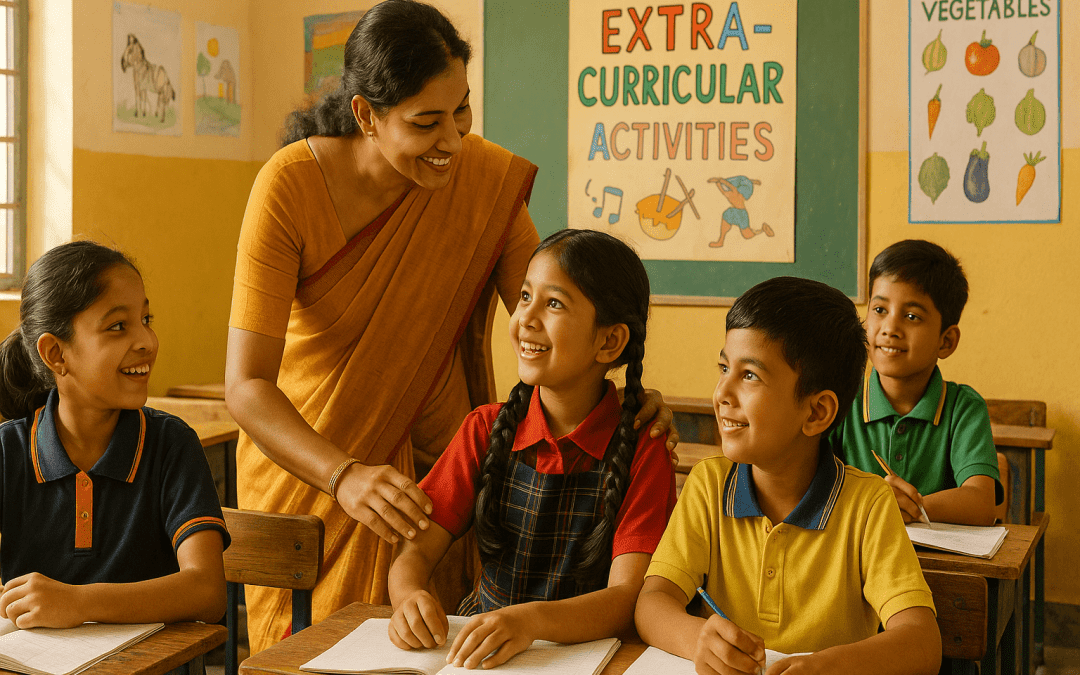
Here’s where life at a Bangalore boarding school truly comes alive. There’s a world beyond the classroom and trust me, it’s buzzing with opportunities. Be it music, drama, robotics, art, or sports—there’s something for everyone.
Bethany High, for instance, offers a wide range of extracurricular opportunities in boarding schools—from inter-house competitions to school bands, theatre productions, and competitive sports like football, basketball.
These activities aren’t just for fun—they teach teamwork, resilience, time management, and leadership. And they help students discover what they’re truly passionate about.
Social Life and Friendships
You know what’s one of the biggest surprises about student life at boarding schools? The friendships. They run deep. You’re living with your classmates, after all, and that kind of proximity builds bonds that last a lifetime.
From midnight birthday surprises to helping each other during exams, the camaraderie is something very special. Yes, you might miss home at times, but over time, your dorm mates become your second family.
Character Building and Personal Development
The benefits of boarding schools in Bangalore go far beyond academics. Students learn to be independent, responsible, and resilient. Whether it’s managing their own laundry or solving a conflict with a friend, every little experience helps build character.
We focus a lot on value-based education. At Bethany High, respect, empathy, and integrity are core to everything we do. Through leadership roles, and daily interactions, students gradually become confident and thoughtful individuals.
Boarding School Facilities and Accommodation
Now, let’s talk about the practical side—boarding school facilities in Bangalore. Most schools, especially the reputed ones, offer top-notch infrastructure. Comfortable dormitories, hygienic dining halls, sports arenas, libraries, wellness centres—you name it.
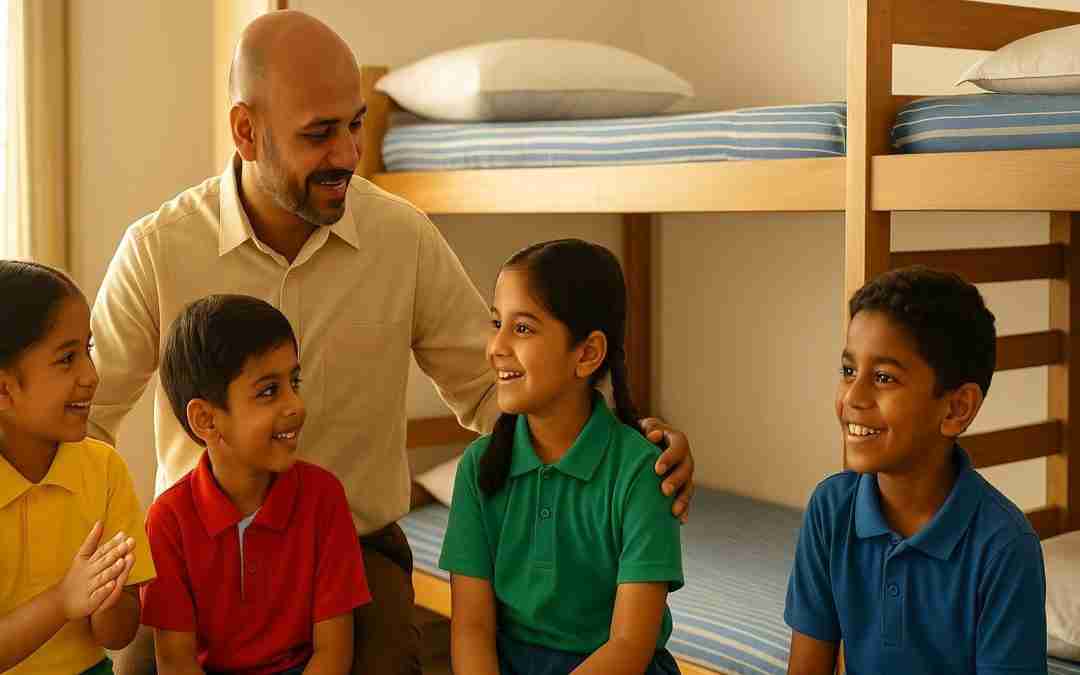
At Bethany High, our boarding facilities are designed to be homely and safe. Each dorm is supervised by a warden who acts like a guardian, always available to guide and support the students.
Nutrition is a priority too. Meals are balanced and tasty, and special care is taken to accommodate dietary preferences. There’s also access to regular health checkups and counsellors for emotional well-being. An in-house nurse resides in the campus to look after the boarders in case of health issues.
Challenges of Boarding School Life
Let’s be honest—boarding school life isn’t always a walk in the park. Adjusting to boarding school life can be tough initially. There’s homesickness, especially during the first few weeks. Students might also feel overwhelmed with the routine or the competitive environment.
But here’s the silver lining—support is always available. Schools like ours have counselors, caring staff, and senior students who help the juniors adapt. With time, students learn to manage emotions, prioritise tasks, and take challenges in their stride.
Parental Involvement and Communication
Now, you might wonder—do parents stay connected? Absolutely! Communication is key. Regular parent-teacher meetings, progress reports, phone calls, video chats, and even family weekends help keep that bond strong.
At Bethany High, we actively involve parents in their child’s journey. We know how important it is for families to feel included, even from a distance.
FAQs
How do boarding schools in Bangalore help students develop life skills?
By encouraging independence, time management, leadership, and emotional resilience. Students learn through real-life experiences and responsibilities.
What extracurricular activities are offered at Bangalore boarding schools?
Sports, music, dance, drama, robotics, debating, art, photography, and more. Each school has a rich variety of clubs and societies.
How do students cope with homesickness in boarding schools?
Most schools have dedicated pastoral care. Counsellors, caring staff, peer support, and regular communication with parents help students adjust.
What kind of academic support is available in Bangalore boarding schools?
From mentoring and tutoring to peer learning groups, there’s ample academic help. Teachers are usually very approachable and offer after-class assistance.
Final Thoughts
If you’re considering enrolling your child in a boarding school, or if you’re a student gearing up for this new chapter—know this: boarding school life in Bangalore is an adventure filled with learning, growth, and unforgettable memories.
At Bethany High, we take pride in being one of the best boarding schools in Bangalore, offering a nurturing environment where students don’t just study—they thrive. Whether it’s academics, sports, the arts, or personal development, we’re here to guide, support, and cheer every student on.
So, what is life like at a boarding school? It’s exciting, challenging, rewarding—and above all, it’s a journey of becoming the best version of yourself.
by Bethany Institutions | May 15, 2025 | Blog Recent Post
As a part of the Bethany High family, we’ve often found ourselves marveling at how much more there is to a school than just textbooks and exams. While academics lay the foundation, what truly brings out the spark in students are the things they do outside the classroom. Yes, I’m talking about extracurricular activities – the soul of student life in ICSE schools across Bangalore.
In this article, we’ll walk you through why these activities are so vital in shaping well-rounded individuals, especially in the ICSE ecosystem. From skill-building to leadership, creativity to confidence – we’ll explore how extracurriculars contribute to holistic education in Bangalore’s ICSE schools like ours.
Introduction: Why Extracurricular Activities Matter
We’ve all heard that school is the best time of our lives. But what makes it so memorable? It’s not just the lessons in classrooms—it’s the experiences on stage, the victories on the sports field, the moments in clubs, and the friendships formed during school fests and community projects.
In ICSE schools, particularly here in Bangalore, there’s a strong emphasis on balanced student development. That means nurturing both the intellect and the individuality of a child. Extracurricular activities are a big part of that mission.
Types of Extracurricular Activities in ICSE Schools
At Bethany High and other ICSE schools in Bangalore, the range of extracurricular programs is truly impressive. Here’s a glimpse into what’s on offer:
- Sports and Athletics: From football to cricket, throwball to basketball, physical activities play a vital role in shaping discipline and teamwork.
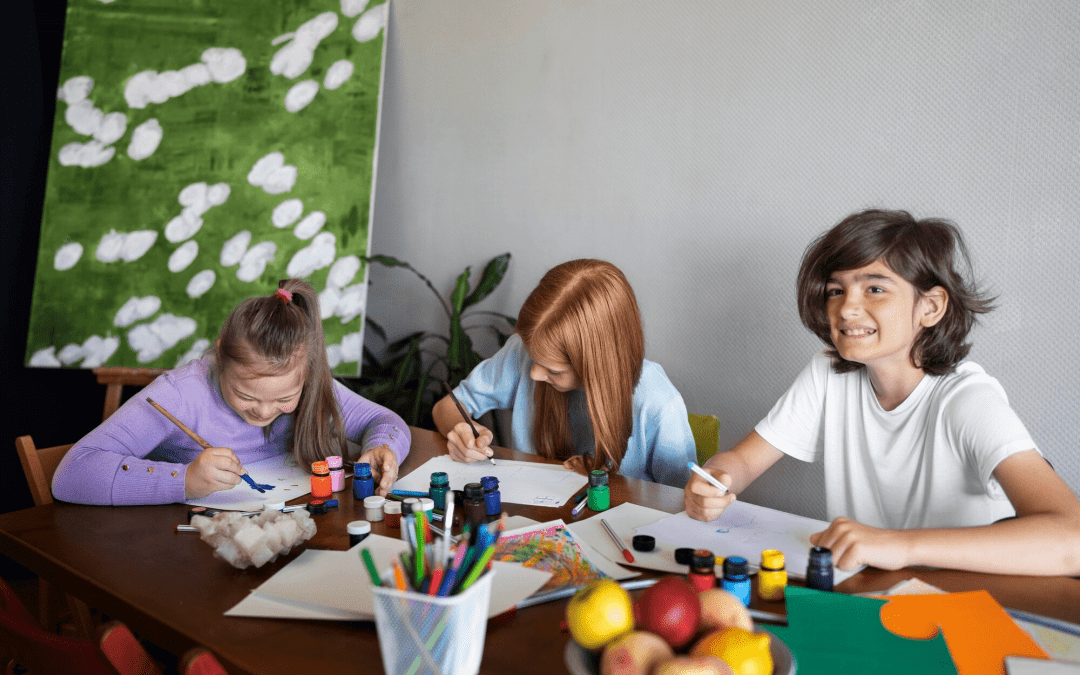
- Creative Arts: Dance, drama, music, fine arts—these let students express themselves in unique and imaginative ways.
- Clubs and Societies: Whether it’s the Science club, Debate team or Literary group, there’s always a space for students to explore their passions.
- Student Leadership Bodies: Positions like prefects, house captains, and club heads offer invaluable opportunities for leadership development in schools.
Each of these activities contributes in its own way to ICSE schools’ extracurricular offerings, shaping students into multi-talented individuals ready for the world.
Skill Development Through Extracurriculars
One of the most rewarding outcomes of extracurricular activities is the wide range of life skills they help build. While classroom learning is essential for academic success, it’s these extra opportunities that develop:
- Communication and Public Speaking – through debates, drama, and school assemblies.
- Time Management – balancing academics with assemblies, rehearsals for musicals or training sessions.
- Collaboration and Teamwork – be it a group project or a sports tournament.
- Problem-Solving and Creativity – especially in activities like art, coding, robotics, and innovation challenges.
In fact, we often see how skill-building through extracurriculars helps students thrive not just in school, but in life beyond it.
How Extracurriculars Boost Academic Performance
You might wonder—don’t all these activities take time away from studying? Surprisingly, the opposite is true. Research and our own experience at Bethany High show that students actively involved in extracurriculars tend to perform better academically.
Why? Because they learn to manage time efficiently, reduce stress through creative outlets, and stay more engaged overall. In fact, many students tell us that participating in events and clubs has improved their focus and motivation.
This ability to strike an academic and extracurricular balance is a hallmark of many ICSE schools in Bangalore.
Extracurriculars and Personal Growth
Some of the most beautiful transformations we witness as educators happen not during tests, but on the stage or the field. We’ve seen shy students shine in theatre productions. We’ve seen under-confident teens become captains of their sports teams.
That’s the magic of personal growth through extracurriculars. These activities build self-belief, resilience, and social skills—things that simply can’t be taught from a book. They help students discover who they are and what they stand for.
In our ICSE curriculum, there’s room for every student to explore their identity and flourish in their own way.
Preparing for the Future: Extracurriculars and Career Skills
Today’s world looks very different from what it did even a decade ago. Careers are diverse, and success often hinges on more than just marks. Colleges and employers now actively look for students who can think critically, lead teams, adapt quickly, and communicate well.
Extracurriculars are a brilliant way to start preparing students for this future. Whether it’s managing a school event, creating digital content for a school blog, these real-world experiences teach invaluable career skills.
For instance:
- A role in the school play can boost confidence in public speaking.
- Being a part of the coding club can open doors to tech careers.
- Leading a social campaign shows initiative and emotional intelligence.
This is where the holistic education approach of ICSE schools really stands out.
Balancing Academics and Extracurriculars in ICSE Schools
Now, let’s address the elephant in the room—how do students juggle academics with all these activities?
At Bethany High and many other ICSE schools in Bangalore, this balance is carefully built into the timetable. Activity periods, after-school clubs, and weekend events are scheduled in a way that doesn’t clash with study hours.
We also mentor students regularly, helping them prioritise and plan. It’s not always easy, but it’s definitely doable—and incredibly rewarding.
This structure encourages a well-rounded routine that fosters both academic excellence and student leadership through activities.
Extracurricular Infrastructure in ICSE Schools
It’s one thing to have activities on paper, but quite another to have the right infrastructure for them. That’s why schools like ours invest heavily in creating vibrant spaces for these pursuits.
From music rooms to auditoriums, sports complexes to innovation labs, extracurricular programs in Bangalore schools thrive because of this supportive environment.
And it’s not just about physical spaces—our teachers and facilitators are trained to mentor students in areas beyond academics. That’s how we ensure every child has the opportunity to grow.
Conclusion
As someone deeply involved in the education space, I truly believe that life skills in Bangalore schools are not just an add-on—they are essential. Extracurricular activities are the heartbeat of any good ICSE school. They foster creativity, build confidence, nurture leadership, and help students become the best versions of themselves.
At Bethany High, we see these activities not as distractions from studies, but as powerful tools that complement and enhance learning. If you’re looking for a school that balances academics with personal development, ICSE schools in Bangalore like ours might just be the perfect fit.
FAQs
Why are extracurricular activities important in ICSE schools?
They help develop well-rounded individuals by enhancing life skills, creativity, leadership, and emotional intelligence alongside academic learning.
What types of extracurriculars are offered in ICSE schools in Bangalore?
These include sports, performing arts, academic clubs, community service, and leadership programmes—offering something for every interest and passion.
How do extracurricular activities impact academic performance?
By improving focus, time management, and stress relief, extracurriculars often lead to better academic results and a more engaged learning experience.
How can students balance academics and extracurricular activities?
ICSE schools provide structured schedules, counselling support, and time slots for activities that help students maintain a healthy balance.
Do extracurricular activities help with future careers?
Absolutely! They build real-world skills like teamwork, leadership, problem-solving, and communication—highly valued in universities and workplaces.
by Bethany Institutions | May 15, 2025 | Blog Recent Post
When we think about school, the first thing that comes to mind is academics. But education is much more than just textbooks and exams. A well-rounded education includes opportunities beyond the classroom—opportunities that allow students to develop their skills, interests, and personalities. That’s where extracurricular activities come in!
ICSE schools in India place a strong emphasis on holistic development, balancing academic excellence with extracurricular pursuits. These activities not only make school life more enjoyable but also help students discover their talents and develop essential life skills. Let’s look at some of the most popular extracurricular activities offered in ICSE schools and why they matter.
Why Extracurricular Activities Matter
Extracurricular activities are not just about having fun—they play a crucial role in shaping a child’s personality. Participating in these activities helps students:
- Develop soft skills such as communication, teamwork, and leadership.
- Foster creativity and critical thinking.
- Improve social skills by interacting with peers in a non-academic setting.
- Learn time management by balancing academics with activities.
- Build confidence and resilience through challenges and competitions.
These activities complement academic learning and help students become well-rounded individuals who are ready to face the real world.
Benefits of Extracurricular Activities
We’ve all seen how students who engage in extracurricular activities tend to be more confident and socially aware. These activities go beyond the syllabus, offering life lessons that no textbook can teach. Some key benefits include:
- Skill Development: Whether it’s learning to play an instrument or excelling in a sport, extracurricular activities equip students with new skills.
- Confidence Building: Performing on stage, playing a match, or debating in a competition gives students the confidence to express themselves.
- Social Interaction: Clubs and group activities allow students to build friendships and improve their teamwork skills.
For example, I remember a student who was initially shy but discovered a love for theatre through the school’s drama club. Over time, they became a confident performer, excelling in both academics and the arts. That’s the magic of extracurriculars!
Sports and Physical Activities in ICSE Schools
Sports are an essential part of extracurricular programs in ICSE schools. From football and cricket to athletics and swimming, students have plenty of options to stay active and fit. These activities help in:
- Enhancing physical fitness and mental well-being.
- Teaching teamwork, discipline, and leadership.
- Encouraging a healthy and active lifestyle.
Many ICSE schools have dedicated sports coaches and well-maintained facilities, ensuring that students get the best training possible.
Arts and Performing Arts
Creativity is just as important as academics! Many ICSE schools offer a variety of artistic extracurriculars such as:
- Music: Learning to play an instrument or singing in a choir.
- Dance: Classical, contemporary, or folk-dance and group performances
- Drama: Theatre groups that stage plays and skits.
- Visual Arts: Painting, sketching, and craft activities.
These programs encourage self-expression and help students explore their artistic potential. Schools often organize exhibitions and performances to showcase students’ talents.
Academic Clubs and Societies
For students who love intellectual challenges, ICSE schools offer various academic clubs such as:
- Debate Club: Encouraging students to develop public speaking and critical thinking skills.
- Science Club: Conducting experiments, research projects, and science exhibitions
- Literary Society: Fostering a love for reading, writing, and creative expression.
These clubs create a stimulating environment where students can explore subjects beyond the classroom curriculum.
Community Service and Leadership Programs
Education isn’t just about personal growth—it’s also about giving back to society. Many ICSE schools encourage students to participate in:
- Student Councils: Developing leadership and decision-making skills.
- Environmental Clubs: Promoting sustainability through activities like tree planting and waste management drives.
- Charity Drives: Helping the underprivileged through fundraising and volunteer work.
These programs instill a sense of responsibility and compassion in students, shaping them into socially conscious individuals.
How to Choose the Right Extracurricular Programs
With so many options available, how do students and parents choose the right activities? Here are some tips:
- Identify Interests: Encourage students to explore different activities and see what excites them the most.
- Consider Strengths: Some students may excel in sports, while others may prefer creative or intellectual pursuits.
- Balance with Academics: While extracurriculars are important, they shouldn’t overwhelm a student’s academic responsibilities.
- Try and Experiment: It’s okay to switch activities if something doesn’t feel right. The goal is to enjoy and learn!
Conclusion
Extracurricular activities in ICSE schools are much more than just hobbies—they are an essential part of a child’s education. Whether it’s sports, arts, academic clubs, or community service, these activities shape students into confident, skilled, and well-rounded individuals.
So, if you’re a student or a parent, explore the opportunities available in your school and make the most of them. Who knows? You might discover a hidden talent or a lifelong passion.
by Bethany Institutions | May 14, 2025 | Blog Recent Post
Education has come a long way from the days of rote memorization and one-size-fits-all teaching. In today’s world, students need an education that fosters creativity, critical thinking, and real-world application. This is exactly what we aim to achieve at Bethany High School through innovative teaching methods tailored to the ICSE curriculum.
Understanding ICSE Pedagogy: The Foundation of Innovation
The ICSE board is known for its comprehensive and application-based curriculum, which places a strong emphasis on understanding concepts rather than just memorizing facts. At its core, ICSE pedagogy promotes holistic education—balancing academics, extracurriculars, and skill development. This approach naturally lends itself to modern teaching techniques that engage students in meaningful ways, preparing them not just for exams but for life beyond the classroom.
Technology in Education: Enhancing Learning through Digital Classrooms
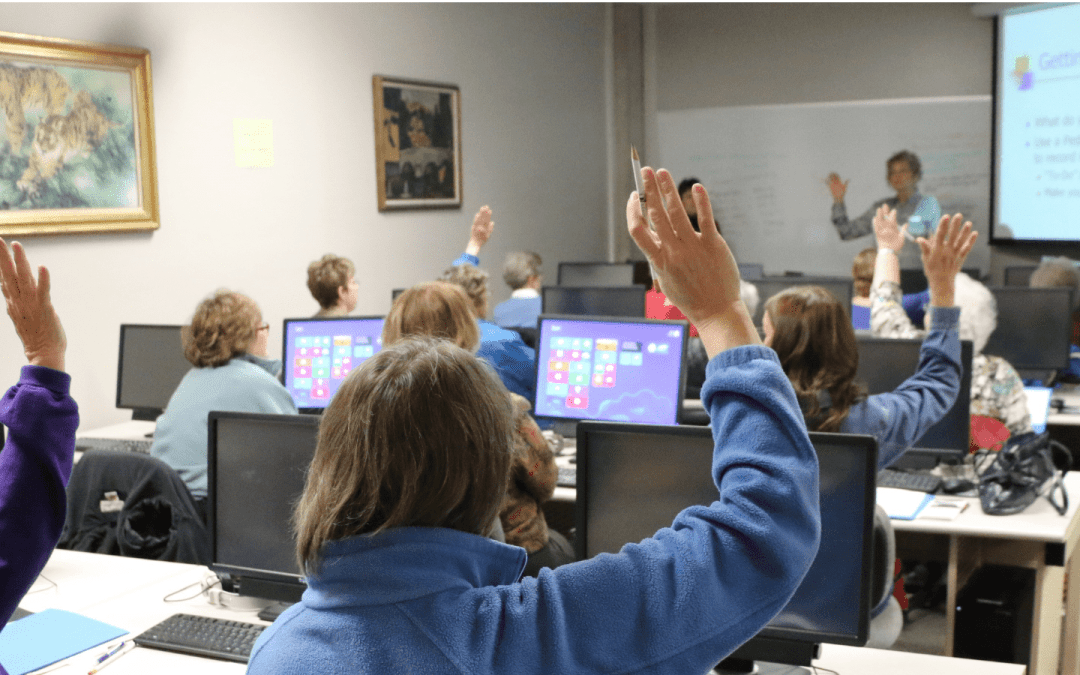
Gone are the days when classrooms were restricted to blackboards and textbooks. Today, technology plays a transformative role in education. At Bethany High School, we have integrated smart classrooms, e-learning platforms, and digital tools to create an interactive learning environment. Digital classrooms enhance student engagement by making abstract concepts more tangible through animations, simulations, and virtual experiments. Online resources and educational apps further supplement learning, allowing students to explore subjects beyond textbooks.
Interactive and Collaborative Learning: Engaging Students Effectively
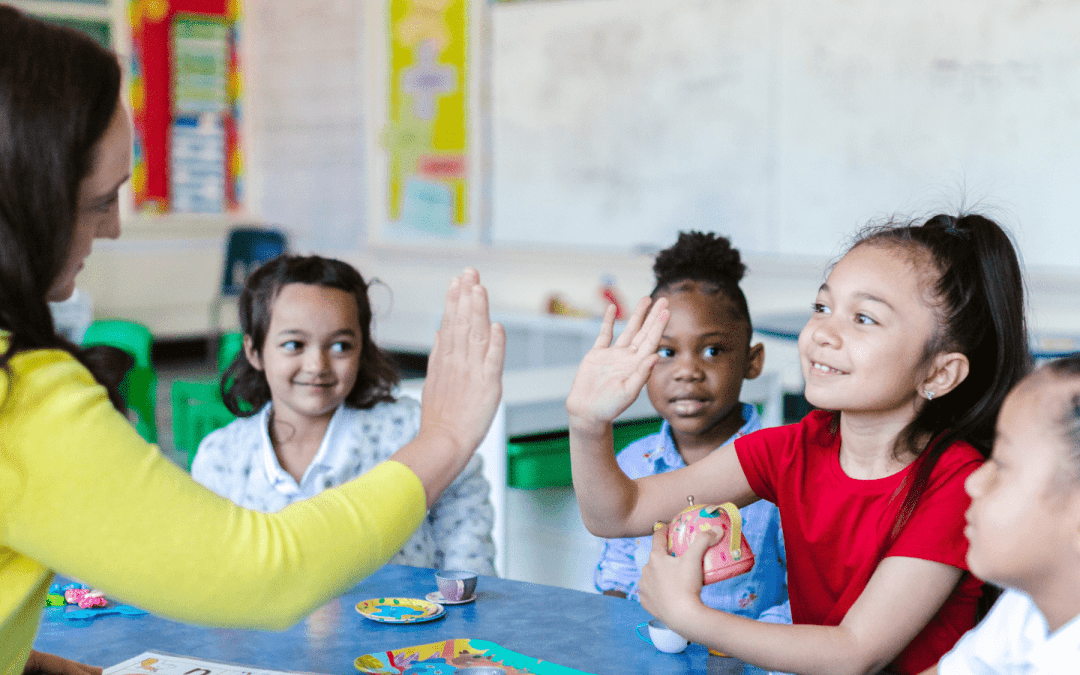
One of the standout features of ICSE schools is the emphasis on interactive learning. Rather than passively absorbing information, students actively participate in group discussions, debates, and collaborative projects. Peer learning is an essential component, where students exchange ideas and develop teamwork skills. Group activities, role-playing, and classroom discussions ensure that students not only understand concepts but also learn to express themselves effectively.
Experiential and Project-Based Learning: Learning by Doing
Experience is the best teacher, and that’s why experiential learning is a key focus at Bethany High School. Instead of reading about historical events or scientific principles, students engage in hands-on activities, experiments, and real-world applications. Project-based learning allows them to work on long-term assignments that require research, creativity, and problem-solving skills. For example, students might create models, conduct environmental studies, or even develop working prototypes of projects.
Flipped Classroom Model: Encouraging Student-Centered Learning
In a traditional classroom, teachers lecture while students listen. But what if we flipped this model? The flipped classroom approach allows students to learn new concepts at home—through recorded lectures, readings, or videos—and then use classroom time for discussions, problem-solving, and hands-on activities. This method ensures that students grasp concepts at their own pace and come to class prepared to engage in deeper discussions.
Mind Mapping and Concept Mapping: Visual Learning for Better Retention
Many students find it easier to understand complex concepts when they can see the connections between ideas. Mind mapping and concept mapping are effective tools for breaking down subjects into simpler versions. Visual learning techniques help students organize information systematically, making it easier to recall during exams. At Bethany High School, teachers use these methods to simplify subjects like History, Biology, and Mathematics, enhancing comprehension and retention.
Differentiated Instruction: Catering to Diverse Learning Needs
Every student learns differently, and that’s why differentiated instruction is crucial. Some students grasp concepts quickly, while others need additional time or alternative explanations. Through personalised learning plans, Bethany High School ensures that every student receives the support they need. Teachers use varied instructional strategies such as audio-visual aids, personalised assignments, and peer mentoring to cater to different learning styles.
Role-Playing and Simulation: Bringing Lessons to Life
Learning becomes more engaging when students can step into the shoes of historical figures, scientists, or decision-makers. Role-playing and simulation exercises help students develop critical thinking and problem-solving skills. Whether it’s a mock parliament session in Civics class or a simulated stock market exercise in Economics, these activities make learning dynamic and practical.
Blended Learning: A Hybrid Approach to Education
Blended learning combines traditional face-to-face teaching with online instruction, offering students greater flexibility. This method allows students to access resources at their own pace while still benefiting from classroom interactions. At Bethany High School, we incorporate blended learning through online assignments, virtual laboratories, and interactive lessons that complement in-person teaching.
Creative Expression in Teaching: The Role of Arts in Education
Creativity is at the heart of effective education. Integrating arts into teaching not only makes lessons more engaging but also helps students develop problem-solving skills. Whether it’s storytelling in language classes, music integration in history lessons, or drama activities to understand literature, creative expression plays a vital role in the ICSE curriculum.
Continuous Professional Development for Teachers: Keeping Up with Educational Innovations
Teachers play a pivotal role in implementing innovative teaching methods. At Bethany High School, we prioritize continuous professional development through workshops, training programs, and exposure to the latest teaching methodologies. This ensures that our educators stay ahead of the curve and bring the best practices into their classrooms.
Conclusion: Shaping the Future of Education
At Bethany High School, we believe that learning should be dynamic, engaging, and relevant to real life. By adopting innovative teaching methods, we ensure that our students are not just exam-ready but future-ready. From technology-driven learning to student-centered approaches, our commitment to educational innovation remains unwavering.
If you’d like to learn more about how we implement these teaching techniques or explore what Bethany High School has to offer, visit our website or schedule a visit. The future of education is here, and we’re excited to be part of it.
by Bethany Institutions | May 14, 2025 | Blog Recent Post
Technology is transforming the way we learn, and at Bethany High School, we embrace innovation to enhance education. The ICSE curriculum, known for its depth and emphasis on understanding, is well-suited for integrating digital learning tools. In this article, I will explore the role of technology in modern education and share best practices for incorporating it effectively in ICSE schools.
The Importance of Technology in Education
Technology has revolutionized education, making learning more engaging and accessible. In today’s digital age, students must develop 21st-century skills such as critical thinking, collaboration, and digital literacy. By incorporating technology in education, we ensure that our students are better prepared for the future.
Some key benefits include:
- Enhanced Learning Experiences: Interactive tools like smart boards and educational apps make lessons more engaging.
- Access to Information: Online resources provide students with a wealth of knowledge beyond textbooks.
- Skill Development: Exposure to technology prepares students for future careers in an increasingly digital world.
Digital Learning Tools for ICSE Schools
ICSE schools can leverage various digital learning tools to improve classroom experiences. Some of the most effective ones include:
- E-learning platforms like BYJU’S and Toppr offer personalized learning experiences.
- Educational apps such as Duolingo for language learning and GeoGebra for mathematics provide interactive engagement.
- Interactive software including AR/VR applications bring abstract concepts to life.
By integrating these tools, teachers can make lessons more dynamic and students can grasp concepts with greater ease.
Implementing Online and Blended Learning
Online and blended learning models are gaining popularity in ICSE education.
- Blended Learning: A combination of traditional teaching and online resources helps cater to different learning styles.
- Virtual Classrooms: Platforms like Google Classroom and Microsoft Teams facilitate remote learning and collaboration.
- Flexible Learning: Students can learn at their own pace, revisiting difficult topics as needed.
To successfully implement these models, schools must invest in reliable digital infrastructure and provide adequate support for both teachers and students.
Enhancing Classroom Engagement with Technology
Technology plays a crucial role in improving student engagement. Some strategies include:
- Smartboards and Digital Classrooms: These make lessons more interactive and visually appealing.
- Gamification: Incorporating game-like elements in lessons increases motivation.
- Augmented Reality (AR) & Virtual Reality (VR): These technologies provide immersive learning experiences, making complex subjects easier to understand.
At Bethany High School, we encourage the use of such interactive tools to make learning more effective and enjoyable.
Training Teachers for Technology Integration
For technology to be effectively incorporated, teachers must be equipped with the necessary skills. Continuous professional development ensures educators stay updated with the latest EdTech trends.
Some key initiatives include:
- Workshops and Training Sessions to help teachers integrate digital tools into their lessons.
- Collaborative Learning Communities where educators share best practices.
- Online Courses that help teachers upgrade their digital literacy skills.
Ensuring Digital Equity and Accessibility
Technology should be accessible to all students, regardless of their background. Digital equity is essential to bridge the learning gap.
Some strategies to ensure accessibility include:
- Providing Devices and Internet Access: Schools can offer tablets or laptops to students in need.
- Developing Inclusive Learning Materials: Ensuring content is accessible for students with disabilities.
- Encouraging Public-Private Partnerships: Collaborating with tech companies to provide affordable digital solutions.
Measuring the Impact of Technology in Education
It is crucial to assess whether technology is making a positive impact on student learning. Schools can use:
- Learning Analytics: Data-driven insights help track student progress.
- Student Performance Metrics: Examining improvements in grades and comprehension levels.
- Feedback Mechanisms: Gathering input from students and teachers to refine digital strategies.
Conclusion
Incorporating technology in ICSE education is no longer an option—it is a necessity. From digital learning tools to blended learning models, technology enhances student engagement, personalises education, and prepares learners for the future. At Bethany High School, we are committed to leveraging technology for a more effective and inclusive learning environment.
If you are looking for an ICSE school that embraces technology for better learning, visit our website or schedule a visit today.