by Bethany Institutions | Nov 29, 2024 | Event Recent Post
Samarth Soni, a dedicated and spirited 15-year-old student of grade 9C Bethany High Sarjapur, has made remarkable strides in table tennis. In July 2024, he competed in the CISCE Regional Table Tennis Tournament at Bethany High School, Sarjapur, where he played against the best of 55 schools
and finished 4th in the singles category. This impressive performance qualified him for the CISCE National Championship in Lucknow, held from September 26th to 29th. Samarth’s journey in table tennis began just two years ago in 2022. An only child with a natural athletic inclination, Samarth advanced at the sport at his apartment’s society tournament, where he competed in both the under-15 and under-40 categories. His parents encouraged him to attend a table tennis academy, where he trained for two months. His love for the game grew, and he soon realized his strength lay in singles, where he felt fully in control. Although his first open tournament didn’t end in victory, it fueled his determination to improve. By 2023, he played in another open tournament at BTM, going head-to-head with players of all ages—a challenge he considers one of his toughest yet. However, these adversities prepared him for the CISCE National Championship. At the Nationals, Samarth faced intense competition, with matches being conducted from 9:30 a.m. to 5 p.m. daily. His dedication paid off when his team advanced to the finals, winning the semi-final against Punjab with a clean 3-0 score and defeating Maharashtra in the finals 3-1, securing the gold in the under-17 team category. Throughout this journey, his mother was by his side in Lucknow, offering unwavering support. To stay calm during matches, Samarth practices deep breathing and draws strength from his faith. Between rigorous training sessions at the Rashtrotthana-Scooled Table Tennis Arena and balancing academic commitments, he showed a commendable commitment to his sport. As Samarth reflects on his journey, he expresses gratitude for this unforgettable experience and is keen to continue training for even bigger events. We congratulate Samarth on his gold medal victory and look forward to seeing this talented young player reach even greater heights!
by Bethany Institutions | Nov 25, 2024 | Blog Recent Post
Bethany High School organizes an orientation programme annually, sometime in the month of October for the parents of eighth graders. This orientation programme is held primarily to introduce them to the ‘Subject groups” offered by Bethany for classes 9 and 10’ (ICSE). These are subjects selected from the list approved by the ICSE. Some subjects are compulsory and others are grouped to form specific streams (Science and Commerce).
GROUP -I: The subjects in this group are compulsory, which include English (Language and Literature), Second Language (Hindi/ Kannada) and Social Studies (HCG History- Civics and Geography).
GROUP- II: There are two options provided:
- i) Physics + Chemistry + Biology OR Commercial Studies
- ii) Mathematics OR Economics
The School currently offers five subjects for group III – (Anyone to be chosen.)
GROUP – III: Art / Physical Education / Drama / Western Music / Computer Application
Bethany is one of the few schools that offer Drama, Western music and Art.
A brief outline for each subject is given below –
ART:
The examination format consists of Paper 1(Still life) and Paper 2 (Nature study along with Project work). There is no theory examination. It is purely based on one’s skill and practice. Opting for Art opens doors for a career in gaming, graphic designing, printmaking, becoming an illustrator, and much more.
PHYSICAL EDUCATION:
For the unit tests, it is a 50 marks paper, and for the Term Exams 100 marks paper. There are 100 marks for theory and 100 marks for internals which includes the student’s behaviour, discipline, project, and practicals. The practicals include a set of easy and simple exercises and also playing any two sports of their choice, additionally while choosing PE, it is to be ensured that the student is medically fit.
DRAMA: (Performing Arts)
The exam papers are fun to solve as most of the answers are perspective-based subjective questions – in other words, marks are awarded for expression of opinions. Then there are creative questions like writing two- page dialogues based on a prompt which is utterly enjoyable, considering it is all done spontaneously, letting one’s creative juices flow. For assessment, students have to choose between acting out a three-minute scene, complete with costumes, make-up and characterization OR can choose to build a stagecraft model of a scene from a film, book or movie. This project is judged by an External examiner.
WESTERN MUSIC:
Western Music is fun, easy-going and a straightforward subject. The marking is simple too. Writing about your personal experience in music (when you started playing an instrument, started singing, your musical experience or your first performance.
Writing about your favorite artist or band (When and where they were born, how have they inspired you, how they connect with their fans, the awards they have received etc.)
Other than this, one needs to achieve a Grade 4 certificate, either in vocals or an instrument that one plays, from universities like LCM, Trinity or ABRSM which must be submitted to the Music teacher on the stipulated date.
COMPUTER APPLICATION:
Computer application already has a broad scope of opportunities currently and with the rapid pace of digital transformation, having a strong understanding of computer science makes students adaptable to future trends and job markets. The syllabus covers Java, which is essentially the basics of coding. Many major companies use Java for a variety of applications. The school provides unmatched facilities like the Mac Lab with the highest IOS software.
Dr. Akash Ryall, the Director of Bethany Institutions and the Principal are present for this programme. They stress on the importance of making the right choice of subject combinations based on the child’s aptitude and interest. A ‘Psychometric Test’ can be undertaken to help with the selection process.
It’s choice – not chance – that determines your destiny.”
by Bethany Institutions | Nov 22, 2024 | Event Recent Post
Life often throws unexpected challenges that test the human spirit, and some individuals rise above them with extraordinary courage. Eva’s journey from tragedy to triumph is a testament to her resilience, determination, and the unwavering support of her family, community, and workplace.
On 12th September 2019, Eva’s life took a tragic turn. Returning home from college after dropping off a friend, she met with a horrific road accident just 50 metres from her house. In an attempt to avoid a pothole, her vehicle collided with a tractor, resulting in devastating injuries. Her left arm and the side of her face were crushed, and she suffered extensive brain injuries, a broken jaw, and damage to her optic nerve, leaving her with blurred vision. Despite the severity of her condition, a Good Samaritan rushed her to a hospital, where her battle for survival began.
Eva endured months of surgeries, critical care, and intense rehabilitation, which included relearning how to walk, speak, and adapt to the loss of her dominant hand. The physical pain was compounded by the emotional toll of adjusting to her altered appearance. The road to recovery was slow and fraught with uncertainty, but Eva and her family held on to faith and determination.
In December 2019, after three gruelling months in hospitals, Eva was discharged. However, returning to a semblance of normalcy was not immediate. Her attempt to reintegrate into college life was heartbreaking, as she struggled to cope with her limitations and the emotional aftermath of the accident.
It was during this challenging period that Bethany High School offered her a lifeline. The school leadership, recognising her potential, welcomed her into their community with open arms. She began her journey as a librarian and teacher at the Bethany Primary Department, working with young students to develop reading skills and vocabulary. This opportunity not only provided her with a renewed sense of purpose but also played a pivotal role in restoring her confidence and independence.
Eva’s story has inspired many and was recently featured in The Times of India. In the article, she candidly reflected on her physical and emotional recovery, sharing insights into the struggles she faced and the triumphs she achieved. The report highlighted her transition from a survivor to an educator who now shapes young minds and instils the joy of learning in her students.
At Bethany High School, Eva found more than just employment. The warmth and support extended by the school’s leadership, staff, and students created an environment where she could heal, grow, and thrive. Her colleagues showed extraordinary sensitivity to her limitations, helping her regain belief in her capabilities.
Eva’s journey serves as a reminder of the strength inherent in the human spirit and the profound impact of a nurturing community. It exemplifies how resilience, faith, and collective support can transform lives, turning personal tragedy into a story of hope and inspiration.
Her story stands as a testament to the values of inclusion and care upheld by Bethany High School, and it continues to inspire all who have the privilege of hearing it.
by Bethany Institutions | Nov 20, 2024 | Blog Recent Post
BALANCING ACADEMICS AND PASSIONS AT THE BETHANY JUNIOR COLLEGE
INTRODUCTION
Life is beautiful when in balance. Students can enjoy and cherish every moment of their Junior College years if they are able to strike a balance between their academics and passions. Bethany Junior College from its very initial years has always catered to providing to their students the best of academic excellence and encouraging every student to showcase their passionate talents. By providing the support and opportunities needed to excel in both academics and extracurriculars, we ensure that our students graduate not just as scholars, but as well-rounded individuals ready to make their mark on the world.
THE IMPORTANCE OF BALANCING ACADEMICS AND PASSIONS
Academic success is undeniably important, yet it should never come at the expense of personal passions and interests. We believe that a well-rounded education is one that nurtures both the mind and the spirit, allowing students to explore their unique talents and pursue their passions alongside their studies. Extracurricular activities offer more than just a break from academics; they are a vital part of personal growth. Encouraging students to follow their passions not only brings joy and fulfilment but also leads to a more balanced, less stressful school experience. Students who engage in activities they love are more likely to be motivated, focused, and resilient, leading to improved academic performance and overall well-being. This holistic approach is essential in today’s fast-paced world, where the ability to manage multiple responsibilities is a key ingredient for success. Learning to balance academics with personal pursuits is a life skill that extends far beyond the classroom, preparing students for the complexities of the professional world. True education goes beyond textbooks; it is about empowering students to discover their potential in all areas of life. At Bethany Junior College, we are committed to fostering an environment where students can thrive both academically and personally.
ACADEMIC EXCELLENCE AT BETHANY JUNIOR COLLEGE
Bethany Junior College stands as a beacon of academic excellence, where the pursuit of knowledge is both a challenge and an inspiration. Our rigorous curriculum is meticulously designed to not only prepare students for India’s competitive board examinations but to equip them with the skills and mindset needed to excel in any endeavour they choose. At Bethany, academic excellence isn’t just a goal; it’s a tradition. Year after year, our students consistently emerge as top performers, securing high ranks and setting new benchmarks in academic achievement. This remarkable success is a reflection of our commitment to providing a comprehensive and challenging educational experience. Whether a student’s passion lies in science, mathematics, humanities, or commerce, our curriculum caters to diverse academic interests while upholding the highest standards of rigour. Our teachers, who bring decades of experience and a deep passion for teaching, are committed to guiding each student on their unique academic journey. They provide tailored support, ensuring that every student can navigate their studies with confidence, clarity, and a sense of purpose. A cornerstone of our academic philosophy is the emphasis on continuous assessment and improvement. Students at Bethany are not just learners; they are thinkers, problem-solvers, and innovators. Through critical thinking, independent research, and hands-on learning, they develop the skills necessary for success in higher education and beyond. Our robust academic support services—including tutoring, mentoring, and counselling—further empower students to reach their full potential.
ENCOURAGING EXTRACURRICULAR ACTIVITIES
At Bethany Junior College, we believe that education extends beyond the confines of textbooks and classrooms.
Sports and Athletics- From football to athletics, our sports teams exemplify teamwork, discipline, and healthy competition. Whether you’re a seasoned athlete or a beginner, there’s a place for everyone on the field. The adrenaline rush during inter-school matches and the camaraderie built during practice sessions are invaluable life lessons and memories that students cherish for a lifetime.
Drama and Theatre –Bethany High teaches students to express themselves, improvise, and collaborate. Whether it’s a skit for Prize Day/Assembly or one of our much-reputed biennial musical productions, our theatre productions amaze audiences, ignite creativity and foster confidence.
Music-The Bethany Choir is the backbone of almost every Bethany program and choir rehearsals harmonize voices into something magical. With high energy concerts, choral fests and many such performances, students get the experience of performing on stage and the training to do it with confidence.
Dance – The dance studio pulses with energy. From ballet to hip-hop, our dance enthusiasts sway,twirl, and leap. It’s where passion meets movement, and every step tells a story. Our talented dance team always amazes the crowd, and they have won many competitions, both national and international.
Literary Pursuits –Our literary competitions encourage budding writers, poets, orators and debaters. Literary competitions sharpen critical thinking, eloquence, and empathy. Our annual literary fest “IGNITE”, gives students the opportunity to showcase their various talents in different events such as culinary quiz-off, mono-acting and mad-ads.
Art –Our art studio is a canvas waiting to be filled. Painting, craft, and digital art—students explore their visual creativity.
Bake-a-thon brings out the chef in each one of us and also teaches us other important skills in sales and accounting.
BJCMUN – We are given the opportunity to develop our organizational skills during the preparation for Bethany Junior College’s biggest event, “BJCMUN”, as it is an inter-school event and requires us to work as a team and do work in different arenas.
TIME MANAGEMENT TIPS FOR STUDENTS
Time management is an essential skill for students, especially those navigating the ISC curriculum at Bethany Junior College. While the academics are rigorous, they are designed to challenge students and help them reach their full potential. Prioritisation is the first step in effective time management. Students should learn to identify their most important tasks, whether it’s preparing for an exam or participating in a sports event, and allocate their time wisely. Creating a balanced schedule that includes time for studying, extracurricular activities, and relaxation can make a world of difference. It’s all about setting realistic goals and pacing oneself, ensuring that each day is productive without feeling overwhelmed. Developing effective study habits is another key aspect of managing time well. Rather than relying on rote memorization, students are encouraged to focus on understanding concepts, which leads to deeper learning and better long-term retention. Regular revision, paired with short, focused study sessions, can reduce the stress of last-minute preparation and make studying more efficient. Equally important is the need to avoid burnout. Taking regular breaks, staying active, and pursuing hobbies are vital for maintaining mental and emotional well-being. By ensuring that there’s time for relaxation and enjoyment, students can stay energised and motivated throughout the school year. At Bethany Junior College, we believe that with good time management, students can confidently tackle the ISC curriculum, excel academically, and still enjoy their passions. It’s all about balance—achieving your academic goals while living a fulfilling and well-rounded school life.
SUPPORT SYSTEMS AT BETHANY JUNIOR COLLEGE
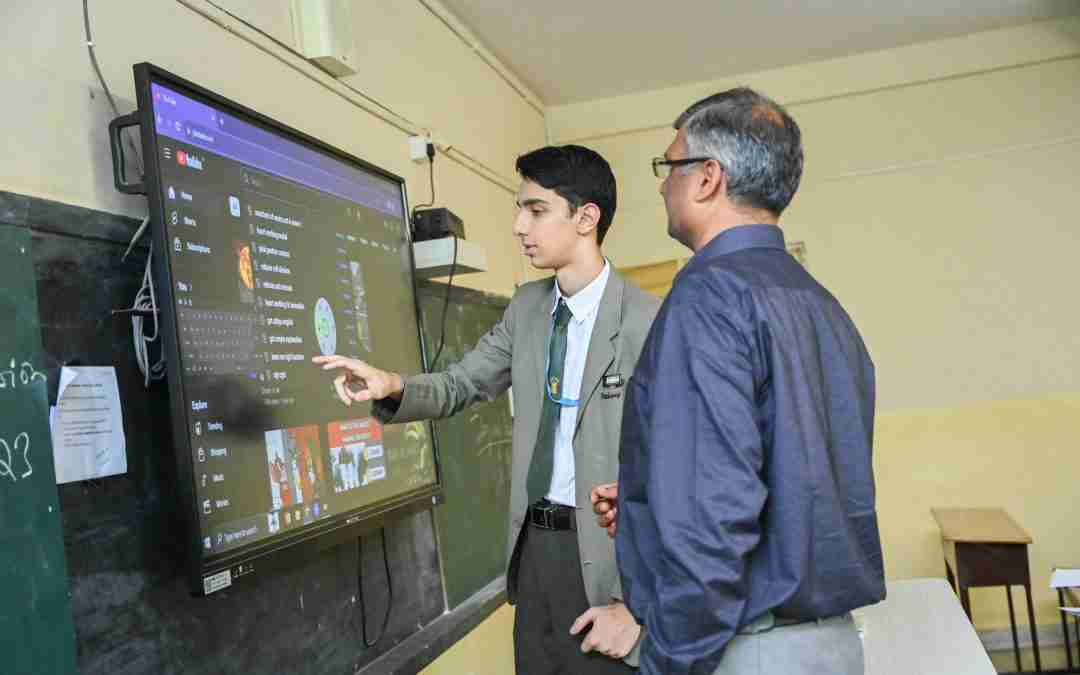
The biggest advantage a student can enjoy at Bethany Junior College is the student teacher ratio. Each child is known by their name and not their roll number! This makes every child feel free to express their thoughts and concerns. Right from the time of taking admission the students are guided to take up combinations of subjects they are good at. The faculty comprises of teachers with many years of experience in their respective subjects. Students are never stopped from reaching out to the faculty for any kind of support they need. The same holds true about the Principal as well as the Director of the Institution. Every classroom has an interactive smart board for imparting education in the most effective way possible. Students have access to technological support for all their curricular and co-curricular activities. CCTV with state of art security systems ensures the safety of every child. Our school is well equipped with an excellent library to cater to the needs of our voracious readers. To help students who find it difficult to balance their emotional and psychological needs, support is provided by our expert counsellor and clinical psychologist. Numerous guest speakers are invited to our assemblies to give an exposure to our students about the wide range of courses and career opportunities they can venture into after their ISC course.
ADA NARULA – School Topper – Humanities Stream 98.25%
“At BJC, we were taught that help is always available. There was never a time when I was studying in the school that I couldn’t go to a teacher in between classes to ask a question, have a college essay proofread or seek advice, about my education or otherwise. Our batch was able to organise a MUN conference, a cultural fest and multiple other events as well as perform well academically because the culture in the school – among teachers and students alike, is one where everybody is eager to help. We’ll always be grateful that BJC gave us a space to do something we’re proud of”.
SHREYA MATHEW – School Topper – Science Stream 98.25%
“Choosing Bethany was a defining moment in my educational journey, especially as I transitioned into the ISC stream. In my pursuit of the science stream, I benefited immensely from the expertise and support of my dedicated teachers. The lessons extended beyond mere exam preparation, equipping us with confidence and a creative outlook crucial for real-world challenges. Serving as a BSO instilled a sense of responsibility and improved my teamwork abilities. As a trained dancer, I embraced the chance to choreograph performances for prize days, carnivals, and assemblies. The opportunity to be part of musical productions, filled with dedication, hard work, and memorable moments, further enriched my time at Bethany. For those seeking a place where education meets inspiration and achievement, Bethany is undoubtedly the institution to join”.
MEHER S PANJWANI – School Topper – Commerce Stream 95.25%
“I can confidently say that my time at Bethany Junior College was the best two years of my life. I’ve never felt more at home and at ease than I did at JC. Despite the rigorous ISC curriculum, the weekly tests in 12th grade kept me consistently on top of my studies. I was also given countless opportunities to develop and showcase my skills, whether through musicals, sports days, fests like Ignite, or even MUNs and carnivals. Not only did I participate in these events, but I also had the privilege of organizing them as a cultural coordinator. There were times when I felt overwhelmed with anxiety, convinced I would fail. They always made me feel loved and guided me to prioritize my well-being over academics. Thanks to their unwavering support, I not only topped my class but also managed to balance extracurriculars, growing both intellectually and personally. My greatest achievement is making them proud”.
CONCLUSION
Bethany Junior College can proudly reiterate that it is an institution that focuses on balancing Academics and Passions. The primary focus of the institution is to help students excel in what they are passionate about, be it curricular or co-curricular activities. Bethany always strives to ensure that every child is happy and confident about himself or herself. We also ensure that character and behaviour is given its utmost importance along with the overall curriculum. Balancing academics and passions can be challenging, but it is possible. It is vital for a student’s holistic development. Students can unlock their potential, develop valuable skills, and create lasting memories.
by Bethany Institutions | Nov 18, 2024 | Blog Recent Post
ISC LABS – PHYSICS, CHEMISTRY, BIOLOGY & HOME SCIENCE AT JUNIOR COLLEGE
Science, a discipline characterized by its empirical nature, demands more than theoretical understanding. It necessitates hands-on exploration, experimentation, and observation. This is where science laboratories come into play, serving as the crucible for transforming abstract concepts into tangible realities. In the formative years of junior college, when the foundation for higher education and potential scientific careers is laid, the significance of well-equipped and effectively utilized science laboratories cannot be overstated.
A science laboratory is more than just a room filled with equipment; it’s a dynamic environment that fosters critical thinking, problem-solving, and a deep appreciation for the scientific method. By engaging in practical experiments, students transition from passive recipients of knowledge to active participants in the process of discovery. This hands-on approach reinforces theoretical concepts, making them more comprehensible and memorable.
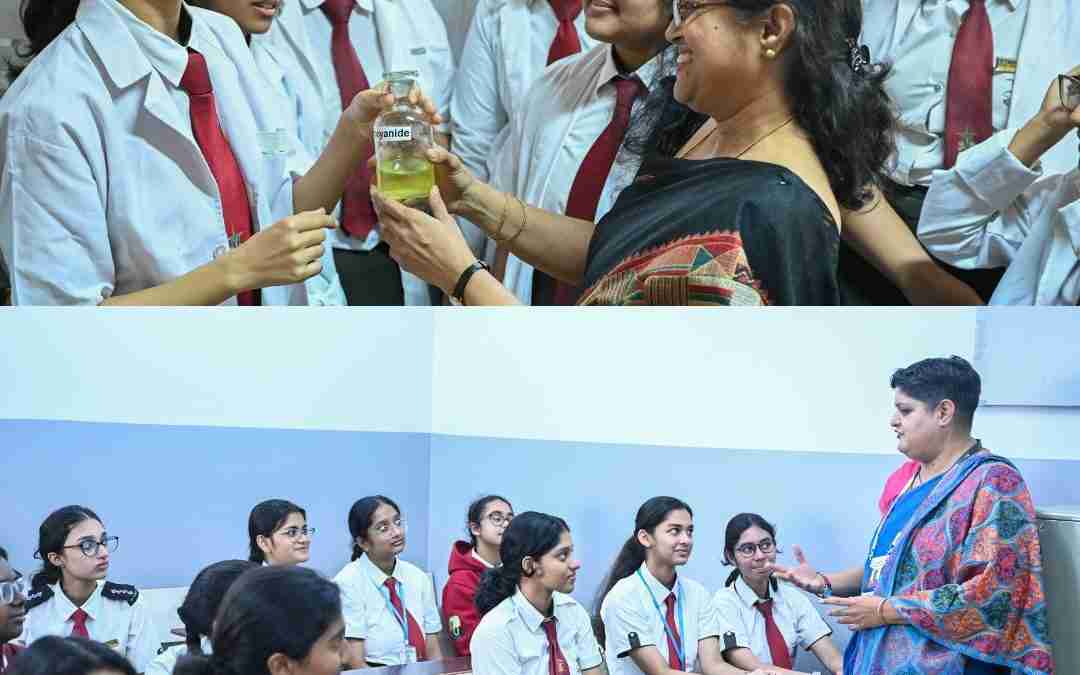
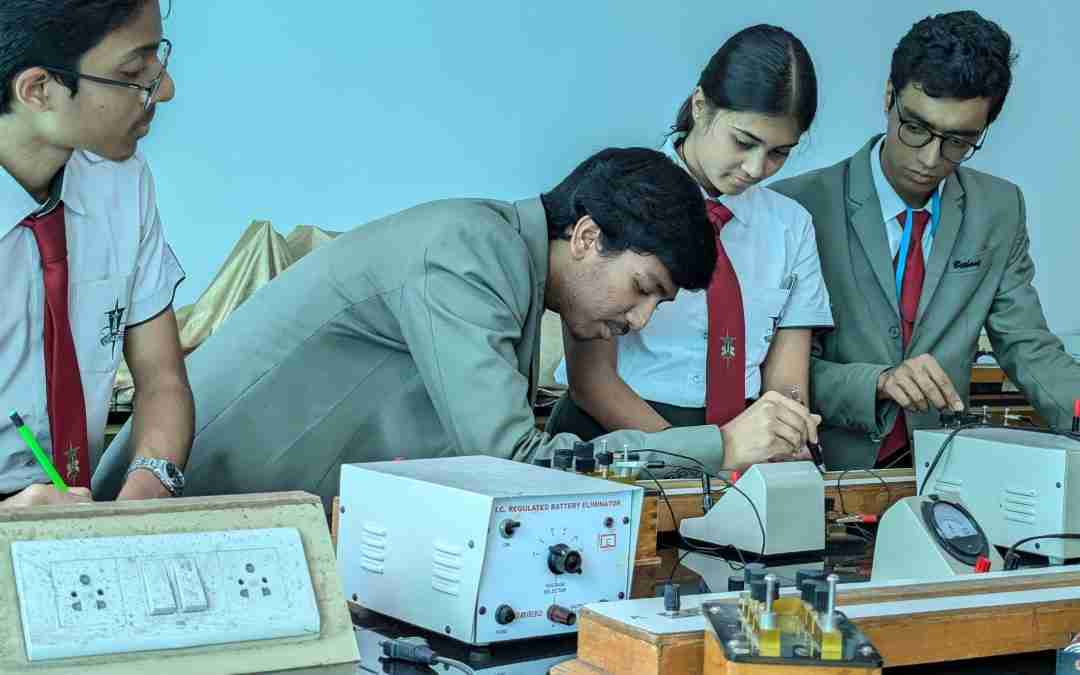
At Bethany Junior College , we have well -equipped laboratories with up-to-date equipment and materials which are essential for conducting meaningful and thought provoking experiments in Physics, Chemistry, Biology, Computer Science and Home Science. Qualified and well experienced teachers guide students through experiments integrating theoretical concepts through practicals, answer queries, ensuring that the learning experience is optimal and prepare students for ISC board practical examinations. Laboratories are clean, well-organized, and safe, creating a positive atmosphere for experimentation.
Role of Science Labs in Fostering Deeper Understanding
Science labs are indispensable in transforming abstract theoretical concepts into tangible, experiential knowledge.
They serve as bridges between the classroom and the real world, allowing students to:
- Concrete Application of Theory:
- Bridging the gap: Labs provide opportunities to apply theoretical knowledge to practical situations.
- Real-world connections: By observing phenomena firsthand, students can better understand how theoretical concepts manifest in everyday life.
- Developing Critical Thinking and Problem-Solving Skills:
- Troubleshooting: Encountering unexpected results in experiments forces students to think critically and find solutions.
- Data analysis: Interpreting data collected from experiments is crucial for drawing accurate conclusions and understanding the underlying concepts.
- Cultivating Scientific Inquiry and Methodology:
- Hands-on exploration: Labs encourage students to ask questions, explore possibilities, and seek answers through experimentation.
- Observation and analysis: Students develop skills in observing, recording, and analyzing data, essential for scientific research.
- Collaboration: Many lab activities involve teamwork, fostering communication and collaboration skills.
- Enhancing Motivation and Engagement:
- Active learning: Labs provide a dynamic and engaging learning environment, making science more interesting and relevant.
- Sense of accomplishment: Successfully conducting experiments and obtaining results boosts students’ confidence and motivation.
- Curiosity and wonder: Labs can spark curiosity and a lifelong interest in science.
- Developing Practical Skills:
- Laboratory techniques: Students learn essential laboratory skills like measurement, data collection, and equipment handling.
- Safety awareness: Labs emphasize safety protocols, fostering a responsible attitude towards scientific work.
In Bethany Junior college science labs are invaluable tools for making science education more meaningful, effective, and enjoyable. By providing hands-on experiences and opportunities for inquiry, they empower students to become critical thinkers, problem solvers, and lifelong learners.
Role of Biology Lab at Junior College Level
The biology lab at the Bethany Junior College level is a pivotal component in the holistic development of students. It serves as a bridge between theoretical knowledge and practical application, fostering a deeper understanding of biological concepts.
- Reinforcement of Theoretical Concepts:
- Practical application: Biology labs offer students the opportunity to apply theoretical knowledge to real-world scenarios. For instance, studying cell structure through microscopy reinforces classroom learning.
- Observation and analysis: By conducting experiments, students can observe biological phenomena firsthand, leading to a better grasp of complex concepts.
- Development of Scientific Skills:
- Laboratory techniques: Students learn essential laboratory skills like microscopy, dissection, staining, and data collection.
- Observation and analysis: Accurate observation and data analysis are crucial for scientific inquiry, and labs provide ample practice.
- Cultivating Scientific Attitude:
- Inquiry and curiosity: Labs encourage students to ask questions, explore, and investigate biological phenomena.
- Objectivity and precision: Students learn the importance of accuracy, precision, and objectivity in scientific investigations.
- Ethical considerations: Biology labs often involve living organisms, emphasizing ethical considerations and responsible scientific practice.
- Preparation for Higher Studies:
- Foundation for research: Lab experience is essential for students aspiring to pursue careers in biology or related fields.
- Skill development: The skills acquired in the biology lab are invaluable for undergraduate and postgraduate studies.
- Career Orientation:
- Practical exposure: Labs can expose students to various biological careers, such as biotechnology and medicine.
- Skill development: The skills gained in the lab are relevant to many job roles in the life sciences.
Specific Examples of Lab Activities:
- Microscopy: Studying cell structure, tissue types, and microorganisms.
- Dissection: Understanding the anatomy of animals and plants.
- Physiology experiments: Investigating physiological processes like osmosis, photosynthesis, and respiration.
- Genetics experiments: Studying inheritance patterns and genetic variations.
- Biotechnology experiments: Exploring DNA isolation, Effect of pH and temperature on activity of salivary amylase.
Role of Chemistry Lab at Junior College Level
The chemistry laboratory at the senior secondary level plays a crucial role in enhancing a range of life skills beyond just scientific knowledge. Here’s how it contributes to various aspects of personal development and practical skills:
- Critical Thinking and Problem-Solving:
- Experimental Design: Students learn to design experiments, make predictions, and test hypotheses, fostering a mindset of inquiry and logical reasoning.
- Troubleshooting: Addressing unexpected results or errors in experiments helps develop problem-solving skills and resilience.
- Attention to Detail:
- Precision and Accuracy: Performing experiments requires careful measurement and observation, promoting precision and attention to detail.
- Data Analysis: Analyzing experimental data and interpreting results sharpens analytical skills and enhances the ability to make data-driven decisions.
- Safety Awareness:
- Laboratory Safety Protocols: Learning about and adhering to safety guidelines such as how to handle hazardous chemicals fosters a strong sense of responsibility and awareness of potential dangers.
- Emergency Procedures: Understanding and practicing emergency procedures such as antidote for acid spill, prepares students for handling real-life situations safely.
- Teamwork and Collaboration:
- Group Work: Many experiments are conducted in pairs or small groups, teaching students how to work effectively with others, share responsibilities, and communicate clearly.
- Collaborative Problem-Solving: Working together on complex problems encourages cooperation and enhances interpersonal skills.
- Time Management:
- Experiment Planning: Managing time effectively to complete experiments and record observations helps students develop organizational and time-management skills.
- Deadline Adherence: Meeting deadlines for lab reports and assignments teaches responsibility and the importance of timely completion of tasks.
- Communication Skills:
- Reporting Results: Writing lab reports and presenting findings help improve written and verbal communication skills.
- Data Interpretation: Explaining experimental results and conclusions enhances the ability to articulate complex ideas clearly.
- Ethical and Responsible Conduct:
Scientific Integrity: Emphasizing ethical conduct in experiments and honesty in reporting results fosters a sense of integrity and responsibility.
- Environmental Awareness: Understanding the environmental impact of chemicals and waste encourages responsible and sustainable practices.
- Curiosity and Lifelong Learning:
- Exploration of Interests: Hands-on experimentation stimulates curiosity and encourages a passion for continuous learning and exploration.
- Adaptability: Learning to adapt to new scientific findings and methodologies cultivates a mindset open to change and innovation.
Role of Physics Laboratory at Junior College Level
The physics laboratory plays a pivotal role in the learning process at the junior college level.
It serves as a bridge between theoretical concepts and their practical applications.
1. Bridging Theory and Practice:
- Concrete understanding: Students can observe and verify theoretical concepts through experimentation.
- Application of knowledge: Laboratory experiments help students apply theoretical knowledge to real-world situations.
2. Developing Experimental Skills:
- Manipulation of equipment: Students learn to handle various scientific instruments and apparatus.
- Data collection and analysis: They develop skills in collecting accurate data, analyzing results, and drawing conclusions.
- Observation and precision: Laboratory work enhances observational skills and attention to detail.
3. Fostering Scientific Inquiry:
- Problem-solving: Students learn to approach problems systematically and devise experiments to find solutions.
- Critical thinking: Laboratory work encourages critical analysis of results and drawing logical inferences.
4. Cultivating Practical Skills:
- Measurement and calculations: Students practice taking accurate measurements and performing necessary calculations.
- Graphing and data presentation: They learn to represent data effectively through graphs and tables.
- Error analysis: Students develop skills in identifying and minimizing experimental errors.
5. Preparing for Higher Studies:
- Foundation for research: Laboratory experience provides a strong foundation for students pursuing higher studies in science and engineering.
- Research methodology: Students gain exposure to basic research methodologies.
6. Enhancing Interest in Physics:
- Hands-on experience: Engaging in experiments can spark interest and curiosity in physics.
- Real-world connections: Seeing the practical applications of physics can make the subject more relevant and enjoyable.
In essence, the physics laboratory is an indispensable component of a comprehensive physics education. It empowers students to become active learners, critical thinkers, and skilled experimenters.
Role of Home Science Laboratory at Junior College Level
Students’ education is greatly impacted by the home science lab, especially those who are interested in home management, nutrition, textiles, and family studies. Here are some crucial facets of its function:
- Application of Theoretical Knowledge in Practice: Home science integrates theory and application. Students can apply their knowledge of nutrition, food science, and textiles to real-world situations in the lab. They can practice food preservation skills, cooking procedures, and textile design, for instance.
- Skill Development: Learners acquire practical life skills like sewing, cooking, budgeting, and housekeeping. These abilities are essential for one’s own growth and can improve one’s employability in a number of fields, such as hospitality, education, and healthcare.
- Innovation and Experimentation: Students can test new materials, experiment with new recipes, and come up with creative DIY solutions in the lab. This encourages originality and the ability to solve problems.
- Knowledge of Nutrition and Health: Students gain knowledge about food safety, balanced diets, and health-related topics through hands-on activities. To learn more about the nutritional content of various foods and how cooking techniques affect their contents, they can carry out experiments.
- Textile and Fashion Education: Students can study garment creation, stitching techniques, and fabric qualities in the lab. For people who want to work in textile management or fashion design, this information is crucial.
- Research and Project Work: The lab frequently acts as a location for coursework and research projects, giving students the chance to look into interesting home science-related issues. Their ability to conduct research is improved, and critical thinking is stimulated.
- Collaboration and Teamwork: A lot of lab exercises call for group work from students, which fosters communication and teamwork abilities. These are useful abilities in both private and business contexts. In conclusion, junior college home science labs are an essential part of the curriculum because they give students real-world experience and employable abilities that they can use in their daily lives and across a range of future choices.
There are several reasons why a home science lab is crucial to the Indian School Certificate (ISC) curriculum. The following are some salient points:
- Practical Application: By giving students practical experience, the lab enables them to apply their theoretical knowledge to actual circumstances. This real-world application helps students better understand ideas and reinforces what they have learned.
- Skill Development: Students learn practical skills in the lab, such sewing, cooking, and fabric care. These abilities are helpful for personal growth and are essential for running a household.
- Experimentation: Students are able to carry out food science, nutrition, and textile experiments in the lab. They acquire skills in observation, process following, and result analysis, which promotes a scientific approach to common problems.
- Creativity and Innovation: Students can experiment with various recipes, designs, and approaches when working in a home science lab, which fosters creativity. This invention may inspire fresh approaches and resolutions to home management problems.
- Teamwork and Collaboration: Working in groups is a need for many lab activities, which encourages teamwork and collaboration. Gaining interpersonal skills from this experience is beneficial for both personal and professional development.
- Comprehending Safety Procedures: To avoid mishaps and guarantee a secure working atmosphere, the lab instructs students on safety procedures in the kitchen and when handling products.
- Career Preparation: The lab offers fundamental knowledge and abilities that students interested in pursuing careers in industries such as fashion design, hospitality, or nutrition can use immediately in their future employment.
In conclusion, the ISC home science lab is critical for giving children real-world experience, honing necessary skills, encouraging creativity, and getting them ready for future job opportunities—all while encouraging safe housekeeping practices.
Safety Rules in laboratories:
- Read the experiment carefully before starting.
- Wear appropriate personal protective equipment (PPE), including safety goggles, lab coat, and closed-toe shoes, aprons
- Keep your work area clean and organized.
- Never eat, drink, or chew gum in the lab.
- Report any accidents, injuries, or broken equipment immediately to the instructor.
- Follow all instructions given by the instructor.
- Know the location and use of safety equipment, such as fire extinguishers, eye wash stations, and first aid kits.
- Unauthorized experiments are strictly prohibited.
Specific Safety Considerations
- Electricity:
- Handle electrical equipment with dry hands.
- Avoid loose clothing or jewelry near electrical components.
- Unplug equipment when not in use.
- Report any frayed cords or damaged outlets.
- Heat:
- Use tongs or heat-resistant gloves when handling hot objects.
- Be cautious of hot plates and other heating devices.
- Allow equipment to cool before handling.
- Chemicals:
- Handle chemicals with care.
- Wear gloves when handling chemicals.
- Never mix chemicals without explicit instructions.
- Use fume hoods when working with volatile substances.
- Properly dispose of chemicals according to instructions.
- Glassware:
- Handle glassware with care.
- Report any broken or cracked glassware immediately.
- Use proper techniques for inserting and removing glass tubing from rubber stoppers.
- Heavy Objects:
- Be cautious when lifting or moving heavy objects.
- Use proper lifting techniques.
- Secure heavy objects to prevent tipping.
- Microorganisms:
- Handle cultures with care to prevent contamination.
- Sterilize equipment properly.
- Dispose of cultures and waste according to guidelines..
- Sharp Objects:
- Handle sharp objects with caution.
- Dispose of sharp objects in designated containers.
- Living Organisms:
- Handle preserved animals and plants with care.
- Disinfect work surfaces after handling organisms.
Emergency Procedures
- Know the evacuation procedures for the lab.
- Practice emergency drills regularly.
Remember, safety is everyone’s responsibility. By following these guidelines, you can significantly reduce the risk of accidents and injuries .
Conclusion
Science laboratories are incubators of creativity and innovation. When students are given the freedom to experiment and explore, they are more likely to come up with novel ideas and solutions. The process of scientific inquiry encourages lateral thinking, as students are forced to consider multiple possibilities and approaches. This fosters a mindset of curiosity and a willingness to question existing paradigms, which are essential attributes of successful scientists and engineers.
Beyond cognitive development, science laboratories also play a crucial role in developing practical skills. Students learn how to handle delicate equipment, measure accurately, and work collaboratively in a team. These skills are essential for future careers in science, technology, engineering, and mathematics (STEM) fields. Additionally, laboratory safety protocols instill a sense of responsibility and discipline, emphasizing the importance of precision and attention to detail.