by Bethany Institutions | Sep 23, 2024 | Blog Recent Post
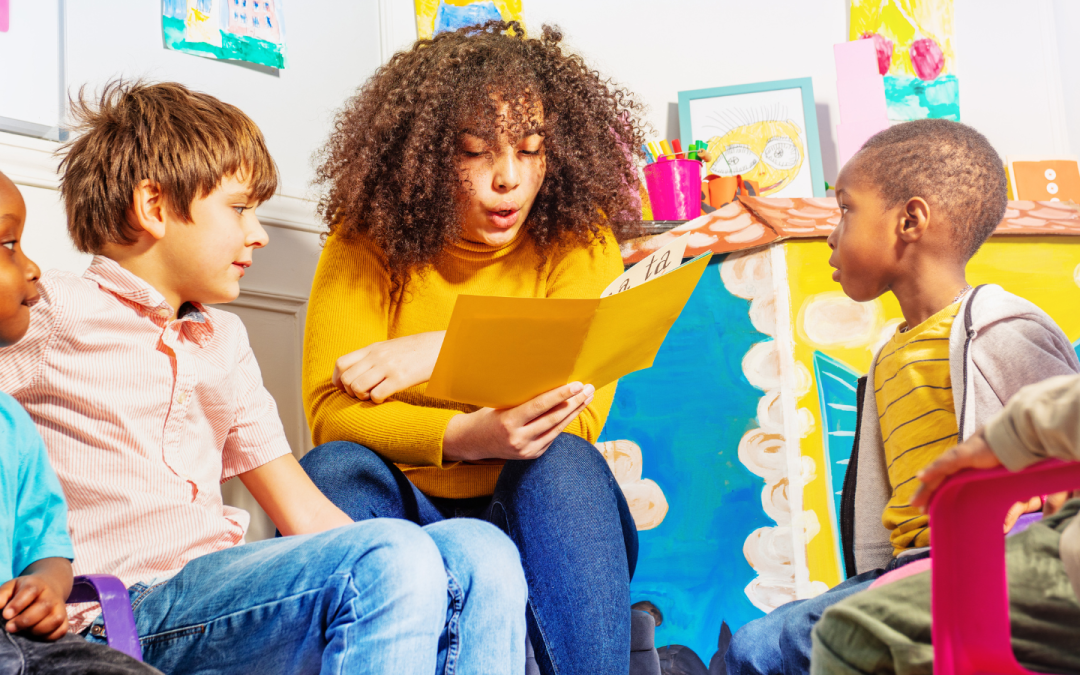
Developing leadership skills in young children is essential for their growth and future success. Leadership isn’t just for adults; children can also cultivate important traits like communication, confidence, responsibility, and teamwork by participating in different school activities. By nurturing these qualities from an early age, we equip them to face challenges, make thoughtful decisions, and become effective leaders in their communities.
What Leadership Looks Like in Young Children
In young children, leadership involves influencing their peers positively, making decisions, taking initiative, and demonstrating responsibility. It can be seen when a child takes the lead in group activities, guides others during a class project, or confidently communicates ideas. Leadership in children doesn’t just mean being in charge; it’s about being a good listener, a problem-solver, and someone who collaborates well with others.
Moreover, young leaders often exhibit qualities like empathy and respect for others. They learn to recognize their peers’ strengths and weaknesses and support their teammates, fostering a collaborative spirit.
School Activities That Promote Leadership Skills
Schools provide the ideal environment to foster leadership through structured activities that encourage teamwork, responsibility, and decision-making. Here are some effective ways schools can encourage leadership:
- Classroom Roles: Assigning classroom responsibilities, such as group leader or classroom helper, allows children to experience leadership firsthand. These roles encourage them to take initiative and be accountable for tasks.
- Group Projects: Working in teams for school projects enables children to collaborate, delegate tasks, and lead their peers. It’s an excellent way to develop organizational and leadership skills while learning to appreciate different perspectives.
- Student Councils: Participation in student councils or leadership committees empowers students to represent their peers, voice concerns, and make decisions, which helps them understand governance and the importance of civic engagement from an early age.
- Debate and Drama Clubs: Engaging in debate or drama clubs allows children to express their opinions, build confidence in public speaking, and develop persuasive communication skills which are key traits of effective leaders.
The Role of Teachers in Encouraging Leadership
Teachers play a pivotal role in nurturing leadership in children. By creating a supportive environment, they can encourage students to take ownership of their learning and responsibilities. Here are some ways teachers can foster leadership:
- Encouraging Participation: Actively involve students in class discussions and decision-making processes. This can be done by asking for their input on classroom rules or project topics.
- Offering Leadership Opportunities: Provide opportunities for students to lead group activities or present their work. This experience helps them build confidence and learn to articulate their ideas clearly.
- Providing Constructive Feedback: Giving feedback helps students understand their strengths and areas for improvement. Encouraging self-reflection after group activities fosters a growth mindset.
How Participation in Clubs and Societies Builds Leadership Qualities
Extracurricular activities like clubs and societies offer an excellent platform for students to develop leadership skills. Participating in clubs such as debate, drama, or sports teams requires students to take on leadership roles, plan events, and work collaboratively. These activities foster decision-making, communication, and teamwork which are vital skills for any leader.
For instance, being part of a sports team helps children learn the importance of strategy and collaboration. They develop skills like motivating teammates, strategizing for success, and learning to accept both wins and losses gracefully.
Benefits of Group Activities for Social and Leadership Skills
Group activities encourage collaboration, problem-solving, and effective communication. Through these interactions, children learn how to lead, follow, and work harmoniously with others. These experiences also promote empathy and conflict resolution, essential traits in any leader. When children face challenges together, they learn to negotiate, compromise, and find common ground, all while building their social skills.
How Parents Can Reinforce Leadership Skills at Home
Parents also play a critical role in fostering leadership at home. Here are several ways parents can support leadership development:
Encourage Decision-Making: Give children the chance to make choices, whether it’s deciding what games to play or how to organize their study time. This practice empowers them and helps develop their decision-making skills.
Promote Responsibility: Assigning tasks at home, such as helping with chores or planning family activities, teaches accountability and the importance of contributing to the family unit.
Foster Open Communication: Encourage children to express their thoughts and listen to others. This helps develop strong communication skills, vital for any leader.
Create Opportunities for Leadership: Involve children in planning family events or community service projects. These experiences provide practical opportunities to practice leadership.
Conclusion
Fostering leadership skills in young children is an investment in their future. By engaging them in school activities that promote responsibility, teamwork, and decision-making, we help them build the foundation for becoming confident and effective leaders. Both schools and parents have crucial roles in this development, and together, they can help children realize their leadership potential.
As we encourage young minds to embrace their abilities and take on challenges, we pave the way for a generation of responsible and visionary leaders who can contribute positively to society.
At Bethany, we provide a number of opportunities for our students to take up leadership roles both in the classroom and across various departments. The Bethany School Officers (BSO’s) attend a leadership retreat at the beginning of their term to motivate and enhance their leadership skills.
FAQs
How do leadership skills benefit children in their early years?
Leadership skills enhance children’s self-esteem, improve their social interactions, and equip them to handle challenges more effectively, laying a strong foundation for their future.
How can parents and teachers recognize leadership potential in kids?
Observing behaviors such as initiative, confidence in sharing ideas, and the ability to collaborate with peers can help identify leadership potential in children.
How can teachers encourage leadership skills in the classroom?
Teachers can create opportunities for group work, assign leadership roles in projects, and provide constructive feedback to help children develop their leadership skills.
What are the benefits of peer interaction in leadership development?
Peer interaction promotes teamwork, communication, and empathy, all of which are crucial for developing effective leadership skills.
How can I help my child become more confident in public speaking?
Encourage practice in low-pressure environments, provide positive reinforcement, and expose them to speaking opportunities, such as presentations or storytelling sessions, to build their confidence. Motivate them to speak about their friends, the fun they have at school or their favourite story book at home. Be a role model and give a speech for them to imitate. The home environment can be enriched with development of speaking skills as a family, learning to organise a speech and building stage confidence together.
Visit our website for practical tips and resources shared in our blog!
by Bethany Institutions | Sep 23, 2024 | Blog Recent Post
Storytelling is a timeless art that has captivated audiences of all ages. At its core, storytelling is not just about entertainment; it is a powerful tool for child development. It has the ability to ignite imagination, promote empathy, and enhance critical thinking. In this article, we will explore how storytelling shapes young minds and why it matters in early childhood education.
Why Storytelling Matters in Early Childhood?
From the moment children are born, they begin to make sense of the world around them. Storytelling provides a framework for understanding experiences, emotions, and relationships. When we share stories with children, we offer them a chance to connect with others, reflect on their feelings, and explore various scenarios in a safe environment. This connection is vital for emotional and social development, which in turn help children learn to navigate their own experiences.
The Role of Storytelling in Emotional and Social Development
Stories allow children to explore complex emotions and situations. Through characters’ journeys, children learn to empathise with others, recognising feelings like joy, sadness, and fear. This emotional connection helps them develop important social skills, such as cooperation and conflict resolution. When children see characters face challenges and overcome them, they gain insights into their own lives, learning valuable lessons about resilience and compassion.
Boosting Creativity and Imagination
One of the most significant benefits of storytelling is its ability to boost creativity and imagination. When children listen to stories, they create vivid mental images, which enhances their creative thinking. This imaginative play is crucial for cognitive development, allowing children to think outside the box and explore new ideas. Encouraging kids to create their own stories further nurtures this creativity, giving them the freedom to express themselves in unique ways.
Benefits of Storytelling for Young Minds
The benefits of storytelling for children are numerous:
Enhanced Language Skills: Listening to stories helps children expand their vocabulary and understand sentence structure. It also improves their listening skills, which are essential for effective communication.
Cognitive Skills Development: Stories engage children’s brains, promoting memory retention and comprehension. They learn to follow narratives, make predictions, and draw conclusions, all of which contribute to critical thinking.
Cultural Heritage: Storytelling often passes down cultural values and traditions, helping children understand their roots and the world around them. This knowledge cultivates respect and appreciation for diverse backgrounds.
Choosing the Right Stories for Your Child
When selecting stories for your child, consider their interests, age, and developmental stage. Here are some of the factors to look at while choosing stories for your child-
- Age-Appropriate Content: Choose stories that match your child’s age and maturity level. Younger children may enjoy simple tales with repetitive phrases, while older kids can handle more complex narratives.
- Diverse Themes: Look for stories that introduce various themes, such as friendship, bravery, and kindness. This diversity helps children understand different aspects of life and encourages moral education.
- Interactive Elements: Stories that encourage participation, such as asking questions or allowing children to predict outcomes can enhance engagement and make the experience more enjoyable.
The Impact of Storytelling on Language Development
Storytelling plays a crucial role in language acquisition. Children learn new words and phrases as they listen to stories, helping them articulate their thoughts more effectively. When they narrate their own stories, they practice structuring sentences and expressing their ideas, further developing their language skills.
Practical Tips for Busy Parents
As busy parents, incorporating storytelling into your daily routine can be simple. Here are a few ideas:
- Read Aloud Daily: Set aside time each day to read to your child.You can share with them small events of your day to help them understand what you did in a particular situation. This could be during bedtime or any quiet time during the day. Children love to listen to their parents’ stories especially if a story is narrated with varied facial expressions and sound effects.
- Encourage Story Creation: Invite your child to create their own stories. You can prompt them with a character or a setting to spark their imagination. Give them a theme and let their imagination take flight.
- Use Everyday Moments: Turn everyday experiences into stories. Whether it’s a trip to the grocery store or a visit to the park, narrate these experiences as stories to help your child relate and reflect.
- Engage with Multimedia: Use audiobooks or storytelling apps to introduce new stories and formats, making storytelling accessible in various forms.
Conclusion
Storytelling goes beyond mere entertainment; it plays a crucial role in shaping a child’s development. By sharing stories, we can help children develop social skills, creativity, and nurture emotional intelligence. When we weave storytelling into everyday life, we equip children with the tools they need to understand themselves and others, helping them face the world with confidence and kindness. Practising this age-old practice not only enriches their experiences but also builds a solid foundation for their future growth and success.
Explore the transformative power of storytelling and its impact on child development. Visit our website to learn more about the tips and insights we share in our blog!
FAQs
What are the advantages of incorporating storytelling in early childhood education?
Storytelling enhances language skills, promotes social and emotional development, and promotes creativity, making it a vital tool in early education. As they move into higher grades, the stories form a platform for them to write better compositions and enhance their storytelling skills.
Can storytelling improve my child’s behaviour and moral values?
Yes, storytelling can teach valuable life lessons and ethical behaviour through the experiences of characters, helping children understand right from wrong.
How do I choose age-appropriate stories for my child?
Select stories that match your child’s interests and developmental level, ensuring the content is engaging and suitable for their age.
What types of stories are best for teaching life lessons to children?
Look for stories with strong moral themes, such as kindness, honesty, and friendship, as these lessons resonate with children and reinforce positive behaviour.
By harnessing the power of storytelling, we can nurture a generation of thoughtful, imaginative, and empathetic individuals. Explore more about how we support this development at our school!
by Bethany Institutions | Sep 23, 2024 | Blog Recent Post
Outdoor play is more than just a fun activity. It is a critical part of a child’s development that offers numerous benefits of outdoor play for children across physical, mental, and social domains. Earlier, children spent the majority of their days playing outdoors with friends, exploring nature, and engaging in imaginative games. However, in the present digital age, children are increasingly occupied with screens and indoor activities.
Making time for outdoor play is essential because it helps children stay physically active, reduces stress, and encourages social interaction, all of which are crucial for their holistic growth. Understanding the importance of outdoor games reminds parents and educators that regular play outside is crucial for children’s overall growth and well-being
Let’s explore the benefits of outdoor play for children and how these activities aid their overall growth and development.
Introduction to the Benefits of Outdoor Play
Playing outdoors offers children the chance to engage with the natural world, use their imagination, and develop essential life skills. Unlike structured indoor play, outdoor activities provide a dynamic environment where children can explore freely and learn through their experiences.
The benefits of outdoor games include improved fitness, stronger social skills, and better emotional balance, making outdoor play an important part of a child’s daily routine.
As the saying goes, “All work and no play makes Johnny a dull boy,” emphasising the importance of balancing work with play for healthy development.
Physical Benefits of Outdoor Play
One of the most significant advantages of outdoor games is the development of physical skills. Activities like running, jumping, climbing, and playing games improve children’s motor skills, balance, and coordination. These activities help in muscle development and overall fitness, laying a foundation for a healthy lifestyle. When children spend time outdoors, they are more likely to engage in vigorous physical activities, which is crucial for preventing childhood obesity and strengthening their immune system.
Moreover, exposure to natural sunlight helps children receive Vitamin D, which is essential for bone development and overall health. Regular outdoor activities for kids can significantly reduce the risk of common health issues, ensuring that they grow up strong and healthy.
Mental Health and Cognitive Development
Outdoor play greatly enhances children’s mental health and cognitive development. Being outdoors in a natural environment reduces stress, anxiety, and symptoms of conditions like ADHD. Nature provides a calm setting where children can relax, focus better, and become more attentive.
These outdoor games benefits also extend to brain development, as children develop creativity, problem-solving skills, and critical thinking abilities while exploring and playing. For example, building a fort or finding their way around a play area helps children think creatively and make their own decisions. This type of active learning boosts their brain for cognitive development and gets them ready for more difficult learning as they get older.
Social and Emotional Benefits
Outdoor play is equally important for developing social skills and emotional intelligence. When children play outside, they often engage in group activities that require working in teams, and also communicating, collaborating and cooperating with their peers.
Moreover, the freedom to explore and take risks in outdoor play builds self-confidence and resilience. Children learn to navigate challenges, such as climbing a tree or crossing a stream, which helps them develop a sense of accomplishment and independence. Playing outdoors gives them an outlet for the stress they may be feeling. These experiences show the importance of outdoor games for emotional development, as they help children understand and manage their feelings better.
Improved Sensory Skills
Playing outdoors also helps children develop sensory skills. The outdoors offers a variety of sensory experiences that cannot be replicated indoors. Children engage their senses when they feel the texture of tree bark, play with sand, listen to the rustling leaves, smell the fresh air, or watch a butterfly flutter by. These sensory experiences are crucial in helping children understand and interact with the world around them. This in turn enhances their sensory awareness and cognitive abilities. Engaging with different textures, sounds, and sights helps in sensory integration, which is essential for activities like reading, writing, and even emotional regulation.
Types of Outdoor Activities and Games for Children
There are many types of outdoor games to play that cater to different interests and developmental needs. Some popular options include:
- Free Play in Nature: Encourage children to explore natural elements like trees, rocks, sand and water. This type of play promotes creativity and problem-solving while nurturing a deep connection with the natural world.
- Outdoor Sports and Games: Games like cricket, football, and badminton are excellent for improving fitness and teamwork. Simple games like tag, hide-and-seek, or hopscotch are also great for developing agility and coordination.
- Adventure Activities: Activities like nature trails, scavenger hunts, or camping provide excitement and challenge. These activities teach children to assess risks, make decisions, and build confidence. It also develops a love and a concern for the environment.
- Gardening: Gardening allows children to learn about responsibility, patience, and the environment. It’s a hands-on way to learn about plant growth and the importance of nurturing living things. Planting their own seeds and watching them grow creates a sense of wonder in them.
- Creative Play: Outdoor art and craft stations or building forts and sand castles encourage imaginative play while keeping children physically active.
Why is Outdoor Play Important?
The outdoor games benefits goes beyond just physical exercise. Outdoor play helps children learn through experience, promoting creativity, and allowing them to grow emotionally and socially. In a world where children are often confined to structured environments and screens, spending time outdoors provides a refreshing change that encourages exploration, discovery, and self-expression.
Conclusion
The benefits of outdoor play for children are extensive, encompassing physical health, cognitive development, social skills, and emotional well-being. At Bethany High, we understand the importance of providing safe and stimulating outdoor spaces where children can learn, grow, and thrive. Outdoor play is not just about fun but it’s about nurturing well-rounded individuals ready to take on life’s challenges.
Encouraging children to play outdoors is one of the best ways to ensure they develop holistically. So, let’s make the most of nature and allow our children the freedom to explore, learn, and grow in the great outdoors!
FAQs
Why should we play?
Playing is essential for children’s growth and learning. It builds physical, social, and emotional skills and cultivates overall development. It also plays an important role in brain development.
Why should we play outdoor games?
Outdoor games encourage physical exercise, teamwork, problem-solving, and creativity, all of which are vital for children’s development. Children sharpen their social skills as they make friends.
Why is outdoor play important?
Outdoor play promotes physical fitness, mental well-being, emotional resilience, and social skills, making it essential for well-rounded growth. They also get plenty of fresh air and sunshine which boosts one’s mood and energises them.
What are the benefits of playing outdoor games?
Outdoor games help in improving physical health, building confidence, developing social skills, enhancing problem-solving abilities and eye hand coordination.
How does outdoor play help children’s development?
Outdoor play supports growth in multiple areas, including physical, cognitive, emotional, and social development, helping children to develop resilience and to become well-rounded individuals.
by Bethany Institutions | Sep 23, 2024 | Blog Recent Post
Emotional intelligence (EI) is an important skill that helps in understanding and managing one’s emotions. It plays a vital role in helping kids communicate better, handle stress, and build stronger relationships. At Bethany High, we believe that developing emotional intelligence early on helps children grow into well-adjusted and caring individuals.
In this article, we will look at why emotional intelligence is important for school-aged children and how it can benefit their academic and personal lives.
What is Emotional Intelligence?
Emotional intelligence is the ability to recognise and understand emotions in ourselves and others. It also involves managing our emotions in positive ways, such as controlling impulses, showing empathy, and handling challenges calmly. Children with emotional intelligence are better at communicating, working with others, and managing difficult situations.
Why Emotional Intelligence Matters in Childhood
Learning to manage emotions is important for kids as it affects many areas of their lives. It helps them in:
- Building good relationships: Emotionally intelligent children can communicate their feelings better, understand others, and make friends more easily.
- Managing stress: They can calm themselves when they feel upset, which helps them handle difficult emotions like anger and sadness in healthy ways.
- Becoming resilient: Emotional intelligence helps children bounce back from challenges and setbacks more easily, building confidence in themselves.
Focusing on emotional intelligence for kids early on helps them grow into confident and emotionally balanced individuals.
Social Skills Development
Children who develop emotional intelligence have better social skills. They can:
- Understand how others feel: Emotional intelligence helps kids develop empathy, which allows them to understand others’ emotions and respond with care.
- Form stronger friendships: With better emotional control and empathy, children can connect with their peers more deeply, forming lasting friendships.
- Handle conflicts peacefully: Instead of reacting out of anger or frustration, emotionally intelligent children learn to resolve conflicts calmly.
Building emotional intelligence in schools allows children to improve their social skills and feel more connected to their classmates.
Improved Academic Performance
Children with emotional intelligence often do better in school. Here’s how it helps:
- Increased focus: Managing stress and emotions helps children focus better on their studies, leading to improved academic performance.
- Stronger motivation: When students are emotionally stable, they are more likely to stay motivated and set goals for themselves.
- Better communication with teachers: Emotionally intelligent children can ask for help when needed and engage more actively in the classroom.
Mental Health Benefits
Emotional intelligence supports children’s mental health. It helps them:
Reduce anxiety: Emotionally intelligent kids can better manage feelings of anxiety and fear, leading to fewer overwhelming emotions.
Build self-esteem: Understanding their emotions helps children develop a positive sense of self-worth.
Cope with stress: Children who know how to manage their emotions can handle everyday stress and avoid burnout.
By focusing on developing emotional intelligence, we can support children’s mental well-being and overall happiness.
Conflict Resolution
Emotionally intelligent children can handle disagreements and conflicts with more understanding. They are able to:
- Stay calm: Managing emotions helps children remain calm during arguments or tense situations.
- See others’ points of view: Empathy allows them to understand the feelings of others, leading to fairer resolutions.
- Communicate clearly: Emotionally intelligent children can express their feelings and thoughts more effectively, helping them resolve conflicts without aggression.
How to Nurture Emotional Intelligence in School-aged Children
Here are some ways we can help children develop emotional intelligence for kids:
Set an Example of Emotional Awareness- Children learn by observing adults. Teachers and parents can model emotional awareness by talking openly about their feelings and showing how to handle them. Help children to identify the emotions they are feeling and name them.
Encourage Open Conversations- Create a safe space where children feel comfortable talking about their feelings. Encourage them to share their emotions and offer guidance on how to manage them.
Teach Empathy- Help children understand how others might feel in different situations. Role-playing and discussing various emotional scenarios can teach children to care about the feelings of others.
Use Stories and Role-play- Stories and role-playing help children explore emotions in a fun way. Use books or role-play activities to discuss how characters feel and how they handle their emotions.
Expand Emotional Vocabulary- Teach children words that describe different emotions, so they can express themselves clearly. For example, they can learn to say they feel “disappointed” instead of just “sad.”
Teach Problem-solving- Help children break down a problem, think of solutions, and decide on the best one. This helps them handle emotional challenges more effectively.
Practice Mindfulness- Introduce mindfulness exercises such as deep breathing or simple meditation. These activities can help children stay calm and manage their emotions better.
The Role of Schools in Developing Emotional Intelligence
Schools play an important role in nurturing emotional intelligence in children. By including emotional intelligence development in their everyday lessons, educational institutions can support students’ emotional growth alongside their academic learning.
Social-Emotional Learning (SEL) Programs- Social-Emotional Learning programs teach children how to manage emotions, build healthy relationships, and make responsible decisions.
Supportive Classrooms- We aim to create a supportive classroom environment where students feel emotionally safe and valued. This helps students communicate openly and express their feelings.
Including Emotional Intelligence in the Curriculum- Incorporating emotional intelligence into lessons helps students understand and reflect on their emotions throughout the school day.
Long-term Benefits of Emotional Intelligence– Children who develop emotional intelligence benefit throughout their lives. Emotionally intelligent individuals are:
- More adaptable: They can handle changes and challenges more easily.
- Better leaders: Emotional intelligence helps in understanding others and motivating teams.
- More empathetic: They can form stronger relationships, both personally and professionally.
Conclusion
Developing emotional intelligence in students is vital for their overall growth. These skills are equally important as academic achievements and play a crucial role in shaping empathetic, responsible, and resilient individuals. By teaching children how to understand and manage their emotions, schools equip them with the tools to navigate challenges effectively. This preparation not only enhances their academic performance but also supports their personal growth, helping them build meaningful relationships and succeed in various aspects of life. Ultimately, prioritising emotional intelligence lays a strong foundation for a brighter future.
FAQs
What is emotional intelligence?
Emotional intelligence (EI) is the ability to understand, manage, and express emotions effectively in oneself and others.
How can I help my child develop emotional intelligence?
You can help by encouraging open conversations about emotions, teaching empathy, and practising mindfulness activities.
At what age do children develop emotional intelligence?
Children start developing emotional intelligence in their early years, but it continues to grow as they mature.
How do schools support emotional intelligence development?
Schools can support EI development through social-emotional learning programs, creating supportive environments, and including emotional intelligence lessons in the curriculum
By teaching emotional intelligence, we prepare children not only for academic success but also for personal growth. Visit our website to learn more about how Bethany High nurtures both the mind and the heart!
by Bethany Institutions | Sep 19, 2024 | Blog Recent Post
List of the best indian scientists
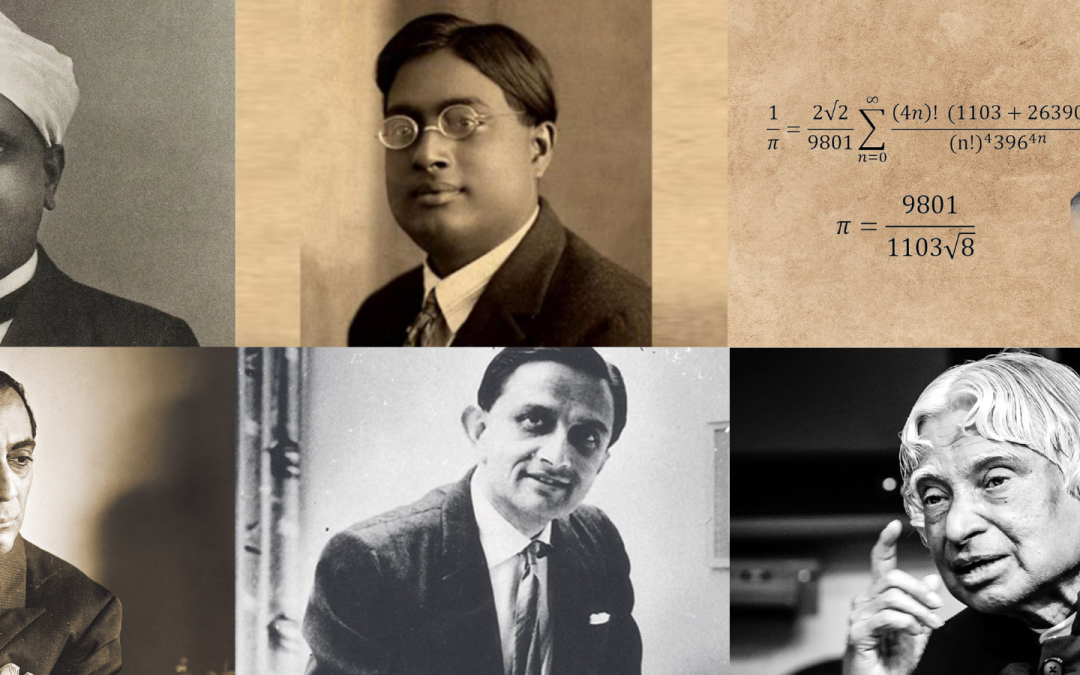
India has always been a land of great thinkers, scholars, and scientists whose contributions have shaped the world we live in today. From ancient to modern times, Indian scientists and their inventions and discoveries have pushed the boundaries of knowledge in physics, mathematics, biology, and space exploration. At Bethany, we believe in nurturing future leaders who will carry on this proud tradition of scientific excellence.
In this article, we explore the inspiring journeys of 15 renowned scientists who transformed science in India and made significant contributions to the global scientific community, leaving an enduring legacy of innovation and discovery.
1. C.V. Raman: The Raman Effect
C.V. Raman was a Nobel Prize-winning physicist who discovered the “Raman Effect” in 1928, explaining the scattering of light through different materials. This discovery earned him the Nobel Prize in Physics in 1930, making him the first Asian to win in this category. His work has profound implications in spectroscopy and paved the way for innovations in chemistry, biology, and medicine. To date, his research remains one of the most important inventions and discoveries in modern physics.
2. Satyendra Nath Bose: Bose-Einstein Condensate
Satyendra Nath Bose’s collaboration with Albert Einstein led to the formulation of Bose-Einstein statistics, the foundation of quantum mechanics. His key contribution was predicting the Bose-Einstein condensate, a new state of matter. His work remains crucial in quantum physics, and particles following Bose-Einstein statistics are called “bosons” in his honour. This reflects the significant contribution of Indian scientists to advancing quantum theory worldwide.
3. Srinivasa Ramanujan: Contributions to Mathematics
Srinivasa Ramanujan is one of India’s most celebrated mathematicians. His work on number theory, continued fractions, and infinite series was groundbreaking and continues to shape how students learn core concepts such as fractions and percentages, which are essential for strong mathematical foundations. His legacy is celebrated each year on National Mathematics Day, inspiring students to appreciate the beauty and importance of mathematics. Ramanujan was largely self-taught, and his contributions are fundamental to many areas of pure and applied mathematics.
4. Homi J. Bhabha: Father of the Indian Nuclear Program
Homi Jehangir Bhabha is called the father of India’s nuclear program. His pioneering research in quantum theory and cosmic radiation was groundbreaking. He played a crucial role in establishing India’s nuclear energy program and founded the Tata Institute of Fundamental Research (TIFR) and Bhabha Atomic Research Centre (BARC), making India a nuclear-capable nation. Many regard him as one of India’s best scientists for his foundational role in nuclear science.
5. Vikram Sarabhai: Founder of ISRO
Vikram Sarabhai is considered the father of India’s space program. He founded the Indian Space Research Organisation (ISRO) and played a key role in developing India’s satellite technology. Under his leadership, India launched its first satellite, Aryabhata, in 1975, marking a pivotal moment in its space exploration journey. He is among India’s great scientists of India for his contributions to defence and space research.
6. APJ Abdul Kalam: Missile Man of India
Dr. APJ Abdul Kalam, known as the “Missile Man of India,” made significant contributions to India’s missile development program. He was the driving force behind India’s indigenous satellite launch vehicle (SLV) and missile technology, including the Agni and Prithvi missiles. His work made India a self-reliant space and defence power.
7. Jagadish Chandra Bose: Father of Radio Science
Jagadish Chandra Bose Jagadish Chandra Bose is regarded as a pioneer of radio science. His invention, the crescograph, measured plant growth and showed that plants respond to external stimuli. His radio and microwave optics research laid the groundwork for wireless communication technology.: Indian Space Research
Dr. K. Radhakrishnan, a key figure in ISRO, made significant contributions to India’s space program. His leadership during the Mars Orbiter Mission (Mangalyaan) made India the first nation to succeed in its maiden attempt to reach Mars, establishing India as a leader in space exploration. He is among the famous Indian scientists who brought global recognition to India’s space achievements.
9. Meghnad Saha: Astrophysics and Thermal Ionization
Meghnad Saha developed the Saha Ionisation Equation, which explains stars’ chemical and physical properties. His work in astrophysics significantly contributed to our understanding of stellar atmospheres and the spectrum of stars.
10. Har Gobind Khorana: Genetic Code and Protein Synthesis
Har Gobind Khorana was a biochemist who won the Nobel Prize in 1968 for his work on the genetic code and protein synthesis. He conducted experiments to demonstrate that nucleotides in nucleic acids control protein synthesis, laying the foundation for modern genetics and biotechnology.
11. Subrahmanyan Chandrasekhar: The Chandrasekhar Limit
Subrahmanyan Chandrasekhar’s research on the structure and evolution of stars led to the discovery of the “Chandrasekhar Limit.” This is an important concept in the study of stellar evolution and black holes. In 1983, his work earned him the Nobel Prize.
12. Prafulla Chandra Ray: Father of Indian Chemistry
Prafulla Chandra Ray is considered the father of Indian chemistry. He founded Bengal Chemicals & Pharmaceuticals that is India’s first pharmaceutical company. His research led to the discovery of Mercurous Nitrite, a chemical compound used in medicine.
13. Aryabhata: Ancient Indian Mathematician and Astronomer
Aryabhata was a mathematician and astronomer from ancient India. His research on the solar system continues to inspire astronomy for children, helping young learners to develop curiosity about planets, stars, and space while also laying the groundwork for modern arithmetic and algebra.
14. S.S. Abhyankar: Contributions to Algebraic Geometry
S.S. Abhyankar was a distinguished mathematician known for his work in algebraic geometry. His contributions in birational geometry and the resolution of singularities play a significant role in modern mathematical research.
15. G.N. Ramachandran: Pioneer in Molecular Biophysics
G.N. Ramachandran made contributions to molecular biophysics by developing the “Ramachandran Plot,” which provides a graphical representation of protein structures. His work remains foundational in the study of molecular biology and structural bioinformatics.
Notable Indian Women Scientists
There are many respected scientists in India who have strengthened the country’s scientific progress across different fields.
While this article highlights 15 famous Indian scientists, we must not overlook the incredible contributions of Indian women in science:
- Asima Chatterjee: A pioneering chemist who contributed significantly to medicinal chemistry and phytochemistry.
- Janaki Ammal: Her work in botany and cytogenetics helped advance plant breeding, especially sugarcane research.
- Tessy Thomas: Known as the “Missile Woman of India,” she played a key role in India’s missile development program.
- Kalpana Chawla: A NASA astronaut and the first woman of Indian origin in space who inspires aspiring scientists.
Conclusion
The legacy of these 15 famous Indian scientists continues to inspire generations of learners and researchers. At Bethany, we celebrate their contributions and encourage our students to strive for excellence like these great minds. These remarkable individuals have shown that dedication, innovation, and persistence can lead to new heights in science and technology.
To foster a scientific mindset among our students, we organise educational trips to the Visvesvaraya Industrial and Technological Museum. Our annual Science Exhibitions provide hands-on learning experiences that help students develop problem-solving and teamwork skills. We aim to inspire the next generation of thinkers, innovators, and scientists.
FAQs
Who is the father of mathematics in India?
Aryabhata is often considered the father of Indian mathematics. His work in astronomy and mathematics, especially his introduction of zero and his development of algebra, trigonometry, and the value of pi had a monumental influence on mathematical history. He also authored the famous treatise “Aryabhatiya,” which contains various important mathematical formulas.
How to become a scientist?
Becoming a scientist requires a passion for discovery, followed by rigorous academic and practical training. To become a scientist, one should:
- Complete higher education in a specific field of science, such as physics, biology, or chemistry.
- Pursue a bachelor’s degree followed by a master’s, and then consider doing a PhD to specialise in a particular area.
- Participate in internships, research projects, and publish scientific papers to gain experience.
- Many scientists also work in laboratories, universities, or research institutions where they continue to innovate and contribute to scientific knowledge.
Who is the first scientist in the world?
While it is difficult to identify the first scientist in the world, Aristotle (384–322 BC) is often considered one of the earliest scientists. He made significant contributions to biology, physics, and natural sciences. His method of systematic observation and inquiry laid the foundation for the scientific method used today.
How to become a space scientist?
To become a space scientist, you can start by obtaining a bachelor’s degree in a field related to space sciences, like astronomy, physics, or aerospace engineering. Further, you can pursue a master’s and PhD in a specialised area such as astrophysics, space engineering, or planetary sciences. Gaining experience through internships at space research organisations like ISRO or NASA is crucial. Staying up to date on advancements in space technology and engaging in research projects will enhance your knowledge and prepare you for a career in this field.
Who is a scientist?
A scientist is an individual who conducts systematic research to discover new knowledge, test hypotheses, and create new applications in various fields of science. Scientists use empirical methods, observations, and experiments to understand the natural world. Learning about different scientists’ names helps students understand various scientific careers and achievements.
What does a scientist do?
Scientists conduct experiments, collect data, and analyse results to test theories or develop new technologies. Their work often involves solving complex problems, inventing new processes, and contributing to our understanding of the universe. Depending on their field, they may work in laboratories, universities, research institutions, or in the field.
Who is the father of Indian nuclear science?
Homi J. Bhabha is known as the father of Indian nuclear science. He played a pivotal role in developing India’s atomic energy program and was the founding director of the Tata Institute of Fundamental Research (TIFR).
What is the Raman Effect?
The Raman Effect is the scattering of light that occurs when it passes through a material, resulting in a change in the light’s frequency. C.V. Raman discovered it in 1930, and it earned him the Nobel Prize in Physics.
Which Indian scientist worked with Albert Einstein?
Satyendra Nath Bose worked with Albert Einstein to develop Bose-Einstein statistics and the concept of the Bose-Einstein condensate, both of which contributed to quantum mechanics.
What is a Bose-Einstein Condensate?
Bose-Einstein Condensate (BEC) is a state of matter formed when particles called bosons are cooled to near absolute zero, causing them to occupy the same space and quantum state. Satyendra Nath Bose and Albert Einstein predicted this phenomenon.
What contribution did Srinivasa Ramanujan make to mathematics?
Srinivasa Ramanujan significantly contributed to number theory, infinite series, and continued fractions. His work laid the foundation for various mathematical concepts, including the Ramanujan prime and Ramanujan theta function.
How did Jagadish Chandra Bose contribute to wireless communication?
Jagadish Chandra Bose demonstrated the use of radio waves for communication in 1895, laying the groundwork for modern wireless communication technology.
What did Har Gobind Khorana discover in genetics?
Har Gobind Khorana discovered how nucleotides in nucleic acids control the synthesis of proteins. His work in genetic code research earned him the Nobel Prize in 1968.
How to improve our Scientific skills?
To improve scientific skills, nurturing curiosity, asking questions, and engaging in hands-on learning is essential. At Bethany Primary School, we support this by offering interactive science classes, encouraging participation in science fairs, and organising educational trips to places like the Visvesvaraya Industrial and Technological Museum. Our students also participate in school-hosted Science Exhibitions, fostering problem-solving, teamwork, and critical thinking. Through these activities, we help students sharpen their scientific abilities and stay updated on the latest advancements.
Who is the father of physics?
The father of physics is Isaac Newton.
Who was the first Indian scientist?
The first Indian scientist is Aryabhata.