by Bethany Institutions | Jun 30, 2025 | Blog Recent Post
Emergencies come without warning. One minute, it’s a regular school day filled with classes and laughter, and the next, someone might need urgent medical attention. At Bethany High, we believe that every student should be equipped with the knowledge and confidence to handle such situations. That’s why teaching Emergency Care Basics for Students is not just an add-on for us – it’s an essential part of preparing our children for life.
Introduction: Why Teaching Emergency Care is Essential
We live in a world where anything can happen, anytime. From minor injuries on the playground to more serious situations like choking or fainting, emergencies aren’t limited to adults. Our children are often the first to witness such incidents, especially in schools. So why not give them the tools they need to help?
At Bethany, we feel it’s our responsibility to create an environment that nurtures not just academic excellence, but also life-saving skills for kids. Teaching emergency care empowers students with confidence, presence of mind, and compassion – qualities that go a long way in life.
Understanding the Basics of Emergency Care
So, what exactly is emergency care? Simply put, it’s the immediate assistance given to someone suffering from a sudden illness or injury until full medical help is available. This includes:
- CPR (Cardiopulmonary Resuscitation)
- Treating cuts, burns, or fractures
- Helping someone who is choking or having a seizure
- Recognising signs of serious conditions like a stroke or heart attack
Understanding these basics allows students to step in and provide meaningful help during the crucial moments before professional care arrives.
Top Emergency Care Skills Every Student Should Know
Through our workshops and health classes, we make sure our students learn the most essential emergency care skills:
- Calling for help effectively: Knowing how to call emergency services and give clear information
- Performing CPR Basics for Beginners: Teaching hands-only CPR to make it easier for children to learn
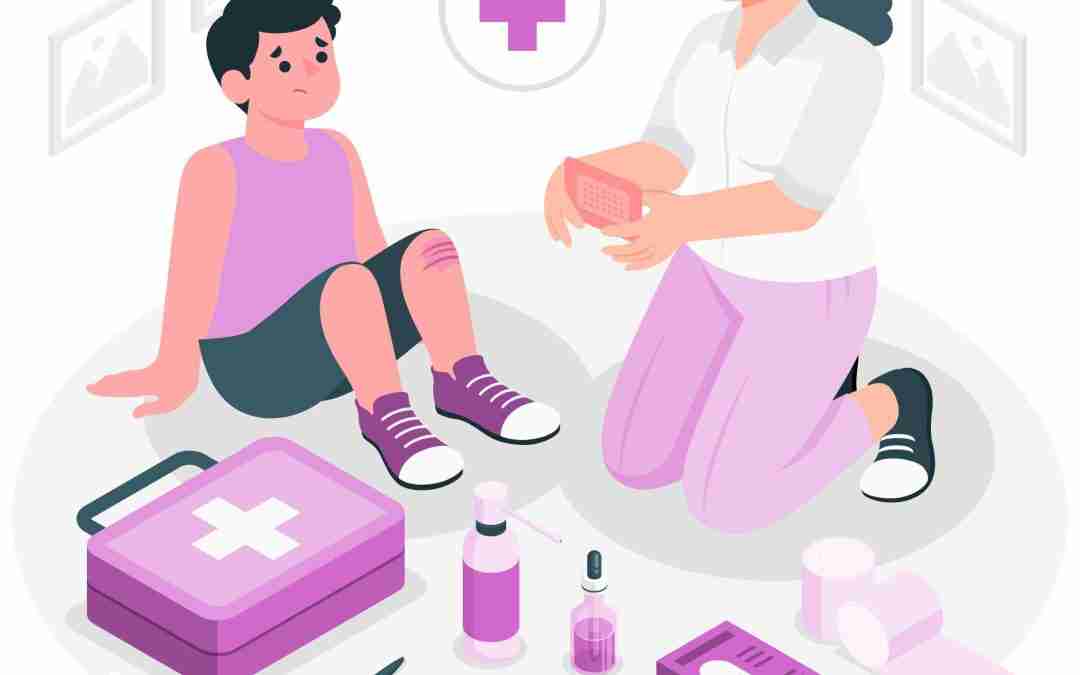
- Handling wounds: Cleaning and dressing minor cuts and bruises
- Assisting someone who has fainted or is choking
- Using basic first aid kits
- Staying calm and collected in a crisis
These practical lessons are part of our larger focus on Emergency Preparedness in Schools.
Benefits of Learning Emergency Care for Students
The benefits of learning emergency care at a young age are immense:
- Student empowerment through training: It boosts self-confidence and builds leadership skills.
- Better decision-making: Students become more aware of their surroundings and know how to act in real-life emergency scenarios.
- Health and safety education: Awareness of how our bodies respond to injuries helps in better health choices overall.
- Helping others: Children feel proud to help their peers in need.
And honestly, it just makes the world a kinder, safer place.
Student Stories: Rising to the Occasion in Emergencies
Nothing makes us prouder than hearing how our students put their learning into action. Like the time one of our 9th graders calmly handled a situation when her classmate fainted during PT, ensuring the child was lying down safely, breathing properly, and alerting teachers immediately.
Or the class project where students made their own first aid kits and conducted a safety drill for their classmates, guiding them through the steps with clarity and care.
These stories remind us that when we teach kids how to respond, they often surprise us with their courage and composure.
Conclusion: Empowering the Next Generation with Life-Saving Skills
Teaching Emergency Care Basics for Students isn’t just a programme at Bethany – it’s a philosophy. We want every child who walks through our gates to be prepared, informed, and ready to help.
In a world that can change in a heartbeat, these skills aren’t just helpful – they’re necessary.
If you’re a parent looking for a school that takes your child’s all-round development seriously, explore why Bethany is one of the best ICSE schools in Bangalore. Let’s work together to raise a generation of smart, kind, and capable individuals who are ready for anything.
FAQs
What emergency care skills should students learn? Students should learn how to assess situations, perform hands-only CPR, treat wounds, help someone who is choking, and call emergency services correctly.
Why is emergency preparedness important for students? Because emergencies can happen anytime, and being prepared can make all the difference in saving lives and reducing panic.
How can schools teach emergency care effectively? By integrating practical sessions, inviting professionals to train students, and including emergency care in the curriculum in a fun and age-appropriate manner.
Are emergency care workshops included in the curriculum? Yes, we regularly conduct workshops that cover first aid, CPR, and other vital life-saving skills as part of our co-curricular programme.
If you’d like to know more about how we prepare students for life, not just exams, come visit us or explore our other blog posts. We’re always excited to show you what makes Bethany High a community that truly cares.
by Bethany Institutions | Jun 30, 2025 | Blog Recent Post
At Bethany High, we believe that education isn’t just about academics — it’s about preparing our students for life. And one of the most essential life skills we can teach them is how to stay safe during an emergency or disaster. Whether it’s a fire drill, an unexpected power cut, or a natural disaster like an earthquake or cyclone, knowing what to do in those critical moments can make all the difference.
In today’s world, where unpredictability seems to be the only constant, Emergency and Disaster Preparedness has become an integral part of our school curriculum. It’s not just about drills or routines — it’s about building confidence, awareness, and resilience in our students so they’re ready to face challenges both inside and outside school walls.
Understanding Emergency and Disaster Scenarios
So, what exactly do we mean when we say “emergency” or “disaster”? At Bethany, we categorise emergencies into two broad types:
- Natural Disasters – These include events like earthquakes, floods, cyclones, and lightning strikes.
- Man-made Emergencies – This can be anything from fires, gas leaks, or chemical spills to situations like security threats or accidents on school premises.
Each of these scenarios requires a different approach, but the core principle remains the same: Stay calm, act quickly, and follow the plan.
Key Emergency Response Skills Every Student Should Learn
We strongly feel that safety is everyone’s responsibility, and that includes our students. That’s why we equip them with practical Emergency Response Skills, such as:
- Recognising warning signs – Whether it’s a fire alarm or weather alert, students are taught to identify these signals and respond promptly.
- Evacuation procedures – Every student knows the safest exit routes and the importance of not panicking during a drill or actual emergency.
- Basic first aid – Simple skills like stopping a nosebleed or treating a small burn can go a long way.
- Communication protocols – Students learn how and when to communicate during emergencies, whom to inform, and how to avoid spreading panic.
Bethany’s Approach to Disaster Preparedness Training
At Bethany, our approach to Disaster Preparedness Training for Students is hands-on, inclusive, and engaging. Here’s how we go about it:
- Regular Drills and Simulations
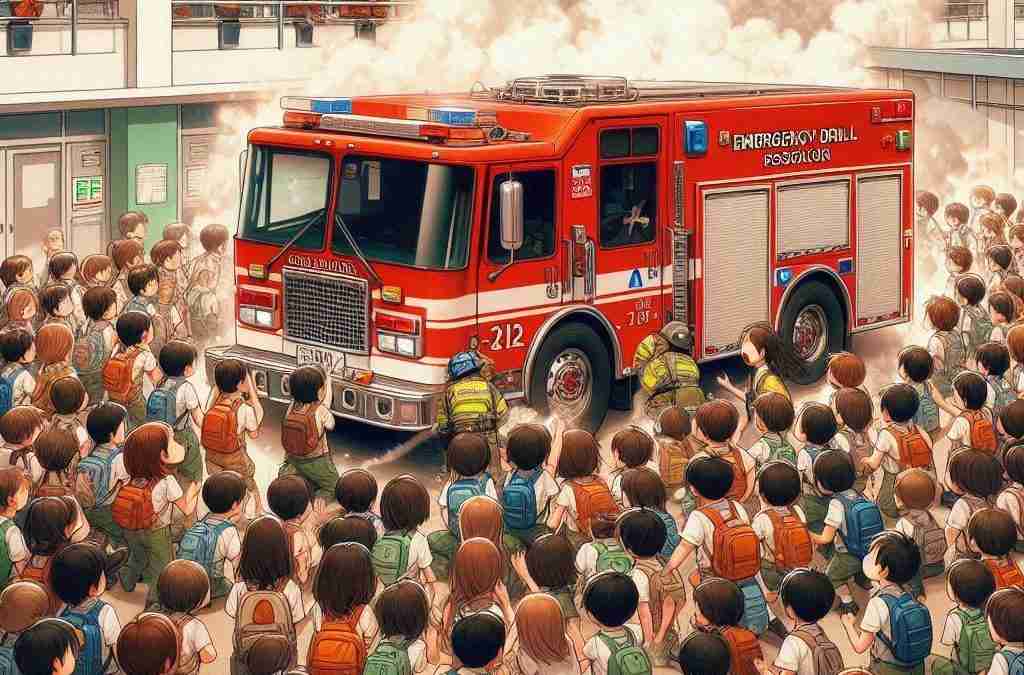
We conduct regular School Disaster Drills for various emergency scenarios. These drills are designed to simulate real-life situations in a safe and controlled environment, helping students respond instinctively and appropriately.
- Workshops with Experts
From firefighters to health professionals, we invite experts to host Safety Education Programs. These sessions not only give students direct access to credible information but also allow them to ask questions and learn through interactive demonstrations.
- Integrating Preparedness into Curriculum
We don’t treat disaster management as a one-off activity. Instead, it’s woven into subjects like science, geography, and even value education. This way, students understand the “why” behind every safety measure, not just the “how.”
- Age-Appropriate Learning
We tailor our Emergency Management for Schools programmes according to different age groups. While younger students focus more on evacuation games and story-based learning, older students participate in scenario-based discussions and first-aid training.
Creating a Culture of Safety and Awareness in Schools
For us, safety is not just a checklist; it’s a culture. And building that culture takes time, consistency, and community involvement. Here’s how we do it:
- Visual Aids Everywhere: From illustrated exit maps to posters on “Do’s and Don’ts during a fire”, our walls speak the language of preparedness.
- Student Safety Ambassadors: We’ve introduced a unique programme where senior students take on leadership roles during drills and act as peer guides.
- Parent Involvement: Parents are our partners in safety. We conduct orientation sessions to ensure they’re aligned with our emergency plans and can reinforce these practices at home.
By embedding Student Awareness and Resilience into daily school life, we aim to build not just safe individuals, but a safe community.
Real-Life Applications: Stories of Prepared Students
Let us share a few stories that truly warmed our hearts and reaffirmed our efforts.
The Earthquake Drill That Made a Difference
Last year, after conducting a mock earthquake drill, a few of our students happened to be at home when a mild tremor occurred. Thanks to what they had learnt, they knew exactly where to take cover and how to keep calm — and they even guided their family members on what to do. That’s the power of practical learning.
Fire Safety Awareness at Its Best
During a minor kitchen fire at one of our inter-school events, it was one of our student volunteers who quickly unplugged an appliance and alerted the teachers, preventing a bigger incident. She’d learnt it all during a fire safety workshop just weeks before.
Stories like these make us realise that Resilience Education truly works. It’s not just about preparedness; it’s about empowerment.
Conclusion: Building a Safer and More Resilient Student Community
As educators, we’re not just shaping the minds of tomorrow — we’re also shaping future leaders, first responders, and changemakers. Through consistent efforts in Crisis Management in Schools, we at Bethany are building a community where safety, awareness, and resilience come naturally to our students.
Emergencies may be inevitable, but being unprepared doesn’t have to be. With the right knowledge, the right mindset, and the right training, we can all rise above any challenge. At Bethany High, we’re proud to be leading the way.
FAQs
What does disaster preparedness involve for students?
It involves teaching students how to identify, respond to, and recover from emergencies through drills, awareness sessions, and hands-on training.
How does Bethany train students to handle emergencies?
Through regular drills, expert-led workshops, curriculum integration, and peer-led safety initiatives.
Why is resilience education important in schools?
It helps students manage fear, recover from stressful situations, and develop lifelong skills that go beyond the classroom.
What are the key elements of an emergency preparedness plan?
Clear roles, evacuation routes, communication channels, first-aid knowledge, and regular practice.
Does Bethany conduct drills for disaster training?
Yes, we regularly conduct both drills as part of our comprehensive safety education programme.
Whether you’re a parent looking for the best ICSE schools in Bangalore, or simply someone interested in how schools can prioritise safety and preparedness — we invite you to visit us and see our approach in action. Because at Bethany, we don’t just teach. We prepare.
by Bethany Institutions | Jun 26, 2025 | Blog Recent Post
The world is changing rapidly, and so is the job market. We at Bethany High understand how overwhelming it can feel for parents to prepare children for a future that’s still unfolding. But here’s the good news: by equipping our kids with the right future job skills and values today, we’re setting them up to thrive in tomorrow’s workplaces—even in jobs that don’t exist yet!
Understanding the Evolving Job Market
With advancements in Artificial Intelligence, Robotics, Data Science, and Automation, the jobs our children will hold tomorrow might look vastly different from the ones we know today. Traditional career paths are being redefined, and newer roles are emerging in technology, sustainability, creative industries, and beyond.
This doesn’t mean our children need to become coders or engineers overnight. What it does mean is that we need to start nurturing adaptable, curious, and capable minds who can grow along with the future workforce.
Skill 1: Cultivating Critical Thinking and Problem-Solving
Critical thinking and problem-solving are timeless abilities, and they’re only becoming more important. From analysing information to making sound decisions in real-time, these skills are central to navigating complex problems—something future careers will demand regularly.
At Bethany High, we encourage activities that allow children to question, explore, and investigate. Whether it’s through debates, project-based learning, or puzzles and logic games, we believe that learning should stretch the mind.
Skill 2: Enhancing Creativity and Innovation
Creativity isn’t just for artists. It’s the foundation of innovation. Whether it’s designing new products, coming up with fresh marketing ideas, or inventing sustainable solutions, creativity is key to future job skills.
We integrate the arts into our curriculum and allow room for creative expression in every subject. Letting children experiment, fail, and try again sparks the imagination and builds resilience—two qualities that are priceless in preparing kids for future careers.
Skill 3: Encouraging Tech Skills and Digital Literacy
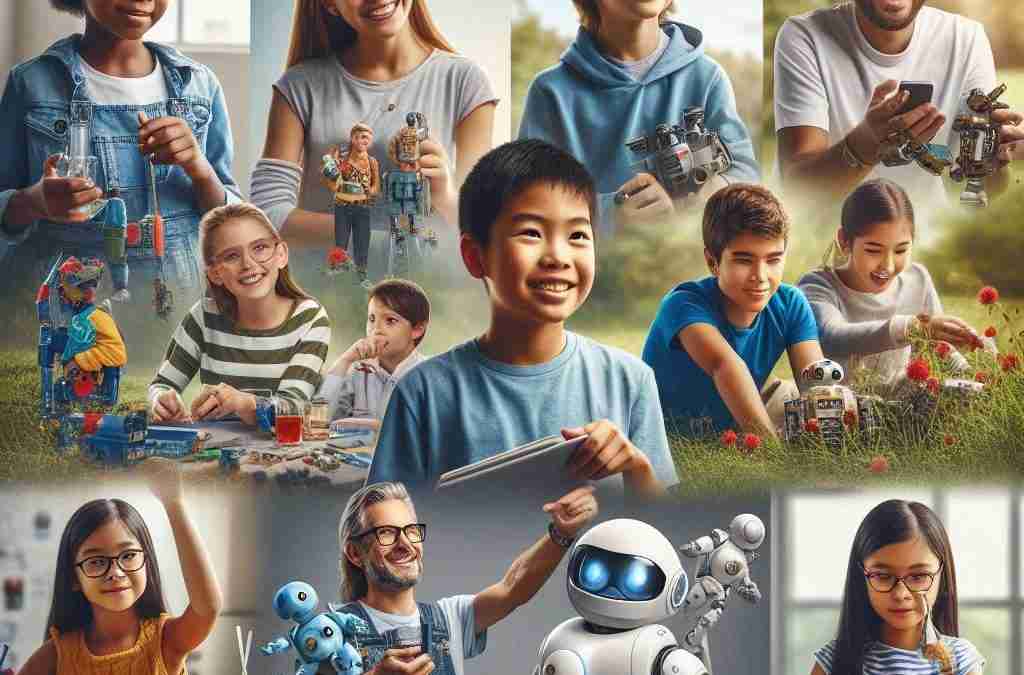
In the future, technology will be everywhere. Understanding how to use it wisely and responsibly is crucial. Digital literacy, Coding, Robotics, and even AI tools are no longer optional; they’re part of the core skill set children need.
From an early age, we introduce our students to age-appropriate tech tools. Through hands-on learning, coding clubs, and exposure to STEM education, we make technology engaging and accessible.
We’re not just teaching kids how to use devices, but how to understand them, build with them, and think critically about their impact.
Skill 4: Developing Emotional Intelligence and Adaptability
It’s not just about being smart—it’s about being emotionally aware and flexible. Emotional intelligence (EQ) includes Empathy, Self-regulation, and Communication skills—qualities that are vital for teamwork and leadership roles.
Children who can manage stress, work in teams, and adapt to change will have a strong edge in any career. We build EQ through mindfulness sessions, group projects, peer mentoring, and pastoral care—ensuring our students grow not just academically, but emotionally as well.
Helping Your Child Build Career Readiness at Home
While schools play a huge role, parents are just as important. Here are a few ways you can help at home:
- Encourage questions and curiosity: Let your child explore interests without judgment.
- Introduce real-world scenarios: Talk about current events and how they relate to jobs and industries.
- Create tech-positive environments: Use gadgets for learning, not just entertainment.
- Model adaptability: Let them see you learning new skills or navigating change positively.
Why STEM Education is a Strong Foundation
STEM (Science, Technology, Engineering, and Mathematics) isn’t just for future engineers. It’s a way of thinking. STEM education teaches logic, inquiry, and innovation—skills needed in every field.
Whether a child wants to become a doctor, a climate scientist, or a fashion designer using AI, STEM provides a solid base to build on.
We provide access to STEM labs, competitions, and integrated lessons that challenge and inspire. Preparing kids for careers means giving them hands-on experiences that connect learning to the real world.
Real-Time Skills: Why They Matter
We live in an age of instant change. This makes real-time skills like quick decision-making, digital communication, and adaptability essential. It’s not enough to learn once and stop; we must be lifelong learners.
That’s why we foster a culture of curiosity. Through activities like robotics, debates, and social impact projects, students develop the confidence to respond to real-world challenges.
Looking Towards Technology Careers
Technology careers are evolving fast. From app developers and AI specialists to cybersecurity analysts and green tech innovators, the list of possibilities is growing.
We help students explore technology careers through Career talks. Understanding these paths early opens doors and builds ambition.
Preparing Kids for Careers That Don’t Exist Yet
It sounds strange, but many of tomorrow’s jobs haven’t even been invented yet. Think about roles like virtual reality designers, climate change analysts, or human-AI collaboration managers.
So how do we prepare kids for the unknown?
- Teach them how to learn, not just what to learn
- Build a strong foundation of future job skills
- Encourage creativity, tech exploration, and flexible thinking
- Support emotional well-being and resilience
Conclusion: Preparing for the Future with the Right Skills
As we look ahead, it’s clear that the best way to future-proof our children’s careers is to help them become curious, adaptable, emotionally intelligent learners. At Bethany High, we’re committed to nurturing these qualities so that every child is ready to meet the future with confidence.
Let’s work together to ensure our children don’t just survive in tomorrow’s world—they thrive.
FAQs
What skills should I teach my child for future jobs?
Focus on critical thinking, tech skills, emotional intelligence, creativity, and adaptability.
How can I encourage my child to pursue a career in technology?
Introduce tech early, make it fun, join clubs or coding courses, and explore career options together.
How do I prepare my child for the changing job market?
Stay updated, have open conversations, encourage STEM education, and model lifelong learning.
Why are real-time skills important for survival?
They help children respond to change quickly, make decisions under pressure, and collaborate effectively.
Are ICSE schools in Bangalore better for future job preparation?
ICSE schools in Bangalore, like Bethany High, offer a broad-based education with strong focus on analytical skills, creativity, and co-curricular opportunities—making them a great choice for career readiness.
by Bethany Institutions | Jun 26, 2025 | Blog Recent Post
Confidence is a cornerstone of a student’s personal and academic growth. It helps them take on challenges, engage meaningfully with peers, and unlock their true potential. At Bethany High, we believe that fostering confidence is not only about individual achievements but also about learning how to thrive in collaborative settings. Group activities play a pivotal role in helping students build this essential skill.
In this article, we will explore how group activities contribute to confidence-building, popular activities that can create a positive impact, and how these skills translate into lifelong benefits.
Why Confidence Matters for Students
Confidence empowers students to take initiative, express themselves, and approach new challenges with optimism. It influences their academic performance, social interactions, and emotional well-being. A confident student is more likely to:
- Participate actively in class discussions.
- Handle feedback constructively.
- Build healthy relationships with peers and mentors.
- Develop resilience to setbacks.
However, confidence doesn’t always come naturally to students. Factors like fear of judgement, social anxiety, and academic pressure can make it challenging. Group activities provide a supportive space where students can grow without the fear of failure.
Understanding the Role of Group Activities in Education
Group activities are not just exercises in teamwork; they are opportunities for students to develop critical life skills. When students collaborate, they:
- Learn to Communicate: Sharing ideas and listening to others encourage clarity in expression and empathy.
- Develop Leadership Skills: Group settings often push students to take charge, delegate tasks, and inspire their peers.
- Enhance Problem-Solving Abilities: Working together to solve challenges encourages creative and analytical thinking.
- Strengthen Social Bonds: Collaboration builds trust and camaraderie among students.
- Boost Self-Esteem: Positive reinforcement from peers and mentors helps students recognise their strengths.
Popular Group Activities for Building Confidence
1. Drama and Role-Playing
Drama activities allow students to step into different characters, enhancing their communication and creative thinking. Role-playing exercises, such as enacting real-life scenarios, help students develop empathy and decision-making skills. It also builds confidence in them as creative individuals.
2. Debate Clubs
Participating in debates encourages students to research, think critically, and articulate their viewpoints. The ability to present arguments confidently boosts self-assurance and public speaking skills.
3. Collaborative Art Projects
Group art projects, such as creating murals or working on crafts, provide a platform for students to showcase their creativity while learning teamwork. Sharing responsibilities and achieving a collective goal creates a sense of accomplishment.
4. Team Sports
Sports like football, basketball, and volleyball teach students the value of teamwork, perseverance, and strategy. The sense of belonging to a team helps students feel supported and confident.
5. Problem-Solving Challenges
Activities like scavenger hunts, escape rooms, and STEM-based projects push students to think critically and work together to find solutions. These challenges improve analytical thinking and decision-making under pressure.
6. Community Service Projects
Engaging in group efforts like organising charity drives or environmental clean-ups helps students develop a sense of responsibility and leadership. Working towards a cause also nurtures empathy and gratitude.
How Teamwork Enhances Learning and Social Skills
Teamwork is central to group activities, helping students learn how to:
- Adapt to Different Perspectives: Exposure to diverse ideas cultivate flexibility and open-mindedness.
- Manage Conflicts Effectively: Disagreements in group settings teach students the importance of compromise and diplomacy.
- Collaborate Towards Common Goals: Teamwork emphasises the power of collective effort over individual success.
- Encourage Peer Learning: Students often learn better from peers, making teamwork a powerful educational tool.
Benefits of Confidence in Academic and Personal Growth
The confidence gained through group activities transcends the classroom. Confident students:
- Approach academic tasks with determination and enthusiasm.
- Take initiative in extracurricular activities, expanding their skillset.
- Build stronger interpersonal relationships with peers and teachers.
- Adapt easily to changes, preparing them for higher education and future careers.
At Bethany High, we’ve witnessed how group activities transform students, equipping them with the tools to succeed in life.
How Bethany High Incorporates Confidence-Building in Programmes
At Bethany High, we integrate confidence-building into our curriculum through:
- Interactive Classrooms: Encouraging open discussions and collaborative projects.
- Co-Curricular Activities: Offering clubs, sports, and creative arts programmes tailored to diverse interests.
- Supportive Environment: Providing mentorship and guidance to help students navigate challenges.
- Celebrating Achievements: Recognising every milestone, big or small, to boost self-esteem.
Our approach ensures that students not only excel academically but also grow into confident, well-rounded individuals.
Conclusion: Cultivating Confidence Through Group Activities
Group activities are powerful tools for nurturing confidence, teamwork, and leadership in students. They create opportunities for students to explore their potential, build meaningful connections, and develop essential life skills.
At Bethany High, we are committed to nurturing an environment where students can thrive, supported by engaging group activities and a holistic approach to education. Together, we can empower students to face the future with confidence and resilience.
FAQs
- What are some effective group activities for students?
Activities like debates, role-playing, collaborative art projects, and team sports are excellent for building confidence and teamwork. - How do group activities help boost confidence in students?
Group activities provide a safe space for students to express themselves, work collaboratively, and celebrate their achievements. - Does Bethany High offer leadership development programmes?
Yes, our curriculum integrates leadership-building activities like debates, project-based learning, team challenges and opportunities to join the Bethany School Organisation as a leader of the student community. - Can group activities improve social skills in students?
Absolutely. Group activities teach empathy, communication, and conflict resolution, enhancing social interactions and sharpening their social skills. - What are the benefits of collaborative learning?
Collaborative learning promotes critical thinking, teamwork, and accountability, equipping students with skills for academic and personal success.
Explore how Bethany High, one of the best ICSE schools in Bangalore South, inspires confidence and collaboration through its dynamic group activities.
by Bethany Institutions | Jun 24, 2025 | Blog Recent Post
Introduction: The Power of Parental Testimonials
At Bethany, we measure our success not just by academic achievements but by the lasting impact we leave on our students and their families. Few things validate our mission more than the heartfelt words of parents who have entrusted us with their children’s growth. Recently, we received a deeply moving testimonial from Mrs. Nehal and Mr. Bhavesh Shroff, parents of Prisha (a recent graduate) and Vihaan (a current student), Bethany High School, Sarjapur expressing their gratitude for the Bethany experience.
Their letter is more than just an appreciation note—it reflects Bethany’s core philosophy: holistic education, strong values, experiential learning, and a nurturing community. In this article, we explore how their journey with Bethany exemplifies what makes our institution unique.
1. The Bethany Journey: From Admission to Graduation
Choosing Bethany – A Decision Rooted in Trust
The Shroffs, like many parents, sought an institution that would provide more than just academic excellence—they wanted a school that would shape their child’s character, values, and future readiness.
“We as parents who chose Bethany as the place to nurture our kids couldn’t have been prouder and more content to see them where they stand today!”
From the very beginning, Bethany’s student-centric approach, emphasis on moral values, and well-rounded curriculum resonated with them. Over the years, they watched Prisha grow into a confident, skilled, and compassionate individual, reinforcing their belief in Bethany’s educational model.
The Graduation Milestone – A Bittersweet Moment
Prisha’s journey culminated in a beautifully organized Valedictory Ceremony, marking the end of her time at Bethany. The Shroffs described it as a “happy-sad” moment—joyful for the growth they witnessed, yet emotional as a significant chapter ended.
“It was a happy-sad moment for us to see Prisha ending her journey during the wonderfully organized Valedictory ceremony.”
However, their connection with Bethany continues through their younger son, Vihaan, ensuring that the family remains an integral part of the Bethany community.
2. Holistic Development: Beyond Academics
A Focus on Well-Rounded Skills
The Shroffs highlighted how Bethany’s comprehensive approach to education helped Prisha develop diverse skills beyond textbooks.
“Seeing Prisha evolve and acquire well-rounded and diverse skillsets each year has been such a beautiful experience for us.”
At Bethany, we believe in fostering:
- Critical thinking & problem-solving
- Communication & leadership
- Creativity & innovation
- Emotional intelligence & empathy
Through project-based learning, debates, arts, sports, and leadership programs, students like Prisha emerge as confident, adaptable, and forward-thinking individuals.
Values That Last a Lifetime
Academic success is important, but character-building is paramount. The Shroffs appreciated how Bethany instilled strong ethical values in Prisha—qualities that will guide her long after school.
Our value-based education system includes:
- Moral science lessons
- Community service initiatives
- Ethical leadership programs
- A culture of respect and kindness
These principles ensure that Bethanites don’t just succeed in careers—they thrive as responsible global citizens.
3. Experiential Learning: Creating Unforgettable Memories
The Malaysia Trip – A Highlight of Prisha’s Journey
One of the most cherished experiences mentioned by the Shroffs was the well-organized Malaysia trip, led by David Sir.
“A special mention to the well-managed Malaysia trip organized last year—it will be a very special memory for her!”
Such international excursions are designed to:
- Broaden cultural horizons
- Encourage teamwork & independence
- Enhance real-world learning
David Sir and his team dedication to ensuring a safe, enriching, and enjoyable trip exemplifies Bethany’s commitment to experiential education.
Learning Beyond Classroom Walls
At Bethany, we believe that some of the best lessons happen outside classrooms. Our students engage in:
- Educational field trips
- Carnivals
- Musicals
These experiences help students discover passions, build resilience, and create lifelong memories.
4. Leadership That Inspires: Approachable and Engaged
The Role of School Leadership
The Shroffs expressed deep appreciation for Akash Sir and Robert Sir, who actively participate in school events—from Sports Day to special assemblies.
“They have been so approachable and gracious every time we met them!”
This visible leadership reinforces a culture where:
- Students feel valued
- Parents feel heard
- Teachers feel supported
A Principal Who Knows Every Student
Unlike large institutions where students are just numbers, Bethany’s leadership ensures personalized attention. Whether it’s celebrating achievements or addressing concerns, our leaders are deeply involved in every student’s journey. Mrs. Sangeetha Macaden, Principal, Bethany High School, Sarjapur ensures the smooth functioning of the school and is an epitome of leadership.
5. A Stable & Nurturing Environment: The Teacher-Student Bond
Consistency in Teaching Staff
One of the most striking observations from the Shroffs was the low teacher turnover rate at Bethany.
“It’s so good to see pretty much the same faces with bright smiles on the first day of the new session every year.”
This consistency means:
- Stronger teacher-student relationships
- Continuity in learning
- A family-like atmosphere
Many teachers who guided Prisha are now mentoring her younger brother, Vihaan—a testament to Bethany’s nurturing ecosystem.
Dedicated and Passionate Educators
The Shroffs described Bethany’s teachers as “kind, committed, and loyal.” Our educators go beyond textbooks—they mentor, inspire, and care.
Our faculty’s strengths include:
✔ Student-centered teaching methods
✔ Encouraging curiosity & creativity
✔ Emotional support & mentorship
6. The Bethany Community: A Second Family
Warmth at Every Level
From the front office staff to the management, Bethany’s friendly and welcoming culture stood out to the Shroffs.
“The warmth of the management staff at each level makes Bethany unique!”
This sense of belonging is why:
- Students love coming to school
- Parents feel like partners in education
- Alumni remain connected for life
A Legacy of Proud Bethanites
As Prisha steps into the world, she carries the Bethany spirit with her.
“Our children will be proud Bethanites forever.”
This sentiment is shared by countless families who have been part of Bethany’s journey over the years.
Conclusion: Gratitude and the Way Forward
The Shroffs’ testimonial is not just a thank-you note—it is a validation of Bethany’s vision. Their words remind us why we do what we do: to shape not just students, but future leaders with strong hearts and minds.
To all our parents: Thank you for trusting us. Your feedback fuels our commitment to excellence, innovation, and heartfelt education.
And to Prisha: As you embark on new adventures, know that Bethany will always be your home. Once a Bethanite, always a Bethanite!