by Bethany Institutions | Feb 10, 2026 | Blog Recent Post
Introduction
Nouns are one of the most important parts of the English language. Every time we speak, read, or write, we use nouns—often without even realising it. From talking about our family and school to sharing our feelings and ideas, nouns help us express ourselves clearly.
Nouns help us name the world around us. They give names to people, places, things, and even ideas that we cannot see or touch. Without nouns, it would be almost impossible to form meaningful sentences.
In this lesson, students will learn what a noun is, the definition of a noun and its types, how many kinds of nouns there are in English, and how to use nouns correctly with easy examples.
What Is a Noun?
A noun is a naming word.
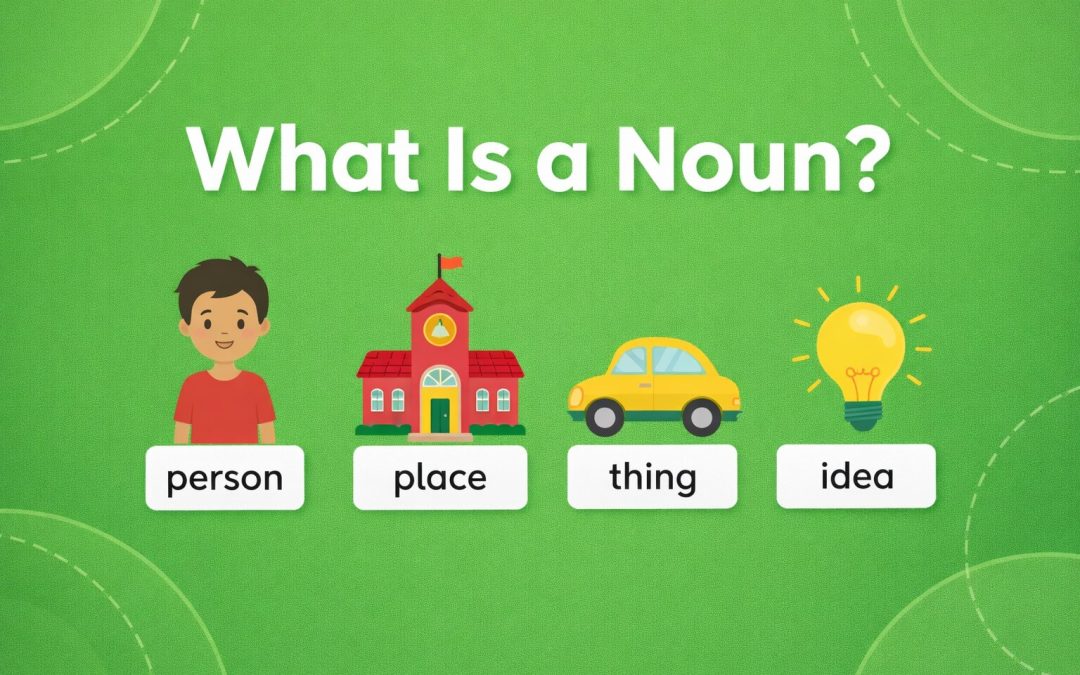
In simple words, a noun is the name of a person, place, thing, or idea.
Nouns help us identify who or what we are talking about. The language here is kept simple so that young learners can easily understand and remember it.
Examples of Nouns
To understand nouns better, let us look at some easy examples.
People
Places
Things
Ideas or Feelings
These are all nouns because they name something.
Types of Nouns
Many students ask: How many kinds of noun are there in English?
There are different ways to classify nouns, but let us learn the most common and important types in a simple way.
Common Nouns
Common nouns are general names of people, places, or things.
Examples:
They do not begin with capital letters unless they start a sentence.
Proper Nouns
Proper nouns are the names of specific people, places, or things.
Examples:
Important rule: Proper nouns always begin with a capital letter.
Concrete Nouns
Concrete nouns are things that we can see, touch, hear, smell, or taste.
Examples:
Abstract Nouns
Abstract nouns name feelings, ideas, or qualities. We cannot see or touch them.
Examples:
Countable and Uncountable Nouns
Countable nouns are things we can count.
- one book, two books
- three pencils
Uncountable nouns are things we cannot count.
How to Identify a Noun in a Sentence
Here are some easy ways to find a noun in a sentence:
- Ask “who” or “what”
- Look for naming words
Examples:
- The girl is reading a book.
- We went to the park.
The highlighted words are nouns.
Nouns Used in Sentences
Nouns are used in our daily speech all the time.
Examples:
- My mother cooks food.
- The cat is sleeping.
- I love my school.
These short sentences show how nouns fit naturally into everyday language.
Common Mistakes Students Make with Nouns
Students sometimes make small mistakes while using nouns.
- Confusing nouns with verbs
- run (verb) vs a run (noun)
- Forgetting capital letters in proper nouns
- Mixing abstract and concrete nouns
- happiness is not something we can touch
Tips to Learn Nouns Easily
Learning nouns can be fun and simple if you practise regularly.
- Look around and name objects in your room
- Read simple sentences aloud
- Practise using worksheets, flashcards, and games
The more you practise, the easier nouns become.
Why Learning Nouns Is Important
Learning nouns is very important because:
- It helps in sentence building
- It improves reading and writing skills
- It forms the base for learning grammar
Without nouns, learning English grammar would be incomplete.
Conclusion
To recap, a noun is a naming word. It names people, places, things, and ideas. There are different types of noun, such as common nouns, proper nouns, concrete nouns, abstract nouns, and countable and uncountable nouns.
Students are encouraged to notice nouns in daily life—at home, in school, and while reading books. Remember, nouns are everywhere, and learning them makes English easy and enjoyable.
FAQs
What is a noun in simple words?
A noun is a word that names a person, place, thing, or idea.
Can a sentence have more than one noun?
Yes, a sentence can have many nouns.
Is a name always a noun?
Yes, names of people or places are proper nouns.
How do I teach nouns to young children?
Use pictures, real objects, simple sentences, and fun activities like games and worksheets.
by Bethany Institutions | Feb 6, 2026 | Blog Recent Post
Bangalore traffic is an integral part of everyday life that affects everyone, from students hurrying to school to professionals heading to their offices. Roads are busy almost all day, and daily commutes often take longer than expected. Children arrive at school tired, workers face delays, and evenings are spent in slow-moving traffic. The situation has become so common that many start to accept it as normal. Yet the important question remains: should we silently accept it, or find ways to adapt wisely? Learning to adjust our routines can reduce stress and make daily travel more manageable.
Why Traffic Has Become a Daily Reality in Bangalore
Several reasons explain why Bengaluru traffic congestion keeps increasing.
- Rapid population growth: The city attracts people from across the country for education and jobs. More people mean more homes, more travel, and greater pressure on roads.
- Increase in private vehicles: As incomes grow, families buy more cars and two-wheelers, adding to Bangalore’s traffic problems without a matching increase in road space.
- Infrastructure struggling to keep pace: Roads, flyovers, and metro lines grow slowly compared to the speed of urban expansion.
How Traffic Affects Daily Life
Traffic changes how people feel, think, and perform.
- Longer travel time and fatigue: A long Bangalore commute time causes tiredness even before the day begins.
- Impact on productivity and study time: Time spent in vehicles reduces time for homework, hobbies, and rest.
- Stress and reduced quality of life/: Noise, heat, and delays affect mood and health, especially during Bangalore rush hour traffic.
Should We Simply Accept Traffic as Normal
Normalising traffic can be risky because it makes people feel that congestion is unavoidable and beyond control. When commuters quietly accept delays, it can lead to complacency, reducing the motivation to plan smarter routes or advocate for better road systems. Thinking “this is how it is” comes with hidden costs, including wasted time, increased stress, and slower city development.
This raises an important point for everyone navigating the city daily: should we accept traffic in Bangalore as a permanent problem, or should we find ways to adapt and make travel more efficient for ourselves and others?
What Adapting to Traffic Really Means
Adapting is not about giving up; it is about responding wisely.
- Adapting is not surrendering: It means remaining flexible while thinking about long-term improvements, rather than feeling helpless in congestion.
- Making smarter daily choices: Small decisions, such as planning travel routes or leaving earlier, can reduce pressure on roads and make commutes smoother.
- Reducing personal stress without ignoring the issue: Staying calm, managing fatigue, and protecting mental health helps handle traffic without losing awareness of the bigger problem. True adaptation balances practicality with mindfulness.
Practical Ways Individuals Can Adapt
Even small habits can make a big difference in managing daily traffic stress.
- Planning travel during off-peak hours: Choosing the best time to travel in Bangalore helps avoid the heaviest congestion and shortens commute time.
- Using public transport where possible: Sharing rides or using buses and trains reduces the total number of vehicles on the road, easing Bangalore traffic conditions.
- Choosing walking or cycling for short distances: For nearby trips, avoiding motor vehicles not only saves time but also supports a healthier, more sustainable commute. Simple daily choices like these can make life less stressful and more productive.
Role of Students and Young Citizens
Children and teenagers play an important role in shaping the future of city life and how traffic flows.
- Understanding civic responsibility early: Learning traffic rules and respecting public spaces helps develop good habits that support safer roads and effective Bangalore traffic management.
- Developing patience and time discipline: Leaving home earlier, staying calm, and planning commutes carefully reduces stress during busy travel hours.
- Using commute time wisely for reading or learning: Long journeys can be turned into productive time by listening to audiobooks, revising lessons, or reading, making daily travel more meaningful and less tiring.
What the City Needs Alongside Adaptation
Improving traffic is not just about individual effort; the city must act alongside citizens to make commuting easier.
- Better public transport systems: Reliable buses, metro lines, and shared mobility options reduce the number of private vehicles on the road and make travel smoother.
- Smarter traffic management: Advanced signals, route planning, and real-time monitoring help control congestion and improve overall Bangalore traffic condition.
- Shared responsibility between citizens and authorities: Citizens following rules and planning trips responsibly, combined with city authorities working on long-term solutions, ensures safer and more efficient roads for everyone.
Can Small Changes Actually Make a Difference
Even small changes in daily travel can make a big difference in how traffic moves around the city. Choosing to leave one less car at home not only reduces congestion but also improves air quality and makes commuting easier for everyone.
When many people make small, responsible choices—like using public transport, walking, or cycling for short trips—the collective impact becomes significant, easing the strain on roads. Over time, these conscious commuting habits bring long-term benefits, including cleaner air, reduced noise, lower stress levels, and a healthier, more efficient city for all residents.
Conclusion
Traffic may be a reality, but it should not be accepted blindly. Adaptation requires responsibility and awareness, not indifference. When people make thoughtful choices and stay patient, daily travel becomes safer and less stressful. Small, consistent actions can improve city life and make commuting easier for everyone, creating a healthier and more efficient environment for future generations.
FAQs
Why is traffic so heavy in Bangalore?
Because of fast population growth, rising vehicle numbers, and limited road expansion.
Can individuals really reduce traffic?
Yes. Using shared transport and thoughtful travel times lowers pressure on roads.
Is public transport a practical solution?
It reduces congestion and energy use when systems are reliable and comfortable.
How can students cope with long commutes?
By planning ahead, staying patient, and using travel time productively.
by Bethany Institutions | Feb 5, 2026 | Blog Recent Post
Delhi air pollution has become a major concern for everyone, especially students and families, because it now affects daily life in visible and invisible ways. Thick haze in winter, burning eyes, and frequent coughs are no longer rare events but common experiences. Pollution is no longer only a city problem. It reaches nearby towns, villages, and even enters homes through windows, doors, and daily activities. So no one is fully protected. Small actions at home can create change. When families become aware and adjust their habits, they protect themselves today.
Understanding Delhi’s Air Crisis
Air pollution means harmful substances mix with the air we breathe. Smoke from vehicles, dust from construction, and gases from burning fuels make the air unhealthy. The air quality in Delhi often becomes dangerous because of heavy traffic, constant construction, nearby factories, and seasonal crop burning. Weather conditions trap polluted air close to the ground, stopping it from spreading. Smog is a thick grey layer that forms when smoke and fog mix, reducing visibility and making breathing difficult. People check the Delhi AQI to know how polluted the air is. High values mean the air is unsafe, especially for children and older people.
Why Air Pollution Is a Serious Concern
The effects of air pollution on health appear as frequent coughs, asthma, allergies, and breathing trouble. Children and older people are more sensitive because their lungs are still growing or are already weak. Poor air also changes daily life, as schools cancel outdoor sports and families avoid parks and morning walks. Doctors warn that high PM2.5 and PM10 levels enter deep into the lungs and harm the heart over time.
If pollution continues for years, it can cause lasting lung damage and shorter life spans. The impact of pollution on children is serious because it slows lung growth, reduces focus, and raises illness risk, affecting their future well-being and overall quality of life.
What Delhi’s Air Crisis Teaches Us
Delhi’s situation teaches us important lessons about how pollution grows and how it can be reduced.
- Pollution builds up over time: Pollution does not appear suddenly. It grows through daily actions like driving, using generators, and burning waste, showing that habits matter more than one-time events.
- Prevention is easier than control: Once pollution becomes severe, it is hard to fix quickly. Knowing the causes of Delhi pollution helps people act early and prevent bigger problems.
- Individual habits affect collective air quality: When many people pollute, everyone suffers. When many people improve their habits, air quality improves for all.
Many people across the country also check the air quality index in India to compare pollution levels between cities and understand how serious the problem is nationwide.
Fighting Pollution Starts at Home
Homes are the first and easiest place to begin change because families control what happens inside and around their living spaces. Learning how to reduce air pollution at home begins with noticing everyday actions that add to pollution, such as wasting electricity, burning garbage, or using vehicles when they are not needed. Family awareness matters because children often copy adult behaviour. When parents act responsibly, children naturally learn to respect and care for the environment. These simple habits are practical air pollution solutions that reduce harm without expensive tools or technology.
Simple Steps Families Can Take at Home
Below are easy actions that every household can follow to support cleaner air.
- Reduce waste and avoid burning garbage: Burning waste releases harmful smoke into the air. Families can separate wet and dry waste, compost kitchen waste, and recycle properly to avoid burning and reduce landfills. Regular cleaning, good ventilation, and avoiding incense smoke support indoor air pollution prevention at home.
- Save electricity and fuel: Switching off unused lights, using energy-efficient appliances, and limiting air conditioner use lowers power demand and reduces pollution from power plants.
- Use public transport or carpool when possible: Sharing vehicles or using buses and metro reduces the number of cars on the road, leading to less smoke and cleaner air for everyone.
How Students Can Help Reduce Pollution
Students play a strong role because they influence families and future habits.
- Walking or cycling short distances: Choosing to walk or cycle instead of using vehicles for short trips reduces fuel use and keeps students healthy at the same time.
- Avoiding firecrackers: Firecrackers release heavy smoke and chemicals that pollute the air instantly. Celebrating festivals in eco-friendly ways protects both the environment and public health.
- Spreading awareness among friends and family: Students can talk about pollution in school, share ideas at home, and encourage others to make small changes. This spreads responsibility beyond one person.
Role of Schools and Communities
Schools and neighbourhoods can guide and support eco-friendly behaviour.
- Encouraging eco-friendly habits: Schools can promote saving paper, switching off lights, and using reusable bottles. These habits slowly become part of daily life.
- Tree plantation and clean-up drives: Planting trees improves air quality, while clean-up drives reduce waste that could otherwise be burned or left to decay.
- Teaching responsibility beyond textbooks: Environmental education should not remain only in books. Practical activities help students understand their role in protecting nature.
Small Actions That Create Big Impact
Real change comes from regular effort, not from one-time campaigns.
- Consistency over perfection: People do not need to be perfect. Even small, regular actions make a difference over time.
- Collective effort and shared responsibility: When many people act together, the effect becomes visible. This shows the power of community.
- How small changes add up: Choosing cleaner habits daily slowly reduces pollution and builds a healthier environment for future generations.
Conclusion
Pollution control starts with awareness and simple daily choices. Homes shape habits, and habits shape cities. When families and students act responsibly, they protect their own health and support a cleaner world. Everyone can take one simple step today and be part of a healthier tomorrow. Learning how to protect your family from air pollution helps build a healthier and safer future for everyone.
FAQs
Why is Delhi’s air pollution so severe?
It is severe because of traffic, construction, burning of waste and crops, and weather conditions that trap polluted air.
How can students help reduce pollution?
They can walk or cycle short distances, avoid firecrackers, and spread awareness among others.
What are easy ways to fight pollution at home?
Saving electricity, avoiding burning waste, and using public transport help reduce pollution.
Does one person’s effort really matter?
Yes, because many small efforts together create big positive change.
by Bethany Institutions | Feb 4, 2026 | Blog Recent Post
Many students struggle with procrastination, and it is completely normal. Putting off tasks often feels easier than doing difficult or boring work. While delaying can seem relaxing, it usually increases stress as deadlines get closer, affecting sleep and focus. Procrastination is a habit, not a flaw, and it can be changed. Learning simple strategies helps students avoid procrastination, stay on track, and make studying and homework easier and less stressful.
What Is Procrastination?
Procrastination is choosing to delay tasks even when they need to be done. Unlike resting, which helps the brain recharge, procrastination increases worry and guilt. Students often put off work by watching videos, playing games, or leaving assignments until the last day. These procrastination examples show how delaying tasks can make life more stressful and harder to manage. Recognising these habits is the first step to staying focused and reducing unnecessary stress.
Why Do We Procrastinate?
Procrastination isn’t just laziness; deeper psychological factors often drive it, and understanding them helps reduce delays. Some common causes include:
- Fear of failure or making mistakes: When we worry that our efforts won’t meet expectations, we may put off starting tasks to avoid potential disappointment or criticism.
- Feeling overwhelmed by big tasks: Large or complex tasks can seem daunting, leading to paralysis and avoidance. Breaking them into smaller steps can make them more manageable.
- Lack of motivation or clarity: Without a clear purpose or understanding of what to do next, it’s easy to delay action. Motivation often grows when goals are specific and achievable.
How Procrastination Affects Students
Procrastination can have a significant impact on students’ academic performance and well-being. Putting off tasks often leads to a cycle of stress and reduced effectiveness. Some common effects include:
- Last-minute stress and panic: Delaying assignments or exam preparation often results in a rush to complete tasks at the last moment, causing high levels of stress and anxiety.
- Lower quality of work: When work is done hastily, students are less likely to produce their best work, which can affect grades and learning outcomes.
- Loss of confidence and motivation: Repeated procrastination can erode self-confidence and decrease motivation, making it even harder to start tasks in the future.
Simple Ways to Stop Procrastinating
Procrastination can make schoolwork feel harder than it really is, but small steps can help children get started and stay on track. Here are some simple ways to begin:
- The five-minute rule is a great way to begin a task. Children can tell themselves, “I’ll work on this for just five minutes.” Often, starting is the hardest part, and once they begin, they may continue naturally.
- Big assignments can feel overwhelming. Splitting them into smaller, manageable parts makes it easier to focus and finish each step without feeling stressed. The 5-minute rule can be applied to each small step to make progress easier.
- A quiet and tidy study area helps children concentrate better. Turning off gadgets, putting away toys, or keeping only study materials nearby can make a big difference.
How to Build Better Study Habits
Understanding how to stop procrastinating and start studying helps children stay focused and complete tasks on time. Here are some simple ways to build better habits:
- Create a daily routine: Having a regular routine helps children know what to do and when. A consistent schedule reduces delays and makes studying a natural part of the day.
- Study at the same time each day: Studying at the same time every day trains the mind to focus. This consistency makes it easier to start tasks and follow through without putting them off.
- Use short study sessions with breaks: Short study periods with small breaks keep the mind fresh and alert. This method makes learning easier and more enjoyable.
Dealing With Fear and Overthinking
Fear of making mistakes or overthinking can stop children from starting tasks. Simple strategies can help.
- Focus on progress, not perfection: Encourage children to do their best without worrying about being perfect. Small steps forward are more important than flawless work.
- Accept that mistakes are part of learning: Mistakes are normal. Each one is an opportunity to learn and improve.
- Replace “I’ll do it later” with “I’ll start now”: Changing this mindset helps children take the first step, making tasks less scary.
Tools That Can Help Reduce Procrastination
Using simple tools can make studying easier and more fun.
- To-do lists: Writing down tasks helps children organise work and remember what to do.
- Timers or Pomodoro method: Timers keep track of short study sessions, helping children focus and take breaks regularly.
- Simple rewards after completing tasks: Small rewards, like stickers or playtime, motivate children to finish tasks and feel proud of their progress.
How Parents and Teachers Can Help
Parents and teachers can guide children on how to stop procrastinating, making it much easier for them to stop procrastinating. Here are some ways they can follow.
- Encourage effort, not pressure: Praise children for trying and making progress rather than only rewarding perfect results. This builds confidence and motivation.
- Help students plan realistically: Assist children in breaking tasks into manageable steps and setting achievable goals. A clear plan reduces stress and delays.
- Avoid shaming or comparisons: Negative comments or comparing children to others can increase fear and procrastination. Support and understanding help them stay focused and positive.
Conclusion
Procrastination is normal but manageable. Small, consistent actions—like starting with just five minutes, breaking tasks into steps, and using simple tools—create momentum and make work feel easier. Encouragement and realistic planning also help. Remember, starting is often the hardest and most important step, and once children begin, progress and confidence naturally follow, reducing stress and improving focus.
FAQs
Why do students procrastinate so much?
Students often procrastinate due to fear of failure, feeling overwhelmed, lack of motivation, or finding tasks boring and stressful.
Is procrastination a sign of laziness?
No, procrastination is a habit, not laziness. It usually happens when tasks feel difficult, boring, or overwhelming.
How can I stop procrastinating before exams?
Break study into small steps, follow a schedule, use short focused sessions, and remove distractions to stay on track.
Can routines really reduce procrastination?
Yes, routines create consistency. Studying at the same time daily trains the mind, making starting tasks easier and reducing delays.
by Bethany Institutions | Feb 3, 2026 | Blog Recent Post
Often, students spend their school life without a clear sense of direction. They attend classes, finish assignments, and prepare for exams, but most of them are doing these things because they are supposed to do them. Not because they know why they are doing it. This lack of clarity can seem insignificant – “everyone feels that way at that age,” one might say. But in reality, it’s one of the key reasons behind stress and anxiety related to studies, school, and career, as a whole.
In this blog, we’ll discuss the importance of goal-setting for students, how goals help students understand their career aims, and how to reach them. Research shows that goal setting can help students become more confident, motivated, and high performers. Let’s understand why and how goal-setting can be used to one’s advantage.
What Is Goal Setting?
Goal setting means choosing something you want to achieve and deciding what steps you will take to reach it. It helps students move from simply wishing to improve to actively working towards a clear result. Instead of hoping things will change, students begin to take control of their progress, showing the importance of goal-setting in everyday learning.
Some goals focus on the near future, such as completing homework on time or preparing well for the next test. Other goals focus on the long term, such as improving overall academic performance or planning a future career. When students balance both, they stay motivated today while building towards tomorrow.
Simple examples include aiming to score higher in a subject, reading regularly, learning a new language, practising a sport or hobby, or shaping student goals in life that support growth both inside and outside the classroom.
Why Are Goals Important?
Goals help students understand their efforts and give meaning to what they do each day. Here are three simple ways goals support them in daily life:
- Giving direction to daily efforts: Goals help students decide what matters most each day. Understanding the importance of goals helps students focus on tasks that truly matter instead of just staying busy.
- Helping students stay focused: When students know what they want to achieve, they find it easier to avoid unnecessary activities and stay committed to their priorities, even when things feel challenging.
- Reducing stress and confusion: Goals reduce mental pressure by breaking large tasks into manageable steps, helping build a sense of control over learning and personal growth.
How Goal Setting Improves Academic Performance
Setting clear goals for school helps students organise their study time and stay focused. Here are three ways goal setting boosts performance:
- Better study planning: Goals help students decide what subjects or topics to focus on each day. This prevents last-minute rushes and ensures consistent learning.
- Improved time management: By knowing what they aim to achieve, students can divide study hours wisely and complete tasks without stress.
- Clear priorities during exams: Goals guide students to focus on the most important topics first, helping them prepare strategically and perform better across all subjects.
Role of Goal Setting in Building Confidence
Understanding how setting realistic goals contributes to confidence helps students see that small, achievable targets can boost self-belief.
Here are three ways goal setting strengthens confidence:
- Small wins build self-belief: Achieving even minor goals shows students they are capable, motivating them to aim higher.
- Helps students track their own growth: Goals allow students to see progress over time, making improvements visible and rewarding.
- Encourages responsibility and independence: Students learn to plan and manage their efforts, taking ownership of their learning and personal growth.
Goal Setting and Motivation
Setting goals keeps students motivated by giving them something clear to work toward. When they see progress, even small steps feel rewarding, turning effort into visible results. This sense of achievement encourages consistency, as students continue working steadily toward their targets.
Understanding the benefits of goal setting shows that having clear goals not only guides daily learning but also builds determination, focus, and persistence, helping students stay committed and confident in their academic journey.
Types of Goals Students Can Set
Students can set different kinds of goals to grow academically, personally, and creatively.
- Academic goals: These goals help them focus on improving grades, understanding subjects better, and completing assignments on time. These goals give structure to daily learning and make studying more effective.
- Personal development goals: These goals help students build qualities like responsibility, discipline, and time management. They support emotional growth and prepare students for future challenges.
- Skill-based or hobby goals: Students can set goals to develop hobbies, sports, or creative skills. Practising regularly and achieving small milestones builds confidence and a sense of accomplishment.
How Students Can Set Effective Goals
Knowing why it is necessary to set your goals realistically helps students create targets they can actually achieve, keeping motivation high and stress low. Here are some tips to set effective goals:
- Focus on clear and achievable goals rather than trying to do too much at once.
- Divide larger goals into smaller tasks to make progress manageable and visible.
- Give each goal a time frame and check progress often to stay on track and adjust if needed.
Common Mistakes Students Make While Setting Goals
Students often make a few simple mistakes that stop goals from working well:
- Setting goals that feel too big or unclear
- Comparing their goals with friends or classmates
- Giving up too early when progress feels slow
These habits reduce motivation and make goals harder to achieve.
How Parents and Teachers Can Support Goal Setting
Parents and teachers play an important role in helping students build healthy goal-setting habits. Their guidance can make the process positive and motivating rather than stressful.
- Help students choose goals that feel achievable and not overwhelming.
- Talk with students about what is working and what needs change.
- Praise consistency and effort to build long-term motivation.
Final Words
Goal setting works as a life skill that stays useful beyond school. It teaches students how to plan, reflect, and grow with confidence. Small goals often create big changes over time. Students only need one clear goal to begin building a better future.