by Bethany Institutions | Feb 3, 2026 | Event Featured Post, Event Recent Post, News
Bethany believes in shaping leadership with heart and responsibility. Bethany High School, Koramangala, held its Investiture Ceremony for the academic year 2026–27. Guided by the theme Heart minded. Less of me, more of we, our student leaders stepped forward with a shared commitment to serve, lead, and grow together. The ceremony was a meaningful reminder that true leadership begins with empathy, humility, and the courage to think beyond oneself. We wish our newly appointed leaders a year filled with purpose, integrity, and collective strength.
by Bethany Institutions | Jan 30, 2026 | Blog Recent Post
Have you ever wondered which is the longest day of the year? It’s the special day when the Sun seems to stay in the sky forever, giving us the most daylight of all. The mornings feel brighter, the evenings stretch longer, and everything around you seems more alive. Birds sing, people spend more time outside, and the world feels full of energy. The biggest difference is the extra daylight and the shorter night, making this day feel truly magical.
What Is the Longest Day of the Year
The longest day of the year is the day when one hemisphere of the Earth gets the most sunlight. The longest day in the northern hemisphere usually happens around June 21, and in the southern hemisphere, around December 21. On this day, the sun stays above the horizon for the longest time, giving more daylight than any other day of the year. This happens because of the tilt of the Earth’s axis.
Why the Longest Day Happens
Earth completes one orbit around the Sun approximately every 365.25 days, creating the annual cycle of seasons. The planet is tilted about 23.5° on its axis, which changes the angle and intensity of sunlight reaching different regions. The longest day occurs when a hemisphere tilts toward the Sun, resulting in extended daylight, warmer temperatures, and brighter skies. These conditions support plant growth, increase animal activity, and allow people to spend more time outdoors.
What Changes on the Longest Day
On this day, daylight reaches its highest level for the year. The night becomes the shortest of all nights. The Sun rises earlier in the morning and sets later in the evening, making the entire day feel longer and brighter.
Does the Longest Day Happen Everywhere
The longest day does not happen in the same way everywhere because Earth has two hemispheres that experience opposite seasons, known as the summer and winter solstice. When one half of the planet tilts toward the Sun, it receives longer daylight, while the other half gets shorter days. This is why people experience the longest day in the southern hemisphere at a different time than in the north. In northern hemisphere, the longest day of the year occurs in mid-year.
How the Longest Day Affects Nature
The longest day brings visible changes to the natural world.
- Impact on plants and crops: Plants grow faster because they receive more sunlight for photosynthesis, helping them make food and grow strong. Crops benefit from the longer light hours and warmer temperatures.
- Changes in animal behaviour: Animals become more active because they have more daylight to search for food, move around, and care for their young. Birds sing earlier, insects stay active longer, and many species change their routines to make the most of the longer, brighter days.
- Summer growth is stronger: This is because sunlight, warmth, and soil activity work together to support life. Longer days increase photosynthesis, warm temperatures speed up biological processes, and active soil improves nutrients, helping plants and animals grow faster and stay healthy.
How It Affects Humans
The longest day also affects how people feel and live.
- Energy levels and mood: More sunlight often improves mood and alertness. People feel more energetic and positive.
- Daily routines and outdoor activity: People spend more time outdoors walking, playing, exercising, or meeting friends. Daily routines shift slightly because mornings start earlier and evenings last longer.
- Effect on sleep patterns: Bright evenings can delay bedtime, and some people find it harder to fall asleep. Darker rooms and steady routines help maintain good sleep.
Cultural and Seasonal Importance
The longest day of the year has cultural and seasonal importance in many parts of the world. It marks the start of summer, signalling warmer weather, longer days, and the growth of plants and crops. This day has been used in calendars for centuries to track seasons and plan farming, travel, and festivals. People also celebrate it in different ways, such as holding sunrise gatherings, lighting bonfires, enjoying outdoor activities, or taking part in special festivals that honour light and life.
Common Myths About the Longest Day
There are common misunderstandings about the longest day.
- Is it hotter on the longest day: The longest day is not always the hottest day. Land and oceans take time to warm up, so the hottest days often come later in the summer.
- The Sun stays overhead all day: The Sun never stays directly overhead all day. It still rises in the morning and sets in the evening, but daylight lasts longer.
- Clearing simple misunderstandings: The longest day is about the length of sunlight, not about temperature or the Sun’s exact position in the sky. Teachers often use it to differentiate between the summer and winter solstice when explaining seasons.
Why Learning About the Longest Day Matters for Students
Understanding the longest day helps students connect science with the world around them.
- Helps understand seasons and time: Learning about the longest day shows how Earth’s movement causes seasons and changes in daylight. Students also learn the difference between summer and winter solstice, which explains why days are longer or shorter at different times of the year.
- Builds basic astronomy knowledge: Students gain knowledge about Earth’s orbit, tilt, and its relationship with the Sun, which forms the basis of astronomy.
- Connects science with daily life: It helps students see how sunlight affects farming, animal behavior, human routines, and daily activities.
Conclusion
The longest day happens because Earth is tilted while it moves around the Sun, which changes how sunlight reaches different parts of the planet. This creates longer days, shorter nights, and seasonal shifts that affect nature, people, and culture. Understanding this helps students see the effect of Earth’s tilt and orbit in everyday life.
FAQs
What is the longest day of the year
It is the day when daylight lasts longer than on any other day.
Why is it longer than other days
Because Earth’s tilt points one hemisphere more directly toward the Sun.
Is the longest day the hottest day
No, the hottest days usually come later after land and oceans warm up.
Does the longest day occur every year
Yes, it happens once every year as part of Earth’s regular orbit.
by Bethany Institutions | Jan 29, 2026 | Blog Recent Post
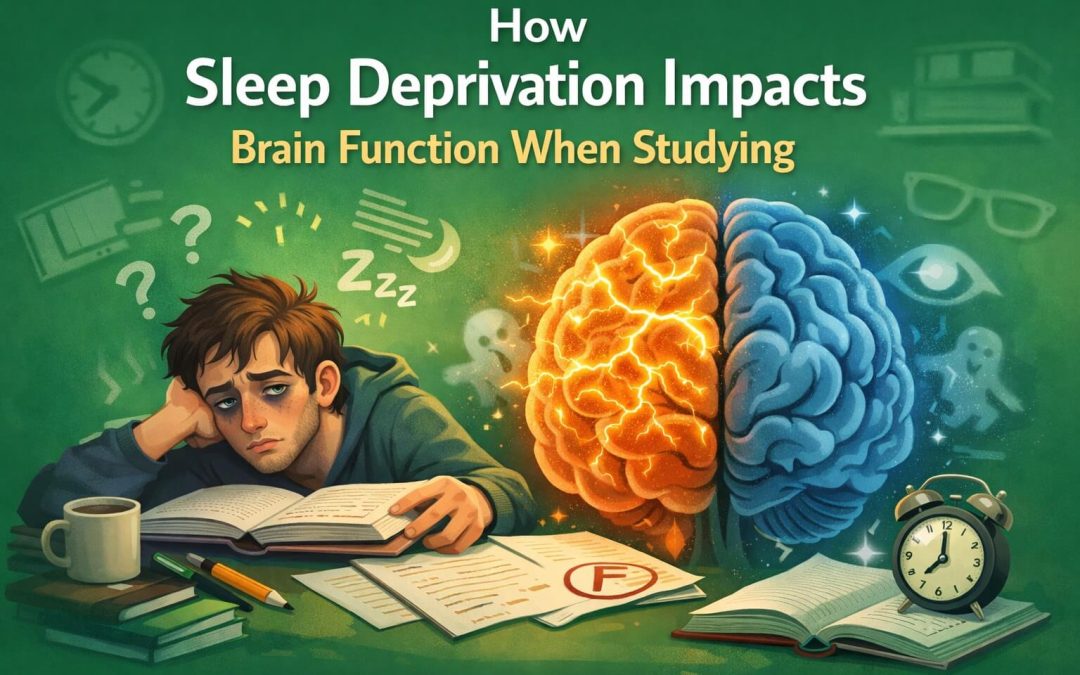
Students often give up sleep to finish homework, revise for exams, or scroll on their phones late at night. Many believe that sleeping less gives them more time to study and perform better in school. But what happens to your brain when you sleep high and when you don’t sleep enough are very different things. Sleep plays a major role in how the brain absorbs information, builds memory, and stays focused.
When students sleep well, the brain processes what they learn during the day and prepares itself for new learning. When they skip sleep, the brain struggles to focus, remember, and think clearly, which makes studying harder instead of easier.
What Is Sleep Deprivation
Sleep deprivation means not getting enough sleep for your body and brain to rest and recover properly. When a person does not sleep well, they may feel tired, sleepy, and unable to focus during the day. It can affect memory, learning, mood, and decision-making. Over time, poor sleep can weaken the immune system, increase stress, and raise the risk of health problems like heart disease, anxiety, and accidents
How the Brain Uses Sleep to Learn
Sleep helps the brain organise and strengthen what students learn during the day. During sleep, the brain selects which connections to keep and which to remove, keeping useful ones and clearing away weak or unnecessary ones so learning becomes clearer and more efficient.
When a person does not sleep enough, the brain not only feels tired but also changes its behaviour at a cellular level. Research shows that long-term sleep loss can make certain brain cells overactive, causing them to damage healthy brain connections. This idea is often described as “the brain eats itself from lack of sleep.”
Sleep also supports attention, creativity, and pattern recognition. That is why students often understand topics better and remember information more easily after a good night’s sleep.
Effects of Sleep Deprivation on Brain Function
Sleep loss directly affects how well the brain works during study time and may even lead to sleep deprivation delirium in extreme cases. It creates several thinking-related problems, such as:
- Reduced ability to concentrate for long periods during lessons or self-study.
- Slower mental processing, making tasks feel harder and take longer.
- Difficulty understanding new topics, especially subjects that require deep thinking.
Sleep loss also affects behaviour beyond learning. Research on “How does lack of sleep affect risk of injury” shows that tired students lose coordination and awareness, which can lead to small daily accidents like tripping, lab mistakes, or sports injuries.
How Lack of Sleep Affects Memory While Studying
Memory suffers greatly when students don’t sleep enough. Lack of proper sleep leads to problems like:
- Weak short-term memory makes it harder to hold information while learning.
- Poor retention, where studied material fades quickly instead of staying stored.
- Increased forgetting during exams, even after hours of revision.
Impact on Problem-Solving and Decision-Making
Sleep loss also affects reasoning and judgement. Tired brains react more slowly and make poor choices. This causes:
- Reduced logical thinking, making complex problems feel confusing.
- More mistakes in calculations, reading questions, and choosing answers.
- Poor decisions during tests and assignments due to mental fatigue.
Emotional and Behavioural Effects on Students
Sleep deprivation affects mood as well as thinking. Many experts link insomnia and brain health because long-term sleep loss changes emotional balance. It leads to:
- Higher stress levels and irritability, which make studying feel overwhelming.
- Lower motivation causes students to avoid study tasks or delay them.
- Reduced confidence and mental energy, making students doubt their abilities.
Signs a Student Is Studying While Sleep-Deprived
Here are some clear signs that a student may not be getting enough sleep:
- Frequent yawning, heavy eyelids, and headaches during classes or homework time.
- Difficulty staying focused even during short and simple learning tasks.
- Taking much longer than usual to complete routine schoolwork.
Can Extra Studying Make Up for Lost Sleep
Many students try to replace sleep with more study hours, especially before exams, but this strategy usually backfires. Late-night studying reduces focus, slows thinking, and weakens memory, which means students spend more time learning less. In contrast, a well-rested brain understands concepts faster, remembers information longer, and applies knowledge more accurately. This shows that the quality of study matters far more than the number of hours spent awake with books.
Tips to Improve Sleep for Better Studying
Simple changes can improve sleep and make studying easier:
- Follow a regular sleep and wake schedule, even on weekends.
- Avoid mobile phones, tablets, and bright screens at least before bedtime.
- Choose short naps instead of late-night study when feeling very tired.
How Parents and Teachers Can Help
Adults play an important role in supporting healthy sleep habits and reducing problems like dehydration and sleep deprivation, which together worsen fatigue and focus. They can:
- Encourage consistent daily routines that include enough rest and downtime.
- Reduce pressure around late-night studying by promoting better planning habits.
- Teach students how sleep supports learning, memory, and mental health.
Final Words
Sleep is not wasted time or a break from learning. It is one of the brain’s most powerful learning tools. When students sleep well, they focus better, remember more, feel calmer, and perform better in school. Even small improvements in sleep habits can lead to big improvements in attention, confidence, and academic results. Choosing sleep is not being lazy; it’s essential for effective learning and cognition.
FAQs
How many hours of sleep do students need?
Most school students need eight to ten hours of sleep each night to support memory, attention, emotional balance, physical health, and steady learning performance during school days.
Does studying late at night reduce memory?
Yes. Late-night studying reduces memory because the brain needs sleep to store information. Without enough rest, newly learned material fades faster and becomes harder to recall.
Are naps helpful for learning?
Short naps can refresh attention and reduce mental fatigue. A 20 to 30-minute nap can improve focus and mood, but naps should not replace full nighttime sleep.
Can sleep improve exam performance?
Yes. Good sleep before exams improves concentration, recall, and decision-making. Resting students manage stress better, read questions more carefully, and avoid simple mistakes during tests.
by Bethany Institutions | Jan 28, 2026 | Blog Recent Post
Children with Attention Deficit Hyperactivity Disorder (ADHD) often find it harder to manage attention, energy, and self-control. This can make studying feel overwhelming, even when they want to do well. Parents and teachers often look for ways to support children during study time.
Many ask, “Does music help kids focus?” Some families have noticed that gentle background music helps children feel calmer and more ready to begin their work. While music does not cure ADHD, it can act as a supportive tool when used carefully.
What Is ADHD and How Does It Affect Focus
ADHD is a condition that affects how a child’s brain manages attention, energy, and self-control. Children with ADHD may find it hard to stay focused, sit still, or manage impulses. This does not mean they are careless or unmotivated; their brain simply works differently.
Some common focus-related challenges include:
- Difficulty following instructions or completing tasks
- Shifting quickly between activities or becoming absorbed in one thing
- Being easily distracted by noise, movement, or light
- Feeling bored or restless during quiet study sessions
Traditional study routines often expect children to sit quietly for long periods, which can feel stressful for children with ADHD. Their brains may seek extra stimulation, making it harder to maintain focus.
How Does Music Help Focus and Learning
Sound can change how the brain feels and reacts. Soft, steady sounds can ease stress and help maintain focus. Gentle background sound music helps students focus and gradually improves concentration without pressure.
Rhythm gives the brain a clear pattern to follow. When the pattern stays slow and predictable, it becomes easier to start a task and keep going.
Some children find silence distracting because their mind drifts more when there is no sound. A light background sound can help anchor their attention and reduce mental wandering.
Can Music Actually Help Children with ADHD
A 2023 systematic review found that both listening to music and actively engaging with music can reduce some ADHD symptoms and improve attention, behaviour, and task performance. Rhythm and tempo were shown to influence how well music supports thinking and learning.
Music with a steady rhythm and gentle flow can calm the mind, helping children start tasks, stay engaged longer, and return to work after short breaks without becoming restless.
However, loud, fast, or emotional music can pull attention away from the task. Children may want to move, sing, or think about the music instead of focusing, making study harder.
Types of Music That Help with Studying
Good songs to listen to while studying for children with ADHD usually have steady, calm rhythms and avoid words
Instrumental Music
This type of music has no words, so it does not pull attention away from schoolwork. It helps children stay with reading, writing, or homework without thinking about the song itself. Soft piano, light guitar, or slow instrumental tracks work best.
Soft Classical or Lo-Fi
This music stays slow and steady, which helps children feel calm while they work. It creates a relaxed mood that supports quiet focus and reduces restlessness during study time.
Nature Sounds or White Noise
Sounds like rain, ocean waves, or soft white noise help block sudden noises like traffic or people talking. This makes it easier for children to stay focused, especially in busy or noisy homes.
Music Types to Avoid While Studying
Studying with music is not bad, but certain types of music can reduce focus:
- Songs with lyrics: Words pull attention away from tasks like reading and writing.
- Fast or high-energy music: Loud, emotional, or fast songs can increase energy, causing restlessness or distraction.
- Frequently changing playlists: Constantly switching songs prevents the brain from settling into a focused state.
How to Use Music Effectively During Study Time
Simple habits can make music supportive rather than distracting:
- Use music as a background tool, not entertainment
- Keep the volume low and steady
- Use the same playlist regularly to signal study time
- Pair short study sessions with breaks
- Observe the child’s reactions and adjust as needed
Signs Music Is Helping Your Child Focus
Look for these signs to see if music supports attention:
- Child stays seated longer
- Tasks get completed more easily
- Less fidgeting or restlessness
- Shows fewer signs of frustration
When Music May Not Work
As with everything, what works for one, might not work for another. Music isn’t an exception. Some children may feel overstimulated even by gentle sounds. They might become irritable, restless, or distracted. Each child responds differently, so flexibility is key. Parents and teachers should adjust music use to match individual needs and preferences.
Tips for Parents and Teachers
- Let children pick from safe music options
- Keep the study space calm and quiet
- Never force music if it doesn’t help
- Support works best when it feels respectful
Final Words
Music is a gentle, supportive tool that can help children with ADHD focus while studying. It does not replace structure, guidance, or patience, but can make learning feel calmer and more manageable. The goal is not perfect concentration but helping children feel confident, capable, and emotionally safe while working.
FAQs
Can children with ADHD study better with music?
Yes, some children focus better with gentle background sound.
Does music help focus for everyone?
No. Some children prefer silence.
What are good songs to listen to while studying?
Instrumental, soft classical, lo-fi, or nature sounds often work best.
Should music be used during exams?
Usually not, as exams require silence and full attention.
by Bethany Institutions | Jan 24, 2026 | Event Featured Post, Event Recent Post, News
A meaningful Valedictory Service was held on 24 January 2026 at Bethany Institutions, Sarjapur, with the theme Super Trouper. It was an evening of reflection, gratitude, and hope as our graduating students marked an important milestone in their journey.
Our Chief Guest, Mr Jacob Cheriyan, an alumnus of Bethany High, Koramangala, shared a heartfelt message with the students, encouraging them to put God before everything, hold firmly to relationships, and remain strong through life’s storms.
Students from Bethany Sarjapur, Bethany Koramangala (ICSE and NIOS), and Bethany Junior College carried themselves with confidence and grace as they graduated. The Bethany Choir, along with the Music and Theatre Department staff, presented a special song, making the occasion even more memorable.
The ceremony also recognised students for academic excellence and special achievements, followed by a solemn moment where parents blessed their children as they prepare for their upcoming board examinations.
An evening filled with faith, encouragement, and shared pride, as the Bethany family stood together to send our graduates forward with confidence and purpose.