by Bethany Institutions | Jan 23, 2026 | Blog Recent Post
Republic Day is not only about flag unfurling, cultural programs, or watching parades on television. It marks the moment when India began living by the Constitution.
What is Republic Day?
Republic Day is celebrated on 26 January every year because this is the day India adopted its constitution. We celebrate it to remember that the country runs on rules made for the people, by the people.
The word “Republic” means that no one becomes a leader by birth, and citizens choose their representatives. India follows the Constitution to ensure fairness, equality, and justice, so everyone lives under the same laws.
Why Republic Day is Important for Students
Republic Day helps students learn about India’s culture and traditions while also allowing them to appreciate the privilege of living in a democratic country, where people have the right to share their opinions and take part in decisions. Students can understand the values that uphold the nation, like equality, respect, honesty, and unity. These lessons encourage them to behave responsibly, respect others, and grow into thoughtful citizens.
What are rights?
Rights are basic freedoms and protections that allow people to live with dignity, safety, and confidence. They ensure that every citizen receives fair treatment and respect.
Why Rights Matter in Everyday School Life
Rights foster a sense of fairness in the classroom and on the playground. They ensure equal treatment for all students, regardless of background. They also allow students to learn freely, ask questions, and feel safe as they grow emotionally and intellectually.
Fundamental Rights Students Should Know
Right to Equality – This right ensures that teachers and schools treat every student fairly without discrimination.
Right to Freedom – Students can express opinions, ask questions, and share ideas politely and responsibly.
Right Against Exploitation – This right protects children from unsafe work and harmful treatment.
Right to Freedom of Religion – Schools respect all religions and allow students to practice their beliefs peacefully.
Cultural and Educational Rights – Students can learn their language, celebrate traditions, and preserve cultural identity.
Right to Constitutional Remedies – If any person’s rights are violated, the Constitution provides legal ways to protect and support them.
What are Duties?
Duties are the responsibilities that guide how citizens should behave toward the nation and toward one another. They remind us that our actions affect not just ourselves, but everyone around us.
Why Do Duties Matter More Than Just Knowing Rights?
Knowing our rights is important, but duties make those rights work in real life. When people follow their duties, it builds respect, discipline, and harmony in schools and in society.
Fundamental Duties Students Can Practise Daily
- Respect the Constitution and national symbols by standing properly for the national anthem and treating them with care.
- Follow school rules and practice discipline to maintain order and fairness.
- Protect public property by using classrooms, desks, and books responsibly.
- Be kind, inclusive, and respectful toward classmates, teachers, and staff.
- Promote unity and teamwork during group work, sports, and activities.
- Keep surroundings clean by throwing waste in bins and caring for shared spaces.
- Stand up against bullying or unfair behavior by speaking out or seeking help.
- Learn sincerely, work hard, and contribute positively to school and society.
Best Lesson of Republic Day: Rights and Duties Go Together
The rights and duties that our Constitution gives us are meant to work together, not separately.
Rights without duties can create problems. For example, freedom of expression becomes harmful when it is misused to insult others or spread negativity.
Duties help protect everyone’s rights. When students follow rules and treat one another with respect, classrooms remain safe, fair, and supportive for all.
Classroom Examples That Explain Rights and Duties
- The right to equality means teachers treat every student fairly, without favoritism.
- The right to freedom allows students to share their opinions politely during class discussions.
- Students show their duty to protect public property by not damaging desks, walls, or school items.
- Respecting others means not bullying, teasing, or hurting classmates.
- Being responsible includes completing homework on time and coming to class punctually.
- Keeping the classroom clean is everyone’s duty, and students help maintain it together.
Activities Teachers Can Do on Republic Day
Role plays around rights and duties – Students act out everyday situations, such as sharing opinions or following rules, to understand how freedom and responsibility must stay balanced.
Constitution pledge and discussion – Students take a pledge together and then discuss its meaning, helping them connect national values with daily behavior.
Poster making – This can be a great way to encourage creativity while reinforcing awareness and responsibility.
“Good Citizen of the Week” activity – Teachers recognize students who show discipline, kindness, or honesty, motivating others to follow positive behaviour.
Talking about the real heroes of democracy – Teachers tell stories of real heroes like Mahatma Gandhi, who fought for independence peacefully, Dr. B.R. Ambedkar, who drafted the Constitution, and Rani Lakshmibai, who showed courage and leadership. These stories teach students honesty, bravery, and respect for the law.
How Republic Day Builds Responsible Citizens
Republic Day builds confidence by creating awareness about national values. It nurtures respect for diversity and strengthens leadership qualities. It also shapes discipline, moral thinking, and civic responsibility, which guide students throughout life.
Key Takeaways for Students
Republic Day helps students understand that rules help run the country and keep everyone equal. Rights give students freedom to learn, speak, and grow. Duties teach students how to behave responsibly. By following simple habits every day, students learn to be good and responsible citizens.
FAQs
Why is Republic Day important for students?
It helps students understand the values of equality, responsibility, and respect for rules.
Do students have rights in school?
Yes. Every student has the right to safety, respect, and a fair learning environment.
What is one important duty every student should follow?
Students should respect their teachers, classmates, and school rules.
How are rights and duties connected?
Duties help ensure that everyone’s rights are protected.
How can students become responsible citizens?
By being honest, respectful, and disciplined in their daily actions.
by Bethany Institutions | Jan 19, 2026 | Blog Recent Post
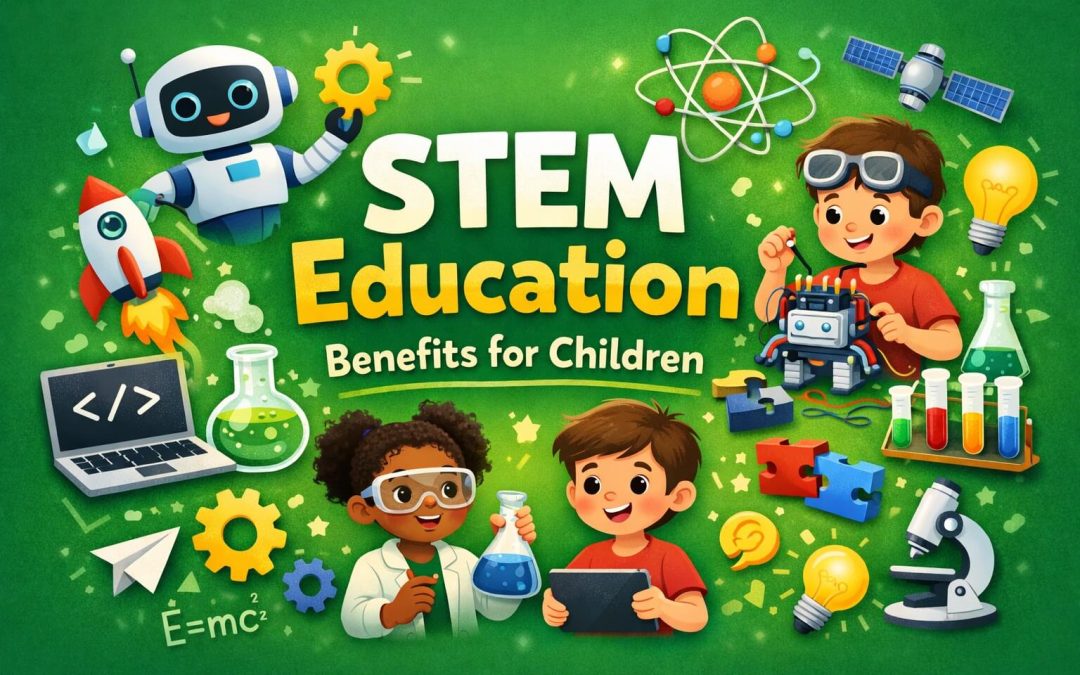
Attention challenges can make learning feel difficult for many children. Students with ADHD often find it hard to sit still, stay focused for long periods, or follow lessons that rely only on listening. At the same time, classrooms are changing, and STEM education is becoming more common across schools. This form of learning focuses on doing, building, testing, and exploring ideas. For many families and teachers thinking about ADHD and schooling, STEM offers a hopeful and inclusive way to support different learning needs.
Why STEM Works Well for Students
STEM learning is active rather than passive. Children move, touch, experiment, and ask questions instead of sitting quietly for long lessons. This suits the natural energy and curiosity many children with attention difficulties have. Small tasks and quick results help them feel successful without waiting too long. In attention deficit disorder education, this kind of learning often keeps children interested for longer periods. Real-life problem-solving also helps children stay connected to what they are learning.
Key Benefits of STEM for Children: Hands-On Learning Increases Focus
Building models, testing ideas, or writing simple code keeps children involved. These STEM activities for students allow them to learn by doing instead of only listening. When hands are busy, the mind often stays engaged too.
Encourages Creativity and Imagination
STEM activities allow children to explore ideas in their own way. There is often more than one correct answer, which reduces fear of making mistakes. This freedom helps children feel safe while learning.
Breaks Tasks into Smaller Steps
Most STEM projects are completed in stages. Children work on one small part at a time, which feels less overwhelming. This structure helps those who struggle with long or unclear tasks.
Improves Problem-Solving Skills
STEM encourages children to try again when something does not work. Through trial and error, they learn patience and persistence. These skills are useful both inside and outside the classroom.
Boosts Confidence and Self-Esteem
Completing a project, even a simple one, gives children a sense of achievement. Over time, this builds confidence and improves how they see themselves as learners. Positive experiences often lead to better classroom behaviour.
Supports Teamwork and Communication
Many STEM tasks involve group work. Children learn to share ideas, listen to others, and work together. This helps improve communication and social skills in a natural way.
STEM Activities That Work Well for Childrens with ADHD
- Simple coding games that give quick feedback
- Building small structures, robots, or models for hands-on learning
- Science experiments with clear, step-by-step instructions
- Math puzzles and logic games that build thinking skills without pressure
- Outdoor activities like measuring plants or observing the weather
- STEM programs for elementary students that include a STEM curriculum, mixing science with art and creativity
Tips for Teachers and Parents
- Use clear visual instructions and simple guides
- Keep activities short, focused, and varied
- Allow movement, flexible seating, and regular breaks
- Praise effort and progress, not just results
- Encourage curiosity, questions, and exploration
- Use ADHD teaching strategies that support learning without criticism
Real-Life Examples
The following real-life examples show how STEM activities support children in real classrooms and help make learning easier, calmer, and more enjoyable.
Gaining Confidence Through Hands-On Projects
One student felt unsure during regular lessons and often avoided answering questions. During a STEM activity, the teacher asked the child to build one small part of a model using blocks. The child completed the task successfully and received praise. This small success helped the student gradually gain confidence and participate more in class.
Reduced Restlessness During Interactive Activities
A child had trouble sitting still during lessons and often moved around a lot. In a science experiment, the class tested which things float and which sink. The child got to pick objects, drop them in water, and see what happened. Using their hands and moving a little helped the child stay calm. This made it easier to pay attention and enjoy the activity without feeling restless.
Improved Communication and Teamwork
In a group puzzle activity, students worked together to solve problems. One child collected materials, another arranged them, and another shared ideas. The teacher guided turn-taking. Through this activity, the child improved listening, speaking, and teamwork skills.
Structured Creativity Made Learning Enjoyable
The class was asked to make a paper bridge that could hold some weight. The teacher gave clear steps, but each child could choose their own design. This made the activity fun and easy to follow. Children enjoyed creating their bridges without feeling worried about mistakes. The clear structure and freedom to choose helped them feel relaxed and excited while learning.
Conclusion
STEM offers children with ADHD a learning style that matches their strengths. It values curiosity, creativity, and active participation. With the right support, STEM education can improve confidence, motivation, and classroom engagement. When schools and families work together, ADHD and schooling can become a more positive experience. Every child deserves a chance to learn in a way that feels natural and encouraging.
FAQs
Can STEM really help students with ADHD focus better?
Yes, hands-on tasks give children a clear goal and keep them meaningfully engaged.
What STEM subjects work best for children with ADHD?
Coding, robotics, puzzles, and simple science experiments are often effective.
Do children with ADHD struggle in STEM?
Many children actually thrive because STEM allows movement and creative thinking.
How can parents support STEM learning at home?
Simple experiments, building toys, puzzles, and beginner coding apps work well.
Is STEM helpful for classroom behaviour?
It can be, as active learning often reduces frustration and boredom.
by Bethany Institutions | Jan 17, 2026 | Blog Recent Post, Event Featured Post, Event Recent Post, News
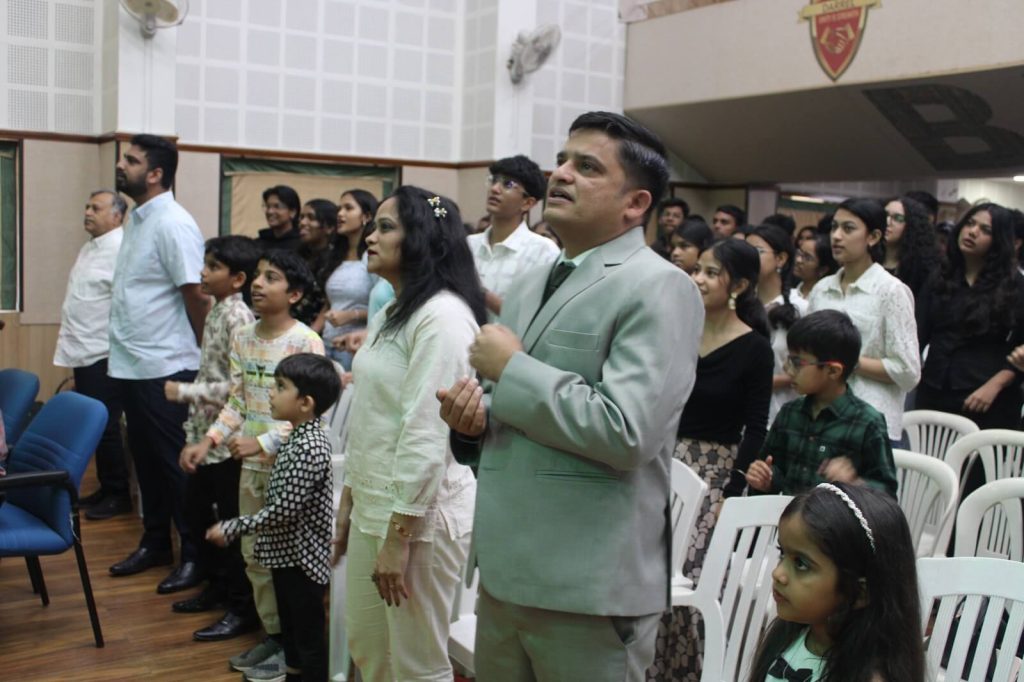
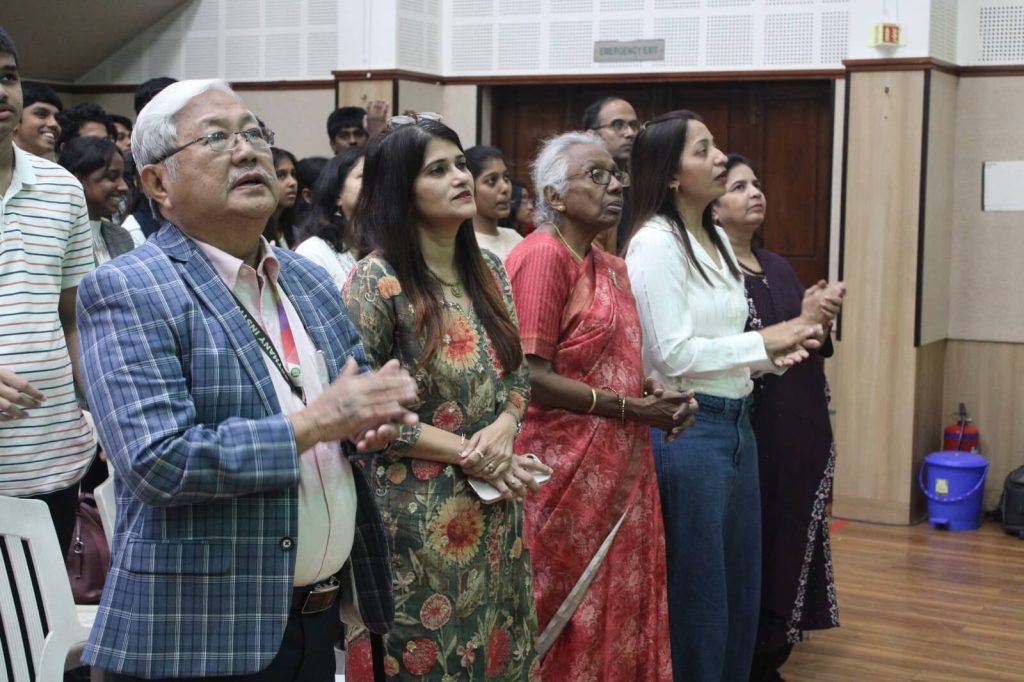
The Baccalaureate Service for our graduating students was held on Saturday, 17th January 2026, at the Bethany High Auditorium, Koramangala.
With the theme “Super Trouper”, inspired from a verse from the Bible, James 1:12, the service was a meaningful time of worship, reflection, and encouragement. The Worship songs were led by the Senior Choir, Band, and the Soulspring Team, and they had some really powerful interactive moments, engaging the audience with phrases like ‘Get up, Get up, Get outta that grave’, encouraging the students to aim for a joyful life, not the mundane. They ended their Set with the soulful song ‘Gratitude’ and with segments of only voices singing the lyrics ‘I know it’s not much, nothing fit for a King, except for a heart singing ‘Hallelujah’!
The main message was delivered by Mr Vivian Angelo, CEO of Breakthrough, who spoke powerfully about purpose, character, and values. Drawing from his own school journey, he highlighted the lasting impact teachers have in shaping lives and helping students recognise their true potential.
Quoting from Viktor Frankl’s “Man’s Search for Meaning”, he challenged students to reflect on their purpose in life, reminding them that when we know our “why”, we can endure any “how”. He spoke about kindness, integrity, second chances, building strong relationships with family, and the importance of choosing values over labels. He encouraged students to believe that change in character can transform one’s life and that meaning is found through our work, relationships, and faith.
The service concluded with Mr. Vivian praying a powerful prayer of blessing over the students of Standards 10 and 12.
by Bethany Institutions | Jan 15, 2026 | Blog Recent Post
Indian Army Day is a special day that honours the brave soldiers who protect our country. It reminds us of their courage, discipline, and selfless service. Children and adults alike learn about the role of the army in keeping India safe and united. The day, also known as Bhartiya Sena Diwas, helps everyone understand why respecting soldiers is important for a peaceful nation.
The day is observed every year on 15 January. Schools, defence institutions, and the government mark this day across the country with pride and gratitude. The main purpose of the day is to thank soldiers for their service, remember their sacrifices, and teach young citizens about patriotism, responsibility, and national unity.
What Is Indian Army Day?
15 January Army Day is a national day dedicated to the Indian Army, the land-based branch of India’s armed forces. It celebrates the values of bravery, discipline, loyalty, and dedication that soldiers show every day while serving the nation. For the country, the day represents strength, safety, and unity. It reminds people that peace is protected by soldiers standing alert at borders, in forests, mountains, and even during natural disasters.
History of Indian Army Day
The history of Indian Army Day goes back to the year 1949. On this day, Lieutenant General K. M. Cariappa became the first Indian Commander-in-Chief of the Indian Army after independence.
This was an important moment because it marked the complete leadership of Indians over their own armed forces. That is why Army Day history is closely connected to India’s freedom and self-rule.
The year 1949 symbolises independence, leadership, and responsibility. It showed that India was ready to manage its own defence and protect its people with pride.
Why Indian Army Day Is Celebrated?
Indian Army Day (15th January) is celebrated to remember, respect, and recognise the Indian Army and its role in the nation.
- Honour and respect for soldiers: Indian Army Day celebration honours the brave soldiers who protect the nation in every condition — extreme heat, freezing cold, heavy rain, and dangerous border situations. They stay alert day and night so that citizens can live in safety and peace. The day shows respect for their discipline, courage, and commitment to the country.
- Recognition of sacrifices: The day also remembers soldiers who lost their lives while serving India. Their sacrifices protect the nation’s freedom and safety. Remembering them helps people understand the true value of peace.
- National significance: Indian Army Day strengthens national pride and unity. It reminds citizens that freedom and peace exist because soldiers stand ready to protect the country at all times.
How Indian Army Day Is Celebrated?
The celebrations are both respectful and educational, helping people connect with the armed forces.
- Parades and military displays: Military parades show the strength, training, and discipline of the army. Soldiers march together, display equipment, and perform demonstrations that help people understand how the army works and protects the nation.
- Award ceremonies: Brave soldiers receive medals and awards for their courage and service. These ceremonies honour their dedication and inspire others to respect duty, honesty, and bravery.
- Public and educational events: Schools and communities organise speeches, drawing competitions, and storytelling sessions. These activities help children learn about the army and understand the importance of patriotism and service.
Role of the Indian Army Beyond Warfare
The Indian Army not only protects the nation during war but also serves the people during peace, emergencies, and natural disasters.
- Border security: The army guards India’s borders day and night to prevent threats and illegal activities. Soldiers stay in remote and difficult areas so that citizens inside the country can live safely.
- Disaster relief operations: During floods, earthquakes, landslides, or cyclones, the army rescues people, provides food, medical help, and rebuilds damaged areas. Their quick action saves many lives.
- Peacekeeping and internal security: The army helps maintain peace in sensitive regions and supports international peace missions. It also helps control violence and ensures safety when internal problems arise.
Indian Army Day and Its Message for Youth
Indian Army Day teaches young people important life values and encourages them to become responsible and patriotic citizens.
- Inspiration for students: Stories of brave soldiers inspire students to be courageous, honest, and helpful. These stories motivate children to face challenges with confidence and determination.
- Values like discipline and patriotism: The army shows the importance of discipline, teamwork, respect, and love for the country. These values help young people grow into responsible and kind citizens.
- Career awareness: The day also introduces students to careers in the armed forces and defence services. It shows them that serving the nation can be a meaningful and honourable career choice.
Conclusion
Indian Army Day reminds every citizen of the courage, discipline, and dedication of the Indian Army. It teaches children the value of service, respect, and patriotism. By learning about soldiers and their sacrifices, young minds grow into responsible citizens who appreciate peace and freedom. The day builds pride, gratitude, and unity across the nation.
FAQs
When is Indian Army Day celebrated?
Indian Army Day is celebrated every year on 15 January to honour the bravery and service of Indian soldiers.
Why is Indian Army Day important?
It recognises soldiers’ sacrifices, builds national pride, and teaches citizens about discipline, courage, and responsibility.
Who was the first Indian Commander-in-Chief of the Indian Army?
Lieutenant General K. M. Cariappa was the first Indian Commander-in-Chief appointed in 1949.
How is Indian Army Day different from Armed Forces Flag Day?
Army Day honours soldiers, while Armed Forces Flag Day raises funds to support veterans and families.
by Bethany Institutions | Jan 13, 2026 | Blog Recent Post
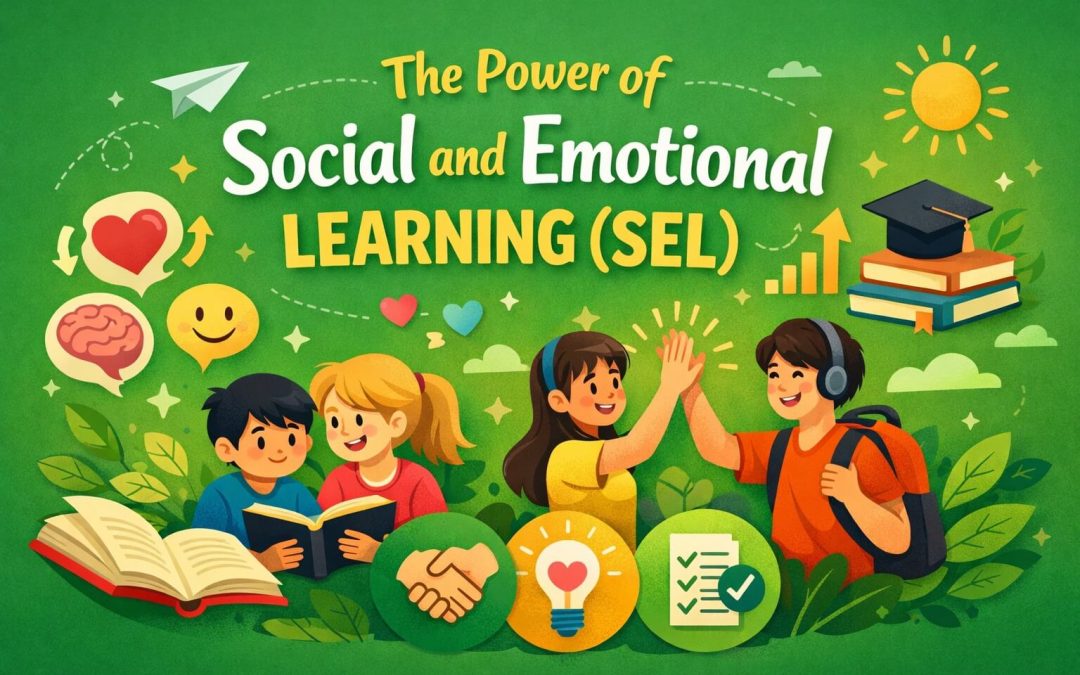
Social and Emotional Learning, often called social emotional learning, helps students understand their feelings and how to handle them in everyday life. It teaches children how to stay calm, be kind, and make good choices at school and at home. Today’s classrooms need more than just books and exams, which is why many educators now state the importance of emotion in education.
SEL supports learning by helping students feel safe, confident, and ready to learn. When children understand their emotions, they can focus better and enjoy learning. Along with academics, SEL builds life skills that stay useful long after school years.
What is Social and Emotional Learning
Social and Emotional Learning means learning how to understand emotions, manage behaviour, and build healthy relationships. It helps students know what they feel, why they feel it, and how their actions affect others.
SEL has five simple pillars.
- Self-awareness: Knowing your own feelings and thoughts. It helps students notice when they are happy, sad, angry, or excited and understand why.
- Self-management: Controlling feelings and actions. It helps students stay calm, be patient, and keep trying even when things are hard.
- Social awareness: Understanding how others feel. It teaches kindness, respect, and how actions affect other people.
- Relationship skills: Building good friendships. It includes listening, sharing, cooperating, and solving problems together.
- Responsible decision-making: Thinking before acting. It helps students make safe, fair, and kind choices and understand the results of their actions.
Why SEL Matters for Students
SEL helps students manage stress, fear, and anger in a healthy way. When children learn how to calm themselves, they feel more in control during difficult moments. This directly supports the need to state the importance of emotion in education.
Students with strong SEL skills show better focus and discipline in class. They listen carefully, follow rules, and respect others. Over time, SEL builds confidence, empathy, and emotional balance. When students feel emotionally steady, their academic performance also improves naturally.
Benefits of SEL in School Life
Social and Emotional Learning helps students feel happy, confident, and safe at school. Here are some of its benefits
Better Communication with Friends and Teachers
SEL helps students share their thoughts and feelings clearly. They learn how to listen carefully and speak politely. This makes conversations easier and builds trust between students and teachers.
Stronger Teamwork and Collaboration Skills
Through SEL activities, students learn how to work well in groups. They understand sharing, taking turns, and respecting different ideas. This reflects the importance of social science in school curriculum, where teamwork and cooperation are key lessons.
Reduced Anxiety and Improved Emotional Well-being
SEL teaches students simple ways to stay calm when they feel worried or stressed. Breathing exercises and reflection help them relax. As a result, students feel emotionally safe and more confident at school.
Better Conflict-Resolution and Problem-Solving Abilities
SEL helps students solve problems peacefully. They learn to talk instead of arguing and find fair solutions. These skills show the importance of social science in school curriculum, which focuses on understanding society and living together peacefully.
A More Positive and Respectful Classroom Environment
When students respect feelings and opinions, classrooms become happier places. SEL encourages kindness, honesty, and cooperation. This creates a safe learning space where everyone feels valued and ready to learn.
How Teachers Can Bring SEL into the Classroom
Teachers play an important role in building SEL skills every day. Here are some methods:
- Morning check-ins or reflection circles: Teachers ask students how they feel at the start of the day. This helps children share emotions and feel listened to.
- Encouraging safe and respectful emotional expression: Students are reminded it’s okay to talk about feelings kindly. This makes them feel calm and confident.
- Group work that teaches cooperation and understanding: Working in small groups helps students share, listen, and help each other. It also teaches teamwork and responsibility, like in social science lessons.
- Storytelling or role-play activities to build empathy: Stories and role-play help students see how others feel. This builds kindness and understanding.
- Short breathing or mindfulness breaks during lessons: Quick breathing exercises help students relax and focus. Calm minds make learning easier and behaviour better.
Role of Parents in SEL
Parents support SEL by listening to children without judgement. When children feel safe to speak, they learn emotional honesty. Open conversations about school and daily life help children express feelings clearly.
Parents can model empathy, patience, and respectful speech. Simple routines like homework time and bedtime build emotional security. These habits reflect the values of teaching social science, such as respect, responsibility, and care for others.
Everyday SEL Activities for Students
Students can practise SEL in simple ways every day. These small habits help them feel calm, kind, and confident.
- Writing one good thing about the day in a notebook
- Helping a classmate with work or sharing things
- Setting one small goal for the day, like finishing homework
- Taking deep breaths when feeling angry or upset
- Thinking about actions and learning from mistakes
Real Examples of SEL Impact
A Shy Student Learning to Speak Up
A student felt nervous about talking in class and stayed quiet most of the time. Through group activities and gentle encouragement, the student learned to feel safe and comfortable. SEL helped the student understand emotions and slowly gain confidence to share ideas.
Solving Disagreements Peacefully
Two students had a small fight during a group task. Instead of shouting, they were guided to talk and listen to each other. SEL helped them understand feelings, stay calm, and find a fair solution together.
Feeling Calm and Focused in Class
Students felt tired and restless during lessons. After short breathing exercises, they felt relaxed and ready to learn. SEL helped them calm their minds, focus better, and enjoy the lesson.
Conclusion
Social and Emotional Learning (SEL) helps students understand feelings, make good choices, and get along with others. It teaches kindness, teamwork, and calmness, both at school and home. When children practise SEL, they feel confident, focused, and happy. These skills not only improve learning but also help students grow into caring and responsible people.
FAQs
What is the main purpose of SEL?
The main purpose is to help students understand emotions, build healthy relationships, and make responsible choices.
Can SEL improve academic performance?
Yes, students who feel emotionally balanced can focus better and manage stress easily.
Is SEL only for younger students?
No, SEL benefits learners of all ages, including teenagers.
How can parents support SEL at home?
Parents can listen openly, encourage good habits, and model empathy daily.
Does SEL take a lot of classroom time?
No, even short activities can strengthen SEL skills effectively.