by Bethany Institutions | Aug 14, 2025 | Blog Recent Post
Introduction: Where Yesterday Meets Tomorrow
At Bethany High, we’ve always believed education isn’t about choosing between the past and the future—it’s about carrying forward what works while embracing what’s next. In this blog, we’ll discuss how to balance traditional values in modern education with fresh teaching trends while keeping our academic heritage alive and crafting a curriculum where Shakespeare and coding coexist and where respect for tradition fuels innovation.
Rooted in Resilience: The Bethany Story
Every tradition at Bethany High carries the DNA of our founder’s vision —a vision born from passion and profound loss. In 1949, Mrs. Mignon David faced an unimaginable tragedy when her two young sons drowned while trying to save their pet dog. From that grief, she resolved to create a sanctuary where no child would feel abandoned or unsupported.
Starting with a single classroom, three teachers, and one student in a rented Richmond Town building, Bethany began as a hostel for destitute children—a true “home away from home” for Baldwin’s, Cotton’s, and beyond students. With the support of her husband, Mr. J. David, and mentor Mr. Satur (ex-Principal of St. John’s High School), Mrs. David built more than a school; she created a legacy of education without discrimination, where every child belonged.
Today, her spirit lives in our halls. The same compassion that welcomed those first students now shapes how we balance tradition and innovation:
- Modern classrooms, timeless values: Just as Mrs. David blended shelter with schooling, we blend smartboards with storytelling.
- Inclusivity as tradition: Her belief that “every child deserves light” drives our personalised education models.
- Resilience as a lesson: Students learn coding, calculus, and how to face challenges with the grit that built Bethany.
Why Tradition Still Matters in Education
Tradition forms the bedrock of our school’s identity. Morning assemblies inculcating values, and handwritten thank-you notes to teachers aren’t just “nice-to-haves”—they’re how we teach core academic values like gratitude, discipline, and community.
- Cultural heritage in education shapes identity: Students learn where they come from before exploring where they’re headed.
- Foundational principles like critical thinking and integrity remain timeless, even as tools evolve.
But here’s the twist: we don’t cling to tradition just because “that’s how it’s always been.” We preserve what aligns with our mission: nurturing thinkers, not test-takers.
Incorporating Modern Teaching Methods Without Losing Core Values
Modern doesn’t mean replacing the old—it means enhancing it. Here’s how we blend new-age learning with classic educational principles:
1. Smartboards Meet Storytelling
Our classrooms buzz with interactive smartboards, but teachers still recite poetry aloud and stage debates without screens. Tech amplifies human connection—it doesn’t replace it.
- Personalised Learning with a Moral Compass
AI-driven tools tailor math problems to skill levels, but teachers tie lessons to ethical education principles. Coding classes discuss using tech to solve poverty or climate change.
Role of Teachers in Maintaining the Balance
Teachers are our bridge builders. Trained in progressive teaching strategies, they’re also custodians of Bethany’s legacy:
- Modeling balance: Using videos for photosynthesis but assigns classic textbook chapters too.
- Student engagement strategies: Quizzes + group activities = caters to all learning styles.
How Cultural Heritage Shapes Our Approach to Education
India’s rich history isn’t confined to textbooks here. It’s alive in our halls:
- Festivals as classrooms: Diwali becomes a lesson on light refraction and the triumph of good over evil.
- Language pride: We take pride in nurturing both logical thinking and linguistic confidence. While our students dive into Python programming, they also explore creative writing, public speaking, and multilingual storytelling—celebrating India’s rich language diversity alongside global tech skills.
This isn’t nostalgia—it’s about giving students roots to grow and wings to fly.
Ensuring a Holistic Learning Experience
A balanced school curriculum nurtures mind, body, and soul:
Mind: Data science courses + philosophy electives.
Body: Our Physical Education (PE) programme goes far beyond traditional fitness. At Bethany High, sport is a serious pursuit. Led by experienced professionals, our students are encouraged to explore disciplines like athletics, football, cricket, and more—both during and beyond school hours. With structured PE sessions, specialised coaching, flagship events like the Road Run and Mignon Memorial Football Tournament, and academic PE options at ICSE and ISC levels, we build physical strength, discipline, leadership, and character.
Soul: Mindfulness workshops blending ancient practices with modern psychology.
And yes, we prioritise student mental health—because even the brightest minds can’t thrive under stress.
How Parents Can Support Schools in Upholding Traditions
You’re our partners in this dance! Here’s how to help:
- Share family stories: Grandparents’ life experiences = gold for history projects.
- Celebrate traditions at home: Reinforce empathy or perseverance like we do.
- Stay curious: Attend workshops on 21st-century education trends and ask how they align with Bethany’s ethos.
Conclusion: The Best of Both Worlds
At Bethany, tradition and innovation aren’t rivals—they’re dance partners. By preserving school traditions while innovating, we craft learners who respect the past but aren’t afraid to rewrite the future. True education isn’t about choosing sides—it’s about building bridges.
FAQs
Q: How does Bethany incorporate modern technology into traditional learning?
A: Tech spices things up! Using smart boards to show students videos of related topics.
Q: Why preserve school traditions?
A: Traditions teach values that no app can replicate, such as teamwork on sports day, and respect during assemblies.
Q: How can parents help kids appreciate both modern and traditional values?
A: Discuss how cultural heritage shapes identity. Compare family traditions to classroom lessons—it’s all connected!
Q: How do you handle screen time vs. traditional activities?
A: Mandatory “unplugged” hours for library reading, theater, or sports. Balance is key!
Q: Do you still teach cursive writing?
A: Yes! It boosts cognitive development.
by Bethany Institutions | Aug 13, 2025 | Blog Recent Post
Introduction: Why Life Skills Matter for Independence
At Bethany High, we know that true education extends beyond textbooks. Preparing children for real-world challenges is as essential as academic success. Life skills enable children to make decisions, solve problems, and grow into confident, independent individuals. Teaching practical skills early is a gift that empowers them for life.
The Importance of Life Skills for Children
Building independence through life skills involves teaching children to perform tasks on their own while fostering confidence, resilience, and critical thinking. These abilities enable them to face life’s challenges head-on and adapt to various situations with ease. At Bethany High, we integrate life skills training into our curriculum, ensuring every child is equipped to thrive.
Key Skills Every Child Should Learn
1. Time Management
Time management is vital for student success. Teach children to create schedules, prioritise tasks, and set deadlines. Activities like planning their day or managing homework instill a sense of responsibility and discipline.
2. Basic Cooking Skills
Cooking provides an opportunity for creativity. Start with simple tasks like making a sandwich or cutting fruits, and gradually progress to preparing basic meals.
3. Money Management
Introducing concepts like budgeting, saving, and spending teaches children the value of money. Give them a small allowance and help them decide how to allocate it effectively.
4. Personal Hygiene and Self-Care
Encouraging habits like brushing teeth, bathing, and dressing independently promotes self-care and hygiene awareness. These habits build a strong foundation for a healthy lifestyle.
5. Problem-Solving
Teach children to think critically and solve problems on their own. Whether it’s resolving conflicts with peers or tackling a tricky homework problem, problem-solving builds resilience.
6. Home Organisation
Simple chores like tidying their room, folding laundry, or organising their school bag help children become more responsible and self-reliant.
Practical Activities to Teach Real-Life Skills
1. Chores as Learning Opportunities
Assign age-appropriate chores such as watering plants, setting the dining table, or putting away toys. These tasks teach accountability and teamwork.
2. Role-Playing Scenarios
Use role-playing to simulate real-life situations. For example, let them practice ordering food at a restaurant or introducing themselves in a formal setting.
3. Incorporating Technology
Technology can aid learning. Use educational apps or tools to teach concepts like budgeting, navigation, or even basic coding.
4. Gardening Projects
Involve children in planting and nurturing a garden. It teaches them patience, responsibility, and the importance of nature.
5. Cooking Classes at Home
Turn the kitchen into a learning space. Let them help with meal prep, measure ingredients, and learn about nutrition.
Success Stories from Bethany High
Our students have shown remarkable growth through life skills programs. From organizing school events to excelling in household responsibilities, these skills have equipped them for success. Parents often share how their children are now more confident in managing daily tasks and social interactions.
How Parents Can Support Independence
- Encourage Decision-Making
Let your child make age-appropriate decisions, such as choosing their clothes or planning their playtime. - Provide a Safe Environment for Mistakes
Allowing children to make mistakes helps them learn resilience and problem-solving skills. - Model Independent Behaviour
Children learn by example. Show them how you manage daily responsibilities and involve them where possible. - Celebrate Small Wins
Acknowledge their efforts, whether it’s tying their shoelaces or making their bed. Positive reinforcement boosts confidence.
FAQs
What life skills are essential for children?
Essential skills include time management, basic cooking, personal hygiene, money management, and problem-solving.
How does Bethany teach real-life skills?
We integrate life skills training into everyday activities, projects, and co-curricular programs, ensuring holistic development.
Are there age-specific programs?
Yes, our programs are tailored to suit different age groups, focusing on foundational skills for younger children and advanced skills for older students.
How can parents support this training?
Parents can reinforce these lessons at home by encouraging independence, involving children in household tasks, and offering guidance when needed.
Conclusion: Empowering Students for the Future
Life skills are the cornerstone of independence and confidence. At Bethany High, we are committed to nurturing self-reliant, responsible, and capable students who are ready for the real world. By equipping children with these practical skills, we ensure they grow into empowered individuals, prepared to tackle life’s challenges with confidence.
by Bethany Institutions | Aug 11, 2025 | Blog Recent Post
Introduction: Why Etiquette Matters
Education is more than academics; it’s about shaping well-rounded individuals ready for life’s challenges. Etiquette plays a crucial role in personal and professional success, helping students build confidence, respect, and effective communication skills. From classroom behaviour to professional settings, these life lessons create a lasting impact.
Importance of Etiquette in Student Life
Etiquette is a way of fostering respect, kindness, and inclusion. For students, learning etiquette prepares them for future interactions, whether in school, at home, or in society. Proper etiquette enhances relationships, builds confidence, and ensures students can navigate diverse social and professional situations gracefully.
Social Etiquette Basics
- Greetings Matter
Teaching students the importance of a smile, a firm handshake, or a polite “hello” sets the tone for positive interactions. At Bethany, students learn to greet peers, teachers, and guests confidently. - Politeness and Gratitude
Daily routines emphasize simple phrases like “please,” “thank you,” and “excuse me.” These words not only reflect good manners but also foster mutual respect. - Listening Skills
Active listening is essential. Students are taught to maintain eye contact, avoid interruptions, and show genuine interest in conversations—skills that are invaluable in every aspect of life.
Classroom and Dining Etiquette
- Respect in the Classroom
Good etiquette starts in the classroom. Students are encouraged to raise their hands before speaking, respect differing opinions, and maintain focus during lessons. - Dining Table Manners
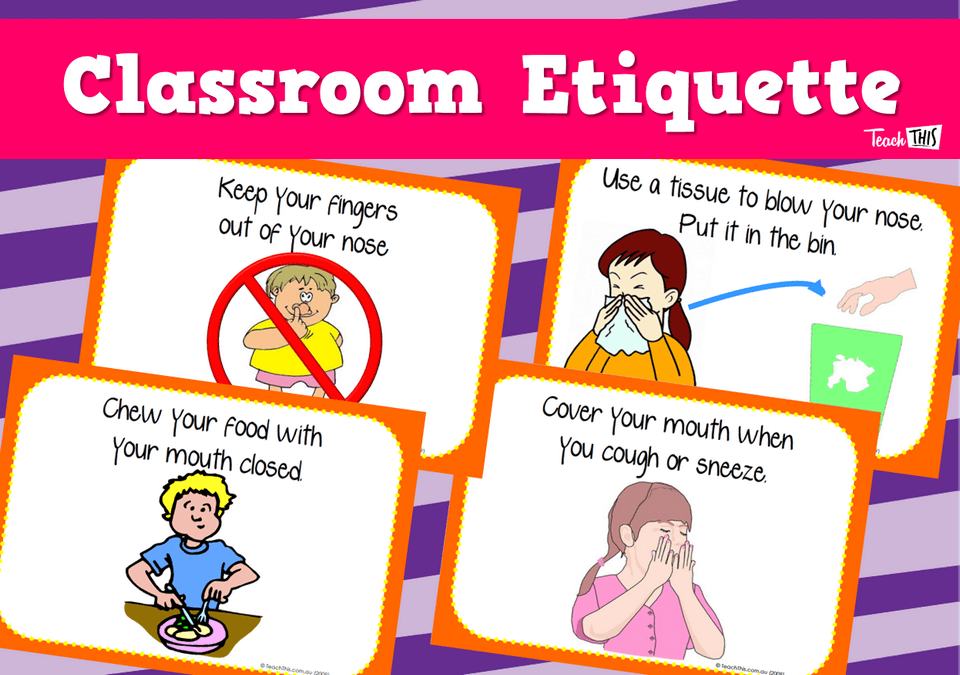
Our dining etiquette lessons include proper use of cutlery, chewing with mouths closed, and waiting for everyone to be served before eating. These skills prepare students for formal and informal dining situations. - Digital Etiquette
In today’s tech-driven world, it is just as important to understand when to put away gadgets and engage respectfully. Students learn the significance of minimising distractions and using technology appropriately.
Practical Etiquette Exercises
- Role-Playing Scenarios
At Bethany High, we incorporate role-playing activities to help students practise real-world etiquette. From mock interviews to social events, students rehearse interactions to build confidence. - Thank-You Notes and Invitations
Writing thank-you letters and crafting polite invitations are skills we instill early. These exercises teach students the importance of expressing gratitude and planning thoughtful communication. - Group Projects
Group work helps students develop teamwork, respect for diverse opinions, and the ability to lead or collaborate effectively—essential components of professional etiquette.
Professional Etiquette for Kids
- First Impressions
A firm handshake, good posture, and appropriate attire create lasting impressions. Students learn to present themselves confidently and professionally. - Email and Written Communication
Teaching students to write polite, structured emails and letters prepares them for academic and professional settings. - Networking Skills
Networking isn’t just for adults. Students are encouraged to engage with peers and mentors, developing connections that foster growth and learning.
Student Experiences and Impact
At Bethany, our etiquette programs have helped countless students shine in social and academic settings. From excelling in inter-school competitions to leaving lasting impressions during internships, our alumni attribute their poise and professionalism to these lessons.
Conclusion: Preparing for the Future
Good etiquette is the foundation of respect, kindness, and professionalism. At Bethany High, we’re committed to equipping students with the skills they need to succeed in all walks of life. By prioritising these lessons, we ensure our students are not just academically prepared but also socially adept and confident.
FAQs
- What etiquette lessons are taught at Bethany?
Students learn social manners, classroom etiquette, dining table skills, and professional communication. - Why is social etiquette important?
Social etiquette fosters respect, builds relationships, and prepares students for real-world interactions. - How do etiquette lessons benefit students?
They build confidence, improve communication skills, and ensure students excel in both personal and professional settings. - Are there specific programs for etiquette training?
Yes, Bethany High integrates etiquette lessons into everyday activities, classroom exercises, and special programs.
by Bethany Institutions | Aug 8, 2025 | Blog Recent Post
Introduction: Building a Strong Foundation in Hygiene
At Bethany High, we believe good hygiene is not just about staying clean—it’s about fostering lifelong habits promoting health, confidence, and well-being. As one of the best ICSE schools in Bangalore, we take pride in teaching students the importance of personal hygiene through fun, interactive learning experiences. Let’s explore how simple hygiene habits can make a big difference in a student’s life.
Importance of Hygiene for Students
Maintaining proper hygiene is essential for keeping illnesses at bay and creating a conducive learning environment. It fosters confidence, improves concentration, and ensures students can actively participate in school activities. Teaching hygiene habits early equips students with self-care skills they’ll carry throughout their lives.
Key Benefits of Good Hygiene for Students:
- Disease Prevention: Reduces the risk of illnesses like colds, flu, and stomach infections.
- Improved Focus: A clean and healthy body leads to better academic performance.
- Confidence Boost: Cleanliness encourages self-esteem and social interaction.
Daily Hygiene Practices for Students
- Handwashing: A Non-Negotiable Habit
Teaching proper handwashing techniques is crucial. Students should wash their hands:- Before meals.
- After using the restroom.
- After playing outdoors or touching shared items.
We teach the 20-second rule: wash with soap, scrub all surfaces, and rinse thoroughly.
- Oral Hygiene: A Smile That Lasts
Students are encouraged to brush their teeth twice daily and floss regularly. Proper oral care prevents cavities, bad breath, and gum issues. - Bathing and Grooming
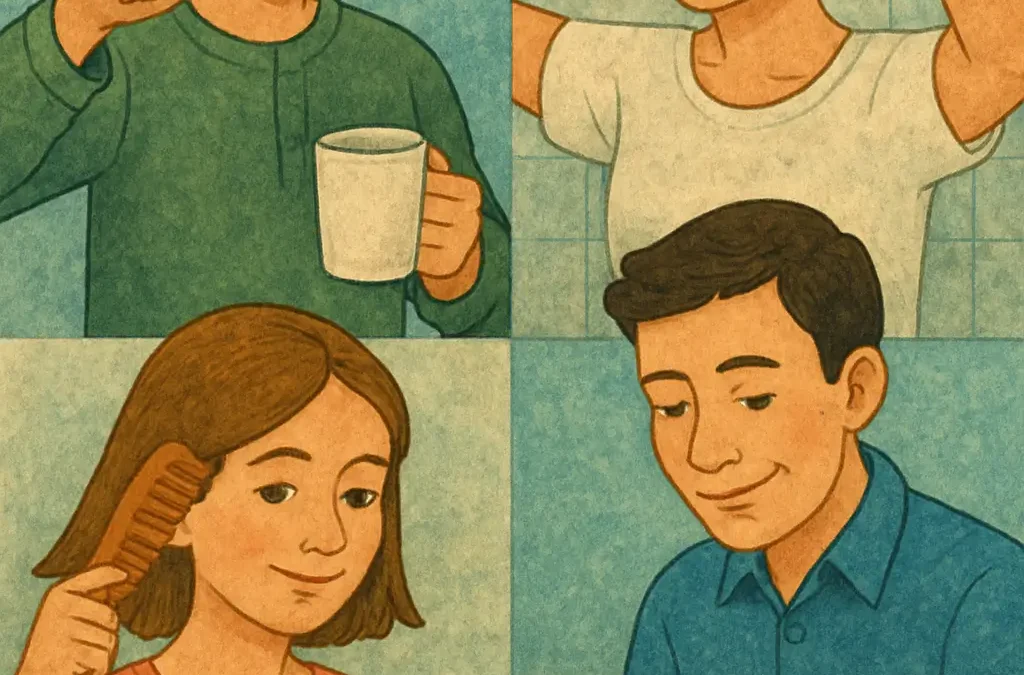
Daily baths, clean clothes, and trimmed nails help keep germs away. We emphasise the importance of using deodorant during adolescence to maintain freshness. - Carrying Personal Hygiene Items
Every student should carry essentials like tissues, hand sanitiser, and a handkerchief to manage daily hygiene. - Using Clean Footwear and Socks
Sweaty feet can lead to fungal infections. We recommend cotton-lined socks and regular cleaning of shoes.
School Hygiene Programs at Bethany High
Hygiene is an integral part of Bethany High’s curriculum. Through workshops, visual aids, and interactive sessions, we make hygiene education engaging and impactful.
Our Initiatives Include:
- Hygiene Awareness Days: Special events focusing on cleanliness and self-care.
- Well-Maintained Facilities: Clean washrooms, soap access, and drinking water.
- Collaborative Activities: Students participate in classroom cleaning drives to understand the importance of maintaining their surroundings.
Educating Students on Self-Care
Self-care is more than hygiene—it’s about empowering students to take responsibility for their health.
Practical Self-Care Lessons Include:
- Healthy Eating: Encouraging nutritious meals and adequate water intake.
- Rest and Relaxation: Teaching the importance of sleep and stress management.
- Fitness and Hygiene: Linking physical activity to cleanliness, like washing up post-exercise.
FAQs on Hygiene for Students
- Why is hygiene important for students?
Hygiene prevents illnesses, boosts confidence, and promotes a positive learning environment. - What are the essential daily hygiene habits?
Regular handwashing, oral care, bathing, and wearing clean clothes are vital student habits. - How does Bethany promote hygiene awareness?
We conduct workshops, provide clean facilities, and integrate hygiene lessons into the curriculum. - What activities encourage hygiene practices?
Classroom cleaning drives, hygiene awareness days, and interactive lessons make learning fun and effective.
Conclusion: A Cleaner Future with Bethany High
By instilling everyday hygiene habits, we’re ensuring healthier students and nurturing responsible, confident individuals ready to take on the world. At Bethany High, hygiene isn’t just a lesson—it’s a way of life. Together, let’s build a cleaner, healthier future for our students!
Explore our programs and join the Bethany family today for more insights into our initiatives and why we’re among the best ICSE schools in Bangalore.
Disclaimer:
The information provided in this blog is for educational purposes only and should not replace professional medical advice or guidance.
by Bethany Institutions | Aug 6, 2025 | Blog Recent Post
Introducing Students to the Richness of World Cultures
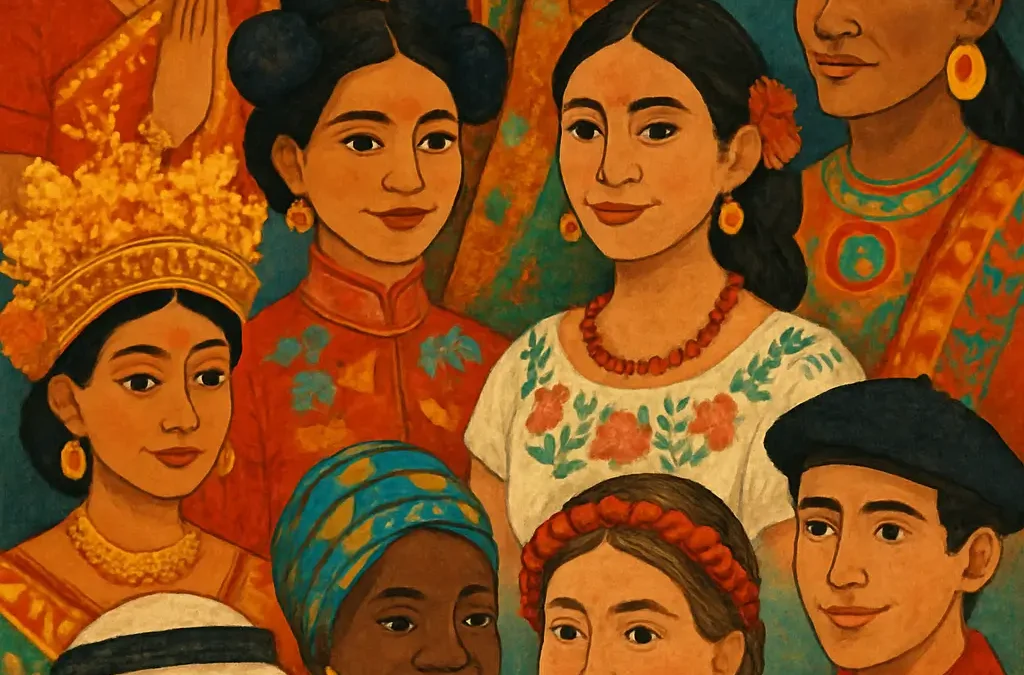
Bethany’s programs help students discover the richness of world cultures. They also explore diversity, foster inclusivity, and enhance global awareness.
At Bethany High, we believe that cultural awareness is the foundation of a compassionate and inclusive world. Our mission is to empower students with an appreciation for the diverse traditions, languages, and art forms that shape human experiences globally. Through interactive programs and immersive learning opportunities, we guide students to explore the richness of world cultures while building respect for diversity.
Understanding Cultural Diversity
Cultural diversity extends beyond recognising different traditions; it is about understanding perspectives, values, and histories. Bethany fosters this awareness by exposing students to global cultures through art, music, drama, and dedicated learning activities.
For instance, students may participate in a calligraphy competition. These experiences allow them to connect with cultural expressions from around the globe and nurture empathy and inclusivity.
Benefits of Multicultural Learning
At Bethany High, we see the impact of multicultural learning every day. Students who engage with different cultures experience:
- Enhanced Communication Skills: By interacting with peers and mentors from varied cultural backgrounds, they learn to adapt and communicate effectively in diverse environments.
- Critical Thinking: Exposure to diverse worldviews helps students approach problems with a broader perspective.
- Confidence Building: Participation in cultural activities and events encourages students to step out of their comfort zones and build self-esteem.
- Empathy and Respect: Immersive learning fosters respect for differences and nurtures lifelong values of compassion and understanding.
Success Stories from Students
Many Bethany High students have shared how cultural learning has shaped their perspectives. For example, a student participating in an international exchange programme reflected, “Meeting peers from another country was life-changing. It showed me how diverse yet similar we are in our dreams and challenges.”
Others found their passion for art and storytelling through workshops inspired by global traditions. These stories underline the transformative power of cultural education.
Our Commitment to Global Education
Bethany High is one of the best ICSE schools in Bangalore. Our approach to global education is deeply rooted in the ICSE philosophy of holistic learning. By integrating cultural studies with academics, we prepare students to excel in a globalised world.
Our Global Education Program aligns with the curriculum and introduces activities like model UN simulations, global citizenship workshops, and cultural storytelling competitions. These initiatives give students a real-world understanding of diversity and international collaboration.
FAQs
What is cultural awareness in education?
Cultural awareness in education involves understanding and appreciating different cultures’ values, traditions, and practices. It fosters inclusivity and empathy among students.
How does Bethany introduce students to world cultures?
Bethany High introduces students to world cultures through art, music, drama, international exchange programs, and cultural workshops.
How can students participate in cultural activities?
Students can participate in various school-organised events, workshops, and annual celebrations like International Day.
Conclusion
At Bethany High, introducing students to the richness of world cultures is not just a programme; it’s a philosophy. We aim to create global citizens who appreciate diversity and contribute positively to the world. By encouraging students to engage with traditions, art, and languages from around the globe, we are shaping a generation of empathetic and inclusive leaders.