by Bethany Institutions | Sep 8, 2025 | Blog Recent Post
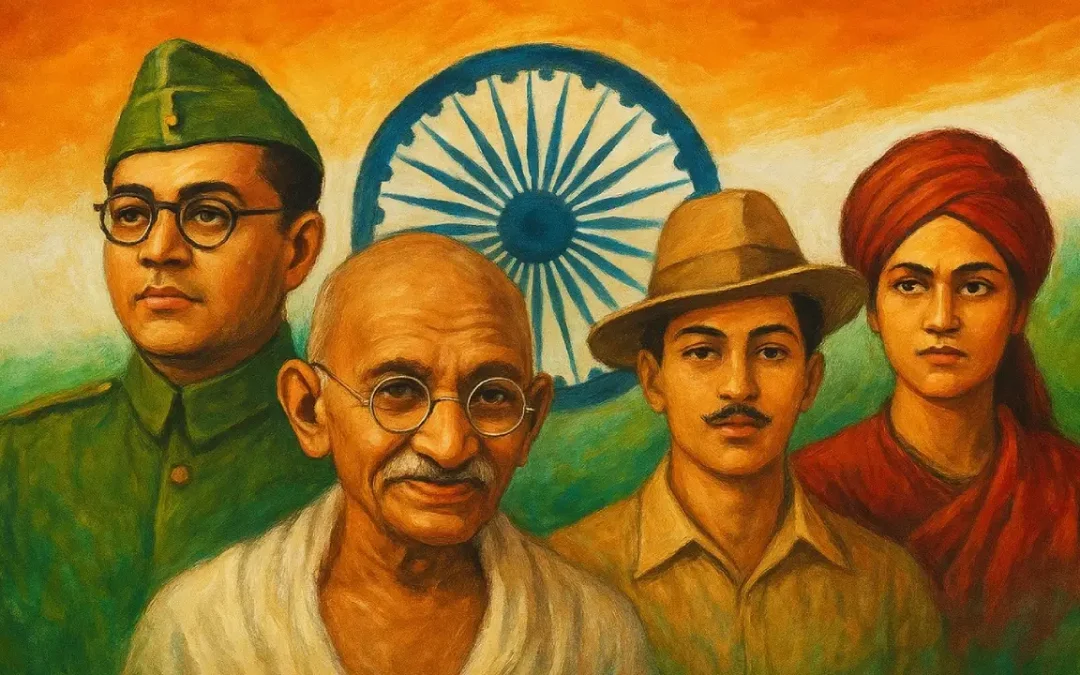
When we talk about India’s freedom struggle, names like Mahatma Gandhi, Jawaharlal Nehru, and Subhas Chandra Bose often take the spotlight. But have you ever paused to wonder who else stood up, fought, and sacrificed for India’s freedom?
Thousands of brave individuals from across the country, regardless of caste, class, or religion, played crucial roles in the freedom movement. Their stories teach us that bravery and patriotism know no boundaries, that freedom was won by many, not just a few, and that every contribution, no matter how big or small.
Who Are the Unsung Freedom Fighters of India?
So, who exactly are these “unsung” heroes? They are individuals who fought for India’s independence but were often overlooked by mainstream history. Many came from rural areas or tribal communities. Some were women who defied societal norms. Others were young revolutionaries whose lives were cut short before they could be celebrated.
These heroes are not unsung because they lacked bravery. They’re unsung because they were marginalised by region, caste, gender, or language, and their stories were never told widely. ͏These are people who stood up wh͏en it ͏wa͏s difficult, who raised thei͏r voices when s͏i͏lence was safer.͏ And today,͏ thei͏r ͏stories can inspire͏ t͏he next ge͏neration to val͏ue freedom, inclusion, a͏nd the c͏oura͏ge to do what’s͏ right.
Stories of Lesser-Known Unsung Heroes
India’s independence was not won by just a few͏ renowned l͏eaders. It was the result͏ of co͏untl͏ess brave souls who stood ͏up to colonial rule,͏ of͏t͏en them sacrificing their li͏ves. Here are eight͏ ͏freedom fighters ͏whose͏ re͏ma͏rkable courag͏e de͏serves to͏ be remembered.
Matangini Hazra
Matangini Hazra, affectionately called “Gandhi Buri” (Old Lady Gandhi), was a fearless participant in India’s freedom struggle from Bengal. Despite being widowed early and uneducated, she actively participated in the Salt Satyagraha and later the Quit India Movement.
At the age of 73, she led a procession to take over the Tamluk police station. When British forces opened fire, she kept marching forward with the tricolour in hand, even as bullets struck her. Her final words were “Vande Mataram,” symbolising her unshakable spirit till her last breath.
Alluri Sitarama Raju
A young revolutionary from Andhra Pradesh, Alluri Sitarama Raju, became a tribal hero during the Rampa Rebellion of 1922–24. Disturbed by British exploitation of forest-dwelling communities, he organised the tribal people to resist unfair forest laws.
Using guerrilla tactics, Raju led a series of attacks on British police stations and confiscated weapons. Though captured and executed at just 27 years of age, his bravery earned him immense respect, and he remains a legendary figure in tribal history.
Peer Ali Khan
Peer Ali Khan was one of the earliest martyrs of the Indian Rebellion of 1857. A bookbinder by profession, he was deeply influenced by the growing unrest against British rule and became part of a secret network planning uprisings across Bihar.
He distributed pamphlets, mobilised rebels, and played a key role in organising resistance. Arrested by the British, he was hanged publicly in Patna on July 7, 1857, along with 33 others. His dedication and early sacrifice mark him as a true pioneer in the freedom struggle.
Velu Nachiyar
Decades before Rani Lakshmibai, Velu Nachiyar of Tamil Nadu waged war against the British colonial powers. Born in 1730, she was trained in warfare, horse riding, and martial arts, and after her husband died in battle, she took up arms to reclaim her kingdom.
She formed alliances with neighbouring rulers and used strategic warfare to fight British forces. In 1780, she successfully led an attack to regain her throne, becoming the first Indian queen to win a war against the British. Her courage and leadership were truly ahead of her time.
Kanaklata Barua
Kanaklata Barua was just 17 when she became a martyr during the Quit India Movement in Assam. Determined to participate actively in the freedom struggle, she led a group of volunteers to hoist the national flag at the local police station.
British police opened fire to stop them. Kanaklata refused to retreat and was shot while carrying the flag. Her bravery at such a young age has made her a symbol of youthful courage and sacrifice in India’s independence story.
Tirot Sing
Tirot Sing was the chief of the Khasi tribe in present-day Meghalaya and led an armed resistance against British intrusion into tribal lands in the early 19th century. When the British attempted to construct a road through his territory without consent, Tirot Sing declared war.
Using guerrilla warfare, he held off British advances for years. Eventually captured and deported to Dhaka, where he died in 1835, his legacy lives on as one of the earliest protectors of tribal sovereignty and independence.
Bhikaji Cama
Bhikaji Cama was one of India’s earliest female revolutionaries and an international voice for Indian independence. Born in 1861 in Bombay, she was a fierce advocate for women’s rights and Indian freedom while living in exile in Europe.
In 1907, at a Socialist Congress in Stuttgart, Germany, she unfurled what is considered one of the earliest versions of the Indian national flag, demanding freedom from British rule. Her work with international revolutionaries and persistent advocacy made her a vital figure in India’s global freedom network.
Birsa Munda
Birsa Munda was a tribal freedom fighter, folk hero, and religious leader who led the Munda Rebellion against British rule in the late 19th century. Born in 1875 in what is now Jharkhand, he mobilised tribal communities against land policies that favoured British landlords.
He called for a return to indigenous customs and united tribal people under the banner of “Ulgulan” or revolution. Though he died young in British custody at age 25, Birsa Munda remains a powerful symbol of tribal identity, resistance, and pride.
Recognising Women Freedom Fighters of India
In most school textbooks, male leaders dominate the narrative. But the truth is, women freedom fighters of India played crucial roles, often without recognition.
From Rani Gaidinliu of Nagaland, who led a spiritual and armed movement at just 13, to Aruna Asaf Ali, who became the face of the Quit India Movement, women’s contributions are diverse and powerful. These stories teach girls that bravery has no gender, and they teach boys to respect and value women as equal patriots.
By including these heroines in classroom storytelling, we promote gender-inclusive patriotism, where every student can find a role model in India’s freedom struggle.
Bringing History to Life: How Students Connect with the Freedom Struggle
Helping students truly understand the freedom movement means going beyond textbooks. When history is presented through stories, activities, and real-world experiences, it becomes personal, meaningful, and memorable. Here’s how schools can introduce students to the lives and values of India’s unsung heroes:
Reading Programmes that Spark Curiosity
Libraries can include curated biographies of freedom fighters from diverse backgrounds. These age-appropriate books introduce students to stories that highlight courage, sacrifice, and resilience, offering new role models often missing from mainstream narratives.
Guest Talks that Make History Relatable
Historians, educators, and speakers can bring historical figures to life through engaging sessions. Personal insights and lesser-known facts help students connect emotionally to the people behind the freedom movement.
Storytelling Events that Build Connection
On national days like Independence Day, students can participate in storytelling sessions, sharing the stories of lesser-known freedom fighters. This not only boosts awareness but also deepens their emotional connection to the country’s past.
Activities That Bring Learning to Life
Role plays and reenactments allow students to step into the shoes of historical figures, experiencing their dilemmas and bravery. Art competitions and debates further encourage creative thinking and critical engagement with historical themes.
Exploring History Firsthand
Museum visits and heritage walks offer tangible links to the past. Standing in places where history happened gives students a strong sense of connection, pride, and belonging.
Through these activities, students learn more than history. They grow into informed, empathetic individuals who understand the importance of freedom and the responsibilities that come with it.
Keeping Their Legacy Alive Through Education
The stories of India’s unsung freedom fighters are powerful reminders of courage, justice, and sacrifice. By exploring these lesser-known lives, students gain more than knowledge. They build empathy, pride, and a deeper sense of responsibility. Keeping these stories alive through education ensures that their legacy continues to shape thoughtful, informed citizens for the future.
FAQs
Who are some of the unsung freedom fighters of India?
Some inspiring names include Matangini Hazra, Velu Nachiyar, Alluri Sitarama Raju, Kanaklata Barua, Tirot Sing, Bhikaji Cama, Birsa Munda, and Peer Ali Khan.
Why don’t we learn about these heroes in mainstream history books?
Many of these heroes came from rural or marginalised communities. Their contributions weren’t documented as widely, which led to historical oversight.
What activities can help students engage with India’s freedom movement?
Role plays, museum visits, debates, and storytelling can make historical events more personal and relatable for students.
Are there any female unsung freedom fighters we should know about?
Yes! Velu Nachiyar, Kanaklata Barua, Rani Gaidinliu, and Bhikaji Cama are just a few of the many brave women who made significant contributions.
by Bethany Institutions | Aug 21, 2025 | Blog Recent Post
Introduction: Why Bethany High Believes in ISC
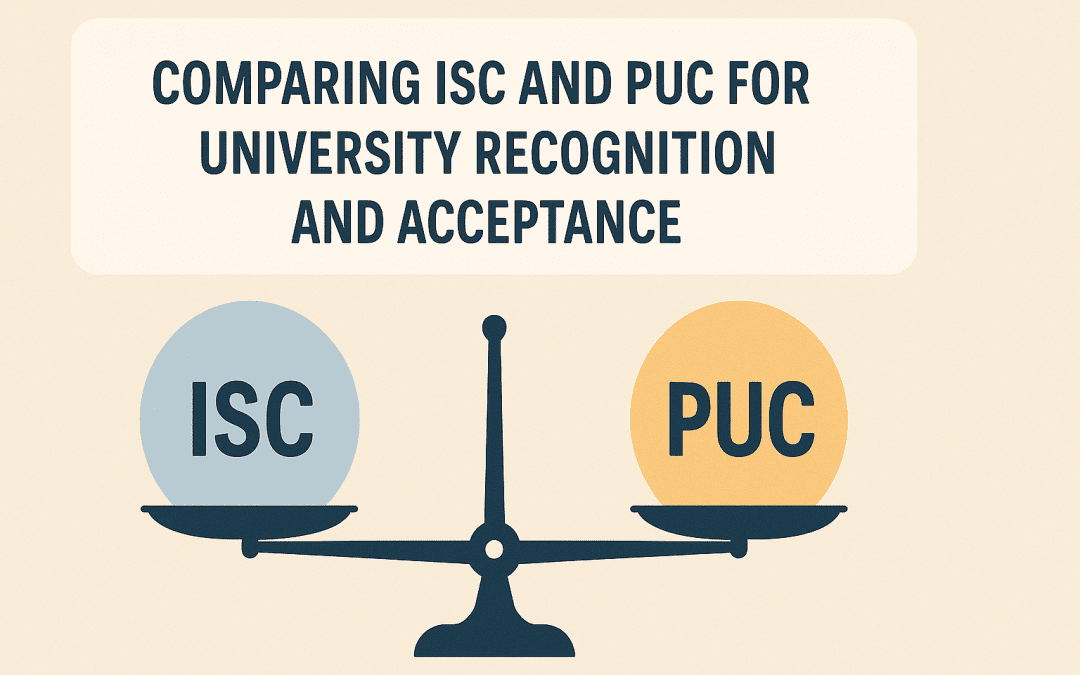
At Bethany High, we’ve chosen to offer the Indian School Certificate (ISC) curriculum for Grades 11 and 12—and for good reason. While the Pre-University Course (PUC) is a popular choice in Karnataka, we believe ISC’s holistic, globally recognised framework uniquely prepares students for the demands of higher education and beyond. In this blog, we’ll compare ISC and PUC objectively, highlight ISC’s strengths, and explain why it’s the ideal choice for students aiming to thrive in a fast-evolving world.
ISC vs PUC: Key Differences at a Glance
| Aspect | ISC | PUC |
| Curriculum | Interdisciplinary, project-based, global focus | Stream-specific, state-aligned, exam-centric |
| Recognition | Accepted worldwide (UK, US, Australia) | Primarily recognised in Karnataka/India |
| Skill Development | Critical thinking, creativity, research | Exam preparation, theoretical mastery |
| Flexibility | Electives like Psychology, Computer Science | Fixed streams (Science/Commerce/Arts) |
Why Bethany High Chooses ISC: 5 Unbeatable Advantages
While PUC has its merits for local college admissions, here’s why ISC aligns with our vision for future-ready education:
1. Global Recognition, Local Relevance
ISC is trusted by universities worldwide, making it a strategic choice for students eyeing international degrees. Its curriculum is benchmarked against global standards, easing admissions to institutions in the U.S., U.K., Canada, and beyond. Closer to home, ISC is equally respected by leading Indian universities, ensuring students thrive in competitive environments.
Why it matters:
- Eliminates the need for additional certifications (e.g., SAT/AP) for many universities abroad.
- Balances global readiness with strong roots in India’s academic ecosystem.
2. Holistic Learning Beyond Exams
ISC goes beyond textbooks to nurture well-rounded thinkers:
- Projects & Practicals: Students design eco-friendly prototypes, conduct social surveys, and present findings—skills valued in STEM and humanities.
- Critical Analysis: Debates on climate policy, literary critiques, and case studies sharpen reasoning.
- Creative Electives: Drama, coding, and graphic design foster passions that often become careers.
3. Seamless Transition to Competitive Exams
Worried about balancing ISC’s breadth with exams like JEE/NEET? Our students excel here too:
- Conceptual Depth: ISC’s rigorous syllabus builds a rock-solid foundation for engineering and medical entrance tests.
- Targeted Coaching: Weekend workshops and mock tests align with exam patterns.
- Time Management: Juggling projects and exams teaches prioritisation—an essential life skill.
4. Leadership & Innovation Focus
ISC’s curriculum transforms students into problem-solvers and leaders:
- Innovation Labs: Spaces for robotics, AI projects, and social entrepreneurship.
- Industry Collaborations: Workshops with startups tackle real-world challenges like waste management.
Why it works: Students learn to lead with empathy and innovate with purpose.
5. Alumni Success Stories: Thriving in a Dynamic World
Bethany’s ISC graduates are shaping diverse fields globally:
- Tech & Research: Innovating at AI startups and renewable energy firms.
- Arts & Media: Winning accolades in filmmaking, writing, and design.
- Social Impact: Founding NGOs to tackle education gaps and climate change.
Their secret? Adaptability—a skill honed through ISC’s blend of creativity, collaboration, and critical thinking.
PUC’s Strengths: A Fair Perspective
While Bethany doesn’t offer PUC, we acknowledge its benefits for certain goals:
- Local Advantage: Tailored for Karnataka’s CET exams and state colleges like RVCE.
- Cost-Effective: Often more affordable for families prioritising regional education.
- Stream Clarity: Straightforward Science/Commerce/Arts paths with exam-focused coaching.
However, PUC’s limited global recognition and theoretical rigidity can restrict opportunities beyond Karnataka.
ISC Programs at Bethany: Streams Designed for Ambition
- Science: Physics, Chemistry, Biology/CS, Math, with electives like Home science
- Commerce: Accounts, Business Studies, Economics, Entrepreneurship projects.
- Humanities: Psychology, Sociology, Elective English, Creative Arts.
Unique Offerings:
- Innovation Labs: Robotics, coding, and sustainability projects.
- University Workshops: SOP writing, SAT prep, and scholarship guidance.
- Mental Health Support: Counsellors ensure holistic well-being.
Admissions: Your Gateway to Global Education
Eligibility:
- Science: 90%+ in ICSE/Equivalent.
- Commerce: 85%+.
- Humanities: 80%+.
Process:
- Submit online application (Aug-Sept).
- Entrance test (English, Math, Logical Reasoning).
- Interactive session with faculty.
Pro Tips:
- Strengthen foundational concepts in your target stream.
- Showcase extracurricular passions during interactions.
How Bethany’s ISC Program Goes the Extra Mile
We don’t just follow the ISC syllabus—we elevate it:
- Global Partnerships: Exchange programs with schools in the UK and Canada.
- Innovation Labs: Spaces for coding, robotics, and sustainable design projects.
- University Bridge Programs: Workshops on SOP writing, SAT prep, and scholarship applications.
- Mental Health Support: Counsellors help students balance academics and well-being.
FAQs: Addressing Common Concerns
Q: Can ISC students crack KCET or COMEDK?
A: Absolutely! Many of our students ace state exams with focused coaching. ISC’s conceptual depth enhances their problem-solving skills.
Q: Is ISC harder than PUC?
A: ISC is broader, not harder. It rewards curiosity and creativity, while PUC prioritizes exam rigor.
Q: Why doesn’t Bethany offer PUC?
A: We believe ISC’s global edge and holistic approach better prepare students for evolving careers. However, we respect PUC’s role in Karnataka’s education ecosystem.
Q: Are ISC fees higher than PUC?
A: Yes, but scholarships and payment plans ensure accessibility. Think of it as an investment in limitless opportunities.
Q: How do ISC students adjust to Karnataka colleges?
A: Smoothly! Our alumni excel at MS Ramaiah, Christ University, and more, thanks to ISC’s adaptable skill set.
Conclusion: ISC Isn’t Just a Curriculum—It’s a Launchpad
At Bethany High, we’re proud to offer ISC because it mirrors our belief that education should empower, not restrict. While PUC serves specific regional goals, ISC opens doors to global universities, innovative careers, and a lifetime of curiosity.
To parents and students: Choose a board that aligns with your dreams, not just convenience. And if those dreams are big, bold, and boundless—ISC is your ally.
by Bethany Institutions | Aug 20, 2025 | Blog Recent Post
Introduction: Unlocking Potential Through Entrepreneurial Mindsets
At Bethany High, we’ve seen time and again that kids are natural innovators. They ask bold questions, dream up wild ideas, and aren’t afraid to experiment. But how do we turn that innate curiosity into lifelong skills? The answer lies in entrepreneurial thinking for children. It’s not just about lemonade stands or earning pocket money. It’s about empowering kids to see challenges as opportunities, failures as lessons, and creativity as their superpower.
What is Entrepreneurial Thinking?
Let’s debunk a myth: entrepreneurial thinking isn’t about raising mini-CEOs. It’s about fostering a mindset where kids:
- Solve problems creatively (“How can we reduce school waste?”).
- Take smart risks (testing ideas, even if they flop).
- Adapt to change (because, let’s face it—the future is unpredictable).
Think of it as a mental toolkit for life, not just business.
Why Start Early? The Case for Childhood Entrepreneurship
The world is changing faster than ever. By teaching kids problem-solving skills and encouraging innovation in young minds, we prepare them for jobs that don’t exist yet. Here’s why early exposure matters:
- Kids are naturally curious: A 7-year-old asks 300+ questions daily—imagine channelling that energy into solutions!
- Resilience builds early: When a handmade bracelet business doesn’t sell, they learn to pivot, not quit.
- Future-ready education: 65% of today’s jobs will look entirely different by 2030. Adaptability is key.
Key Skills Kids Gain Through Entrepreneurial Thinking
At Bethany, we’ve watched students blossom by embracing entrepreneurship. Here’s what they learn:
Problem-Solving Prowess
Financial Literacy
Confidence & Leadership
Resilience
How Bethany High Fosters Entrepreneurial Thinking
Our classrooms are labs for innovation. Here’s how we do it:
- Project-Based Learning:
- Students create solutions for real-world issues, like designing eco-friendly packaging.
- Financial Literacy Workshops:
- Interactive games teach saving, investing, and ethical spending.
Parents: Your Role in Nurturing Mini-Innovators
You don’t need an MBA to inspire entrepreneurial thinking. Try these simple steps:
- Turn Chores into Challenges:
- “How can we reorganise your toys to save space? Let’s brainstorm!”
- Encourage Small Ventures:
- Bake sales, handmade crafts, or a family “Shark Tank” night.
- Celebrate Effort, Not Just Results:
- “I love how you redesigned that science project three times—that’s perseverance!”
Overcoming Challenges: Making Entrepreneurship Fun, Not Frustrating
We get it—teaching risk-taking can feel daunting. Here’s our approach:
- Age-Appropriate Activities:
- Safe Spaces to Fail:
- Our “Innovation Lab” lets students test ideas without pressure.
Lifelong Benefits: Beyond Grades and Jobs
Entrepreneurial thinking isn’t just about careers—it’s about raising resilient, empathetic humans who:
- Adapt to Change: Vital in a world of AI, climate shifts, and global challenges.
- Lead with Integrity: Solving problems means understanding others’ needs.
- Stay Curious: The best ideas often start with “What if…?”
Conclusion: Bethany’s Promise to Tomorrow’s Leaders
At Bethany High, entrepreneurial education isn’t an elective—it’s woven into everything we do. Why? Because we’re not just preparing students for exams; we’re preparing them for life.
When kids learn to think like entrepreneurs, they don’t just dream of changing the world—they believe they can. And we’re here to make sure they do.
FAQs
Q: What exactly is entrepreneurial thinking?
A: It’s a mindset focused on creativity, problem-solving, and resilience—skills that help kids confidently tackle life’s challenges.
Q: How does Bethany teach entrepreneurship?
A: Through hands-on projects, innovation labs, and real-world problem-solving.
Q: Can parents teach this at home?
A: Absolutely! Start small—discuss budgeting during grocery trips or encourage a DIY project.
Q: Won’t this distract from academics?
A: Nope! Entrepreneurial projects reinforce maths, science, and communication skills.
Q: What age is best to start?
A: Even preschoolers can brainstorm ideas! Adjust activities to their age, such as a lemonade stand or art sale.
by Bethany Institutions | Aug 19, 2025 | Blog Recent Post
Introduction: A Warm Welcome to the Bethany Family
Starting a new school can feel daunting. Unknown faces, routines, and expectations often leave students anxious about fitting in. At Bethany High, we deeply understand these challenges. Helping transfer students adapt isn’t just a box we check—it’s a commitment to ensuring every child feels valued, supported, and excited about their fresh start. Here’s how we turn transitions into opportunities for growth.
Challenges Faced by Transfer Students
Transitioning to a new school environment can bring hurdles such as:
- Social Anxiety: Building friendships in a new school while navigating the already established peer groups.
- Academic Adjustments: Adapting to a different school curriculum or teaching methods.
- Emotional Strain: Coping with feelings of isolation or homesickness.
We recognise these challenges and address them with empathy and actionable strategies.
How Teachers and Staff Support New Students
Our educators are trained to create inclusive classrooms where every child feels seen:
- Differentiated Learning: Lessons are adapted to bridge knowledge gaps and accommodate diverse learning styles.
- Weekly Check-Ins: Teachers hold informal chats to address academic or social concerns.
- Icebreaker Activities: Collaborative projects and mixed-ability groups encourage bonding from day one.
The Role of Peer Mentorship in Student Adjustment
Peer mentoring is a cornerstone of our approach:
- Mentors share study hacks, introduce clubs, and host casual meet-ups to ease nerves.
- They model inclusivity, helping newcomers navigate social dynamics and school traditions.
Encouraging Social Integration and Friendship Building
At Bethany High, we understand that building friendships is a key part of helping students feel at home. That’s why we create multiple touchpoints where students can connect through shared interests and meaningful interactions.
Club Participation and Interest-Based Groups
From the vibrant Beth Knights alumni network to The Bethany Choir, Art & Theatre circles, and Model United Nations (MUN) participation, students have plenty of opportunities to collaborate beyond academics. These spaces help new students discover their passions and create natural environments to forge friendships.
House System and Team Events
Our well-structured House System brings students together through friendly competitions, debates, and school-wide activities. Newcomers become part of a house team early on, which fosters a sense of belonging, teamwork, and school spirit from the get-go.
Student-Led Events and Cultural Programmes
Whether it’s preparing for the Bethany Carnival, Annual Day, or participating in themed assemblies and talent showcases, our students work together across grades and backgrounds. These experiences encourage collaboration and community bonding in a low-pressure, celebratory setting.
Helping Students Adapt to a New Curriculum
Switching curricula can be stressful. Our academic adjustment strategies include:
- Diagnostic Assessments: Teachers actively identify and address learning gaps by doubt-clearing sessions and extra guidance where needed.
- Parent-Teacher Collaboration: Regular updates ensure home and school efforts align.
The Importance of Emotional and Academic Support
Well-being and learning go hand in hand. We provide:
- Counselling Services: Confidential sessions to tackle homesickness, anxiety, or academic pressure.
- Mindfulness Workshops: Breathing exercises and journaling to manage stress.
- Celebrating Progress: Awards for “Most Improved” or “Team Player” boost confidence.
How Parents Can Assist in the Transition Process
Parents are vital partners in this journey:
- Stay Positive: Your calm reassurance helps your child embrace the change.
- Encourage Involvement: Suggest joining one club or sport to build connections.
- Communicate Openly: Share insights with teachers to personalise support.
Conclusion: Building Confidence and Community
At Bethany High, every transfer student enriches our community with fresh perspectives. Through student orientation programs, peer mentorship, and unwavering emotional support, we transform nervous newcomers into confident, engaged learners.
Because fitting in isn’t about fading into the background—finding your voice in a chorus of support.
FAQs
Q: What challenges do transfer students face?
A: Social integration, adapting to new curricula, and managing initial anxiety are the most common challenges.
Q: How does Bethany help students settle in?
A: Orientations, peer mentors, and tailored academic support ensure smooth transitions.
Q: What role do teachers play?
A: They offer differentiated lessons, regular check-ins, and foster inclusive classrooms.
Q: How can parents assist?
A: Encourage open dialogue, attend school events, and collaborate with teachers.
Q: Why is peer mentorship important?
A: Mentors provide friendship practical advice and accelerate social integration.
Q: Do you support curriculum transitions?
A: Yes! Bridging workshops and tutoring ease shifts.
by Bethany Institutions | Aug 18, 2025 | Blog Recent Post
Introduction: A Holistic Approach to Education
At Bethany High, education extends beyond academic achievement. As students move into Grades 9-12, our focus shifts to equipping them with the critical life skills and resilience needed to thrive in an ever-evolving world. By blending rigorous academics with real-world preparedness, we ensure students graduate as well-rounded individuals who are ready to excel in college, careers, and life’s challenges.
Why Holistic Development Matters
Academic excellence remains a priority, but it is only one facet of a student’s journey. Today’s global landscape demands adaptability, empathy, and problem-solving skills. Bethany embeds these competencies into our curriculum, ensuring students emerge as confident, capable leaders prepared to navigate personal and professional complexities.
Supporting Student Well-Being: The Counselling Department
Emotional and social well-being form the foundation of student success. Our Counselling Department, staffed by six dedicated professionals, offers comprehensive support:
- Personal Guidance: Confidential sessions to address stress, anxiety, or interpersonal challenges.
- Life Skills Programs: Workshops on conflict resolution, effective communication, and resilience.
- Academic Strategies: Time management techniques and personalised study plans.
- Parent-Teacher Partnerships: Collaborative workshops to align school and home support systems.
Essential Life Skills for Future Readiness
We prioritise practical competencies that empower independence:
- Time Management: Structured workshops teach students to balance academics, extracurriculars, and personal commitments.
- Financial Literacy: Interactive simulations on budgeting, saving, and responsible credit use.
- Professional Development: Training in workplace etiquette, interview techniques, and digital communication.
Extracurricular Activities: Building Character and Community
Our extracurricular programs are designed to foster growth beyond the classroom:
- Teamwork & Leadership: Sports teams and debate clubs cultivate collaboration and decision-making.
- Empathy & Creativity: Drama and community service projects encourage self-expression and social awareness.
- Goal-Oriented Planning: Student Council initiatives teach event organisation and resource management.
Career Readiness: Bridging Education and Ambition
Our career readiness initiatives ensure students step into the future with clarity:
- Career Exploration: Industry interactions with tech, healthcare, and the arts professionals.
- College Admissions Support: At Bethany High, we believe in equipping our students with the right exposure to make informed higher education choices. We facilitate interactive sessions with leading universities that help students understand the admission process, available programs, and scholarship options. Recent engagements have included outreach sessions with Ashoka University, FLAME University (Pune), OP Jindal Global University, Goenka University, and the University of the Far East (in collaboration with CMR University). These interactions give our students valuable insights into college expectations and help them align their aspirations with the right institutions.
- Internships & Alumni Mentorship: Partnerships with local businesses and our Beth Knights alum network provide real-world insights and networking opportunities.
Leadership Development: Ethical and Impactful
Leadership at Bethany is defined by action and integrity:
- Community Projects: Student-led initiatives like eco-drives and fundraisers.
- Ethical Workshops: Case studies on integrity in leadership and decision-making.
Financial Literacy: Preparing for Financial Independence
Students gain practical financial skills through the following:
- Budgeting Workshops: Balancing short-term needs (e.g. technology purchases) with long-term goals (e.g. college savings).
- Investment Basics: Simulated stock market challenges to demystify financial planning.
- Debt Management: Understanding credit risks and responsible borrowing.
Parental Collaboration: Partners in Growth
Parents play a vital role in reinforcing life skills:
- Encourage Responsibility: Assign tasks like budget planning or household management.
- Open Dialogue: Discuss career paths, ethical dilemmas, and real-world problem-solving.
- Celebrate Growth: Recognise effort and resilience, reinforcing a growth mindset.
Conclusion: A Legacy of Empowering Futures
At Bethany High, our mission transcends academics. Through holistic programs—from counselling and leadership training to financial literacy and career readiness—we nurture resilient, compassionate, and resourceful individuals.
Our commitment to innovation and tradition ensures students graduate with more than knowledge; they leave with the confidence to tackle life’s challenges and create meaningful impact.
At Bethany High, we don’t just educate—we inspire futures.
FAQs
Q: What life skills are most critical for high schoolers?
A: Time management, financial literacy, communication, and emotional intelligence.
Q: How does Bethany integrate leadership training?
A: Through student-led projects, peer mentorship, and ethical workshops.
Q: Why are internships part of career readiness?
A: They provide hands-on workplace experience and practical learning.
Q: How can parents help balance academics and life skills?
A: Encourage routines, open dialogue, and extracurricular involvement.
Q: Does Bethany support college applications?
A: Yes! Personalised guidance on essays, scholarships, and interviews.