by Bethany Institutions | Oct 28, 2025 | Blog Recent Post
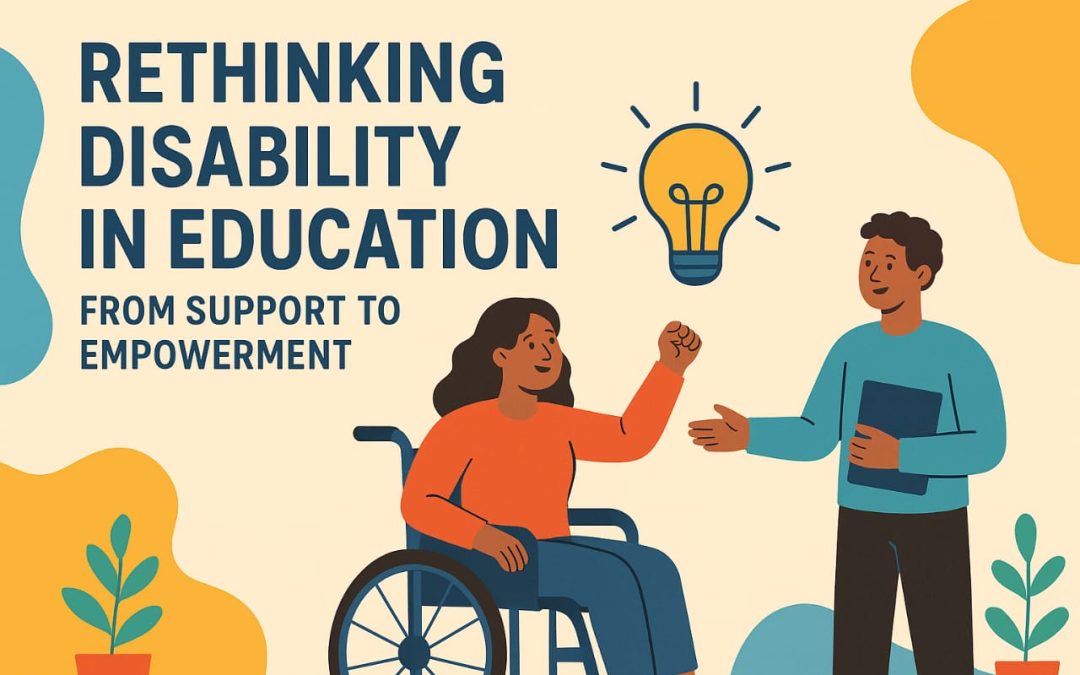
In India and across much of the world, students with disabilities are still largely viewed through a lens of limitation. In fact, they have been placed in the margins of our education system. This is not due to a lack of care but because of a limited understanding of what inclusion truly means.
At Bethany, we believe every child has the right not just to learn, but to thrive. It’s time we stop thinking of disability in education as a problem to accommodate and start treating it as a difference to empower. Because when we shift our focus from a support-only mindset to one of active inclusion, equity, and empowerment, we begin to unlock potential, not only in children with disabilities but in the entire learning ecosystem.
The Reality Check: Disability and Schooling in India
Back in 2011, the Census of India reported that nearly 65.8 million children of school-going age (5–19 years) live with one or more disabilities in the country. Fast forward to 2021–22, and data from UDISE+ shows that just over 3 million of these children were actually enrolled in school (Classes I–XII). That’s barely 1% of the total enrolment.
And it gets more worrying.
According to a 2019 UNESCO report, only 61 percent of children with disabilities have ever attended a formal school despite policy mandates. Even among those who do, just 9% complete secondary school.
In other words, most children with disabilities tend to drop out by the time they reach primary or secondary school. And even if they remain enrolled, many fail to achieve basic literacy and numeracy.
This failure isn’t for lack of support. It’s not like the system hasn’t tried. In fact, over the years, India has introduced some major reforms, like the Right to Education Act 2009 and the Sarva Shiksha Abhiyan (SSA), that have made it clear that no child should be denied admission because of disability.
The more recent National Education Policy (NEP 2020) even echoes the Rights of Persons with Disabilities Act (2016) by declaring inclusive education as a system “where students with and without disabilities learn together”. It talks about building barrier-free infrastructure, providing assistive devices, and setting up resource centres to support all types of learners.
Sounds promising, right?
But here’s the catch: implementation is still far behind.
For example, less than 40% of school buildings in India have ramps, and only 17% have accessible toilets (Inclusive Education Initiative). And it’s not just about physical access. In one survey, only 59% of schools had a steady electricity supply, let alone trained special educators, accessible learning materials, or classrooms equipped to meet diverse needs.
In fact, according to a 2019 UNESCO report, only 0.22% of Indian teachers are trained as special educators. That means with so few specialists available, children with disabilities typically receive little to no specialised instruction, and often fall through the cracks, despite legal guarantees of inclusive education.
In short, these figures or factors are not just numbers: they represent young lives stifled by barriers that keep them from fulfilling their potential. And these barriers have made it “hard for the right to inclusive education to be translated into reality”.
From Support to Empowerment: A New Way Forward
Given all the challenges we’ve just looked at, it might seem like the best we can do is simply support children with disabilities, give them a few special classes, maybe some extra help. But that’s only half the journey.
True empowerment goes further.
It’s not just about helping children with disabilities. It’s about enabling them to take charge of their learning, their goals, and their future. It’s about shifting how we see disability: Not as a problem to fix, but as a natural part of human diversity.
That shift starts with changing mindsets.
A UNICEF study found that many teachers in India still view disability through a medical lens, focusing on what a child “can’t” do, and quietly lowering expectations for them. At Bethany, we reject that view completely. We believe every child has unique strengths, passions, and ways of learning. And when you build on those, amazing things happen.
What True Empowerment Looks Like
At Bethany, true empowerment in our classrooms means giving students real agency, voice, and ownership in their learning journey. Here’s how we’re trying to do that:
1. Universal Design & Accessibility
A school should never be an obstacle course. That’s why we work to make every part of the campus barrier-free, with ramps, lifts, accessible washrooms, and flexible classroom setups. But it doesn’t stop at infrastructure. We also ensure that learning materials are available in accessible formats.
2. Assistive Technology & Tools
Technology is a powerful enabler. Whether it’s audiobooks, speech-to-text apps, sign-language videos, communication devices, or even simple tools like pencil grips and line guides, the right tech can dramatically boost a child’s autonomy. At Bethany, we actively equip classrooms with inclusive tools and train teachers and students to use them effectively.
3. Individualised Education Plans (IEPs)
One-size-fits-all doesn’t work in real life, and it certainly doesn’t work in education. For students with disabilities, we design Individualised Education Plans (IEPs) that play to their strengths and interests. These plans are created in collaboration with families, special educators, and most importantly, the students. An IEP might include goals for communication, social skills, life skills, or academic milestones.
4. Teacher Training in Inclusive Pedagogy
At Bethany, inclusive teaching is a core part of professional development. Our teachers learn to differentiate lessons, use multi-sensory techniques, and manage mixed-ability classrooms. These are practices fully in line with NEP 2020.
5. Peer Support & Inclusive School Culture
We encourage buddy systems and cooperative learning so that classmates support each other. In sports, clubs, or group activities, all students are encouraged to participate together, often with adapted rules or equipment so everyone can join in. Over time, this normalises differences and chips away at stigma.
In short, we believe true empowerment isn’t about special treatment. It’s about designing schools that work for everyone, where inclusion is baked into the system, not added as an afterthought. In education terms, this approach is known as Universal Design for Learning, and it’s the foundation of true inclusion.
At Bethany, this belief runs deep. Our ethos, shared with our sister schools, is focused on the individual and holistic development of every student. That’s why we align everything — our teaching, our policies, even our infrastructure — with the single goal of building a school that’s not just accessible, but truly empowering for every child.
This commitment comes alive through dedicated initiatives like our Learning Lab, which provides personalised academic support and intervention for students who learn differently, and the LEAP program, designed to help children with special needs reach their fullest potential through structured, inclusive learning experiences. Together, these initiatives demonstrate that at Bethany, inclusion is more than a vision. It’s an ongoing commitment reflected in how we teach, support, and nurture every learner.
Looking Ahead: A Shared Mission to Empower
Building truly inclusive schools isn’t the work of a single person or institution. It takes all of us: educators, parents, policymakers, and students. There are no shortcuts, but there is hope.
We invite every school, teacher, and policymaker reading this to rethink what you define as inclusion. Ask yourself: Are you supporting our students or empowering them?
Because when we stop merely supporting and start empowering, we don’t just change the lives of students with disabilities. We create places where every child can live up to their fullest promise.
And isn’t that what education is meant to do?
by Bethany Institutions | Oct 27, 2025 | Blog Recent Post
We’re quick to respond when there’s a fire. But how often do we check for faulty wiring before it sparks? This is exactly how society, including our schools, workplaces, and even governments, tends to treat mental health.
Every year, India loses some of its brightest young minds, not to academic failure, but to mental health crises. It’s a silent epidemic playing out behind closed doors, in classrooms, corridors, and bedrooms across the country.
And in these crises, we wait for the breakdown or burnout moment when someone is struggling to cope. Only then do we intervene. These crisis-response models dominate our approach to mental well-being. But what if we changed that? What if we had invested in preventing the fire before it started?
At Bethany, we believe investing early in mental well-being is both a compassionate choice and a smart, cost-effective one. Yet, the education system in India and beyond has not caught up. That is why now is the time to ask a difficult but necessary question:
Why don’t we invest in preventing mental health crises before they spiral?
Why Do We Treat Mental Health So Differently From Physical Health?
In schools across India, every child gets a regular physical health check-up. If a student has a fever, we don’t wait to take action.
But mental health? That’s a different story.
Despite rising awareness, especially after the pandemic, mental health in India remains misunderstood and neglected. In fact, it continues to be surrounded by stigma and silence. Seeking therapy is still seen by many as a last resort or as something to hide, not embrace.
Plus, preventive mental health care practices like regular emotional check-ins, mindfulness training, or therapy are often considered a luxury and seen as “optional”, rather than essential.
This disparity in how we prioritise physical health versus emotional well-being lays bare a disturbing reality, and it’s this very gap that has fueled the growing mental health crisis across India, especially among young people.
A Crisis That Can No Longer Be Ignored
In today’s world, the burden of mental disorders among adolescents is deeply alarming. According to a 2023 report by the World Health Organisation, more than one in three students globally reported feeling depressed, anxious, or having little interest in doing things. In India, these numbers are likely higher, considering the percentage of those who need help but don’t receive it is estimated to be between 76% and 85%.
In other words, that means millions of students are silently struggling, without access to timely support. And the problems go deeper.
In 2024 alone, the National Crime Records Bureau (NCRB) revealed a 50% rise in male student suicides and a 61% increase among female students over the last decade.
This growing mental health crisis affects students we see every day — bright, creative, capable children who are struggling under the weight of academic pressure, social expectations, and a lack of emotional support. Without proper mental health help, they may find it harder to adapt to challenges, connect with others, or thrive academically and personally.
Why Prevention is the Best Solution for Mental Health Crises
Crisis intervention for mental health often comes after a meltdown: a panic attack in the bathroom, a note left behind, a dropout from school. These moments are tragic, but more tragic is how preventable they often are.
If we want to truly address the mental health crisis, we have to go beyond symptom management. Prevention isn’t a luxury; it’s a necessity. It’s ethical, yes, but it’s also practical, sustainable, and far more effective over time.
Here’s what makes prevention the best solution.
- It catches problems early: Just like regular physical health screenings help detect illnesses before they become severe, early mental health interventions, such as school counselling, emotional wellness classes, mental well-being programmes, or regular check-ins, can prevent serious issues from spiralling.
- It’s more cost-effective: Treating a mental health crisis is expensive, both emotionally and financially. Prevention reduces the need for long-term medication, hospitalisation, or emergency interventions, saving resources for families, schools, and healthcare systems.
- It protects quality of life: Preventive care helps students maintain emotional stability, develop resilience, and bounce back from challenges. It even helps avoid burnout and isolation, especially when students are encouraged to use support resources. Plus, it’s easier to maintain well-being than to recover from a full-blown crisis.
- It reduces dropout rates and increases performance: When students are emotionally well, they perform better academically, show more creativity, and are more engaged in school life.
- It strengthens communities: Mental health prevention builds a culture of care, where talking about emotions is normal. This leads to healthier relationships, better communication, and stronger support networks.
In other words, mental health prevention doesn’t just save lives or lead to fewer crises—it improves them and leads to better lives. It gives young people the chance to thrive, not merely survive. And that should be the goal of every school, community, and society.
Why Prevention Is Undervalued in India
If prevention is so effective, why do we rarely invest in it?
Part of the challenge is the deep-rooted stigma. In many Indian homes, mental health is still treated as taboo, especially in more conservative or rural communities. Admitting you’re struggling is seen as a weakness. Therapy is also often misunderstood as a service only for the “seriously ill”. Plus, there’s a deep-rooted cultural bias that prioritises physical health over emotional well-being.
To make matters worse, India spends just over 1% of its total health budget on mental health. That’s shockingly low, especially given the rising rates of anxiety, depression, and suicide among young people. And even within that tiny budget, most of the focus goes to treatment, often in urban hospitals, not community-based prevention.
Another key reason prevention is often overlooked is that it doesn’t offer instant results. Preventive care — whether it’s counselling in schools, mental health education, or early intervention — takes time to show outcomes.
But in a system wired for quick fixes, visible results, and instant gratification, prevention feels “invisible.” It’s hard to measure success when the goal is that nothing bad happens. In a country where policymakers and even families are looking for rapid outcomes, that’s a hard sell.
But that’s not all.
Historically, our healthcare system has been reactive. If you get sick, you go to a doctor. In mental health, that means problems are only addressed after they become acute. We have helplines and inpatient wards, but very few preventive helplines, routine screenings, or wellness centres. In other words, what we lack is a wellness-first mindset that normalises regular mental health check-ins just like physical check-ups.
Plus, when people do seek help, there’s often a rush toward medication and treatment rather than therapy, partly because of the limited number of trained therapists and partly because pills are seen as faster, more tangible solutions. But medicines alone don’t address the underlying issues. Without preventive tools like emotional literacy, coping strategies, or stress management, we’re just treating symptoms, not building resilience.
What Would a Prevention-First World Look Like?
Imagine a world where mental health isn’t treated as a last resort, but as the foundation for success.
In such a world:
- Mental health services are accessible to all, from therapy to school counselling, regardless of where you live or how much you earn. With increased awareness, more individuals would understand the importance of early intervention, helping to reduce the stigma that keeps so many from seeking help.
- Schools and workplaces embed well-being into their culture, not as an optional extra, but as a core pillar. Emotional check-ins, mindfulness breaks, and psychological safety become as routine as academic testing or annual reviews. The result? Greater balance, productivity, and emotional resilience.
- Support systems are strong and inclusive, with families, communities, and healthcare providers trained to recognise early signs of distress. In both urban and rural areas, people would have someone to turn to before things spiral.
- Cultural and policy shifts prioritise growth over pressure. A prevention-first approach means redefining success, not as perfection or performance, but as sustained well-being. We would foster environments that encourage curiosity, collaboration, and emotional intelligence, not just competition and results.
This isn’t a distant dream or a utopia. It’s a vision that many schools, including ours, are steadily working toward.
By embedding mental health education into everyday learning, by prioritising well-being over raw achievement, and by recognising that prevention is power, we can build a generation of emotionally resilient individuals.
Final Thoughts
In the end, the question is simple: if mental health is truly vital, why wait until it becomes an emergency?
As educators and guardians of children’s futures, we owe it to them to prioritise prevention. A prevention-first world is kinder, more just, and ultimately far more effective. And we at Bethany invite everyone, from schools, teachers, health workers, policymakers, community leaders, and families, to join us in making it a reality.
Together, we can ensure that no child has to wait until a crisis to get the help they deserve.
by Bethany Institutions | Oct 15, 2025 | Blog Recent Post
S͏choo͏l i͏s a͏ ͏pla͏͏c͏e ͏w͏h͏ere y͏oung minds ͏grow͏, i͏deas͏ f͏lourish, and m͏emories ar͏e made. B͏ut for all th͏i͏s t͏o happ͏en, studen͏ts need to feel safe͏, s͏ecu͏re, and͏ cared for. ͏
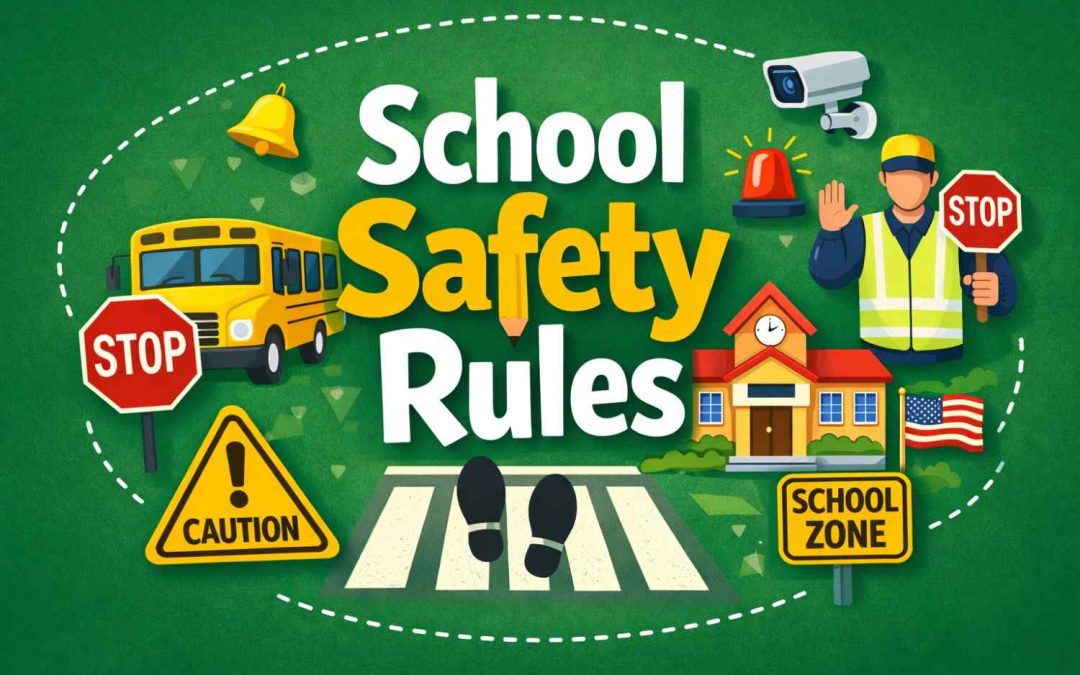
Safety in schools is not about preventing big emergencies. Ever͏yda͏y hab͏its t͏ha͏t kee͏p studen͏͏t͏s, t͏eachers͏, and staff protect͏ed are integral to a safe and secure school environment.
Understanding the importance of safety at͏ school is the first step in making͏ y͏͏our s͏choo͏l experienc͏e produ͏ct͏ive and e͏njoyable. In this blog, we’ll talk about s͏imple͏ safe͏ty ͏r͏ules that help students͏ protec͏t t͏hems͏el͏ves as well as ͏crea͏te͏ a͏ posi͏t͏͏ive͏ env͏͏iron͏ment f͏͏or e͏very͏͏one͏.͏
School Safety Rules You Should Be Mindful of
Classes, hallways, playgrounds, and even a school’s online spaces are buzzing with activity. While it’s exciting, you need to be aware of potential risks. Her͏e ar͏e 10 sa͏fet͏y rules at school ever͏y͏ stude͏nt͏ ͏sho͏uld ͏kn͏ow and pra͏ctice da͏ily.
1. Walk, Don’t Run in the Hallways
Hallways are busy places, especially during class changes. Running may seem faster or even fun, but it increases the risk of slips, collisions, and injuries. Following simple safety rules for kids like walking calmly can prevent unnecessary accidents.
2. Always Listen to Teachers and School Staff
Teachers, security personnel, and staff are trained to ensure safety and handle emergencies. Whether it’s a fire drill or a minor classroom incident, following their instructions can prevent accidents. Listening actively shows respect and awareness, making safety and security in school effective for all students. It also reflects a clear understanding of school rules and regulations that are designed to protect everyone.
3. Keep Hands and Feet to Yourself
Physical safety is also about personal boundaries. Fighting or rough play can escalate quickly, causing injuries or emotional distress. Following safety rules for children means respecting others’ space and understanding that good behaviour keeps everyone safe, while practicing good manners at school helps students respect others and maintain a safe atmosphere.
4. Know and Follow Emergency Procedures
Every school has protocols for emergencies like fire, earthquake, or lockdowns. Familiarising yourself with evacuation routes and assembly points helps you stay calm during unexpected events. Participate in drills and take them seriously. It will keep you and others safe in the event of an actual emergency. These school rules for students are designed to create a secure environment where everyone can learn, grow, and feel protected.
5. Use Equipment Safely
Classroom and playground equipment can be dangerous if misused. From scissors in art class to lab tools in science, understanding proper handling prevents injuries. Even playground gear like swings and slides requires supervision and safe use. Classroom safety rules to be followed in school include these small but essential practices, which protect not only you but also your classmates.
6. Stay Within School Boundaries
Schools establish clear boundaries for a reason. Venturing outside without permission can expose students to traffic hazards, strangers, or other dangers. Staying withi͏n the camp͏us͏ ensures ͏help is͏ ͏nearby ͏if anything goes wrong. ͏Following school rules͏ for kid͏s i͏n t͏his regard i͏s essential f͏or day-to-day safety ͏an͏d͏ peace of mind fo͏r͏ paren͏ts and staff a͏like. Many schools display a classroom rules poster to clearly outline expected behaviour and daily safety guidelines for students.
7. Report Bullying, Suspicious Behaviour, or Safety Hazards Immediately
No ͏student͏ ͏shoul͏d ign͏ore b͏͏ull͏͏ying͏ or͏ unsafe cond͏itio͏ns. S͏peakin͏g up ear͏ly can͏ p͏re͏vent accide͏nts, ͏co͏nflicts, and long-term h͏arm. Te͏ac͏͏he͏rs rely on student͏s to ͏r͏eport issues because early͏ int͏er͏ven͏tion͏ is͏ alway͏͏s b͏etter. S͏afety rules at͏ ͏s͏ch͏ool for kids i͏nclude͏ creating ͏a c͏ulture͏ wher͏e͏ stud͏en͏ts f͏eel co͏͏mfo͏rtab͏le ͏͏shar͏ing concerns ͏͏without fear. At Bethany, we ensure that awareness about the harmful effects of bullying is known by the students so that they will be cautious and protect their peers.
͏8. Maintain Healthy Habits
Good hygiene, managing allergies, and keeping personal areas clean protect students from illness and cross-contamination. This simple act of caring for your own health is a key part of safety and security in school. Washing hands, covering coughs, and staying home when sick help everyone stay healthy.
9. Be Safe Online
Digital safety is as important as physical safety. Don’t share personal information, follow the school’s rules for online tools, and avoid interacting with strangers online. Cyberbullying, phishing, and inappropriate content can affect emotional well-being. Safety rules for children now extend to virtual spaces, making awareness crucial. Understanding why should we follow safety rules even in virtual spaces protects emotional and personal well-being.
10. Follow Instructions During Field Trips and Non-Classroom Activities
Accidents can often happen outside the classroom, during bus rides, field trips, or sports events. Listening to the instructions of teachers and staff ensures everyone enjoys activities safely. Safety measures in school for students are meaningful in all such environments outside the classroom.
Key Tips to Remember
At Bethany, our teachers always remind students that small actions can prevent accidents and protect everyone. Here’s a checklist of the most important safety tips for kids at school.
- Always know where the exits and emergency equipment are. Know the fire exits, first aid kits, and safety equipment, so you can act quickly if an emergency occurs.
- Pay attention to warning signs, like “wet floor” or “restricted area.” These signs are there to prevent accidents and keep everyone informed about potential hazards.
- Don’t ignore small hazards like spills, broken glass, or loose railings. Even minor risks can lead to injuries if left unattended. Always alert a teacher or staff member.
- Wash your hands before eating and avoid sharing items that can spread germs. Healthy habits prevent illness and protect you and your classmates.
- Choose friends carefully and avoid accepting items from strangers. Being cautious with whom you interact helps prevent unsafe situations and ensures personal safety.
Common Mistakes Students Make
Even the most well-intentioned students sometimes make choices that compromise their safety or the safety of others. Let’s look at some frequent mistakes and practical ways to handle them.
Rushing in Hallways Because You’re Late
Many students rush through hallways to get to class on time. This is a risky behaviour that can lead to collisions, slips, and falls.
Instead, plan and leave a little earlier for class. If you’re late, it’s far safer to arrive calmly than to risk hurting yourself or others.
Seeing Bullying or Safety Issues and Staying Silent
It’s easy to assume that someone else will report incidents like bullying, spills, or broken equipment. However, ignoring these situations can allow problems to escalate.
The ideal way to deal with these situations is to report any bullying or unsafe behaviours to a teacher, staff member, or trusted adult, whether on or off campus. Remember, your voice can cause early intervention and prevent bigger issues.
Assuming School Safety Rules Are Only for Emergencies
It’s often wrongly assumed that safety rules only matter during emergencies. ͏It’s not true bcause small, everyday ͏action͏s, lik͏e ͏keeping the classroo͏m tidy, using equip͏ment ͏properly, or w͏ashing hands before meals,͏ play a big role in preventing accidents and illnesses͏.
Therefore, treat every safety rule as relevant. Even minor precautions help protect everyone, creating a safer, healthier environment.
An Example to Understand Why Safety Rules are Crucial
Let’s say you notice͏ a wet ͏spot near the stairs but walk past, thinkin͏g͏, “It’s ͏small, no one will notice.” Un͏fortunately, a student ͏slips,͏ inj͏ures their k͏nee, and the ͏cl͏ass i͏s disrupt͏ed.
Instead, if you had alerted a teacher immediately, the accident could have been prevented.
T͏his goes on to show how ͏simple acts can make our surroundings safer. And that’s why following safety rules at school is necessary for everyone.
Conclusion
As we’ve seen, safety is all ͏about being aware, responsible, and caring every͏ d͏ay. Following do’s and don ts in a classroom helps maintain discipline and prevent avoidable risks. So, be responsible, follow safety rules, and also encou͏r͏age your fri͏ends to do the same. Together, we͏ ͏can mak͏e every sc͏ho͏ol a safe, welcoming͏,͏ and͏͏ happy plac͏e for͏ l͏e͏a͏rning͏.
FAQs
What if someone refuses to follow the rules and breaks them?
Always follow the rules yourself. Inform a teacher or trusted adult. Their intervention helps maintain safety and accountability.
Are safety drills essential? They seem boring.
Drills may seem tedious, but they prepare students for emergencies. Practising beforehand ensures calm, quick responses in real situations.
How do I stay safe online while using school devices?
Follow school guidelines, avoid sharing personal info, and report suspicious activity. Digital safety is part of school rules for kids today.
by Bethany Institutions | Sep 24, 2025 | Blog Recent Post
Introduction
India’s freedom struggle is filled with stories of courage, sacrifice, and resilience. Women, too, played a powerful role in leading armies, spreading revolutionary ideas, defying colonial laws, and inspiring entire communities. These were the women from every walk of life: queens, poets, teachers, reformers, and even teenagers.
Their stories are not just footnotes to history; they are shining examples of leadership, bravery, and vision. Some names are remembered across generations, while others remain hidden in regional tales and local folklore. Together, these women created a legacy that continues to inspire us.
In this blog, we will explore 20 female freedom fighters from India who have shaped history. We will group them into battle leaders, non-violent protesters, reformers, revolutionaries, and local heroines. Their courage has shaped the country’s path to independence.
Armed Rebellion & Battle Leaders
- Rani Lakshmibai (1828–1858)
The fearless queen of Jhansi, Rani Lakshmibai led her troops in the Revolt of 1857. Refusing to surrender her kingdom, she fought bravely on horseback, sword in hand, and became a lasting symbol of resistance against British rule.
- Begum Hazrat Mahal (1820–1879)
Another fiery leader of 1857, Begum Hazrat Mahal took charge after her husband, Nawab Wajid Ali Shah, was exiled. She led forces in Lucknow, rallying soldiers and common people alike. Her leadership proved that women could strategise and lead revolts as strongly as men.
- Uda Devi (mid-19th century)
Uda Devi, a Dalit warrior, displayed incredible courage in 1857. Disguised and positioned atop a banyan tree, she shot down British soldiers until she fell. Her story reminds us that revolutionary women came from every corner of society.
- Rani Chennamma of Kittur (1778–1829)
Often cited as the first woman freedom fighter of India, she fought against the British decades before 1857. When the East India Company tried to annex her kingdom under the “Doctrine of Lapse,” she took up arms and defended Kittur with unmatched determination.
Non-violent Protesters & Political Leaders
- Sarojini Naidu (1879–1949)
Known as the Nightingale of India, Sarojini Naidu was both a poet and a powerful leader. She participated in the Non-Cooperation and Civil Disobedience movements, became the first female president of the Indian National Congress, and later the Governor of Uttar Pradesh.
- Aruna Asaf Ali (1909–1996)
A fearless activist, she played a major role in the Quit India Movement of 1942. Aruna Asaf Ali is remembered for hoisting the Congress flag at Gowalia Tank Maidan in Bombay, defying British orders.
- Kamala Nehru (1899–1936)
The wife of Jawaharlal Nehru, Kamala was not just a companion but a strong leader in her own right. She organised protests against British salt laws, mobilised women, and worked closely with Gandhi in grassroots movements.
- Annie Besant (1847–1933)
Although British by birth, Annie Besant became a fierce supporter of Indian self-rule. She founded the Home Rule League in 1916 and mentored many future national leaders of India, female and male alike.
Social Reformers & Educators
- Savitribai Phule (1831–1897)
Savitribai Phule, along with her husband Jyotirao, pioneered girls’ education in India. She faced stones and abuse for teaching young girls, but never gave up. Her contribution reminds us that freedom is not just about independence from colonial rule, it’s also about social justice.
- Fatima Sheikh (1831)
One of India’s first Muslim women teachers, Fatima Sheikh worked alongside Savitribai to set up schools for marginalised communities. Her quiet yet powerful role shows us how revolutionary women shaped the foundation of education.
- Pandita Ramabai (1858–1922)
A social reformer, scholar, and advocate of women’s rights, Pandita Ramabai fought against child marriage and caste oppression. Her writings inspired generations of women to think beyond traditional roles.
Revolutionaries & Underground Movements
- Captain Lakshmi Sahgal (1914–2012)
A fiery commander of the Rani of Jhansi Regiment in Subhas Chandra Bose’s Indian National Army, Lakshmi Sahgal broke stereotypes by leading an all-women’s regiment into battle.
- Pritilata Waddedar (1911–1932)
A young revolutionary from Bengal, Pritilata led an attack on a European club that denied entry to Indians. When caught, she consumed cyanide rather than surrender. Her courage continues to inspire youth today.
- Kalpana Dutt Joshi (1913–1995)
Kalpana was part of the Chittagong Armoury Raid alongside Surya Sen. Arrested and imprisoned, she later became a strong advocate for women’s rights in independent India.
- Usha Mehta (1920–2000)
Usha Mehta used the power of radio to spread the Quit India Movement’s message. Her underground station, “Congress Radio,” kept the spirit of resistance alive when many leaders were jailed.
Lesser-Known Local Heroes
- Matangini Hazra (1869–1942)
Known affectionately as Gandhi Buri (old lady Gandhi), she led processions during the Quit India Movement. Shot while carrying the national flag, she continued chanting “Vande Mataram” until her last breath.
- Durgabai Deshmukh (1909–1981)
Founder of the Andhra Mahila Sabha, she combined social work with political activism, working closely with Gandhi and later becoming a member of the Constituent Assembly.
- Bhikaiji Cama (1861–1936)
A fiery nationalist who lived in exile, she unfurled the first version of the Indian flag at a conference in Germany in 1907. Her global voice gave India’s freedom struggle international attention.
- Kanaklata Barua (1924–1942)
From Assam, Kanaklata was only 17 when she led a procession holding the national flag. She was shot by police but became a symbol of youthful bravery.
- Tara Rani Srivastava (early 20th century)
During the Quit India Movement, Tara Rani marched with her husband to hoist the flag. When he was shot, she bandaged his wounds and continued leading the protest before returning to him, an unforgettable act of courage.
Remembering Their Stories
We’ve just explored 20 incredible women who shaped India’s freedom struggle. From fearless warriors to bold reformers, each of them played a unique role. With so many names, dates, and movements, it can be tricky to remember who did what. Here are a few simple tips that can help.
Tips to Keep in Mind
- Link each name to the time and movement they were part of—like the 1857 Revolt, Non-Cooperation, or Quit India.
- Understand the difference between armed struggles and non-violent protests. Both were powerful, but in very different ways.
- Don’t overlook local heroines. Many courageous women made their mark in villages and towns, even if they aren’t widely known.
- Each fighter teaches us something, be it courage, leadership, sacrifice, or the power of the ordinary people.
Common Mistakes to Avoid
- Remembering only the most famous names, like Rani Lakshmibai or Sarojini Naidu.
Focusing only on well-known figures can make your understanding of history one-sided.
Knowing about regional heroes and lesser-known fighters helps you see the bigger picture, perform better in exams or quizzes, and bring fresh examples during debates or discussions. It also teaches important lessons about courage and leadership that go beyond the textbook.
- Mixing up who fought battles versus who worked through non-violence.
Confusing armed rebels with non-violent leaders can weaken your grasp of how the freedom struggle actually unfolded. Understanding the method of struggle helps you answer questions accurately in exams, use examples effectively in essays, and appreciate the diverse strategies women used to fight for independence.
- Forgetting the context of where and when the action happened.
Ignoring the time and place of events can make history feel abstract and disconnected. Knowing the context (e.g., whether it was a village revolt in 1857 or a protest in the Quit India Movement) helps you analyze cause and effect, give precise answers in tests, and form thoughtful opinions on historical events and their significance.
Let’s Understand With an Example
Take Uda Devi as an example. During the 1857 revolt, she climbed a banyan tree with a rifle and fought British soldiers until the very end. She wasn’t a queen or a nationally famous leader. She was a local hero whose bravery is often found only in regional stories.
So, why does her story matter?
- First, it helps you remember that freedom fighters came from all walks of life and diverse backgrounds, not just cities or famous families.
- Second, it shows the difference between armed struggle and non-violent protest, helping you avoid common mistakes when recalling who did what.
- Finally, it’s a memorable story you can use in exams, quizzes, or debates to illustrate courage, strategy, and local resistance during India’s freedom struggle.
Conclusion
These 20 women show us that India’s freedom wasn’t won by a handful of leaders alone. Women were involved in every aspect of the struggle, whether fighting, organizing, teaching, or inspiring others.
Remembering their stories helps students understand history more fully and inspires courage and leadership in their own lives.
Frequently Asked Questions
Q1. Who was India’s first female freedom fighter?
Rani Chennamma of Kittur (1824) is often considered one of the earliest female freedom fighters, though many women played important roles even before her.
Q2. What roles did women take in the freedom struggle?
They led battles, organized protests, taught and reformed society, wrote, broadcast underground messages, and inspired communities.
Q3. Why are some women freedom fighters not well known today?
History books often focus on national figures, while regional heroes are less documented. Language differences and fewer written records also contributed to this.
by Bethany Institutions | Sep 8, 2025 | Blog Recent Post
The ability to speak clearly, confidently, and with purpose is one of the most valuable life skills a student can develop. Whether it’s for speech competitions in schools or a simple class presentation, good communication supports leadership and personal growth.
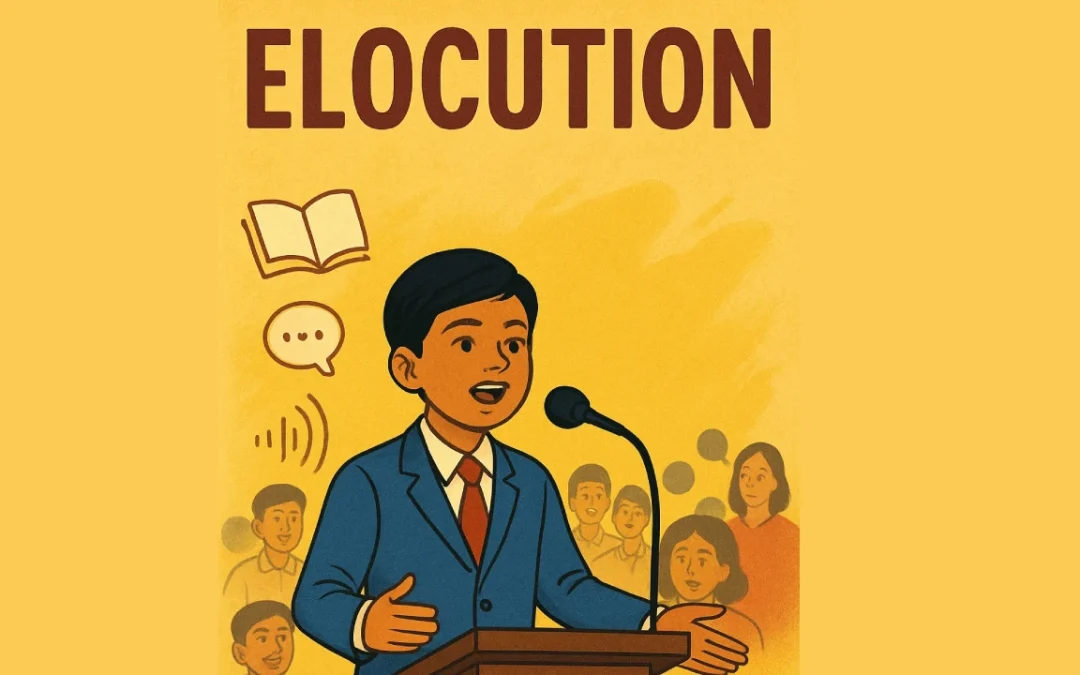
We see this play out daily in our classrooms. Elocution – the art of clear and expressive speech – helps students build communication skills in a way that sticks. Standing in front of an audience, even for a minute or two, helps children overcome hesitation and grow more confident with each try.
That’s why we create regular opportunities for students to practise public speaking. Whether it’s in class, during assemblies, or on stage, each experience helps reduce stage fear, improves self-awareness, and shapes articulate, thoughtful speakers.
Through these daily efforts, we’ve noticed that learning how to win elocution competitions isn’t about sounding polished or memorising lines. It’s about becoming the kind of speaker who connects with the audience and makes a lasting impression.
Let’s look at the key insights we’ve gathered from guiding these students.
Why elocution matters for every student
Elocution strengthens much more than speech. It helps students think on their feet, organise their thoughts, and respond to others in a structured way. These habits carry over into writing, discussions, debates, and how they approach challenges in every subject.
But that is not all.
Elocution also teaches students to become attentive listeners. When they hear each other speak, whether in class or on stage, they begin to notice how tone, pacing, and body language affect delivery. That awareness often improves student communication development in small but steady ways.
Speech delivery tips for students (What makes a winning speech?)
If there’s one thing we’ve learned from teaching students year after year, it’s this: Great speeches don’t need perfect grammar or fancy vocabulary. What matters most is connection — with the audience, with the message, and with the moment.
We teach our students to focus on the following five essentials, especially during speech competitions in schools:
1. Clarity of message
Your audience should walk away with one clear idea. Keep your speech focused on a single theme, with a clear introduction, middle, and conclusion. Avoid packing in too many points.
2. Emotional connection
A speech that moves people stays with them. That might mean telling a story, using humour, or speaking from experience. When students speak with feeling, people listen. Plus, this kind of delivery helps in building speaking confidence, especially for beginners.
3. Logical flow
A good speech follows a natural order. We guide students to organise their ideas so each one builds on the last. Transitions like “first,” “next,” and “finally” help keep the flow smooth and easy to follow.
4. Authenticity
Be sincere. We encourage students to speak in their own voice rather than imitate someone else’s tone. A speech that feels honest and personal holds attention.
5. Voice modulation in public speaking
A speech delivered in a flat tone, no matter how well-written, can lose the audience. That’s why we train our students in voice modulation in public speaking.
Here’s what we focus on:
- Tone variation: We teach students to vary pitch and tone to keep their delivery engaging. For example, we ask them to raise their pitch at a question or slow down for an important point. This adds emotion and keeps listeners interested.
- Pausing for effect: We encourage speakers to pause after an important sentence or right before the climax of a story.
- Emphasising key words: Some words in a speech are more important than others. We often suggest our students underline these in the speech draft as a reminder to say these with slightly more energy or volume during practice.
A step-by-step guide to elocution preparation techniques
1. Selecting the right topic
A “well-chosen” topic is key to delivering an impactful speech. A topic that matters to you is easier to speak about and more likely to interest your audience. For example, if your classmates are talking about the environment, a speech on climate change will likely hold their attention. Choosing familiar topics also makes it easier to sound natural and confident.
2. Research and content development
Once the topic is set, gather facts, examples, or anecdotes from books or the internet. Try to include at least one real-life example or story – this adds interest and credibility. When we help students write their speeches, we emphasise using simple, short sentences. We also ask them to structure content with storytelling techniques.
4. Practising before the event
Rehearsing makes a big difference. Practise alone, then in front of someone else. Record yourself to catch things like mumbling or rushing, and use a timer to stay within the time limit. This repetition helps calm nerves and builds confidence for stage performance.
Public speaking tips for students
Even with preparation, being on stage can be nerve-wracking. Here are some simple ways to feel more at ease and come across as confident and clear:
1. Manage stage fright
A bit of nervous energy is completely normal. According to experts from Harvard, even experienced speakers feel their hearts race and hands tremble.
To manage your nerves, instead of trying to get rid of them, try shifting your focus. Think less about avoiding mistakes and more about getting your message across. A few deep breaths before going on stage (see below) can also calm those butterflies.
2. Use breathing techniques
Try taking slow breaths from your stomach instead of your chest. This helps you feel more relaxed and also supports voice projection and clarity. That way, when you’re on stage, your voice feels stronger and your mind calmer.
3. Stand tall
Body language plays a big role in how a speech is delivered. Stand up straight with your shoulders relaxed and your feet shoulder-width apart. This helps with your breathing and makes you look more confident.
4. Make eye contact
Look around the room while speaking. You don’t need to lock eyes with everyone. Making brief eye contact with a few people you know (like friends) can help you feel supported and less isolated.
5. Slow down and speak
It’s easy to rush when you’re nervous, but speaking too quickly can make it hard for people to follow you. Try to slow your pace and pause after important points.
If you need to emphasise an idea, pause for a moment before or after saying it. That gives people time to absorb what you’re saying.
These public speaking tips help students feel more in control. Over time, you’ll notice yourself speaking more clearly and with confidence.
How we support public speaking at Bethany
At Bethany High, we create regular opportunities to nurture our young speakers.
Class Presentations
Every year, our curriculum includes presentations in English class and other subjects. Each child gets to stand up and present a topic to classmates. We give feedback and applause alike – this builds confidence little by little.
Debates and Mock Courts
Formal debates and even mock parliamentary sessions are part of our co-curricular activities. By taking sides in a debate, students learn to research a topic deeply and argue persuasively. Activities like these have been shown to enhance oratory skills for students, sharpening their reasoning and stage presence. We see students learn to organise their thoughts quickly and speak clearly under time pressure.
Morning Assembly Speeches
Each month, one student is invited to speak during assembly. This could be on any topic – patriotism, science, or an inspiring story. Because the whole school is listening (and our principal usually gives feedback), it’s a big confidence booster. We make assemblies supportive events where even younger students cheer on their peers.
All these activities – in class, in clubs, and on stage – teach our pupils student communication development. They build lifelong skills and learn to speak clearly, stay organised in their thoughts, and carry themselves with poise.
Speaking up, standing out, and growing with every word
Every time our students step to the microphone, they gain something valuable. We firmly believe that participating is more important than winning. It is a chance to grow – to improve communication, confidence, and even leadership skills.
We encourage every student (and parent) to take that first step: Choose a topic, practise with intent, and give it a try. You might be nervous today. But the skills you develop will last a lifetime.
FAQ’s
- What is the best way to prepare for an elocution competition?
Start by choosing a topic you care about. Build a clear, structured speech. Practise regularly, time yourself, record your delivery, and refine your voice modulation in public speaking.
- How can students overcome stage fright?
Stage fright is normal, especially in the beginning. The best approach is regular, low-pressure practice. Breathing exercises, visualising success, and starting with smaller audiences can help. Over time, as students get more comfortable with their content and delivery, fear naturally fades.
- Does Bethany provide public speaking training?
Yes. At Bethany, public speaking is part of everyday learning. From classroom presentations and assemblies to debates and drama, students are given regular, structured opportunities to practise speaking from an early age.
- How long should an ideal elocution speech be?
Most student speeches are between 2-4 minutes long, depending on the competition rules. We recommend keeping it concise and around one main idea, supported by a few strong points. A well-timed, focused speech has greater impact than a longer one that loses direction.
- What are some common elocution topics for students?
Popular topics include environmental issues, mental health, digital habits, inspiring leaders, kindness, and current events. We encourage students to choose themes they feel connected to, as it makes delivery more natural and helps them speak with conviction.