To learn more or apply for admissions in the academic year 2026–27. Click here
To learn more or apply for admissions in the academic year 2026–27. Click here
To learn more or apply for admissions in the academic year 2026–27. Click here
To learn more or apply for admissions in the academic year 2026–27. Click here
To learn more or apply for admissions in the academic year 2026–27. Click here
To learn more or apply for admissions in the academic year 2026–27. Click here
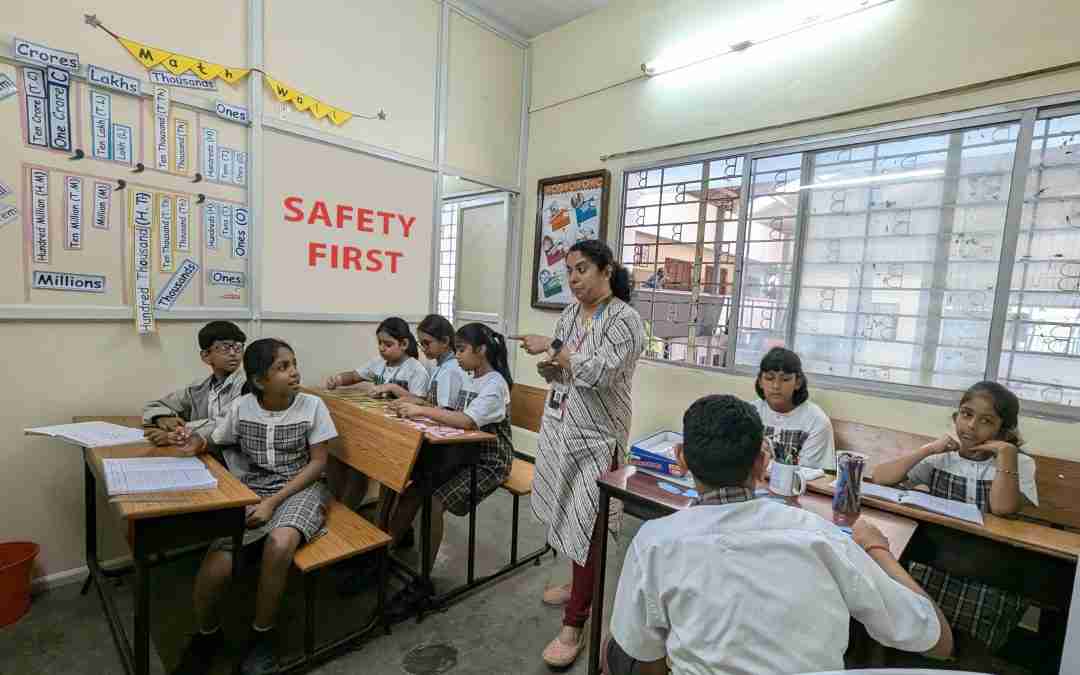
Teaching personal safety and awareness is crucial for every child’s growth and development. It ensures that children can navigate their environment securely, build confidence, and be more aware of their surroundings. This kind of education is all about empowering kids with the knowledge and skills they need to stay safe and handle difficult situations confidently.
What is Personal Safety?
Personal safety refers to the practice of ensuring that children know how to protect themselves from harm, understand safe behaviors, and know how to respond in different situations. Personal safety education empowers children to make better decisions, stay away from danger, and seek help when needed. It goes beyond just safety tips; it’s about building a mindset of self-awareness, confidence, and independence.
Basic Safety Rules Every Child Should Know
Here are some fundamental safety rules to teach children from an early age:
Know Your Name, Number, and Address– One of the first and most important rules is for children to know their full name, a parent’s contact number, and their home address. In case of an emergency, this information can help them seek help quickly. It’s also a good idea to teach them an alternative contact, like that of a grandparent or close family friend.
Do Not Eat Anything Given By A Stranger– Explain to your child that it’s not safe to accept food or treats from strangers without your permission. Teach them to politely refuse and walk away if someone they don’t know offers them anything to eat.
Do Not Climb Fences or Walk Out Alone– For their safety, children should be aware not to climb over fences to retrieve objects or wander off from familiar areas, such as their home or schoolyard. If they need something, they should seek help from a trusted adult.
No Playing or Experimenting with Fire- Teach children the dangers of fire and ensure they understand that they should never play with matches, lighters, or other fire sources. Supervision and clear boundaries around fire safety are essential.
Never Go Anywhere with a Stranger– Discuss scenarios where a stranger might ask a child to accompany them and reinforce that they should never go anywhere with someone they don’t know, even if they claim to know you. Always make it clear that you would send a known family member in case of any emergency.
Understanding Safe and Unsafe Touches– It’s essential to teach children about their body boundaries. Talk about what safe touches are, such as a hug from family, and unsafe touches that make them feel uncomfortable. Let them know that they should shout for help if anyone touches them inappropriately.
If You Get Lost, Stay Where You Are- If a child gets lost, they should know to stay in one place. Encourage them to approach another mother with children or go to the nearest counter in a public place to ask for help.
Do Not Share Personal Information with Strangers– Explain to children the risks of sharing their phone number, home address, email ID, or photographs with people they do not know. It’s important that children share such information only with your permission.
Trust Your Instincts – If Uncomfortable, Don’t Do It- Children need to be empowered to say no to anything that makes them uncomfortable, regardless of peer pressure. Whether it’s swimming without proper attire or engaging in activities they don’t like, they should know it’s okay to refuse.
Home Safety Guidelines
Children should learn how to stay safe at home as well. Teach them not to answer the door to strangers, avoid using the stove or sharp objects without adult supervision, and never share that they are home alone over the phone or online.
Kinds of Touches That Children Need to Be Aware Of
Helping children understand safe and unsafe touches is critical for their safety. Talk openly about the concept of ‘good touch’ and ‘bad touch.’ Let them know that it’s always okay to say “no” to an uncomfortable touch and that they should report any such incidents immediately.
Road Safety Tips for Kids
Road safety rules for children are essential for their everyday lives, especially if they walk or cycle to school. Teach them to:
Look both ways before crossing the road.
Use pedestrian crossings or footpaths.
Wear a helmet when riding a bicycle.
Never run across the road without checking for vehicles.
Preparing Kids for Emergency Situations
Equip children with the knowledge of what to do during emergencies. Teach them how to dial emergency numbers like police, ambulance, or fire department. Make sure they know the important details to share, such as their name, location, and type of emergency.
Conclusion
Personal safety education for kids is about empowering them to be confident, secure, and aware of their surroundings. It’s vital to introduce these concepts early on so they become a natural part of a child’s life. Keep the lines of communication open, encourage your child to share their experiences, and use age-appropriate language to discuss safety rules. Remember, these lessons on safety are not just rules but are the foundations for making them responsible and aware individuals as they grow up.
FAQs
What age should I start teaching my child about personal safety?
You can start teaching basic safety concepts to children as early as three years old, adapting the content as they grow.
What should I tell my child about interacting with strangers?
Teach them not to accept food, gifts, or invitations from strangers and to always inform a trusted adult if approached.
Should I teach my child basic first aid, and if so, how?
Yes, teaching basic first aid like cleaning a cut or dialing an emergency number is helpful. Use simple instructions and practice regularly.
How can I teach my child to cross the road safely?
Practice crossing roads together, emphasizing looking both ways, using pedestrian crossings, and staying alert.
How can I teach my child to dial emergency numbers correctly?
Make sure they know how to use a phone, the emergency numbers, and the important details to provide, such as their location and the nature of the emergency.
Keeping our children safe is a shared responsibility, and together we can ensure a secure environment for their growth and development. For more tips on personal safety for children, explore our resources at Bethany High.
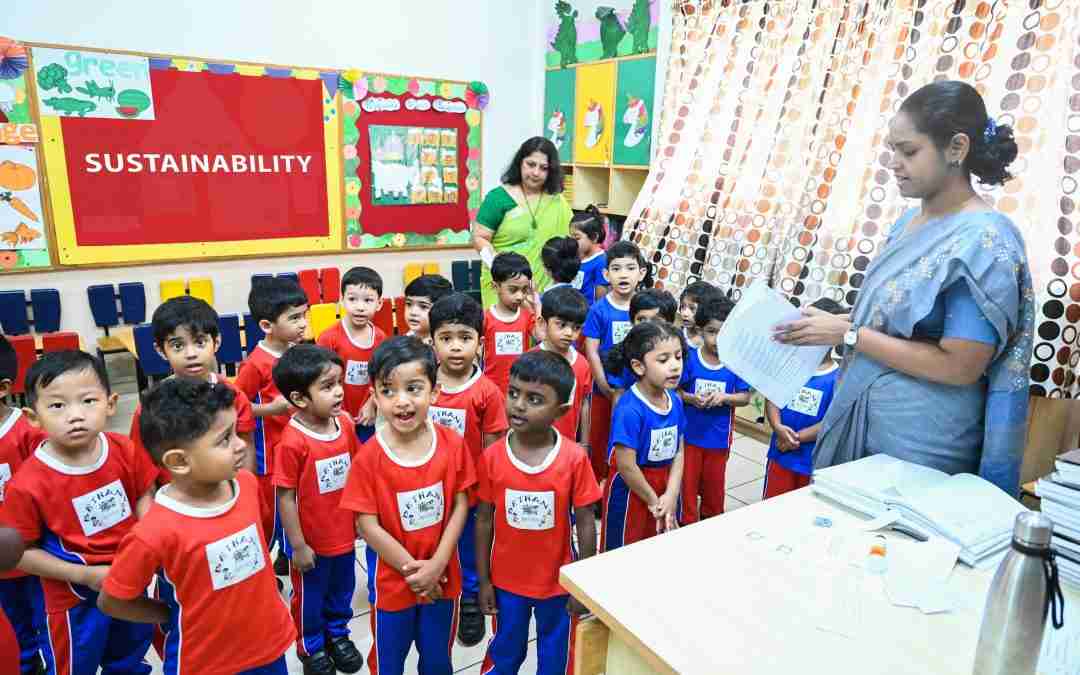
Sustainability is more than just a big word; it’s a way of life that helps ensure a better future for our planet and children. By instilling sustainable habits in kids from an early age, we are setting them on the path to becoming responsible citizens who care about the environment. But how do we make such an important concept easy and engaging for children? Through simple, everyday actions and practices, we can teach kids the importance of sustainability in ways they can understand and enjoy.
Understanding Sustainability: Simple Concepts for Kids
For children, sustainability can be described as the practice of using our natural resources wisely to make sure we don’t waste what the earth has to offer. It’s about making choices today that will not harm our environment for tomorrow. Teaching kids about sustainability involves helping them see how their actions impact the world around them, from the water they use to the waste they create.
Practical Ways to Involve Children in Sustainable Practices
The best way to teach children about sustainability is by involving them in everyday activities that promote environmental awareness. Here are a few simple steps you can take:
Set an Example
Children often mirror the actions of adults around them. By being a role model, practicing eco-friendly habits yourself, and explaining why they are important, you can encourage your child to develop these habits.
Engage in Daily Conversations
Talk to your kids about sustainability whenever the opportunity arises—be it while sorting waste, conserving water, or saving energy. You can discuss why we should turn off lights when not in use or why using a refillable water bottle is better for the environment.
Introduce the 3Rs: Reduce, Reuse, Recycle
One of the easiest ways to teach sustainability is by explaining the 3Rs: Reduce, Reuse, and Recycle. You can make a game by sorting recyclables, finding creative ways to reuse old items, or reducing waste by packing lunch in reusable containers.
Reduce, Reuse, Recycle: The 3Rs in Everyday Life
The 3Rs are foundational to understanding and practicing sustainability. They are also simple concepts that children can relate to:
Reduce: Teach kids to reduce waste by using only what they need. Encourage them to turn off taps when brushing their teeth, use paper sparingly, and take smaller portions of food to avoid waste.
Reuse: Inspire your child to find creative ways to reuse items instead of discarding them. Empty containers can become craft supplies, and old clothes can be repurposed for play.
Recycle: Make recycling a fun activity by sorting waste into different bins for paper, plastic, and metal. Show kids how recycled items can be turned into new products, helping them see the bigger picture of conservation.
Eco-friendly Habits: Building a Sustainable Routine
Developing sustainable habits early on can have a lasting impact on a child’s lifestyle. Here are a few simple yet effective eco-friendly habits to include in their daily routine:
Use a Reusable Water Bottle: Teach your child to carry a reusable water bottle, reducing the use of single-use plastic.
Carry a Cloth Bag: Encourage the habit of using cloth bags for shopping instead of plastic bags.
Plant-based Meals: Incorporate more plant-based meals into your family’s diet. This can be an exciting way to explore new recipes while discussing the environmental benefits of a plant-based diet.
Outdoor Activities to Promote Environmental Awareness
The outdoors provides a wonderful opportunity to help children connect with nature and learn about the environment firsthand such as
Gardening Together: Growing a Green Thumb
Gardening is an enjoyable activity that teaches children about the importance of plants and where our food comes from. You can start with something simple, like growing herbs in pots or planting flowers in your garden. Gardening also helps kids understand concepts like the water cycle, plant life cycles, and the role of bees and insects in pollination.
Nature Walks and Clean-up Drives
Going on nature walks or participating in clean-up drives can build a sense of responsibility and connection to the environment. During walks, talk about the plants, birds, and animals you see. Explain the importance of keeping our surroundings clean and encourage kids to pick up litter during community clean-up drives.
Teaching Sustainability Through Stories and Media
Books and media are powerful tools to engage children and help them understand complex concepts like sustainability:
Books and Stories with a Green Message
There are many children’s books that revolve around themes of nature, the environment, and sustainability. These stories can help children understand the concept of sustainability in a fun and engaging way.
Educational Videos and Apps
Children today are naturally inclined towards technology, so why not use it as a learning tool? There are numerous educational videos, documentaries, and apps dedicated to teaching sustainability, such as interactive games about recycling, water conservation, or learning about animals and their habitats.
Conclusion
Teaching children about sustainability doesn’t have to be complicated. By involving them in simple, everyday actions and making them fun, we can instill a sense of responsibility and care for the planet. Whether it’s gardening, practicing the 3Rs, or watching educational videos, every step counts in promoting a sustainable lifestyle. At Bethany High, we believe that sustainability is a key aspect of holistic education, and we aim to inspire our students to make positive choices for themselves and the environment.
For more tips on nurturing sustainable habits and other helpful guides, visit our blog at Bethany High. Together, let’s build a sustainable future for our children and our planet!
FAQs
What is sustainability, and why is it important for children?
Sustainability means using resources wisely so that we don’t harm our planet for future generations. Teaching children about sustainability is crucial as it encourages them to develop habits that are beneficial for the environment.
How early should I start teaching my child about sustainability?
You can start as early as two or three years old with simple concepts like turning off lights, using less water, or sorting waste.
What are some creative ways to reuse household items with kids?
You can turn cardboard boxes into craft projects, make planters from used cans, or use old clothes as cleaning rags.
How can I make energy-saving fun for my child?
Create a game to see who can save the most energy by turning off unused lights or electronics. Celebrate achievements with small rewards.
How does gardening help children learn about sustainability?
Gardening teaches children about growing food, conserving resources like water, and the importance of taking care of the earth.
Astronomy and space science can seem vast and complex, but introducing kids to the wonders of the universe doesn’t have to be daunting. In fact, learning about stars, planets, and the mysteries of space can spark curiosity, inspire creativity, and enhance children’s understanding of the world around them. At Bethany High, we believe that teaching astronomy for kids can be both fun and educational, opening their minds to the exciting field of space science. An educational visit to the Jawaharlal Nehru Planetarium in Bangalore sparks great interest and curiosity about the exciting world in Space for our students. Let’s explore some engaging ways to introduce young minds to the wonders of our universe.
Making Astronomy Accessible: Starting with the Basics
When teaching astronomy to kids, it’s important to start with simple concepts and gradually build on them. Begin by answering basic questions such as “What is space?” and “What are stars?” Use age-appropriate language and relatable analogies. For example, compare the sun to a giant ball of fire or describe the moon as Earth’s nighttime friend. Building a strong foundation with simple facts about stars, planets, and our solar system will help children feel more comfortable with space science and excited to learn more.
Fun and Interactive Learning Methods
Here are some interactive methods to help kids learn about astronomy and keep their interest alive:
Stargazing
One of the most magical ways to introduce kids to space is by stargazing. On a clear night, find a safe and dark place to lie down, look up, and explore the night sky. Point out constellations, the moon, and visible planets. Simple telescopes or even binoculars can enhance this experience, allowing kids to see craters on the moon and other celestial wonders. Stargazing helps children see astronomy in action and fosters a deep appreciation for the universe.
Space-themed Games and Puzzles
Turn learning into a game! Engage children with space-themed puzzles, board games, or memory-matching activities that include planets, stars, and galaxies. Games help solidify learning and make the concepts of astronomy for kids enjoyable. Additionally, scavenger hunts or space bingo can make identifying objects in the sky more exciting.
DIY Space Projects
Encouraging kids to make DIY space projects not only helps them learn but also boosts creativity and problem-solving skills. They can make models of the solar system using everyday items like clay, paper, and string. Building rockets, making a sundial to learn about the movement of the sun, or creating a homemade star projector are fantastic ways to involve them in hands-on space science activities.
Utilizing Technology and Media to Teach Space Science
Technology can make learning about space more interactive and accessible. Here are some tech-based methods to teach astronomy:
Educational Apps and Websites
Several educational apps and websites are designed specifically to teach space science to children in a fun way. From space quizzes to interactive solar system simulations, these platforms provide a wealth of information about our universe in an engaging format. Some popular apps even let kids explore space through augmented reality, where they can “travel” to different planets and stars with a tap of their fingers.
Space Documentaries and Videos
Watching documentaries and videos can be a fascinating way to explore the universe. There are countless child-friendly space documentaries that simplify complex concepts like black holes, the Big Bang, and star formation. Videos also make learning dynamic, allowing children to visually connect with the vastness of space.
Virtual Planetariums and Space Simulations
If a real planetarium isn’t accessible, virtual planetariums are a wonderful alternative. These online tools allow kids to explore the night sky, learn about constellations, and understand how the Earth rotates. Virtual space simulations provide a close-up look at planets, moons, and galaxies, offering kids a more immersive experience without leaving their homes.
The Role of Parents in Fostering a Love for Space Science
Parents play a pivotal role in fostering a love for astronomy and space science in their children. By nurturing their curiosity and encouraging questions about the stars, planets, and the cosmos, parents can help children develop a lifelong interest in the universe. Here are some tips for parents:
– Create a Space-themed Reading Corner: Decorate a small reading nook with space-themed books, posters, and glow-in-the-dark stars to make learning fun and immersive.
– Ask Open-ended Questions: Encourage your child’s imagination by asking open-ended questions like “What do you think life on Mars would look like?” or “How do you think stars are formed?”
– Plan Space-themed Activities: Whether it’s building a rocket model together or making space-themed snacks, involving children in space-related activities is a great way to nurture their interest.
Conclusion
Teaching astronomy to kids is about making learning engaging, interactive, and full of wonder. From simple stargazing nights to educational apps and DIY space projects, there are countless ways to introduce young minds to the beauty and complexity of our universe. By making space science accessible and enjoyable, we can help children develop a deep love for the cosmos and inspire the next generation of astronomers, scientists, and space explorers.
FAQs
Why should kids learn about space?
Learning about space helps kids develop critical thinking, creativity, and problem-solving skills. It inspires curiosity about the world beyond Earth and can foster a passion for science and exploration.
How can I teach my child about the phases of the moon?
One way is to observe the moon every night and keep a moon journal, drawing its shape each day. There are also apps and videos that explain the moon phases in simple terms.
What are some fun ways to teach kids about space?
Fun ways include stargazing, space-themed games, DIY projects like building a model solar system, and watching space documentaries that explain space science in a child-friendly way.
What are the best resources for teaching kids about space?
There are many great resources, including child-friendly astronomy books, educational apps, virtual planetarium tours, and online videos from platforms like YouTube and NASA’s website.
For more engaging tips on nurturing your child’s curiosity and learning, visit Bethany High’s website, where we share a variety of educational resources and articles!
Sports have always played a significant role in shaping young minds, providing more than just an outlet for physical activity. The impact of sports on students extends beyond fitness; it helps in building team spirit, developing discipline, and fostering essential life skills. In a school environment, sports not only enhance physical health but also help students grow socially and emotionally. Here, we’ll explore the benefits of sports for students and why it is so important for their holistic development.
Building Team Spirit Through Sports
Team spirit is one of the key qualities fostered through sports participation. When students play in teams, they learn to collaborate, support each other, and work toward a common goal. Whether it’s cricket, football, basketball, or even relay races, team sports instil a sense of unity, cooperation, and camaraderie. Students realise that success depends on collective effort rather than individual performance, and this understanding helps them value and respect each team member’s role.
Working as part of a team not only enhances communication skills but also encourages empathy and understanding. Students learn to celebrate victories together and cope with losses gracefully, all of which contribute to fostering sportsmanship in school.
Connection Between Sports and Discipline
Discipline is a crucial aspect of every sport. The importance of sports in education lies in the structure, routine, and rules it brings to a child’s life. From following the coach’s instructions to adhering to the rules of the game, students learn the value of discipline and self-regulation.
Participation in sports encourages time management, as students need to balance their practice sessions, school work, and personal time effectively. Waking up early for practice, maintaining consistency in training, and making time for studies help students build a disciplined lifestyle.
Moreover, sports teach students to be resilient and committed, as they must overcome challenges, injuries, and sometimes even failure. This resilience learned on the field is reflected in other areas of their lives, making them more determined and focused individuals.
Key Benefits of Sports Participation for Students
There are numerous benefits of sports for students, which include:
Physical Health and Fitness: Regular sports activities promote physical well-being. Students improve their endurance, strength, and flexibility, leading to a healthier lifestyle and better overall health.
Improved Academic Performance: Research suggests that active participation in sports can have a positive impact on academic performance. Engaging in sports helps improve concentration, mental sharpness, and memory, which contributes to better results in school.
Emotional and Social Growth: Playing sports helps students develop emotional resilience. They learn how to deal with pressure, accept feedback constructively, and handle both wins and losses gracefully. Socially, sports help students make new friends, develop a sense of belonging, and enhance their interpersonal skills.
Leadership and Responsibility: Sports often provide opportunities for leadership. Being a team captain or taking up responsibilities within the team encourages leadership qualities, accountability, and decision-making skills.
Building Confidence and Self-esteem: Success in sports boosts students’ confidence and self-esteem. Achieving goals, improving skills, and being part of a team help students believe in themselves and their abilities.
Role of Coaches and Teachers in Nurturing Team Spirit and Discipline
Coaches and teachers play a pivotal role in promoting the importance of sports and discipline among students. They serve as mentors, guiding students not just in perfecting their athletic skills but also in building character, discipline, and teamwork. A good coach can encourage students to challenge themselves, inspire confidence, and teach valuable life lessons on and off the field.
Teachers, too, contribute by encouraging student participation in extracurricular activities like sports, recognizing their achievements, and supporting their growth as well-rounded individuals.
Role of Parents in Supporting Sports Participation
Parents are essential partners in nurturing a child’s love for sports. Encouraging children to participate in physical activities, attending their matches, and celebrating their efforts—regardless of the outcome—reinforce the importance of sports in students’ lives. When parents support their children’s interests in sports, it motivates the children to stay committed and gives them the confidence to pursue their passion.
Parents can also help foster discipline by maintaining a healthy routine at home and ensuring that there is a balance between sports, academics, and leisure.
Conclusion
The benefits of sports and games go far beyond physical fitness—they play an integral role in shaping well-rounded individuals. Sports help build team spirit, teach discipline, improve focus, and promote both social and emotional development. Schools have a crucial role in integrating sports into the curriculum, and with the support of teachers, coaches, and parents, students can reap the many rewards of participating in sports.
Incorporating sports into daily life encourages young learners to develop life skills that will serve them well beyond their school years, laying the foundation for a healthy, disciplined, and active lifestyle.
FAQs
What role do sports play in child development?
Sports contribute significantly to child development by improving physical fitness, boosting confidence, developing teamwork, and teaching discipline and leadership skills.
Why is team spirit important in school sports?
Team spirit is crucial as it teaches students to work together towards a common goal, build trust among teammates, and develop social and communication skills.
How can regular sports participation help inculcate discipline?
Regular sports participation promotes discipline by encouraging adherence to routines, rules, and the importance of practice, consistency, and respect for others.
What are the benefits of sports for students?
The benefits include enhanced physical fitness, improved academic performance, emotional resilience, social skills development, leadership qualities, and increased self-esteem.
Can individual sports also help in building discipline?
Yes, individual sports such as swimming, tennis, and gymnastics also teach discipline, focus, and self-motivation as students must push themselves to achieve personal goals.
Visit Bethany High’s website for more insightful articles and tips on supporting your child’s development.
It is easy to feel left behind in today’s booming digital landscape. The Fear of Missing Out (FOMO) is a growing concern, especially among students and the younger generation. With constant connectivity through social media and the allure of digital platforms, children and youths alike are increasingly distracted by the pressure to stay updated, stay relevant, and stay online. The challenge lies not just in navigating these distractions, but in realising that missing out on certain moments or updates might not be such a bad thing after all.
FOMO, is apsychological response to the fear of being excluded or missing out on experiences, conversations, or updates that others seem to be enjoying. For students, this can lead to an unhealthy dependency on mobile phones, spending long hours scrolling through feeds or watching videos to ensure they are “in the know.” The constant distraction can take a toll on academic performance, mental health, and even relationships.
At Bethany High, we understand that addressing these modern-day challenges is crucial for our students’ overall well-being. The recent campaign by The Times of India, “In with the News, Out with the Noise,” provided a platform for students across the country to express their thoughts on this pressing issue. We are proud to highlight one of our very own students, A Prathik from Class IX, Bethany High Sarjapur, who emerged as one of the top five All India winners for his entry titled “Fight the FOMO.”
In his entry, Prathik shares his personal experience with digital distractions and offers thoughtful advice on how to manage them. He acknowledges how tempting it can be to constantly check one’s phone, even during study hours, and how it negatively affects his academic performance. His honesty and self-reflection resonate with many students who face similar struggles today.
Prathik offers a mature perspective on how to deal with FOMO effectively. He suggests acknowledging that everyone is online, and that missing out on updates or trends will not have lasting negative consequences. Instead, he encourages students to take time offline and focus on personal growth and productivity. By giving the mind a break, we can overcome the anxiety of missing out and embrace the benefits of being present in the moment.
His words reflect a deeper understanding of the digital challenges students face and the importance of self-awareness in navigating them. Prathik’s entry serves as a reminder that we are not slaves to our screens. We can take charge of our time, reduce distractions, and create healthier digital habits.
At Bethany High, we strive to empower our students to think critically about the world around them, including the impact of technology on their lives. Prathik’s achievement is a testament to the thoughtful and insightful voices emerging from Bethany High. By highlighting Prathik’s thought provoking entry, we hope to inspire more students to reflect on their digital habits and take proactive steps toward overcoming distractions. Let’s work together to combat FOMO and embrace a healthier balance in this digital age.
“FIGHT THE FOMO” by A Prathik, Class IX, Bethany High Sarjapur
“We have been discussing digital distractions at school for a while now. We even had a school assembly on this topic, where most students talked about how to tackle this problem. As a student, I spend a lot of time on my phone, and I am constantly checking it even when I should not be using it. I need to keep my phone with me while studying, and this has affected my academics. If I were younger, I think I might have been tempted to keep checking the phone and staying on devices, which can have a negative impact on the mind.
As far as dealing with FOMO is concerned, it needs to be dealt with swiftly. Acknowledge that everyone is online all the time, but missing out on small moments or updates won’t harm you in the long run. Use this time offline to focus on something more productive or growth-oriented. Reassure yourself that you are really not missing out on much when you give your mind a break. This will help reduce the fear of missing out. To break out of FOMO, start by recognising when you’re feeling it. Ask yourself, ‘Am I really missing out, or does it just seem that way?'”




 younger, I think I might have been tempted to keep checking the phone and staying on devices, which can have a negative impact on the mind.