by Bethany Institutions | Jun 13, 2025 | Blog Recent Post
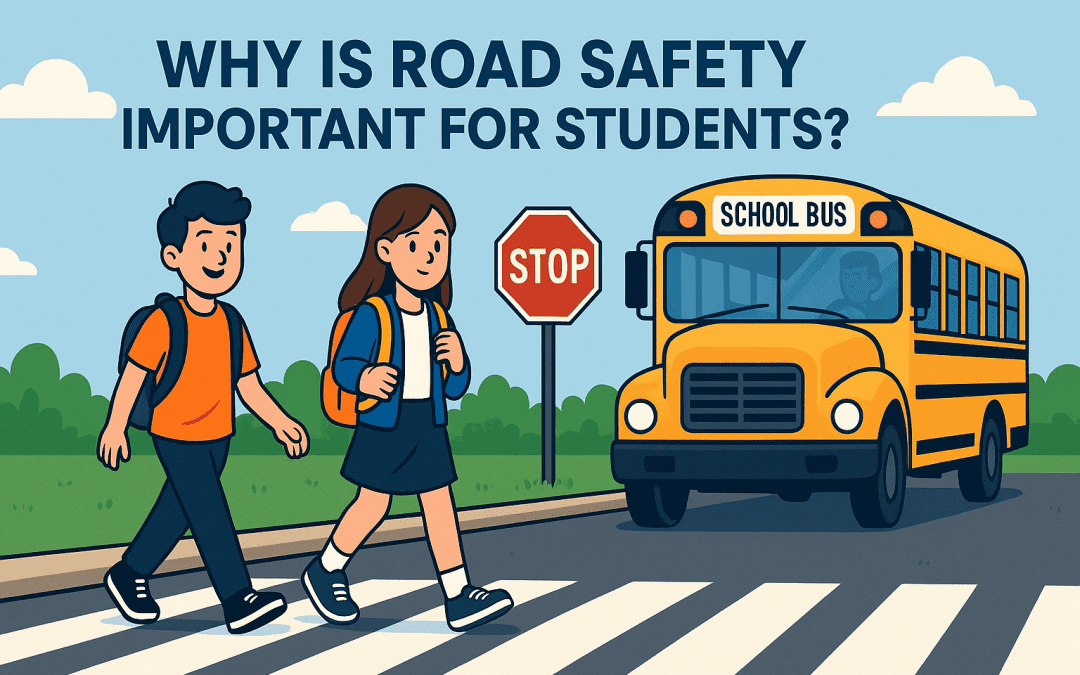
As a school, we deeply care about our students’ well-being, both inside and outside the classroom. One of the most crucial lessons we can teach our children is road safety. Every day, countless students travel to and from school, making road safety an essential life skill. Understanding the importance of road safety for students can prevent accidents, instill responsibility, and ensure a safer environment for everyone.
Understanding Road Safety
Road safety is all about following rules and precautions to prevent accidents and injuries. It includes understanding traffic signals, using pedestrian crossings correctly, and being aware of road hazards. For students, these habits must be taught from a young age so that they become second nature.
Importance of Road Safety for Kids
Children are naturally curious and energetic, which can sometimes make them unaware of the dangers on the road. Teaching road safety rules not only protects them but also empowers them to make safe choices. Road safety awareness for students is crucial because:
- It helps prevent accidents and injuries.
- It encourages responsible behavior from an early age.
- It instills a sense of discipline and awareness.
- It prepares students for independent commuting as they grow older.
Road Safety Rules in India
In India, road safety laws are designed to protect pedestrians, cyclists, and motorists alike. Some essential road safety rules include:
- Always using pedestrian crossings and footpaths.
- Following traffic signals strictly.
- Wearing helmets while riding bicycles or two-wheelers.
- Adhering to speed limits, especially in school zones.
- Avoiding distractions like mobile phones while walking or cycling.
Understanding the Risks
The consequences of ignoring road safety rules can be severe. Road accidents are one of the leading causes of injury among children. Common risks include:
- Reckless driving and over speeding in school zones.
- Jaywalking or crossing roads without looking both ways.
- Using mobile phones or earphones while walking near traffic.
- Playing on the road or running across streets without caution.
Impact of Road Accidents on Students
Road accidents can have devastating effects on students and their families. Injuries, disabilities, and even fatalities can result from unsafe road practices. Beyond physical harm, accidents can also cause emotional trauma and loss of confidence in commuting independently.
Importance of Traffic Rules in Our Life
Traffic rules are not just laws but essential guidelines that ensure everyone’s safety. Understanding the importance of traffic rules in our life helps students realize that these regulations exist for their protection. Following these rules ensures:
- Smooth and organized movement of vehicles and pedestrians.
- Reduced risk of accidents and mishaps.
- A sense of discipline and responsibility in young minds.
Road Signs for Kids
Teaching children about road signs is vital for their safety. Some common road safety signs for kids include:
- Stop Sign: Indicates a full stop before proceeding.
- Pedestrian Crossing Sign: Shows a safe place to cross.
- School Zone Sign: Warns drivers to slow down near schools.
- Traffic Light Symbols: Understanding red (stop), yellow (wait), and green (go).
- Always use pedestrian crossings.
- Look both ways before crossing the street.
- Avoid distractions like phones while walking.
- Follow traffic signals and road signs.
- Wear visible clothing when walking or cycling at night.
- Do not run across the road.
- Use seat belts in vehicles.
- Obey speed limits in school zones.
- Stay alert around parked cars and driveways.
- Learn and understand the meaning of road signs and signals.
Teaching Road Safety Awareness in Schools
Schools play a critical role in instilling road safety awareness for students. Activities such as road safety workshops, role-playing exercises, and educational videos can help children understand the importance of traffic rules. Schools can also collaborate with local traffic authorities to organize safety campaigns and awareness drives.
Road Safety Tips and Activities for Kids
Engaging children in road safety activities can make learning fun and effective. Some useful road safety activities for kids include:
- Drawing and Colouring: Encouraging students to draw road safety pictures for kids to illustrate traffic rules.
- Role-Playing Games: Acting as pedestrians, cyclists, and drivers to learn road rules.
- Road Safety Drills: Practising how to cross roads safely.
- Traffic Sign Recognition Games: Teaching students to identify road signs for kids.
Conclusion
Road safety is a shared responsibility between parents, schools, and communities. Teaching children about road safety rules and the importance of traffic rules ensures they develop safe habits that last a lifetime. By making road safety education a priority, we can protect our students and create a safer environment for everyone. Learn more about how we ensure safe travel for our students through our school transportation services.
FAQs
What is road safety education?
Road safety education involves teaching children about traffic rules, pedestrian safety, and responsible commuting habits.
Why is road safety education important?
It helps prevent accidents, instills responsibility, and prepares students for safe and independent travel.
Why should we not play on the road?
Roads are meant for vehicles, and playing on the road can lead to serious accidents and injuries.
How to create awareness on road safety?
Schools and parents can promote road safety awareness through workshops, campaigns, and interactive activities.
How to cross the road safely?
Use pedestrian crossings, look both ways, follow traffic signals, and avoid distractions while crossing.
By making road safety a priority, we can ensure that every child is safe while travelling to and from school. Let’s work together to create a culture of safety and awareness!
Learn more about our approach to student safety and holistic development by visiting our page
by Bethany Institutions | Jun 13, 2025 | Blog Recent Post
What is Parenting?
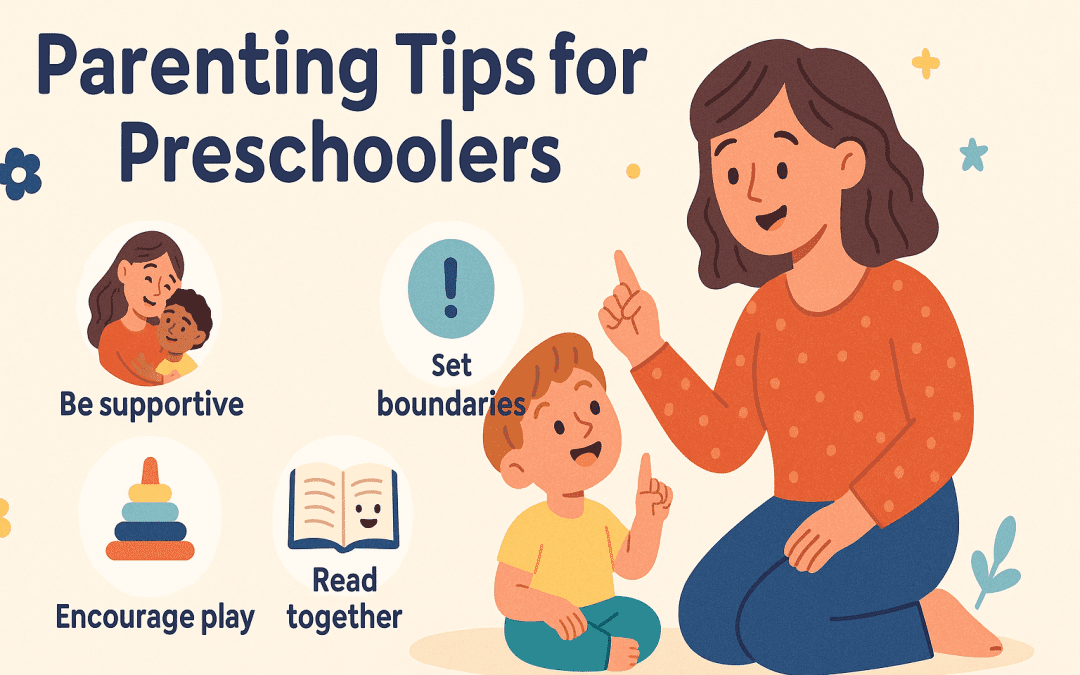
Parenting is a process of caring for young minds (Preschoolers – 3 to 6 years) to help them to grow and learn holistically. It involves commitment and dedication in a variety of skills setting the stage for success, not perfection. Parenting is a vital responsibility that shapes the future of the upcoming generation. It encompasses five essential elements of parenting (express care, share power, provide support, expand possibilities and challenge growth), emphasizing the holistic development of a child’s physical and mental well-being.
Parenting Styles
It is the general manner in which parents communicate expectations to their children. Parents develop their parenting styles from their own experiences growing up, their own personalities and influences from society and media. Realistic expectations of parents provide a supportive environment where a preschooler can thrive, learn and grow into a responsible adult. Preschoolers can benefit with this parenting approach as they will grow a strong bond with their parents, develop higher self-esteem and will be able to adapt to the new learning environment at their preschool.
Why Parenting is more important at preschooler age?
As compared to the other periods of life, the preschool years of a child are very important due to fast growth & development in all domains. They develop necessary skills for physical, cognitive and social development in these years. By the time a child is six years old, 90% of brain development has taken place.
Benefits of Positive Parenting for preschoolers:
The journey of parenting is both a privilege and a responsibility. The benefits of positive parenting can be seen through the strengthened relationship between the parent and child based on respect and effective communication.
Ø Teaching healthy emotional regulation.
Ø Providing opportunities for learning.
Ø Being a good role model.
Ø Helping them face their fears.
Ø Letting them make mistakes.
Ø Encouraging them to talk.
Ø Helping them learn problem solving.
Positive Parenting Tips for Preschoolers:
Home Environment:
Ø Assign age related chores. Take the help of the child in housework.
Ø Make them independent.
Ø Set do’s and don’ts for the child.
Parental Involvement:
Ø Playing with your child daily will develop team building skills.. Through play the child also learns turn taking and develops a sportive spirit. Taking the child to the park is a wonderful way to spend quality time as a family.
Ø Free play monitored by parents.
Ø Avoid comparisons and judgements.
Ø Teach your child to be independent, to grow up confidently. Avoid over protecting the child. However, let them be dependent on parents for meeting emotional needs.
Ø Praise desired behaviour when your child does something good thus building confidence.
Ø Help your child to come up with solutions to problems around them thus helping develop reasoning skills.
Ø Set clear boundaries and let them know the consequences.
Structured Routine:
Ø Limited gadget and screen time
Ø Monitor the diet of a Preschooler. Avoid junk and sugary food stuff. Have at least one meal a day with your child, helping them understand the importance of including vegetables and fruits in their diet.
Ø Establish a regular schedule for naps, bedtime, and wake-up time for your child. Preschoolers are recommended to get 10 – 12 hours of sleep daily, including naps.
Activities for Daily Living (ADL):
Ø Exposing the child to their surroundings.
Ø Involve the child in simple day to day chores.
Ø Teach your child how to respond to strangers and what to do if they get lost in a crowd or at a mall. Make sure they know their address, parents’ phone numbers, and how to seek help from a responsible person, such as a security guard or a police officer.
Develop Social and Emotional Skills:
Ø Set reasonable expectations and goals for the child.
Ø Allow choices like dressing or feeding themselves.
Ø Foster social skills, playdates and sharing.
Ø Avoid sleep overs at a young age unless there is an emergency.
Ø Teach your child to label his / her emotions. For eg: “ Dad I am sad ”.
Listening and Communication skills:
Ø Let them ask for what they want rather than providing them beforehand.
Ø Read a story book to enhance listening skills and create a situation for reasoning.
Ø Encourage your child to voice out and express his or her feelings.
Ø Listen to your child without interrupting. Put down distractions and listen & connect with your child.
Ø Practice communication by talking in complete sentences and use better vocabulary to develop good language skills.
Ø Encourage conversation by asking open ended questions.
- Independence / Life skills: Prepare the child for the activities for daily living (ADL Skills) like eating, recognize & differentiate the belongings, toilet training, boundaries, moral values, sleeping, routine, meet their needs independently.
- Social & Emotional: Social interaction, adaptations in a social setup, express their feeling and understand others emotions, sharing, caring, love for pets and other environmental adjustments.
- Expressive language: Encourage the child to communicate their needs in a complete sentence, read a story and ask the child to recall and retell the story.
- Physical Stamina: Perform simple workout exercises like jumping jacks, stretching and jogging with children are ways to improve stamina, ultimately it will cater to their physical fitness. Provide healthy meals including plenty of fruits, vegetables and multigrain for improving a child’s stamina. Make sure the child drinks plenty of water. Plan a structured co-curricular activity. Make a regular sleep routine.
- Mental Wellbeing: Good mental health allows preschoolers to think clearly, develop socially. Unconditional love from the parents will enhance the mental wellbeing of the child. Listening to your child narrating about their day will help them understand sequencing of events and vocabulary in a safe environment. The child will be able to face challenges and adapt to the changes he faces as he/she grows up.
Conclusion:
Every parent wants the very best for their child. Parenting the preschoolers is definitely an important time in one’s life. Involving parents to refine their young one’s social skills and to build foundation for their future learning. This will ensure parents feel confident that their preschooler is ready to move forward in life.
by Bethany Institutions | Jun 12, 2025 | Blog Recent Post
There’s something special about residential schools – they offer more than just academics; they provide an experience that shapes students for life. If you’ve ever wondered what makes the best residential schools in Bangalore stand out, it’s not just their curriculum but also the unique activities they offer. These schools go beyond books and exams to nurture creativity, leadership, and personal growth in students. In this blog, we’ll explore some of the most exciting and enriching activities available at top boarding schools in Bangalore and how they contribute to a student’s holistic development.
The Concept of Residential Schools
Residential schools, commonly known as boarding schools, differ significantly from regular day schools. In a residential setup, students live on campus, allowing them to immerse themselves fully in academics, extracurriculars, and a well-structured daily routine.
One of the biggest advantages of attending a residential school is independence. Away from home, students learn essential life skills like time management, responsibility, and resilience. They develop a strong sense of community as they live and learn together with their peers. Beyond academics, these schools focus on developing well-rounded individuals through diverse extracurricular activities.
Why Choose a Residential School?
Enrolling a child in a residential school is a big decision, but the benefits are undeniable. Here’s why many parents opt for boarding schools in Bangalore:
- Holistic Growth: Residential schools offer a balanced mix of academics, sports, and arts, ensuring students develop in all aspects.
- Structured Environment: Students follow a well-planned schedule, fostering discipline and focus.
- Diverse Exposure: With students from various backgrounds, children develop cultural awareness and social adaptability.
- Unique Activities: The best residential schools in Bangalore provide exceptional activities that enhance creativity, leadership, and life skills. These activities play a key role in shaping students into confident, capable individuals.
What Makes Residential Schools Unique?
Living on campus offers an entirely different learning experience compared to day schools. The sense of camaraderie and independence helps students grow in ways they might not in a day school setting. Additionally, residential schools focus significantly on extracurricular activities, ensuring students find their strengths beyond textbooks. From adventure sports to leadership programs, these activities provide students with opportunities to discover their passions and develop essential life skills.
Unique Activities at the Best Residential Schools in Bangalore
One of the defining factors of top residential schools is the range of activities they offer. Here are some standout programs that make them truly unique:
Outdoor Adventures
Adventure activities help students develop resilience, teamwork, and a love for the outdoors. The best boarding schools in Bangalore organize:
- Trekking and Camping: Taking students into nature to build survival skills and endurance.
- Rock Climbing and Rappelling: Encouraging physical strength and mental courage.
- Nature Exploration: Learning about biodiversity and environmental conservation firsthand.
Sports and Athletics
A well-rounded education is incomplete without physical fitness. Residential schools provide top-tier sports facilities for students to excel in various disciplines:
- Cricket, Football, and Basketball: Encouraging teamwork and competitive spirit.
- Swimming and Athletics: Enhancing endurance, coordination, and discipline.
- Martial Arts: Promoting mental and physical well-being.
Arts and Culture
Creativity is just as important as academics. Schools encourage artistic pursuits through:
- Theatre and Drama Clubs: Helping students improve communication and confidence.
- Music and Dance: Training in Indian classical, Western music, and contemporary dance.
- Visual Arts: Painting, sculpture, and photography to enhance creative expression.
Leadership and Life Skills
Many Christian boarding schools in Bangalore emphasize leadership and community engagement:
- Student Council Programs: Encouraging leadership, decision-making, and responsibility.
- Public Speaking and Debating: Building confidence and articulation skills.
- Social Service Initiatives: Teaching empathy and responsibility through community outreach.
How These Activities Benefit Students
Participating in these activities equips students with skills beyond academics. Here’s how:
- Boosts Confidence: Overcoming challenges in sports, arts, or leadership builds self-esteem.
- Enhances Social Skills: Working in teams teaches collaboration and communication.
- Develops Discipline: Structured schedules and commitments instill a strong work ethic.
- Encourages Lifelong Interests: Many students discover passions they pursue well into adulthood.
Spotlight on Notable Residential Schools in Bangalore
Several reputed residential schools in Bangalore offer exceptional activity programs. Here are a few:
- Bethany High School: Known for its well-rounded curriculum, arts and music programs as well as community service initiatives.
- Bishop Cotton Boys’ School: Offers extensive sports facilities and leadership programs.
- TISB (The International School Bangalore): Focuses on international exposure and holistic development through various extracurriculars.
- Greenwood High: Renowned for its outdoor education and sustainability projects.
These schools provide a diverse range of programs, ensuring students have ample opportunities to explore and grow.
Choosing the Right Residential School
Selecting the best boarding school in Bangalore for your child requires careful consideration. Here are some tips:
- Identify Interests: Look for schools that align with your child’s passions, whether it’s sports, music, or leadership.
- Visit the Campus: A firsthand experience of the environment, faculty, and facilities is crucial.
- Interact with Alumni and Parents: Getting feedback from those with experience can help in making an informed decision.
Real-Life Examples and Testimonials
Many students and parents have shared how residential schools have positively impacted their lives:
- “My child discovered his passion for theatre at boarding school and is now pursuing it professionally.” – Parents of a former student.
- “The outdoor adventure programs helped me develop confidence and resilience, which have helped me in university and beyond.” – Former student.
Conclusion and Call to Action
The best residential schools in Bangalore offer more than just an education; they provide an environment where students thrive through unique activities. From outdoor adventures to arts, sports, and leadership programs, these schools prepare students for a bright future.
If you’re considering a boarding school in Bangalore for your child, explore these schools, visit their campuses, and see how their programs align with your child’s interests. Have questions? Drop them in the comments, and let’s discuss!
by Bethany Institutions | Jun 12, 2025 | Blog Recent Post
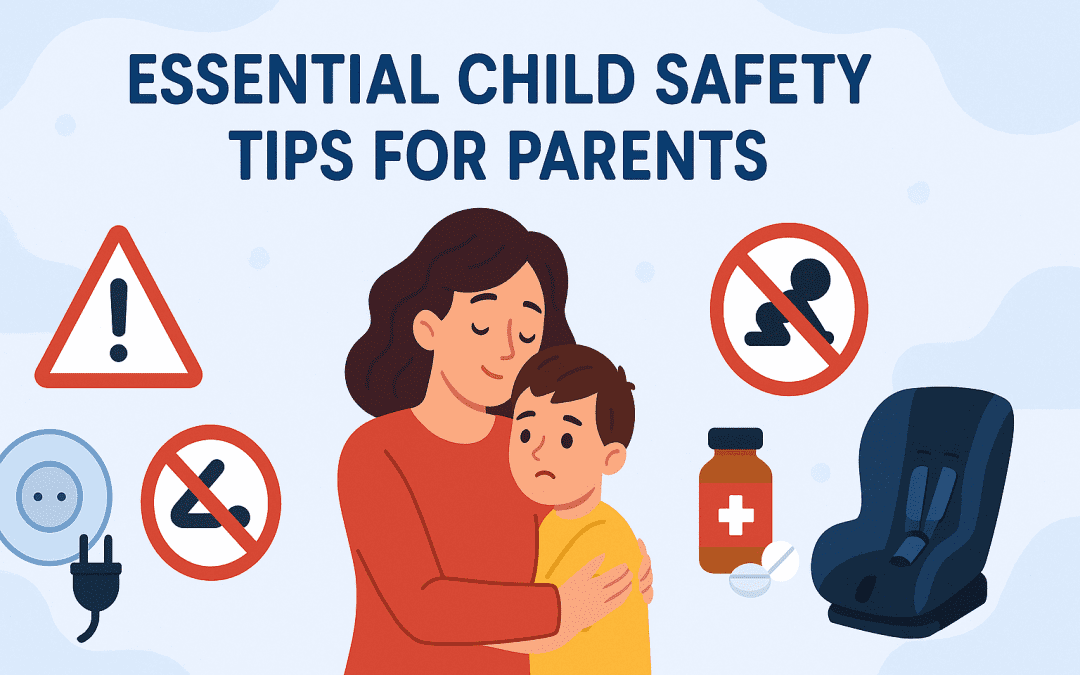
Parents, our top priority is ensuring our children are safe—whether at home, online, outdoors, or travelling. With the evolving world around us, the risks children face have also changed, making it essential to stay informed and take proactive steps to protect them. Here’s a comprehensive guide to child safety tips that every parent should know.
Home Safety Tips
Our homes should be the safest places for our children. However, household accidents are among the leading causes of injury in young children.
- Childproofing: Secure sharp objects, keep cleaning supplies out of reach, and use child safety locks in cabinets and drawers.
- Electrical Safety: Cover unused electrical outlets and keep cords out of children’s reach.
- Safe Play Areas: Ensure play areas are free from sharp edges and choking hazards.
- Fire Safety: Keep matches and lighters away from children, install smoke detectors, and teach kids basic fire safety rules.
Internet and Digital Safety
With the rise of digital devices, online safety for kids has become a major concern.
- Set Parental Controls: Use parental control apps to monitor and limit online activity.
- Teach Safe Online Practices: Instruct children never to share personal details like their address, school name, or phone number.
- Beware of Cyberbullying: Keep communication open so children feel comfortable reporting any online harassment.
- Regulate Screen Time: Encourage healthy screen habits to avoid internet addiction.
Outdoor and Playground Safety
Children love playing outside, but it’s important to ensure their safety.
- Choose Safe Playgrounds: Look for well-maintained equipment and soft surfaces to prevent injuries.
- Supervise Outdoor Play: Keep an eye on children, especially in crowded or unfamiliar places.
- Teach Stranger Awareness: Educate children about staying away from strangers and what to do if they feel uncomfortable.
Road Safety
Road safety is critical, whether children are walking, cycling, or travelling in a vehicle.
- Car Safety: Always use seat belts or child safety locks in the car.
- Traffic Rules: Teach children to use pedestrian crossings and to look both ways before crossing the road.
- Cycling Safety: Ensure children wear helmets and follow road rules while cycling.
Safety During Travel and Vacations
Travelling with children requires extra precautions to keep them safe.
- Travel Awareness: Teach children to memorise emergency contact numbers and identify trusted adults in case they get lost.
- Hotel and Stay Safety: Ensure hotel rooms are child-friendly and educate children on safety measures.
- Public Transport Safety: Teach children how to stay alert in crowded spaces and avoid talking to strangers.
Mental and Emotional Safety
Physical safety is just one part of child protection—emotional safety is equally important.
- Open Communication: Encourage children to talk about their feelings and experiences.
- Recognize Signs of Distress: Look for changes in behaviour, mood swings, or withdrawal, which may indicate issues like bullying or abuse.
- Teach Boundaries: Help children understand their personal boundaries and how to say no to uncomfortable situations.
Emergency Preparedness
Children should be prepared to handle emergencies with confidence.
- First Aid Knowledge: Teach basic first aid like cleaning minor wounds and recognising emergency situations.
- Emergency Contacts: Make sure children know essential phone numbers, such as parents, relatives, and emergency services.
- Evacuation Plans: Practice fire drills and emergency exit plans for quick response during crises.
Understanding Child Safety Laws in India
India has several child protection laws in place to safeguard children’s rights and well-being.
- Child Protection Laws in India: The Juvenile Justice Act and POCSO Act focus on child safety and protection from abuse.
- Child Safety Laws: The Right to Education Act ensures access to quality education in a safe environment.
- Online Safety for Kids: The Information Technology Act helps protect children from cybercrimes.
Conclusion
Ensuring child safety is a continuous effort that requires awareness, education, and proactive measures. By implementing these safety tips, we can create a secure environment for our children, allowing them to grow and explore confidently.To learn more about creating supportive learning environments, visit Bethany Institutions, where safety and child development go hand in hand.
FAQs
How to talk to your child about online safety?
Start by explaining the risks in a simple, friendly manner. Encourage them to ask questions and teach them about safe online behaviour.
Why is safety important to child development?
A secure environment helps children develop confidence, social skills, and emotional stability.
What are child rights in India?
Children in India have rights to education, protection from exploitation, and a safe environment under various child protection laws.
What is child protection?
Child protection refers to safeguarding children from violence, abuse, neglect, and exploitation, ensuring their physical and emotional well-being.
By staying informed and proactive, we can help our children navigate the world safely while allowing them the freedom to learn and grow.
by Bethany Institutions | Jun 10, 2025 | Blog Recent Post
The Challenge of Finding the Perfect School
As a parent, we know how overwhelming it can be to choose the right school for our children. It’s one of the most important decisions we make, shaping not just their education but their overall development. With so many options available, particularly in a growing area like Sarjapur Road, how do we determine the best fit?
If you’re on the lookout for an ICSE School in Sarjapur Road, this guide will walk you through what makes the ICSE curriculum special, why Sarjapur Road is a great location for schooling, and what to consider before making your final choice.
Understanding the ICSE Curriculum
The Indian Certificate of Secondary Education (ICSE) curriculum is known for its rigorous and balanced approach to education. Unlike other boards, it focuses on holistic learning, ensuring students gain knowledge beyond just textbooks.
Why Choose the ICSE Board?
- Comprehensive Learning: The ICSE syllabus is detailed and structured to provide a deep understanding of subjects.
- Strong English Foundation: With an emphasis on English, ICSE students excel in communication skills, making it beneficial for future academic and career pursuits.
- Practical Knowledge: The board encourages analytical thinking, project work, and research-oriented learning.
- Balanced Curriculum: Unlike other boards that focus primarily on STEM subjects, ICSE places equal importance on arts, humanities, and physical education, making it well-rounded.
For parents looking at long-term advantages, an ICSE education ensures children are well-prepared for competitive exams and global opportunities.
Why Sarjapur Road?
Sarjapur Road has become one of Bangalore’s fastest-growing areas, and for good reason. Over the last few years, it has transformed into an educational hub, housing some of the best ICSE schools in Sarjapur Road, Bangalore.
What Makes Sarjapur Road an Ideal Location?
- Excellent Connectivity: Well-connected to key IT hubs like Electronic City, Whitefield, and Marathahalli, making it convenient for working parents.
- Thriving Community: A diverse and vibrant community with families from different backgrounds, ensuring a culturally rich learning environment.
- Modern Infrastructure: Schools in this area have top-notch facilities, from state-of-the-art classrooms to expansive sports arenas and extracurricular spaces.
Top ICSE Schools in Sarjapur Road
If you’re searching for the best ICSE schools in Sarjapur Road, Bangalore, you’ll find plenty of great choices. Some of the top ICSE schools in the region include:
Bethany High Sarjapur
One of the most reputed names, Bethany High School Sarjapur offers a nurturing environment, excellent academic standards, and holistic development opportunities. With well-equipped labs, a focus on extracurriculars, and an experienced faculty, Bethany is a standout choice.
Other Notable ICSE Schools
- Schools with strong academic performance and co-curricular activities.
- Institutions that offer innovative learning experiences and world-class facilities.
- Schools that prioritize student well-being and community engagement.
What to Look for in an ICSE School
Choosing the right school goes beyond academics. Here are some key factors to consider:
1. Academic Excellence
Look for a school that consistently delivers strong results, has qualified teachers, and encourages students to think beyond rote learning.
2. Extracurricular Activities
A school that balances studies with arts, sports, and community service ensures overall development.
3. Infrastructure & Facilities
Modern classrooms, libraries, labs, and sports facilities contribute to a child’s learning experience.
4. Supportive Faculty & Student Welfare
A school’s approach to mental health, counselling, and special learning needs is equally important.
How Bethany High Stands Out
When it comes to a school that ticks all the right boxes, Bethany High Sarjapur stands out. Here’s why:
- Academic Excellence: A well-structured curriculum with personalized learning support.
- State-of-the-Art Facilities: Modern classrooms, digital learning tools, and well-maintained labs.
- Extracurricular Opportunities: Music, drama, sports, and community service initiatives.
- Strong Parent-School Relationship: Active engagement between educators and parents to ensure a child’s progress.
Holistic Development and Extracurricular Activities
A child’s growth is not just about textbooks. Schools that offer sports, performing arts, leadership programs, and social initiatives ensure students develop skills beyond academics. Look for schools that provide opportunities in:
- Sports & Physical Education
- Music, Dance, and Theatre
- Community Service & Leadership Activities
- Innovation & Science Clubs
The Role of Community and Parental Involvement
A school is not just about academics and extracurriculars—it’s also about the community it fosters. A supportive parent-teacher network can make a significant difference in a child’s educational experience.
When choosing a school, ask about:
- Parent involvement programs
- School events that encourage family participation
- Open communication between teachers and parents
The Admission Process & Tips
Applying to an ICSE school in Sarjapur can be a competitive process. Here are some tips to navigate it smoothly:
1. Start Early
Many schools in Sarjapur Road Bangalore have limited seats, so begin your research and application process well in advance.
2. Understand the Admission Criteria
Check eligibility requirements, application deadlines, and entrance assessments, if any.
3. Visit the Campus
A school visit helps you understand the environment, interact with teachers, and assess facilities first-hand.
4. Prepare for Interviews
Some schools may require student or parent interviews—be ready to discuss your child’s strengths and learning style.
Making the Right Choice
Selecting the best ICSE school in Sarjapur Road for your child requires careful thought. Visit schools, speak to teachers, and consider what aligns best with your child’s learning style and personality.
If you’re considering Bethany High Sarjapur, it’s worth scheduling a visit to experience the environment first-hand. A well-rounded education shapes not just academics but also character, creativity, and confidence—setting the stage for a bright future.
So, take the time to explore, ask questions, and choose wisely. After all, a great school is the foundation of a great future.